Air in architecture

“ Unfortunately, the ambiance is seen as a corrective factor to be dealt with. ”

  • Publish On 12 August 2024
  • Emmanuel Doutriaux
  • 30 minutes

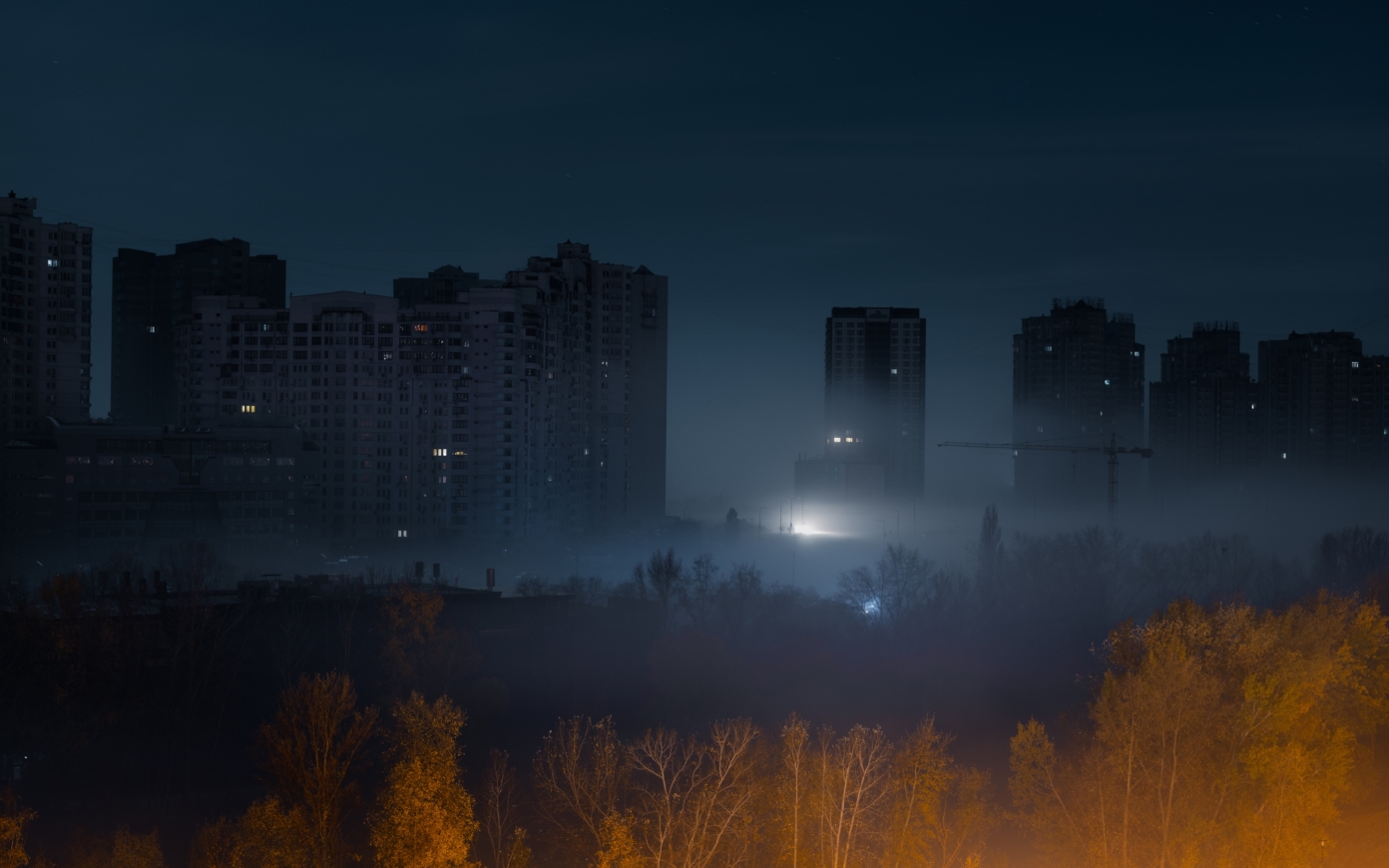
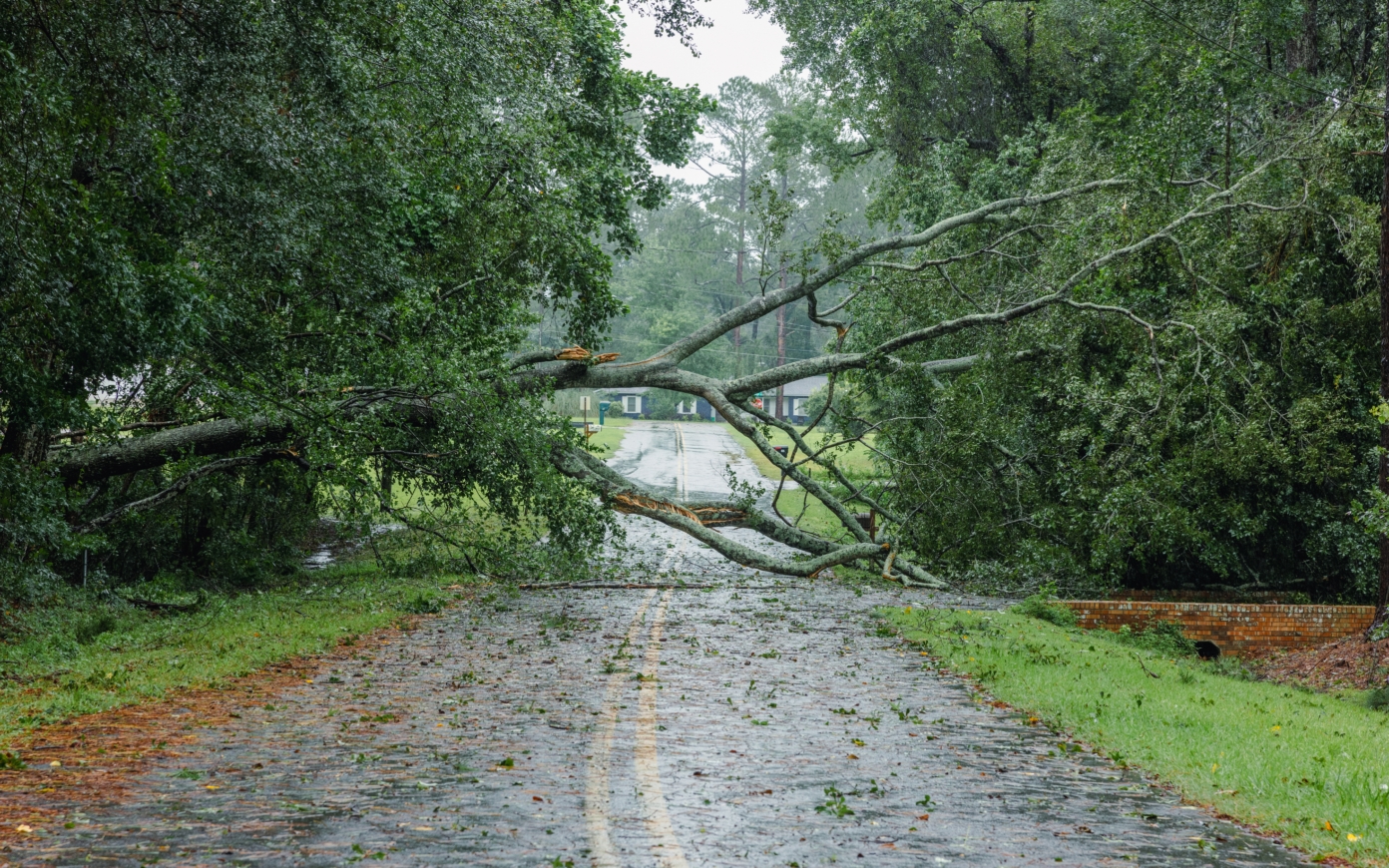
The challenges of air in architecture encompass a wide range of considerations that can affect the shape of a building, its degree of openness, the proportion of voids and solids, or the implementation of specific technical solutions. To reconcile seemingly contradictory requirements, such as the tension between energy efficiency and natural ventilation, architects and engineers are redoubling their inventiveness. Air, due to its invisibility, invites us to create an atmosphere and to consider buildings in terms of breathability.
Bibliography

explore

Article
Article

Using AI to tell history — podcast transcription

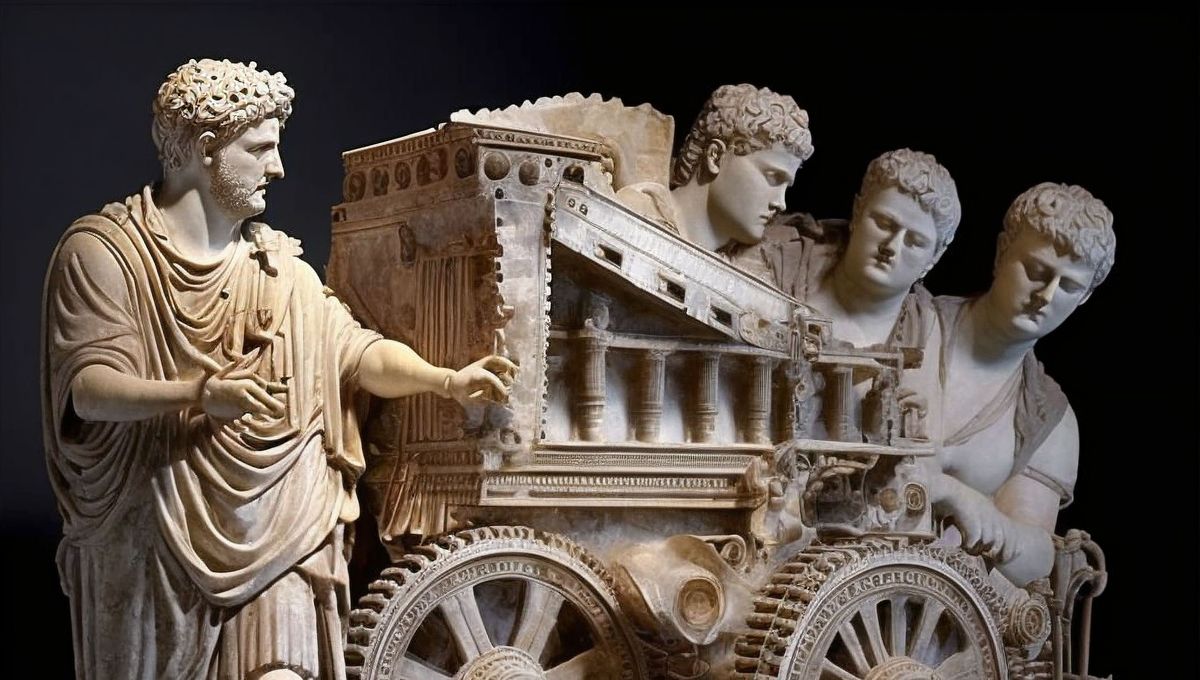
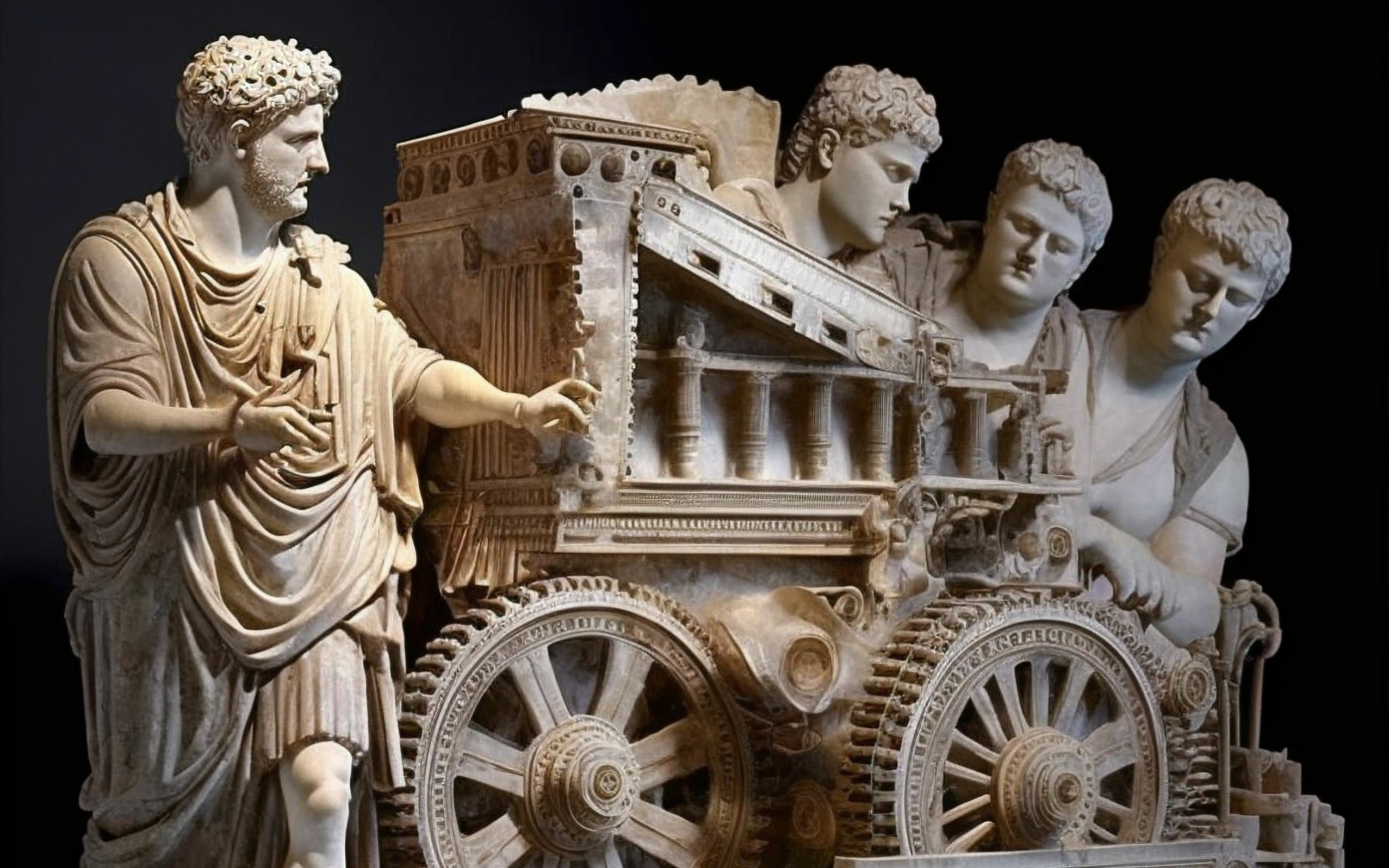
Read our discussion on the subject of generative AI with Raphaël Doan, a specialist in the sciences of Antiquity and author of the uchronia Si Rome n’avait pas chuté (If Rome hadn’t fallen), an essay imagining, with the help of AI, what might have happened if the Industrial Revolution had taken place under the Roman Empire. Through this experiment, fascinating possibilities for historical and archaeological research are outlined, as AI facilitates the processing of archives, the translation of lost languages and the deciphering of burnt texts.

Discover
Vidéo
Vidéo

Beautiful like an encounter on the glass roof of colored clouds

For Daniel Buren, architecture is an open-air studio. In an exclusive interview with architect Philippe Chiambaretta, he talks about his site-specific work, where art and architecture meet, just like the Nuages Colorés that cover the scales of the 175 Haussmann glass roof.

Discover
Vidéo

Jean-Baptiste de Froment

Vidéo

"For an open architecture"

On the occasion of its integration into the Paris Sciences et Lettres (PSL) university consortium, the École nationale supérieure d’architecture de Paris-Malaquais is publishing a manifesto that asserts its institutional positioning. Far more than a mere text, this manifesto lays the foundations for a committed academic vision, emphasizing the urgent need to train architects engaged in transforming the ways we inhabit the world. Structured around twelve key concepts, it is intended as a compass to guide the school’s pedagogical and strategic choices, in alignment with the 2025–2029 National Strategy for Architecture. In this interview, its director, Jean-Baptiste de Froment, reflects on the values driving this project and on how the school positions itself as a proactive agent of thought and action within the contemporary architectural landscape.

Discover
Podcast

“ Architecture has a unique relationship with the transformation of reality: it is, in a way, atlastic. ”

Podcast

“ Architecture has a unique relationship with the transformation of reality: it is, in a way, atlastic. ”


Architecture is a political practice

Manuel Bello Marcano is an architect, lecturer at ENSA Saint-Etienne and sociologist of the imaginary at the Centre d’études pour l’actuel et le quotidien – CEAQ, Université Paris Descartes (Center for Current and Everyday Studies at Paris Descartes University). In his view, architecture is an act of aggregation designed to put the world in order: in this sense, he is interested in the political fictions mobilized to equip our thinking and, in this case, to build a “ togetherness ”. Follow his words and discover animality understood as community.

Discover
Vidéo

Matthieu Duperrex

Vidéo

Inhabiting Sentinel Landscapes

A philosopher and senior lecturer at the National School of Architecture of Marseille, Matthieu Duperrex explores ‘sentinel landscapes’—polluted soils, engineered rivers, industrial port zones—from a decolonial, multidisciplinary perspective attentive to the various ways of narrating the damaged world we have inherited. He regards these sites both as places of warning and as spaces of knowledge.

Discover
Vidéo

Björn Geldhof

Vidéo

Culture as a weapon

In this exclusive interview, Björn Geldhof, director of the PinchuckArtCentre in Kyiv, looks at the evolution of the centre’s cultural programming since the outbreak of war in Ukraine. From an institutional space whose primary role was to open up the country to the world, the centre has evolved into a platform for committed and activist research, carrying the voice of Ukraine throughout Europe. By using art to document the conflict, the PinchukArtCentre uses a factual approach to raise awareness in the spheres of opinion and decision-making, thus affirming its role as the country’s ‘artistic arm’.  

Discover
Article
Article

Educating Citizen Architects: for a meaningful architecture

Andrew Freear runs the Rural Studio program at Auburn School of Architecture (USA). He believes that schools of architecture have an ethical responsibility to train citizen architects who are locally committed to concrete projects and experientially connected to contexts and places. To design an inclusive city, the Studio adopts an experimental field approach, combining analysis of the territory’s endemic problems, understanding of residents’ needs and new construction techniques. Read the full interview published in STREAM 05!

Discover
Article
Article

Podcast transcript: urban metabolism, at the heart of the matter

In urban planning and geography, the concept of metabolism is frequently discussed. This organicist metaphor likens a territory to a body, traversed by flows of materials and energy that link it to its environment. From a quantitative perspective, these flows can be measured over time and space to assess what a territory consumes, processes, and produces. However, a qualitative approach is equally crucial, examining the political and social trade-offs that shape urban metabolisms. With this in mind, we spoke with two researchers, Clément Dillenseger and Pierre Desvaux, who have explored the waste sector to analyze the socio-technical infrastructures that underpin metabolism and the imaginaries that shape its perception.

Discover