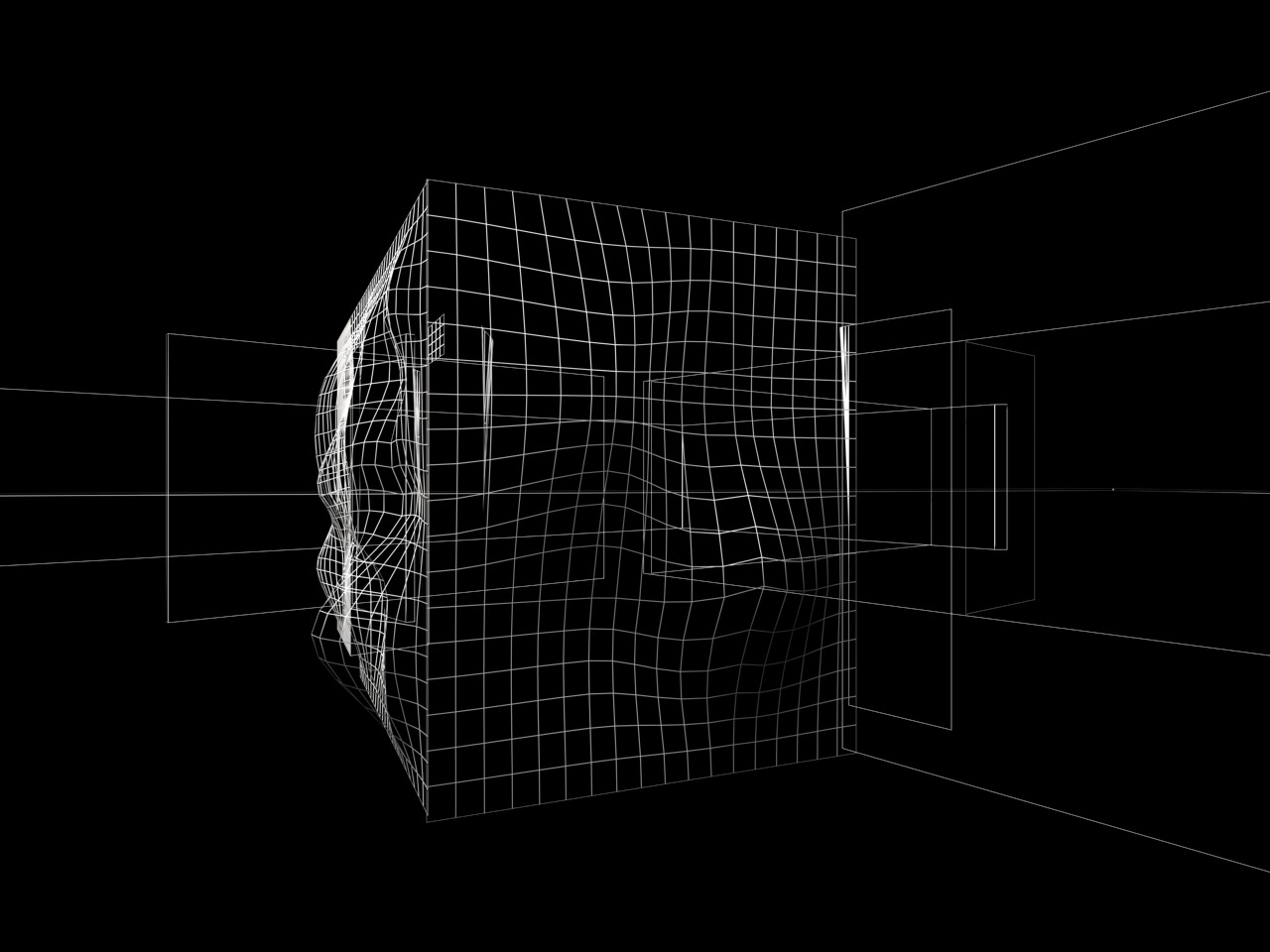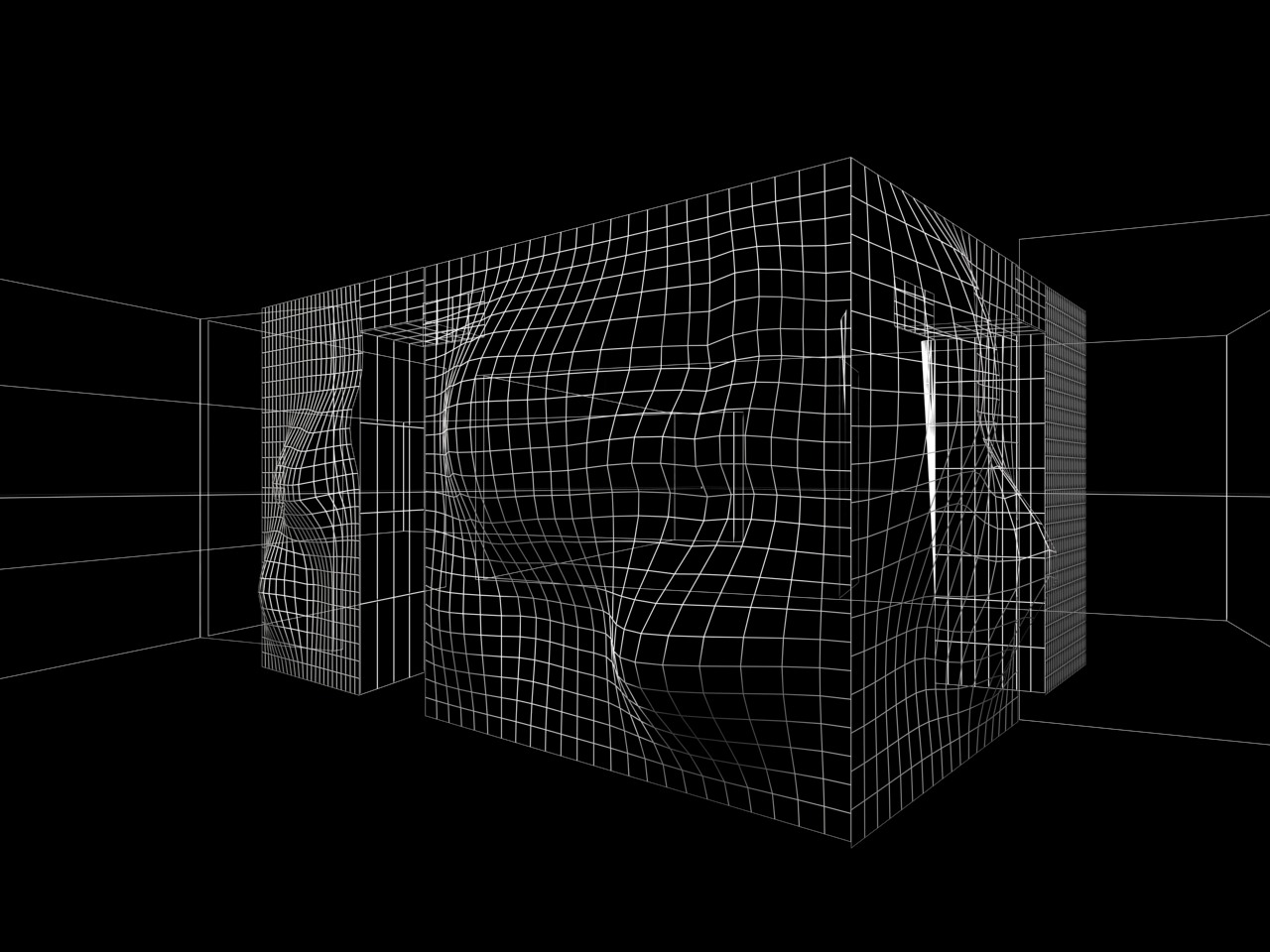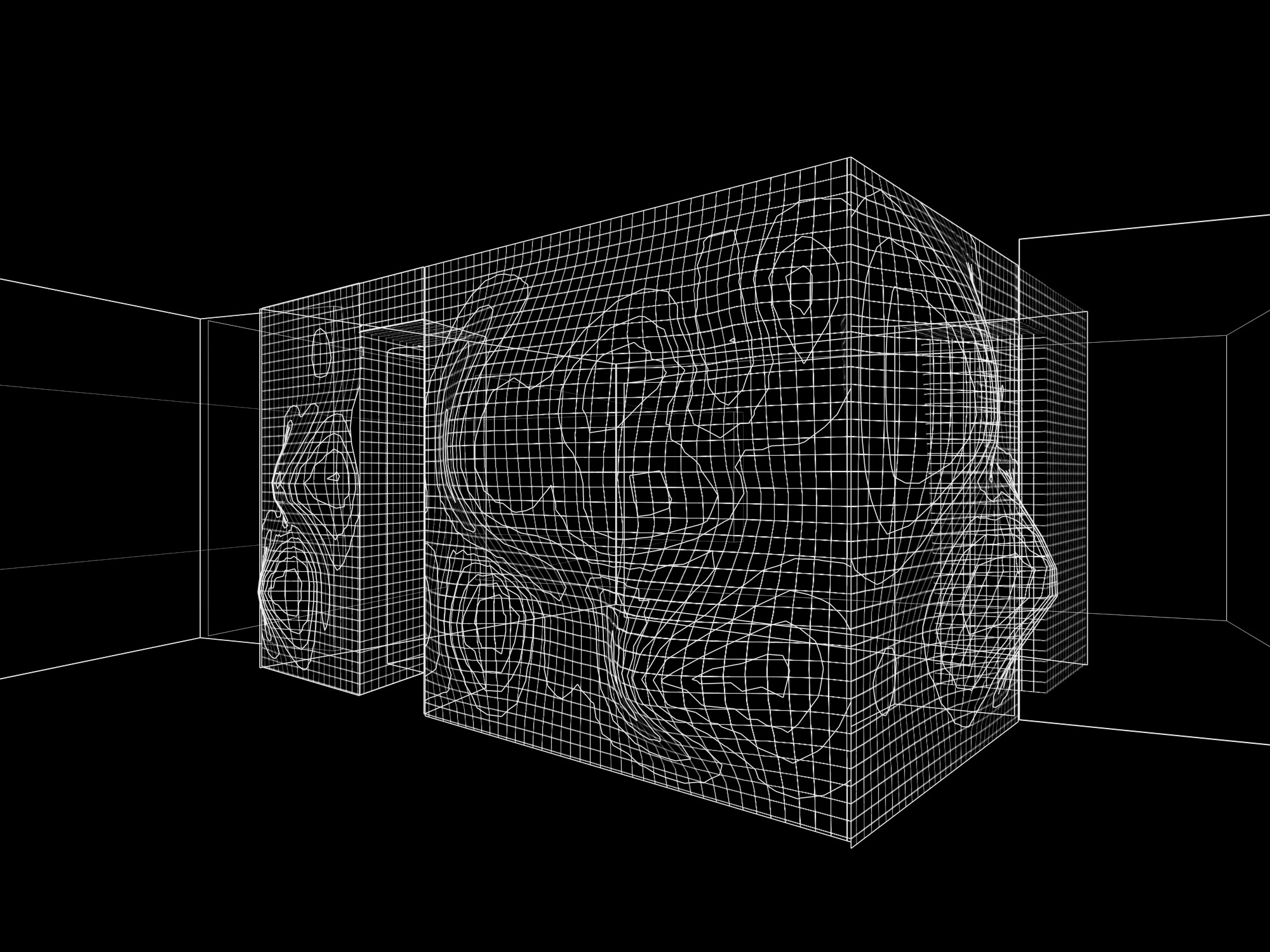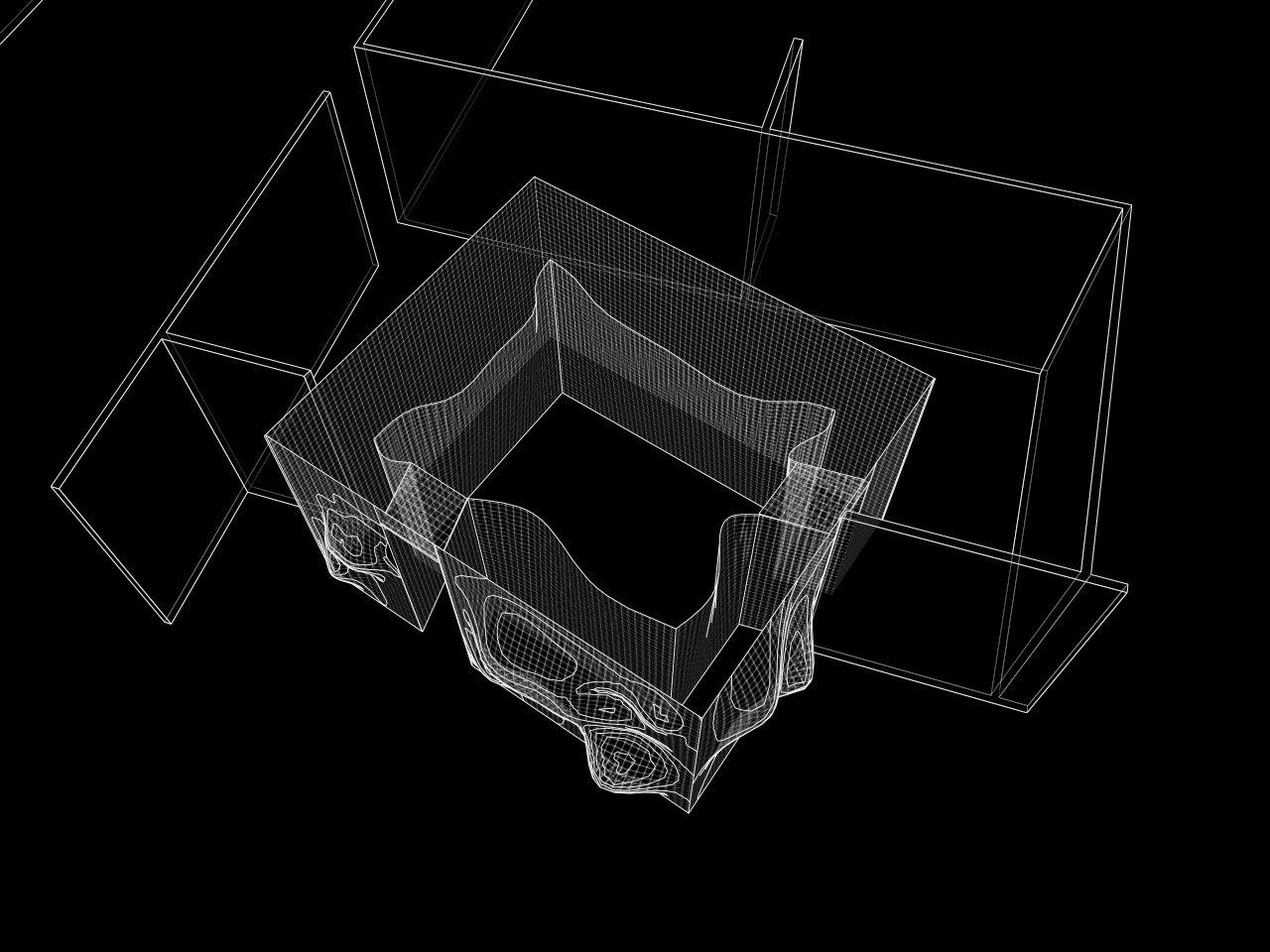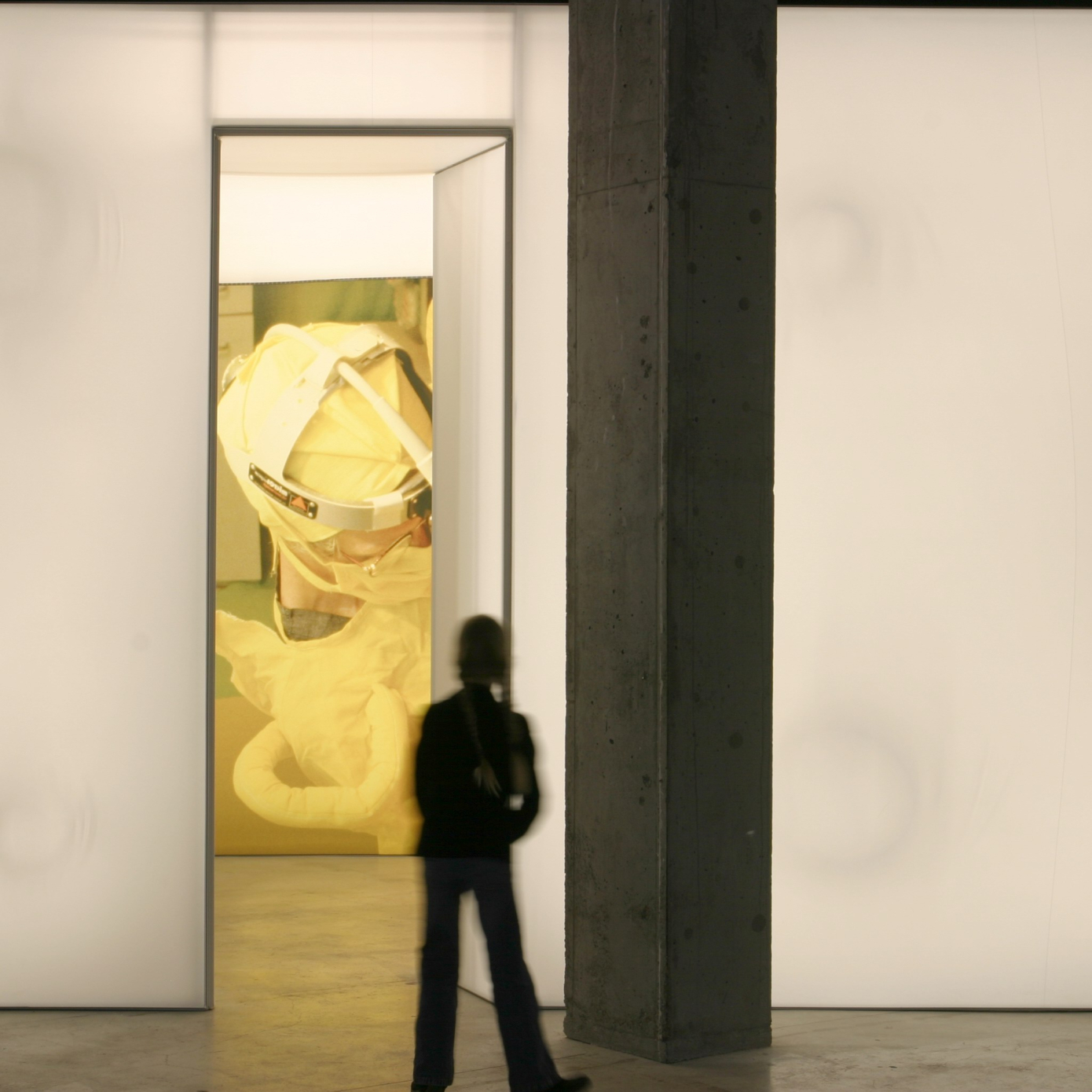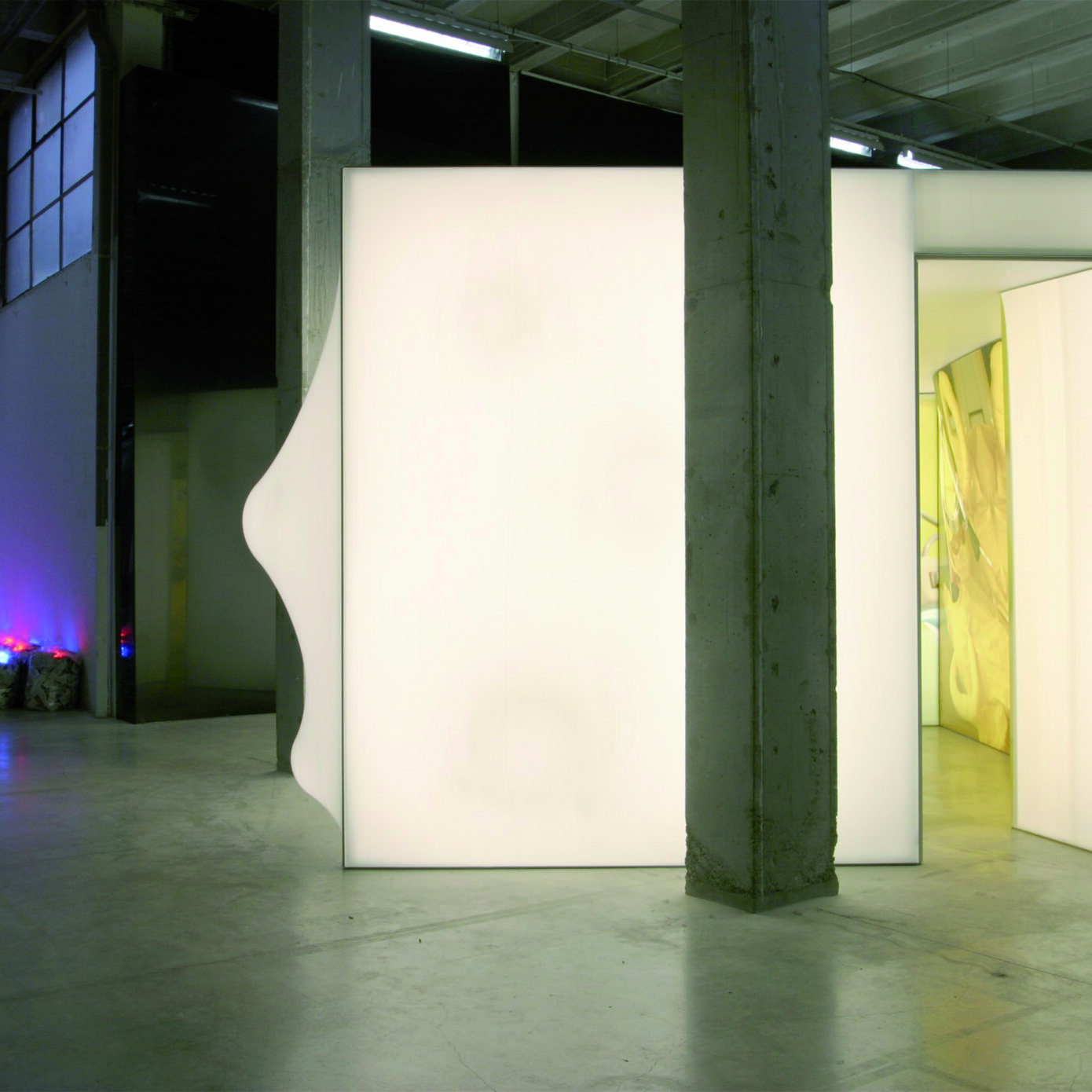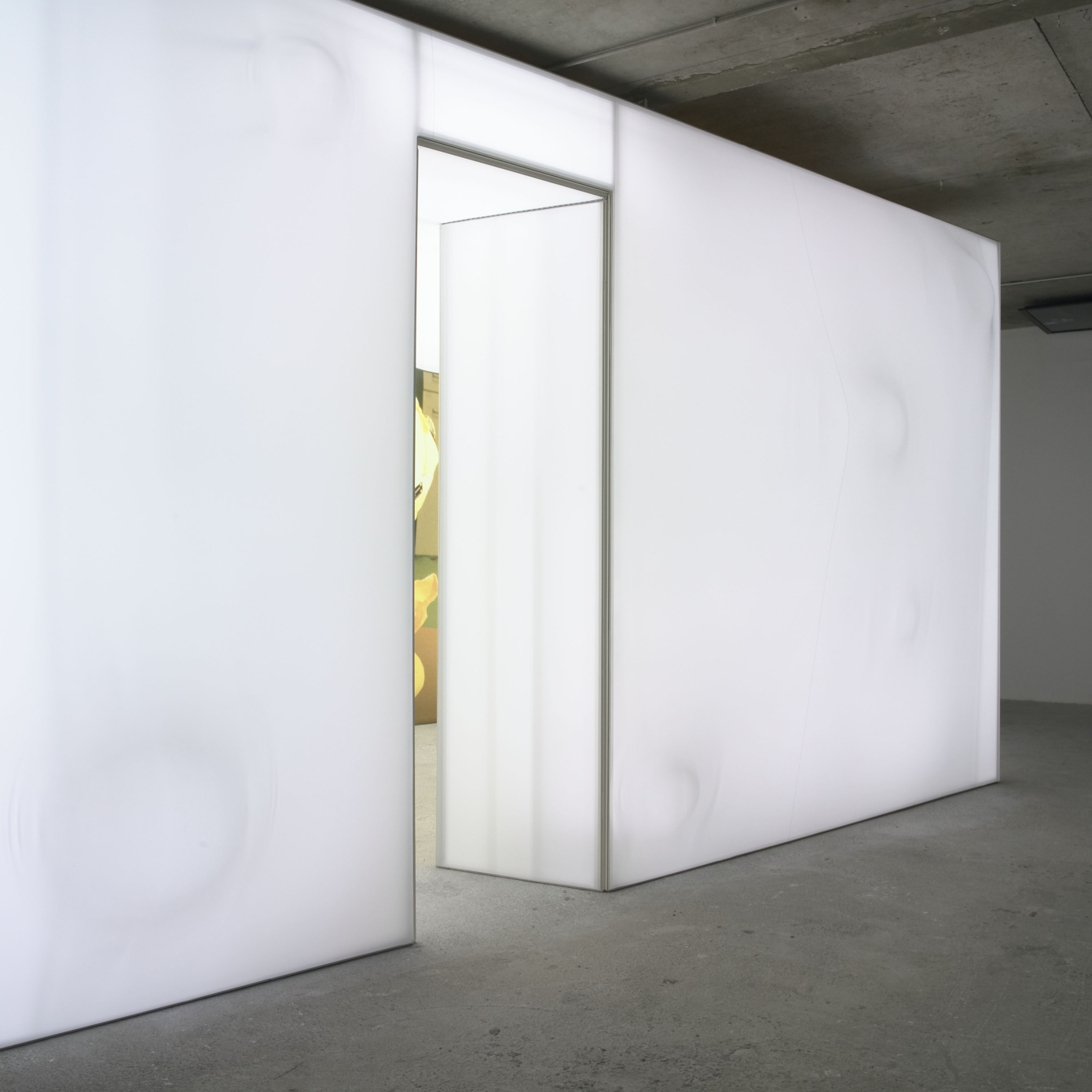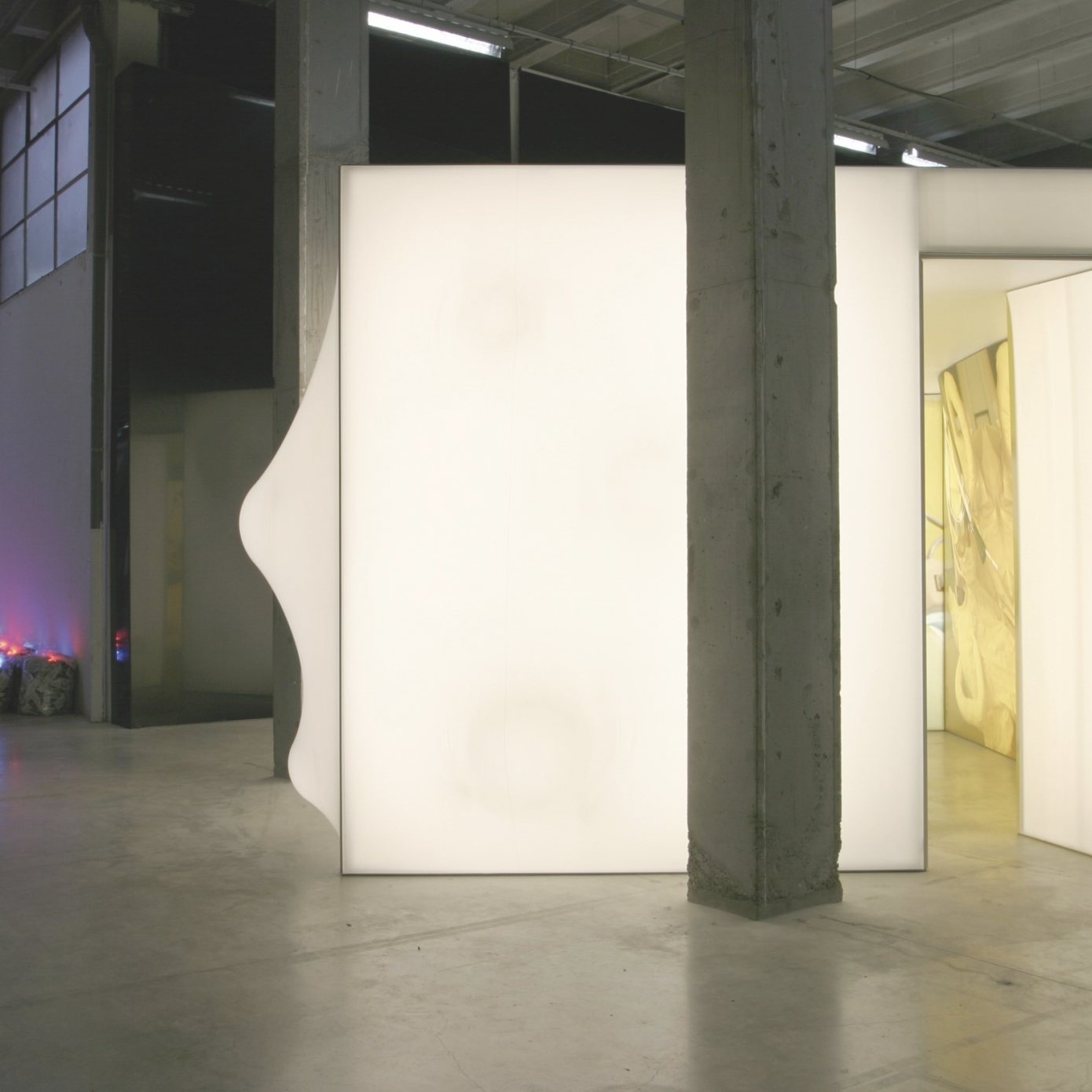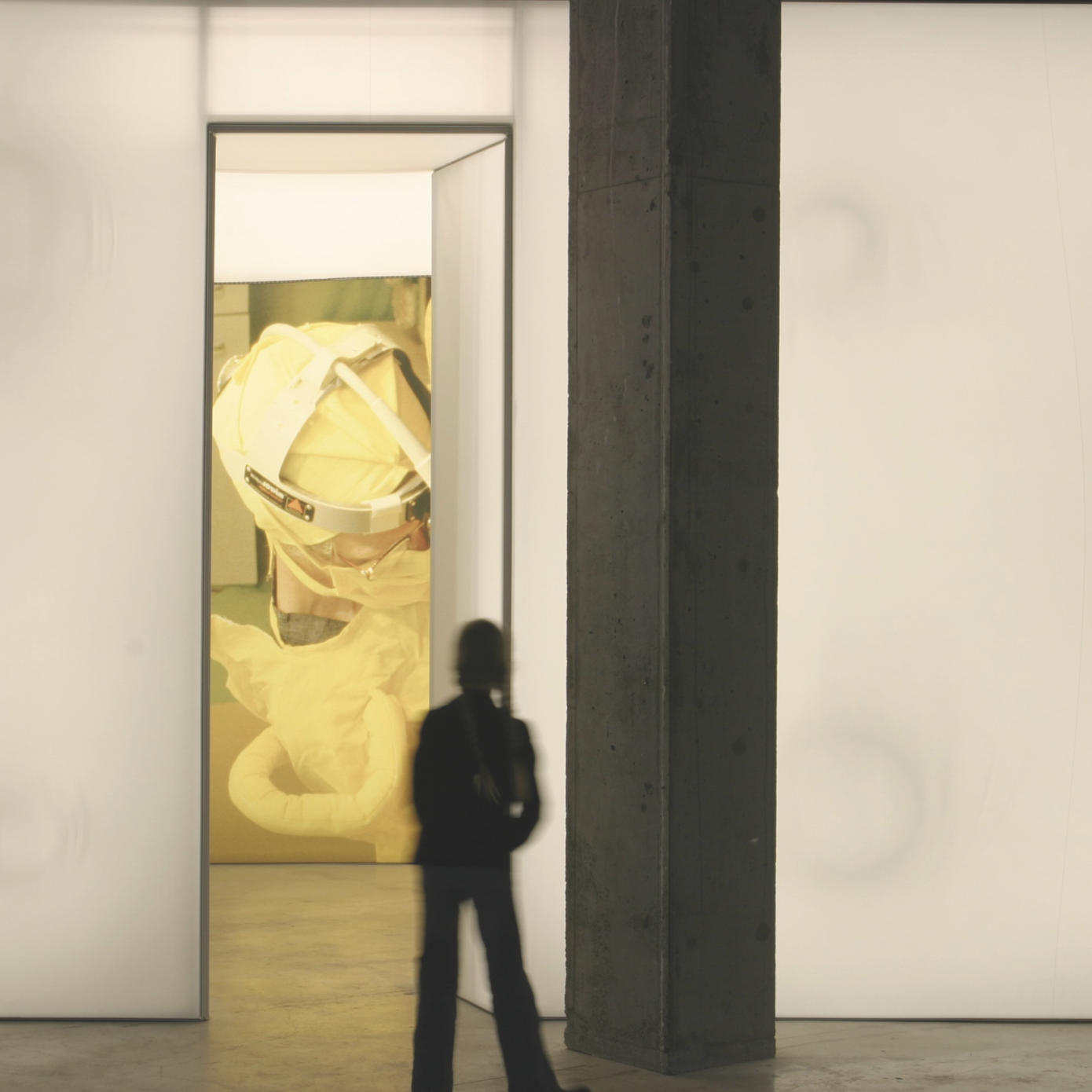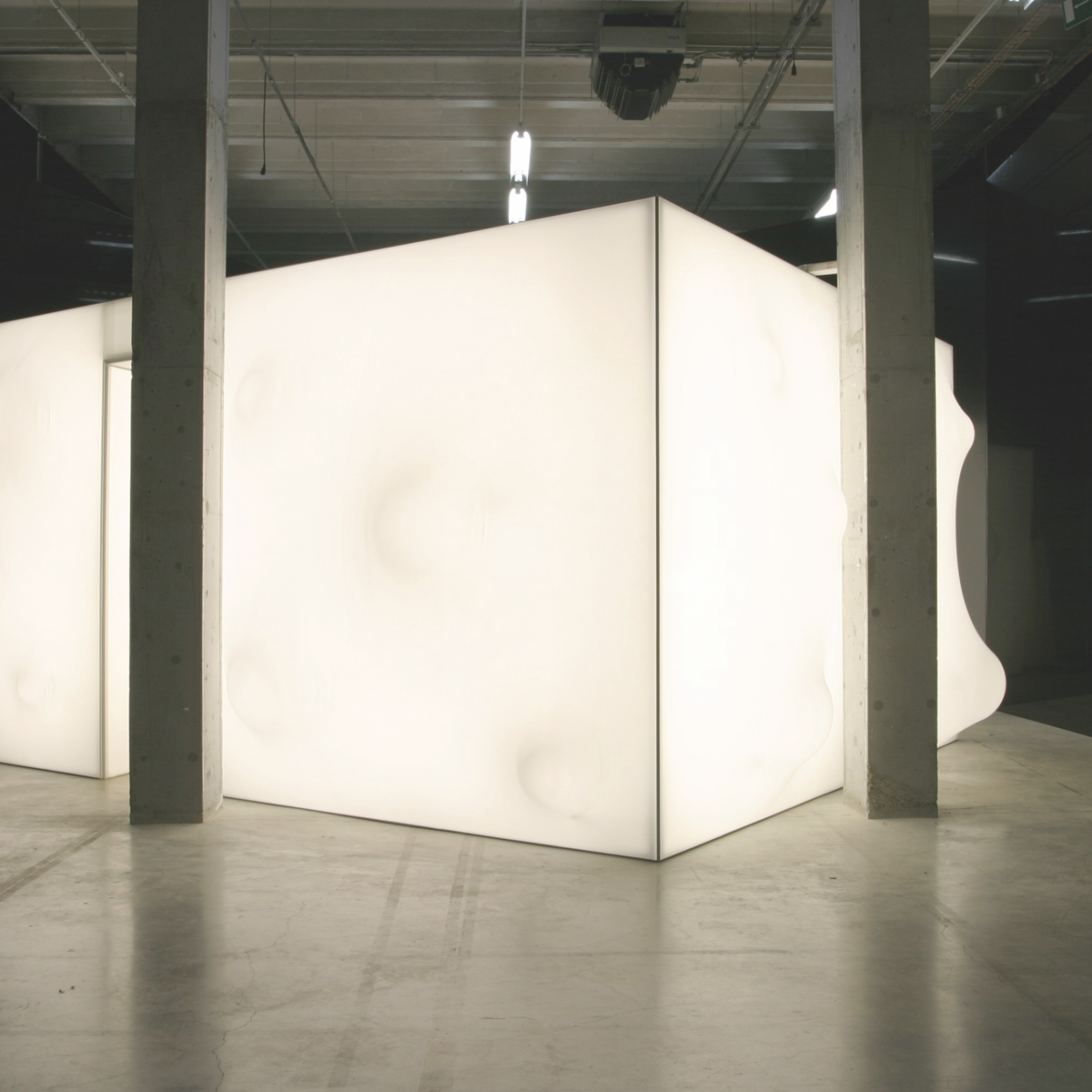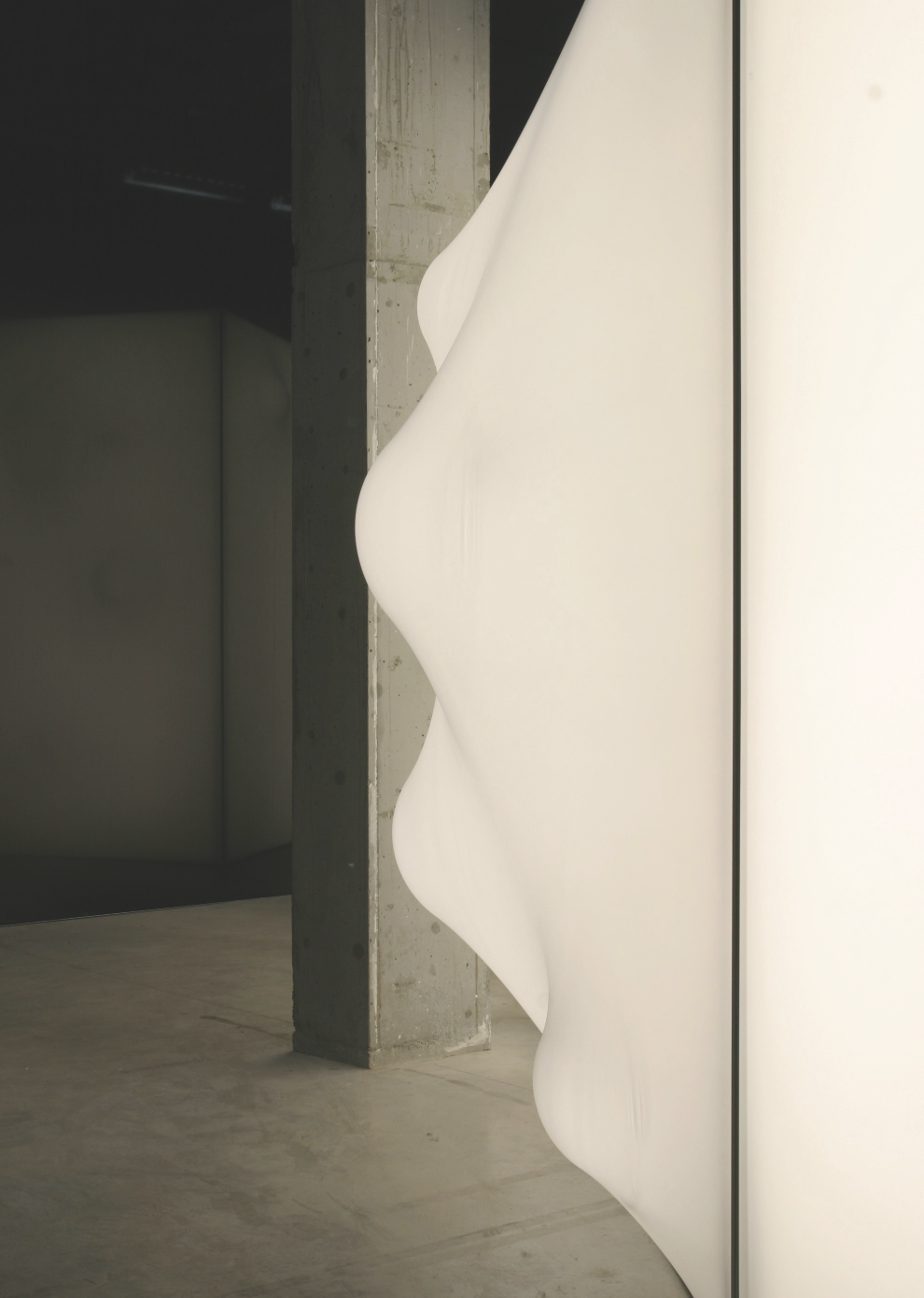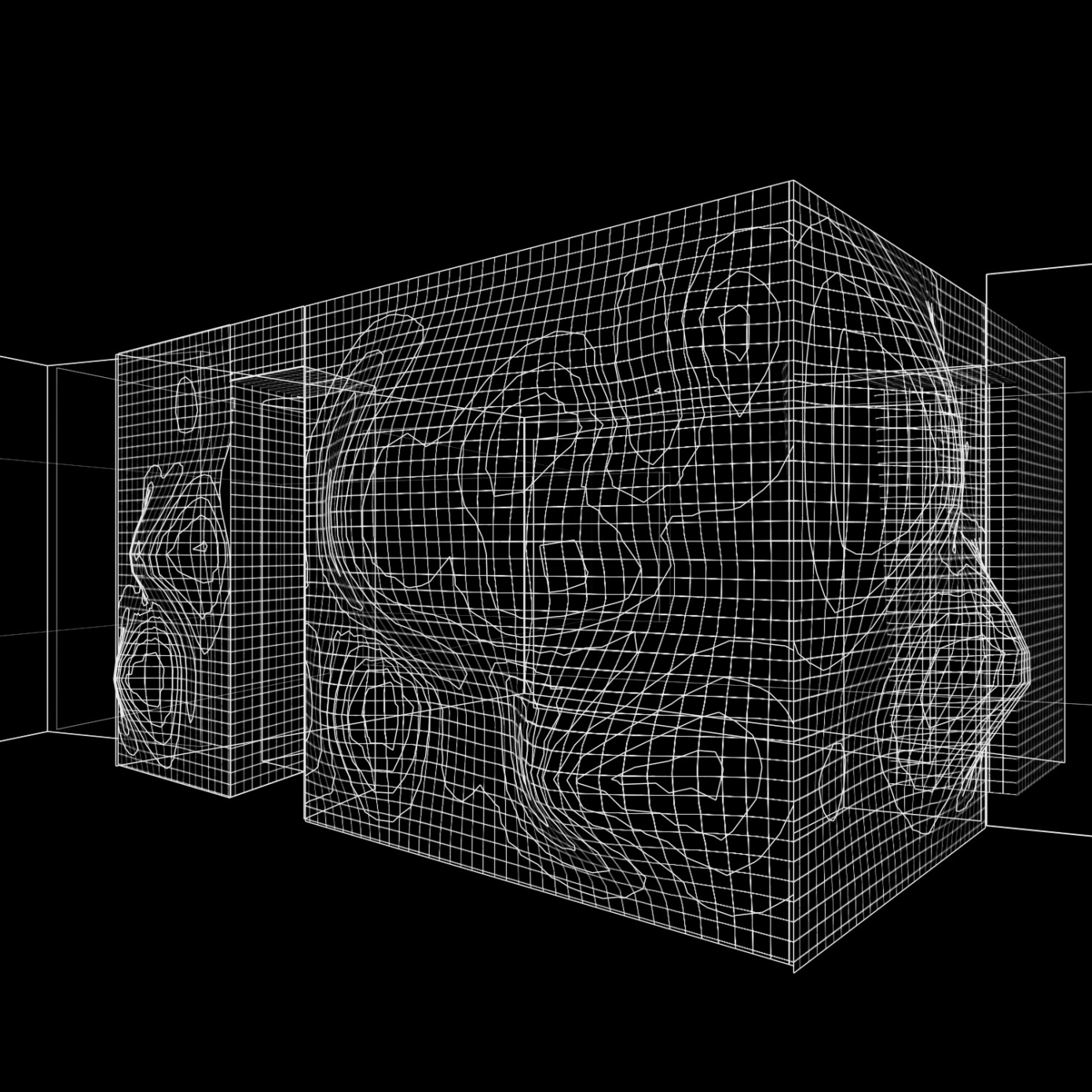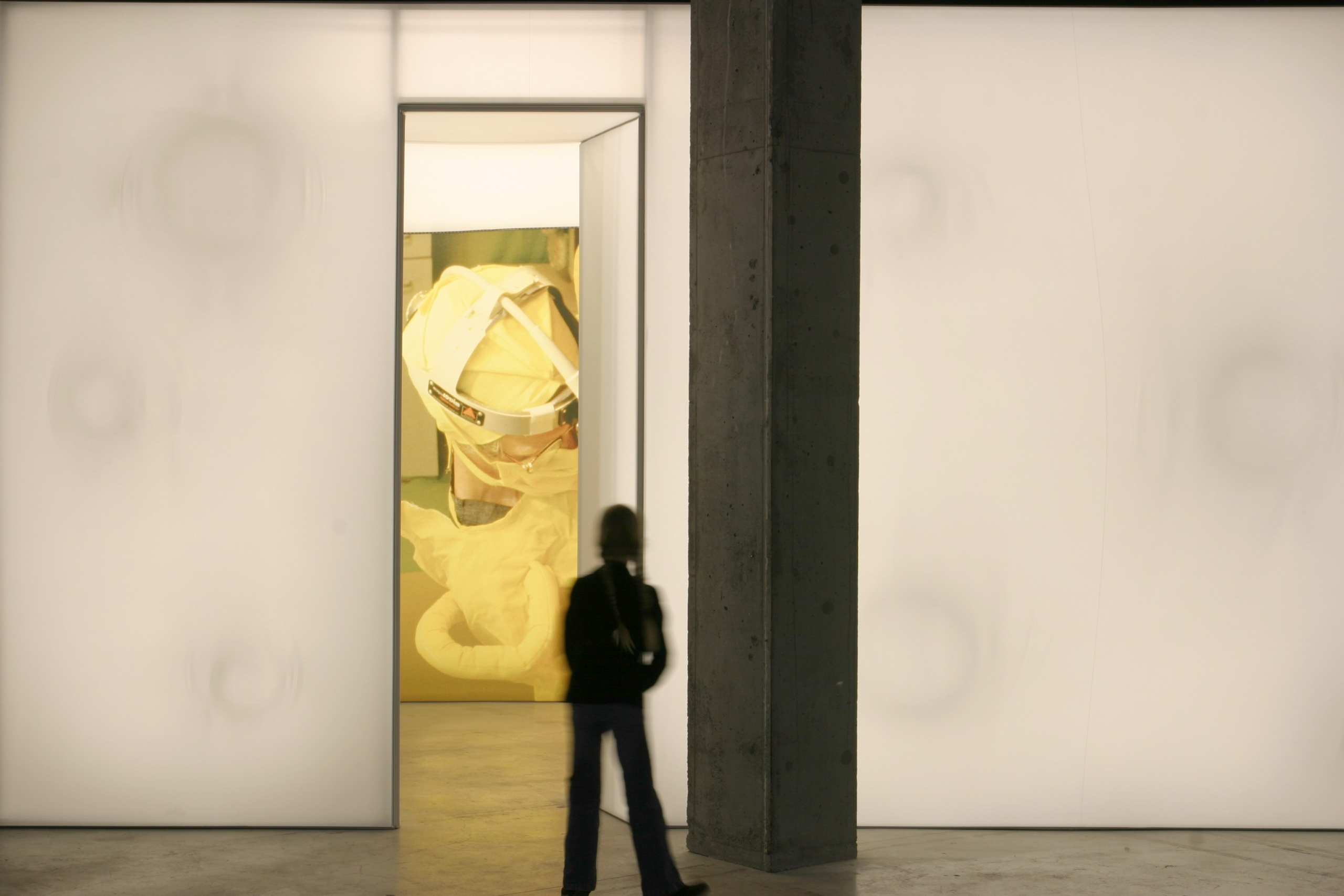
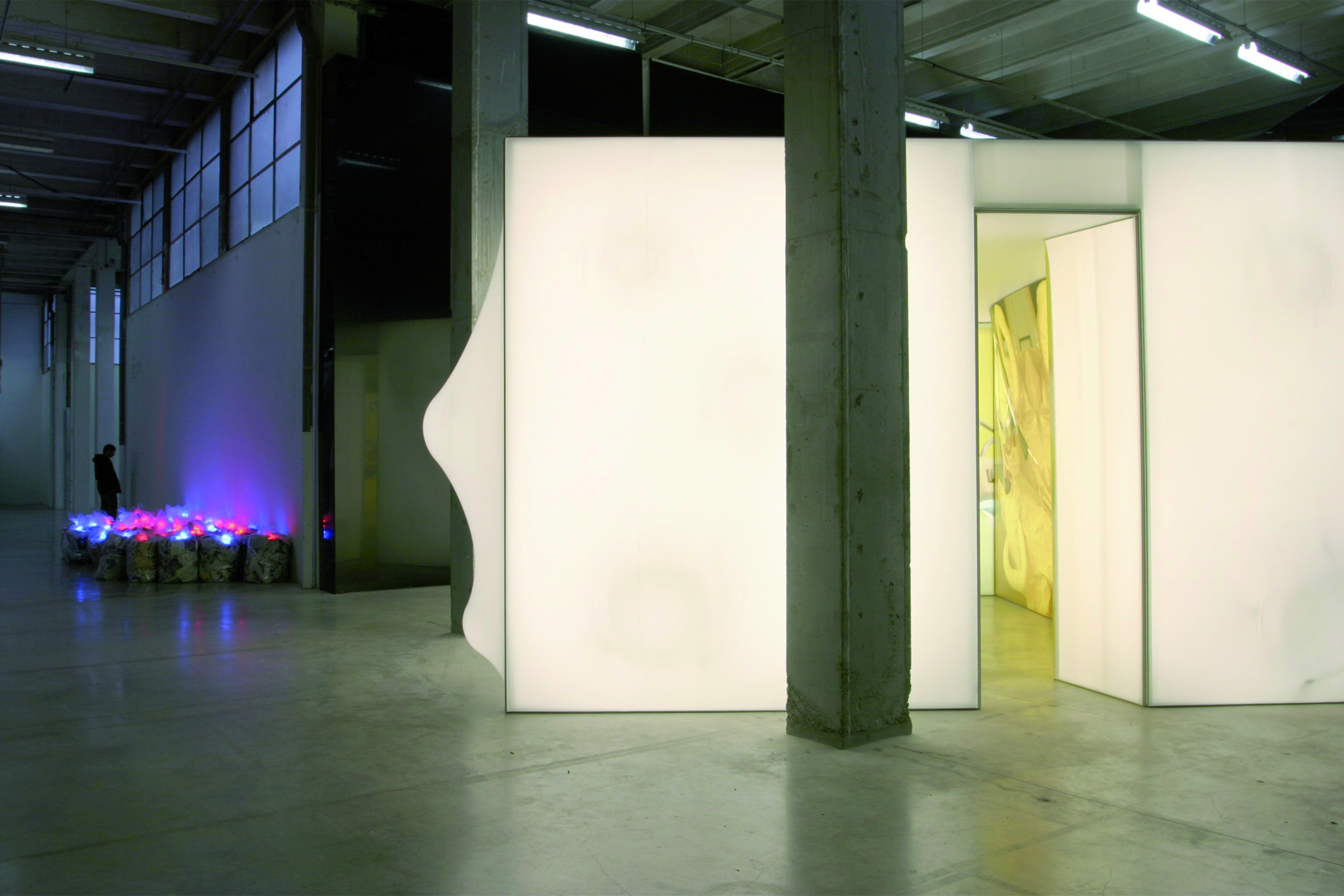
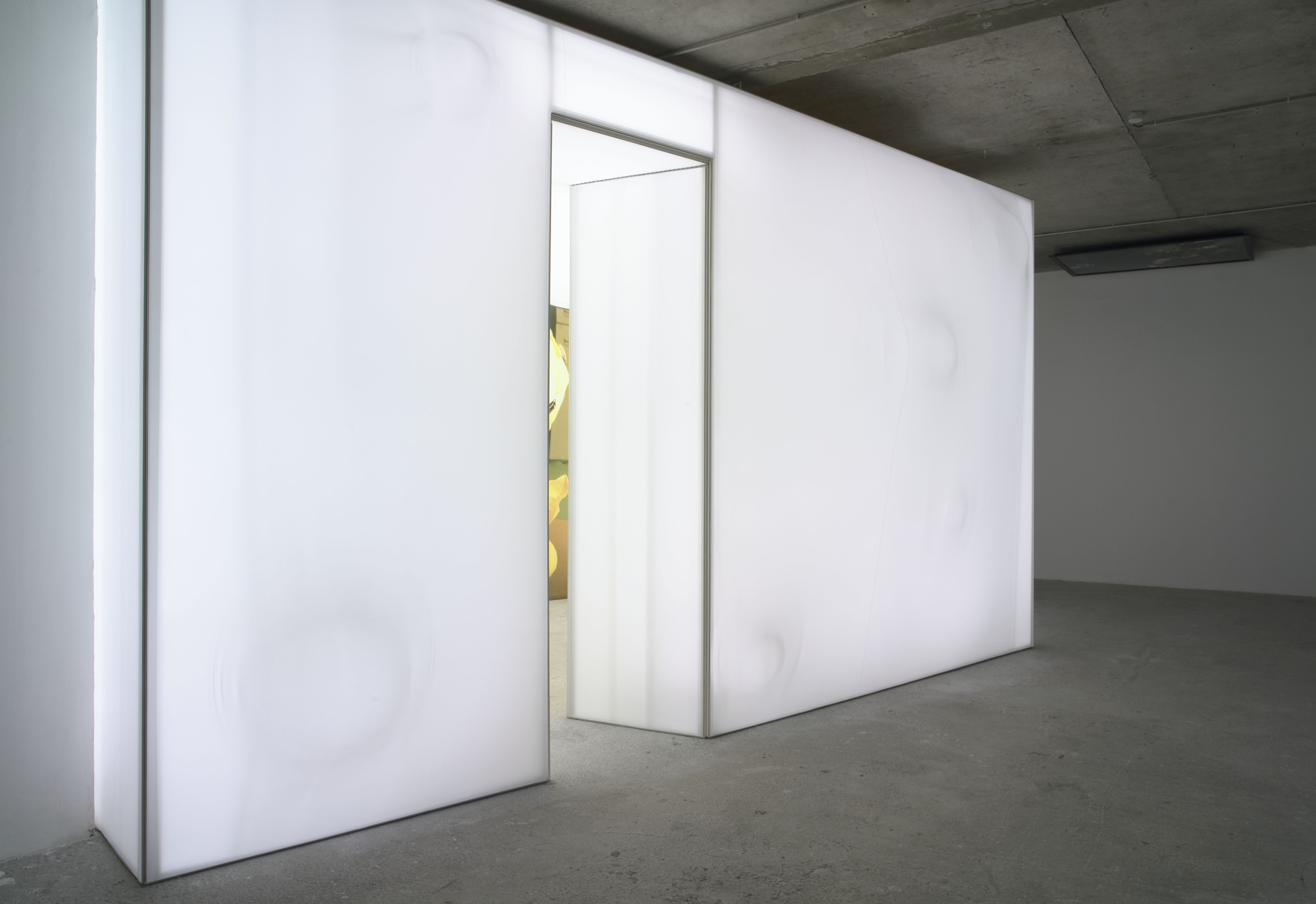
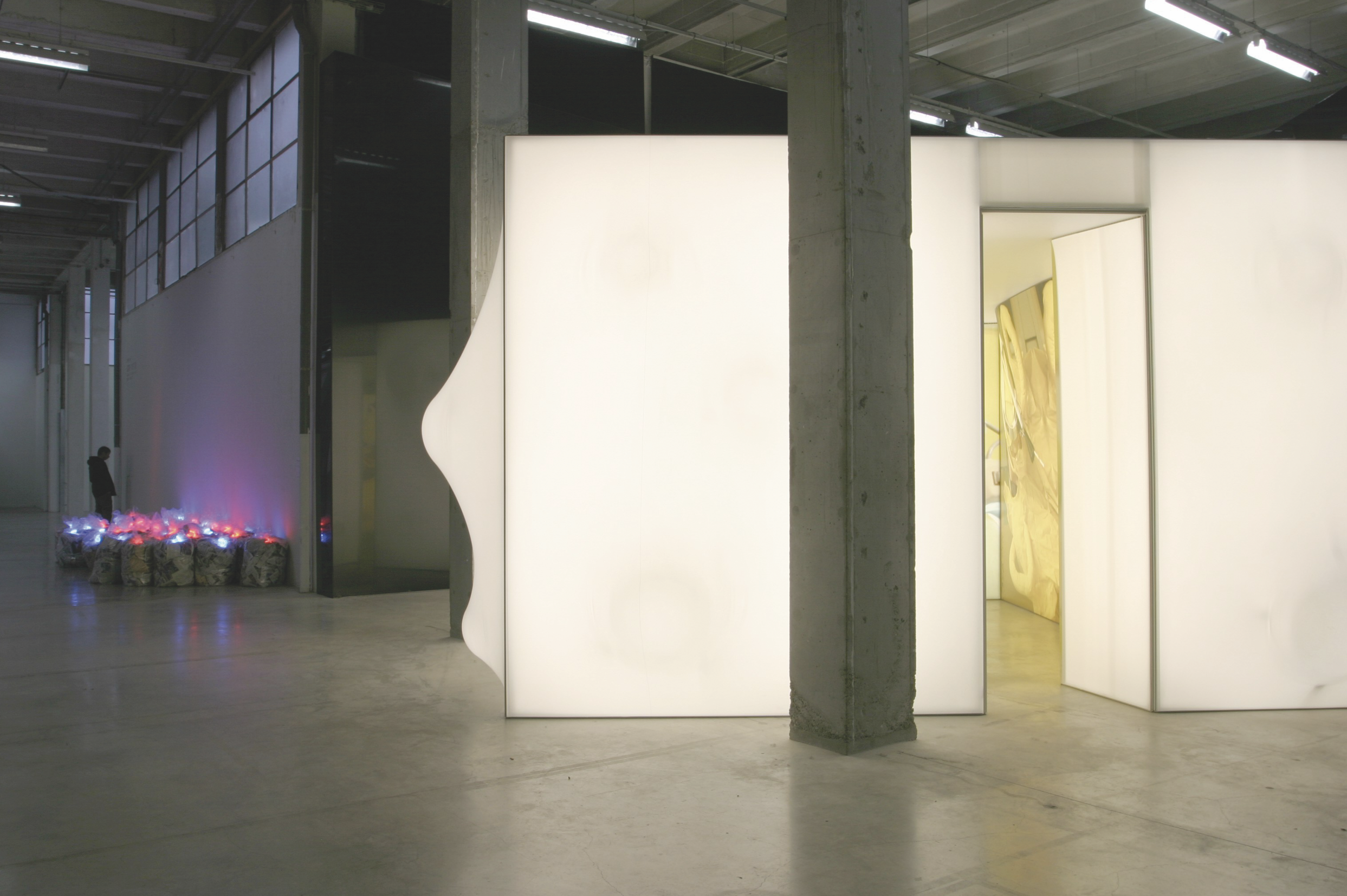
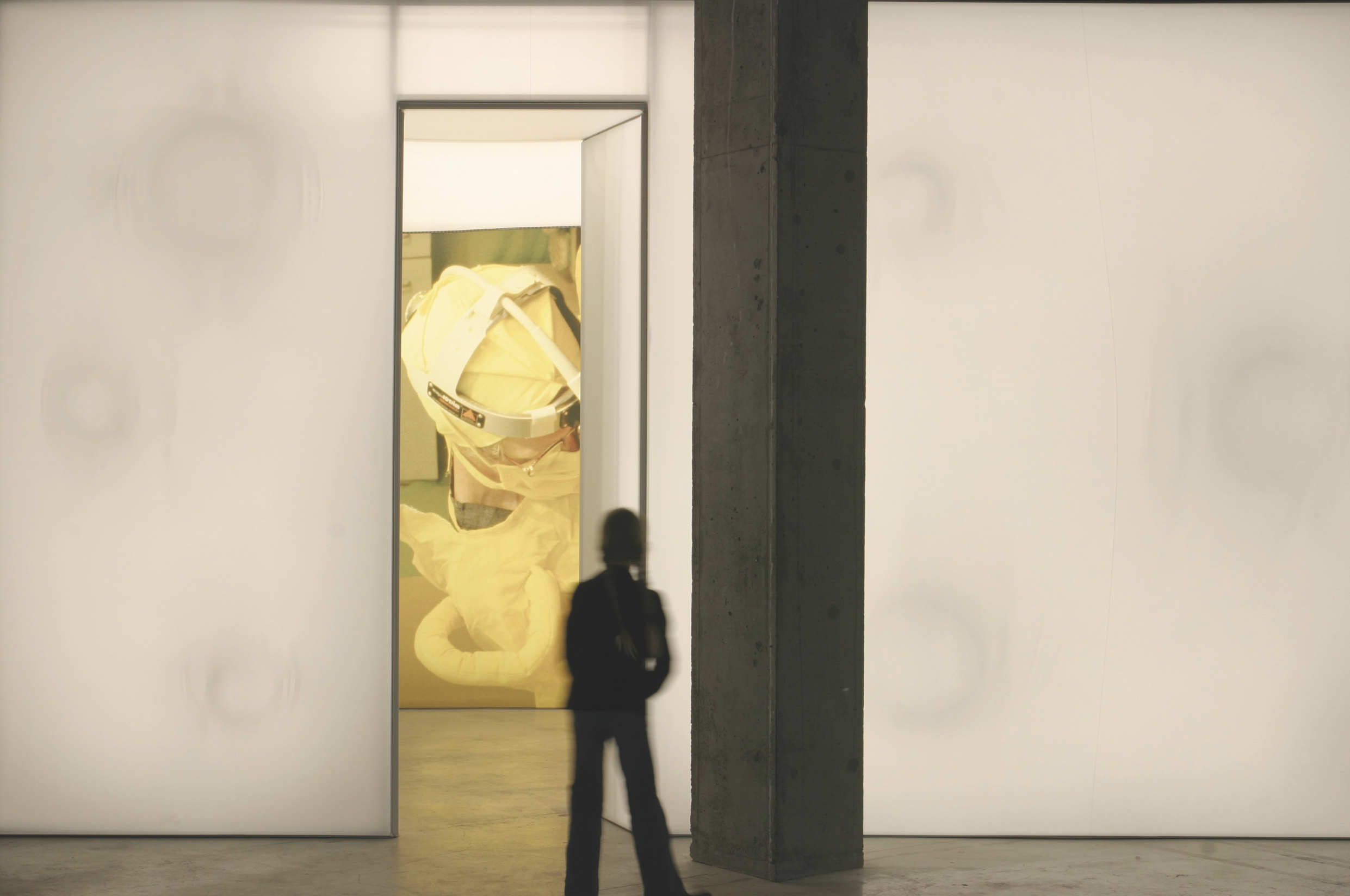
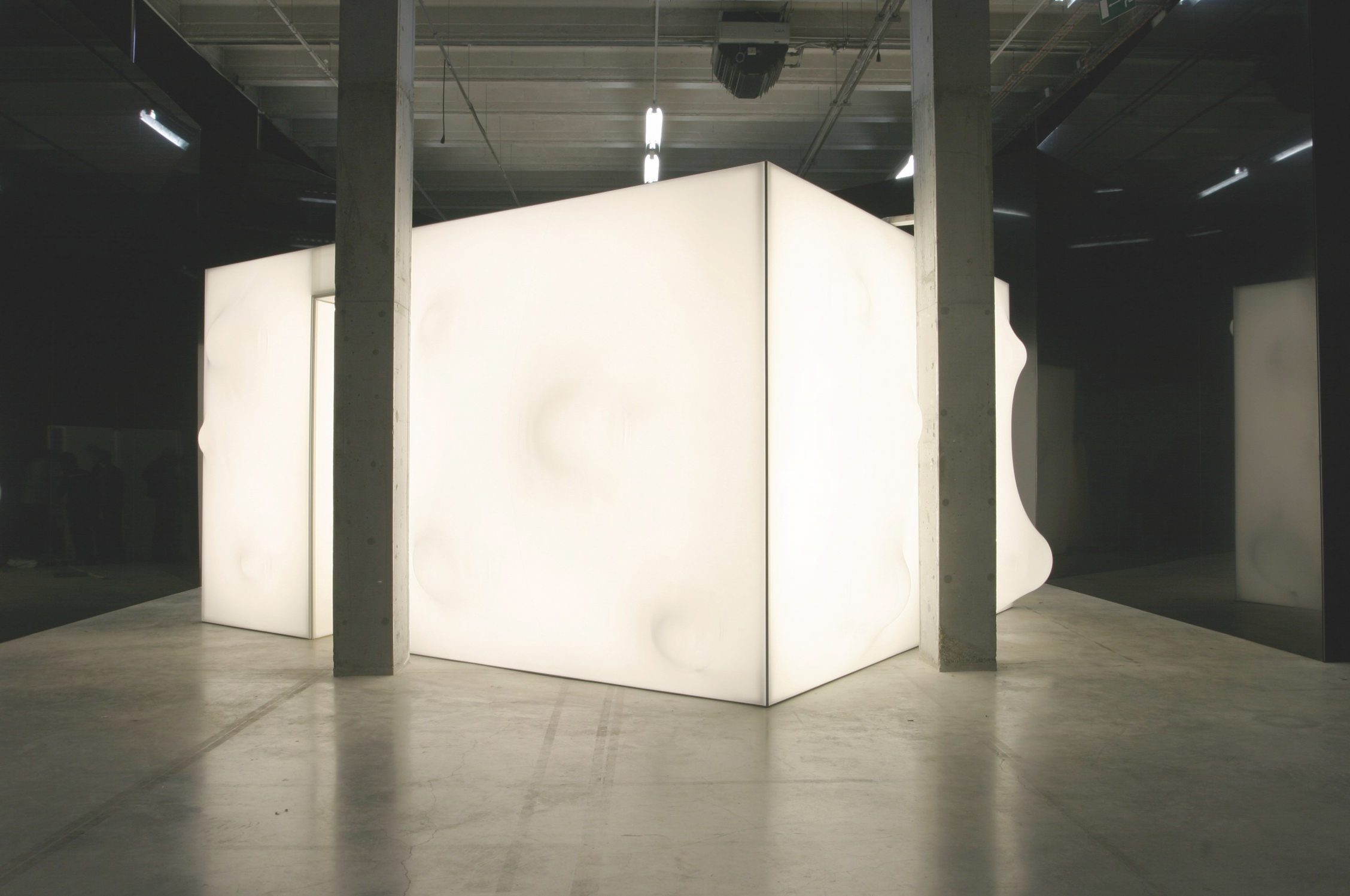
PCA-STREAM regularly initiates collaborations with creators from fields outside architecture (artists, designers, graphic designers, photographers…) in its projects, in order to develop an architectural language more permeable to contemporary culture. It’s a way of bringing otherness into its design process and enriching what it builds. For all its singularity, the project carried out with the artist Orlan is emblematic of this approach, bearing both on the conception of a work and on the way it’s produced. Pièce Lumineuse is a monumental piece—at once organic sculpture and architecture within the exhibition space. The two disciplines made it possible to marry creative, malleable form with a command of space, through the search for new materials.
Giving spatial form to an artistic practice
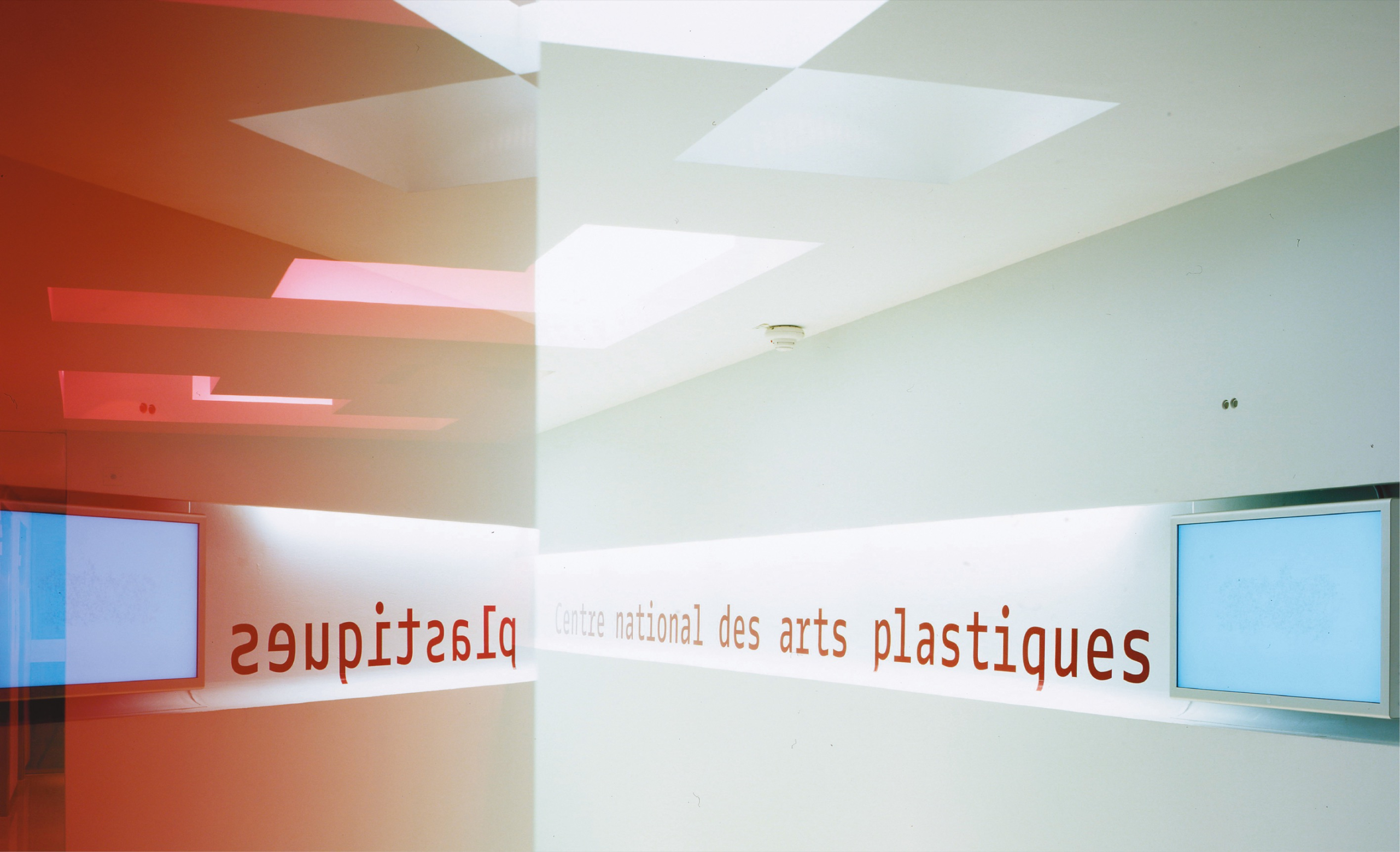
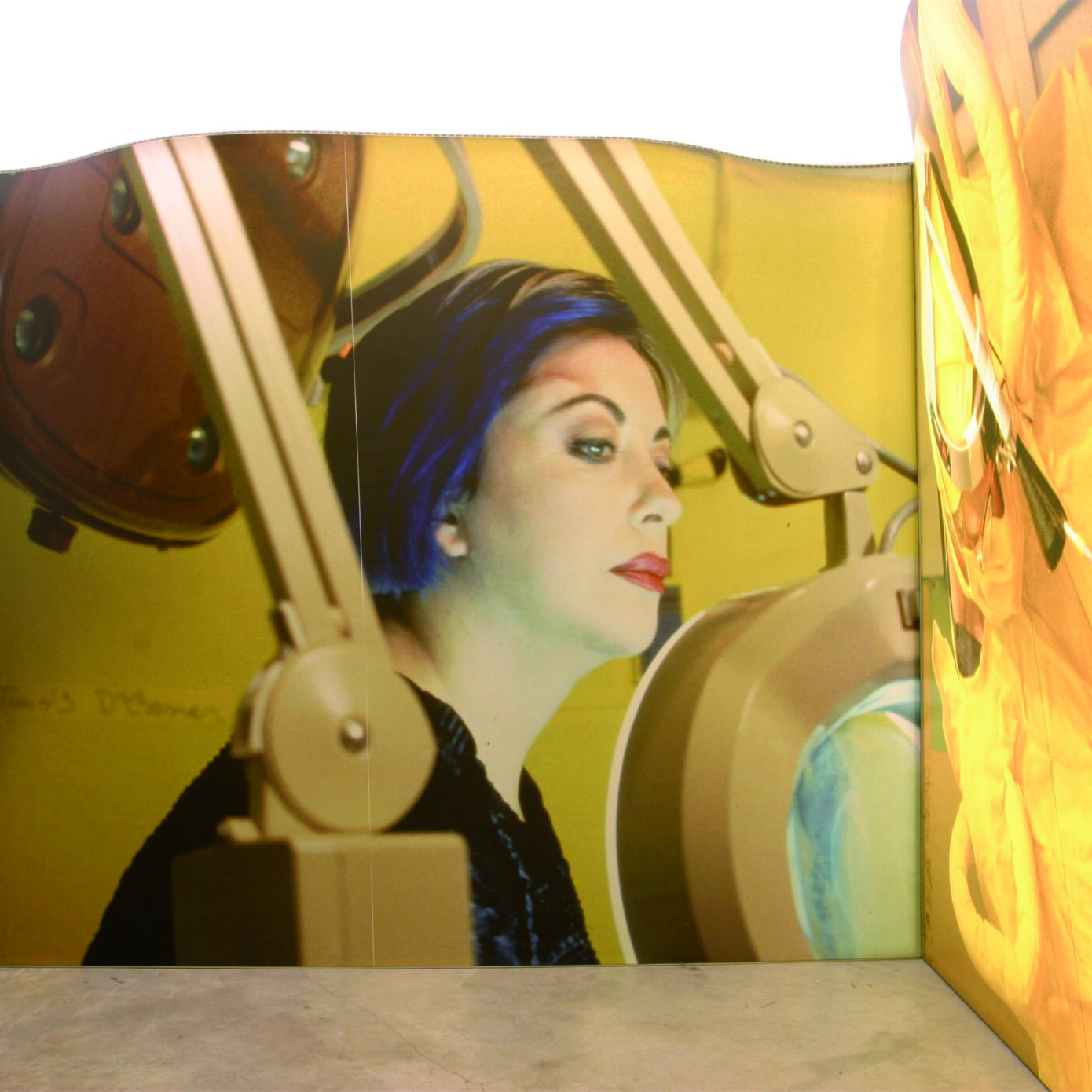
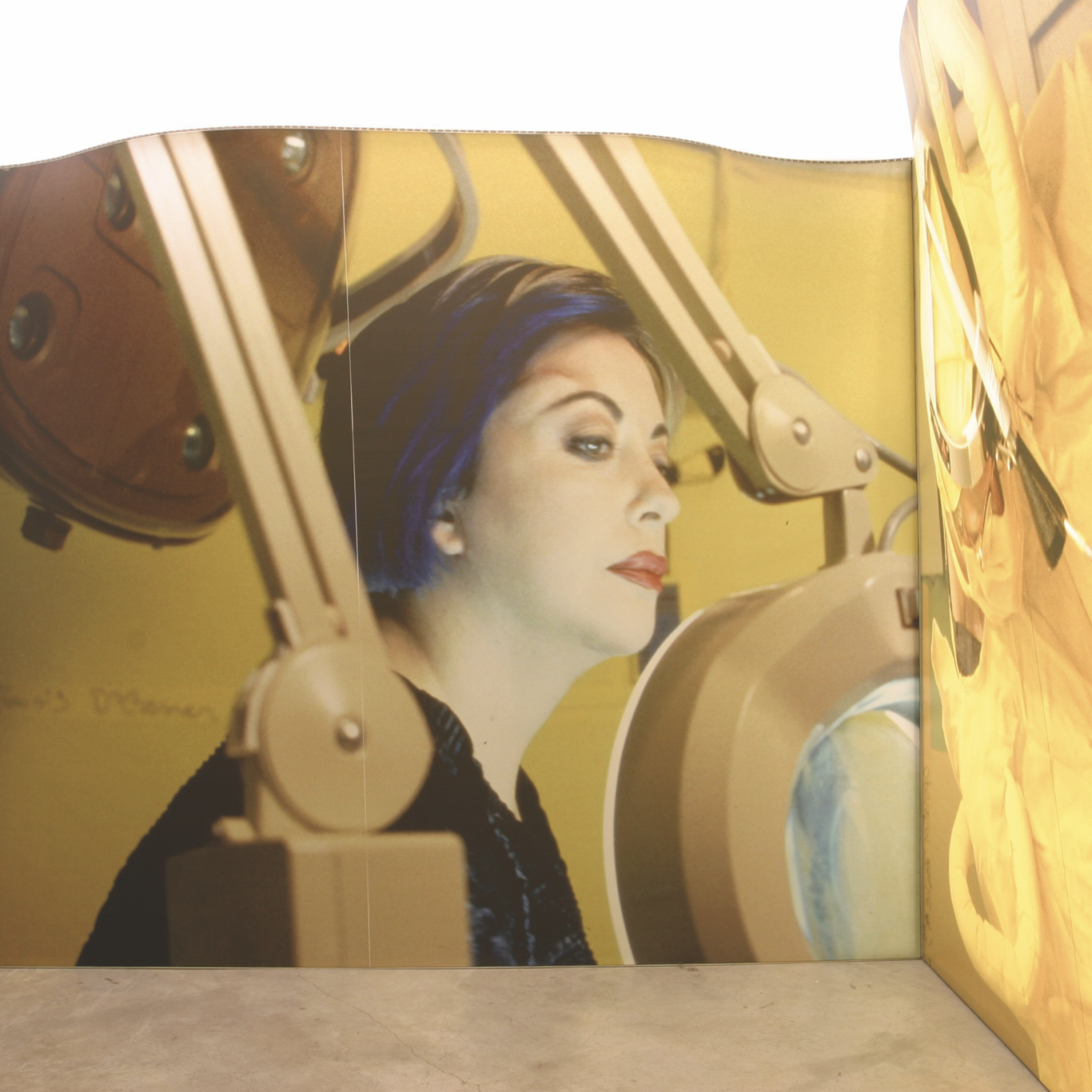
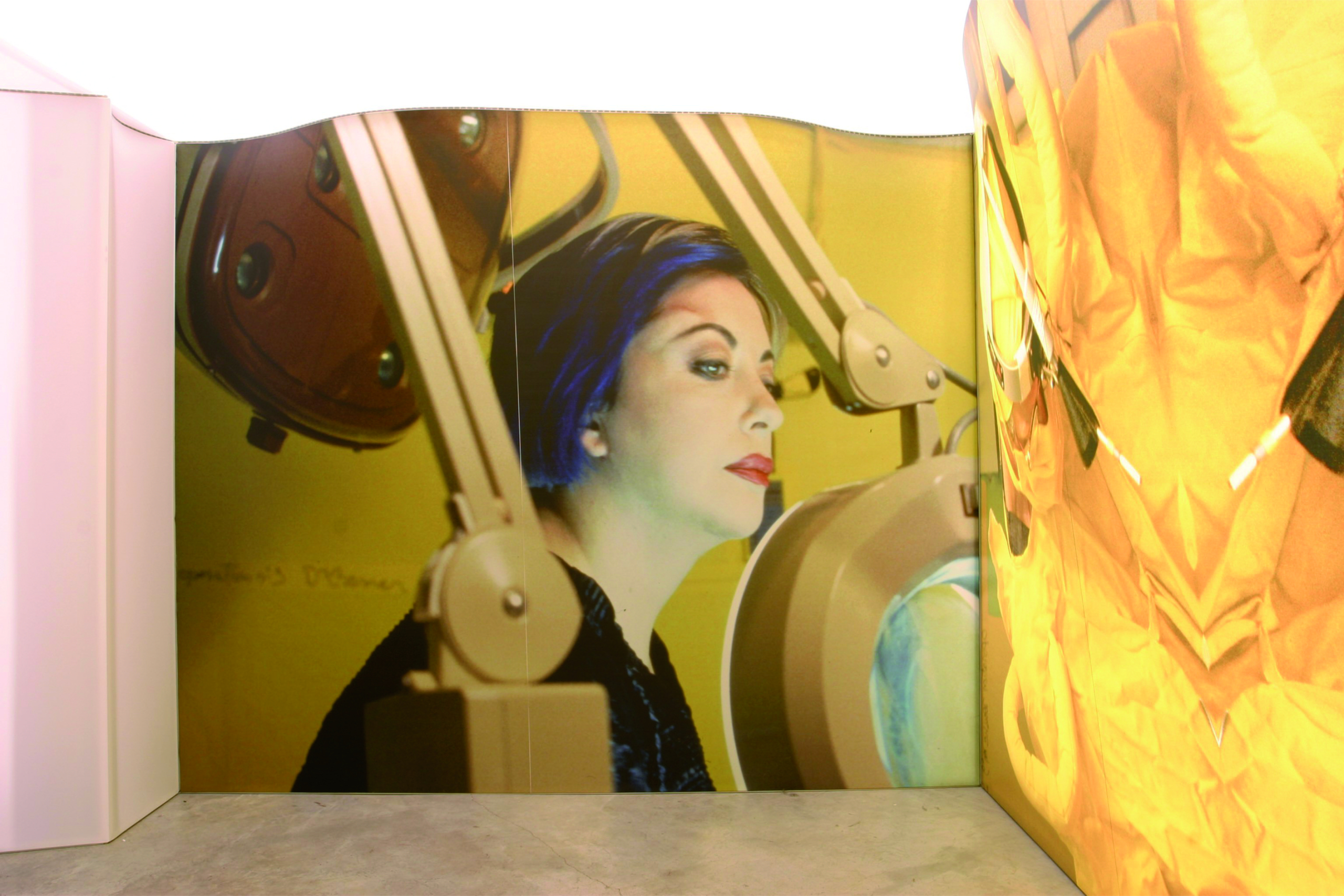
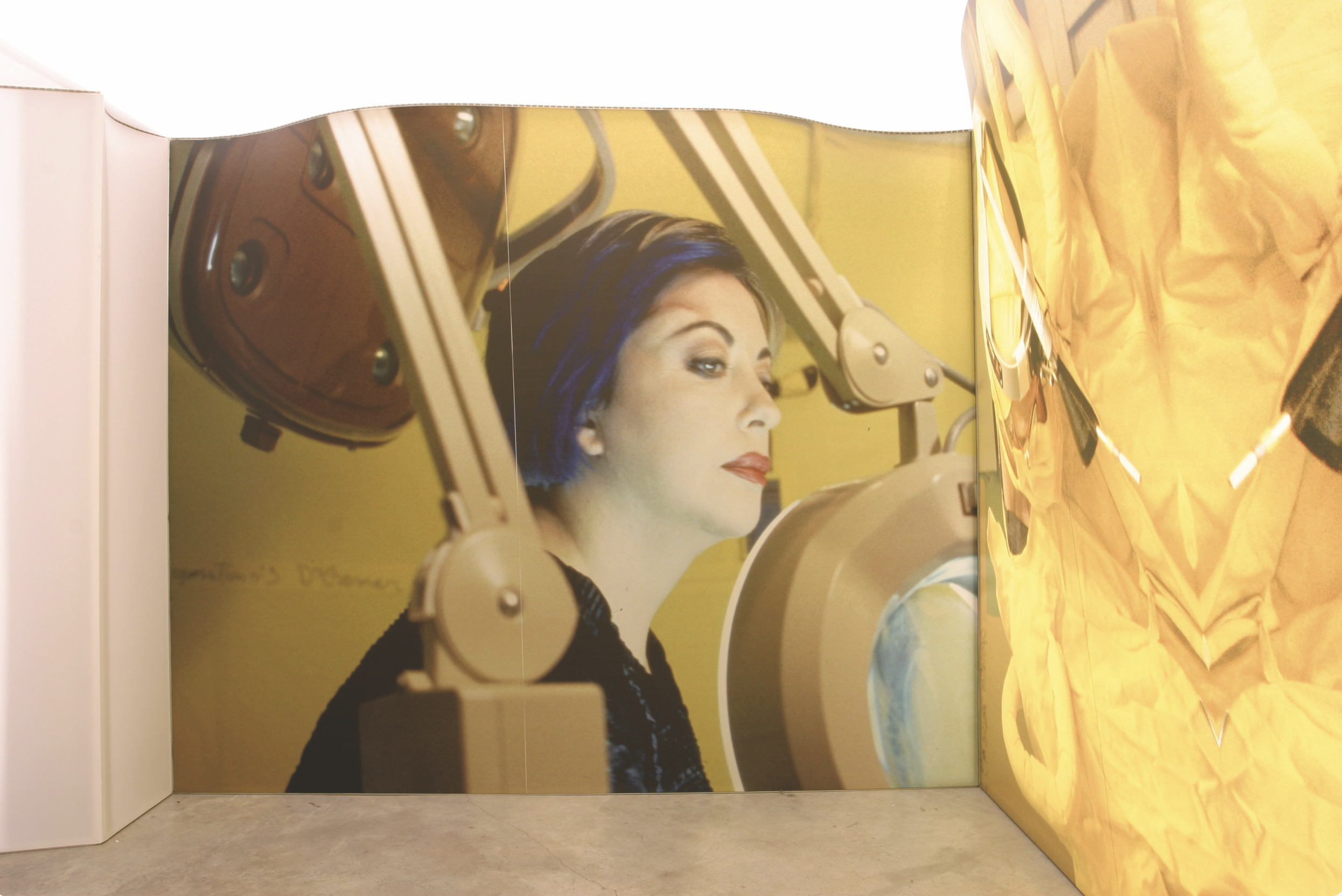
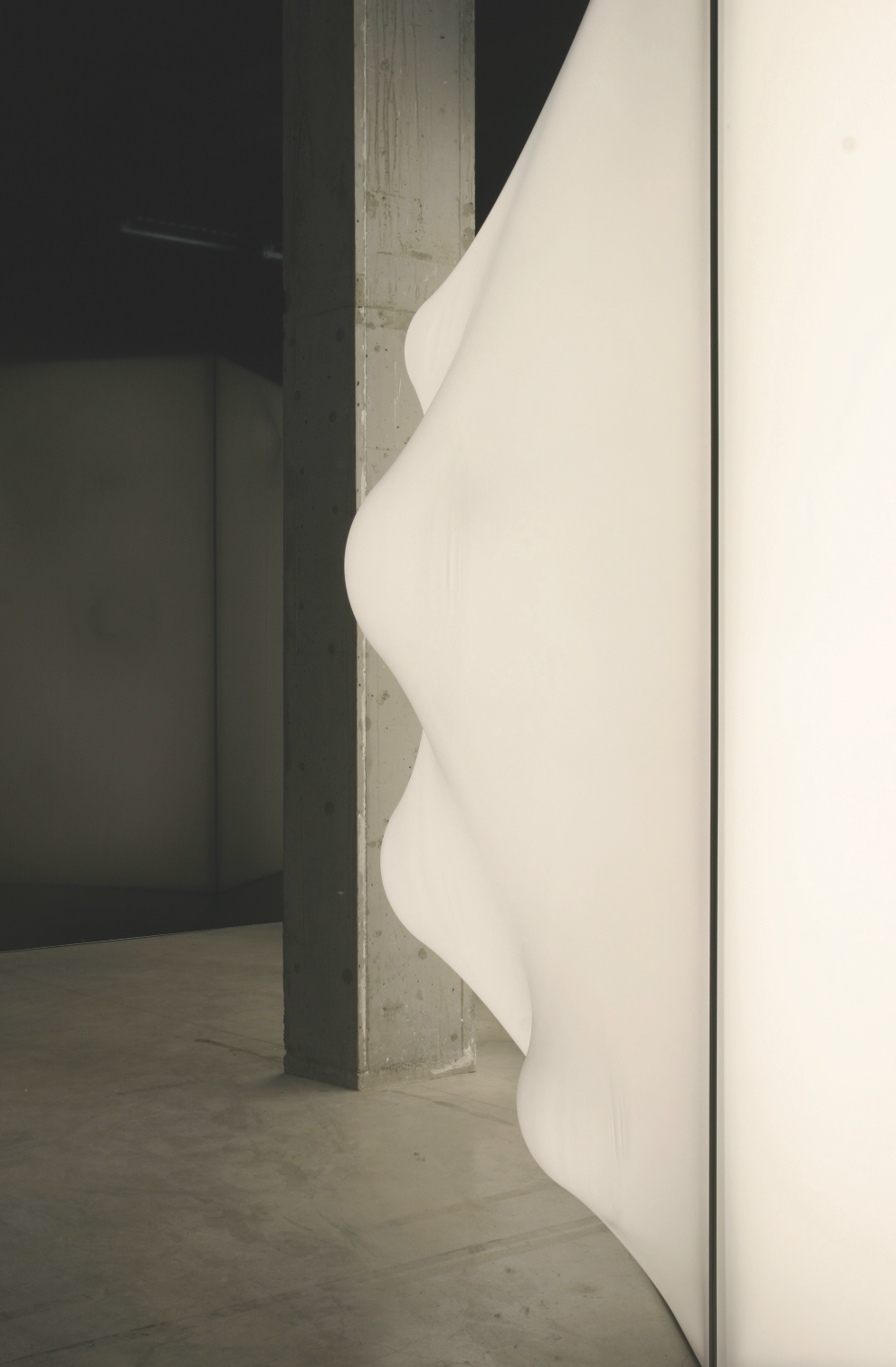
Orlan, who conceived the idea of “carnal art,” is known worldwide for a series of performances staged between 1990 and 1993 in which the operating room became a genuine theatre, thrown open to her creative desires. There, the surgical act ventured onto uncharted ground, the artist’s own face supplying the material for high-risk experiments in which, through spectacular dramaturgy, she declared loud and clear that her body belonged to her. Pièce Lumineuse is a kind of culmination of those extreme moments. A supple, physically moldable space, an irradiating white light, the spectacular images drawn from her 1993 surgical performances—everything here recalls the sterility of the operating room and the sharp unreality of those moments. Barrisol, a flexible and translucent material, made it possible to work on form, image and light all at once, meeting both the architect’s preoccupations with building supple volumes and the artist’s with the artistic deformation of the body. It becomes, all at the same time, sensual skin, abstract light and architectural matter.
Artistic otherness as a way of looking ahead
PCA-STREAM holds the conviction that artists, by virtue of their freedom, form an avant-garde of our relationship to the world. Watching their experiments, their sensations and their readings of things closely thus becomes both necessary and instructive. To grasp a reality that grows ever more complex and fluid, to try to understand the world of tomorrow and act upon it, one has to question oneself, to stay in the stance of an explorer—not least by paying attention to the signals these artists send. Orlan’s work on the metamorphosis of the body—here, the deformations of skin during her surgical performances—resonates with work on the outer envelope of a building, one of the major challenges of contemporary architecture, freed from functionalist dogma by digital design tools and new materials that allow an unprecedented formal freedom.