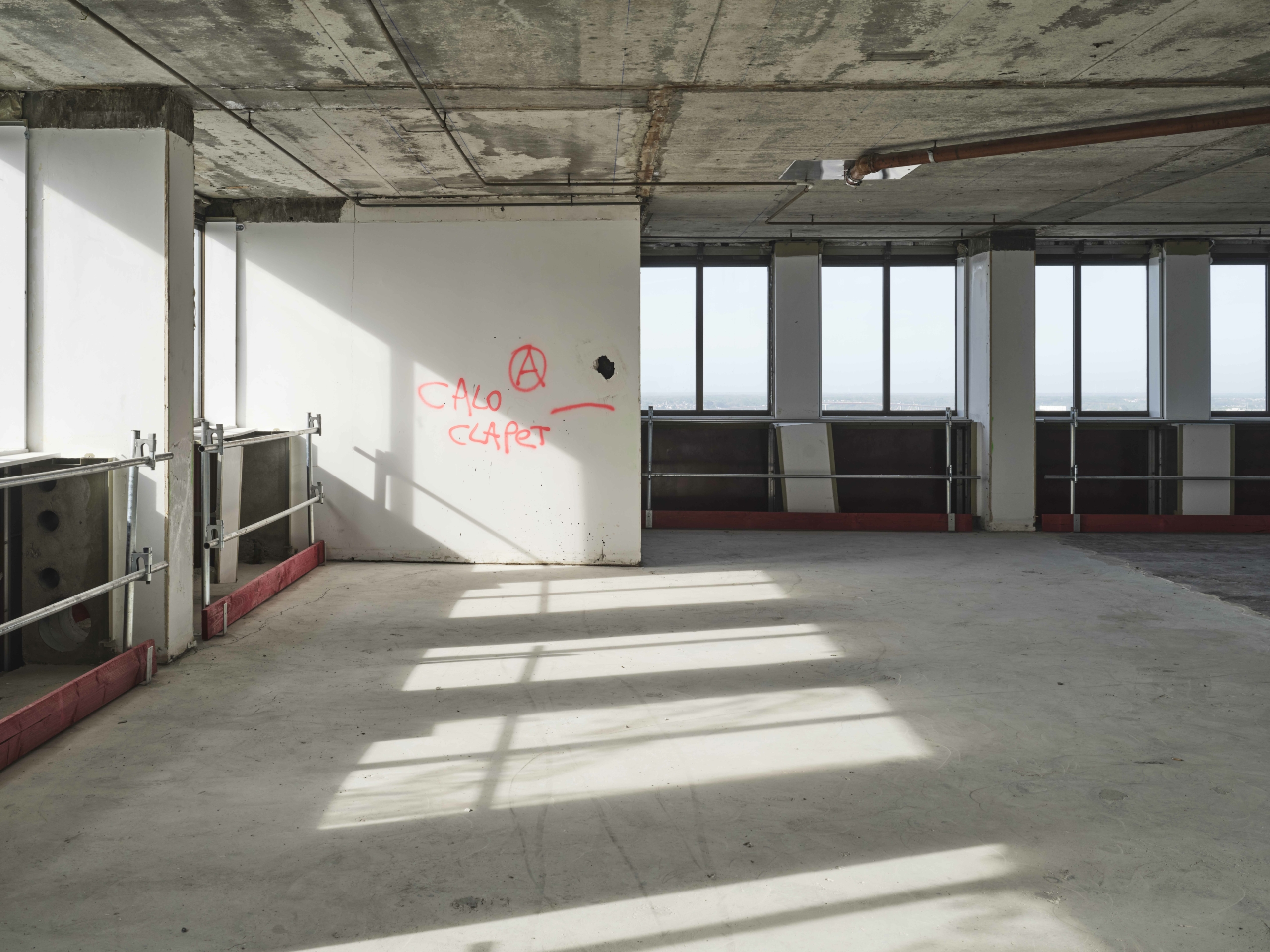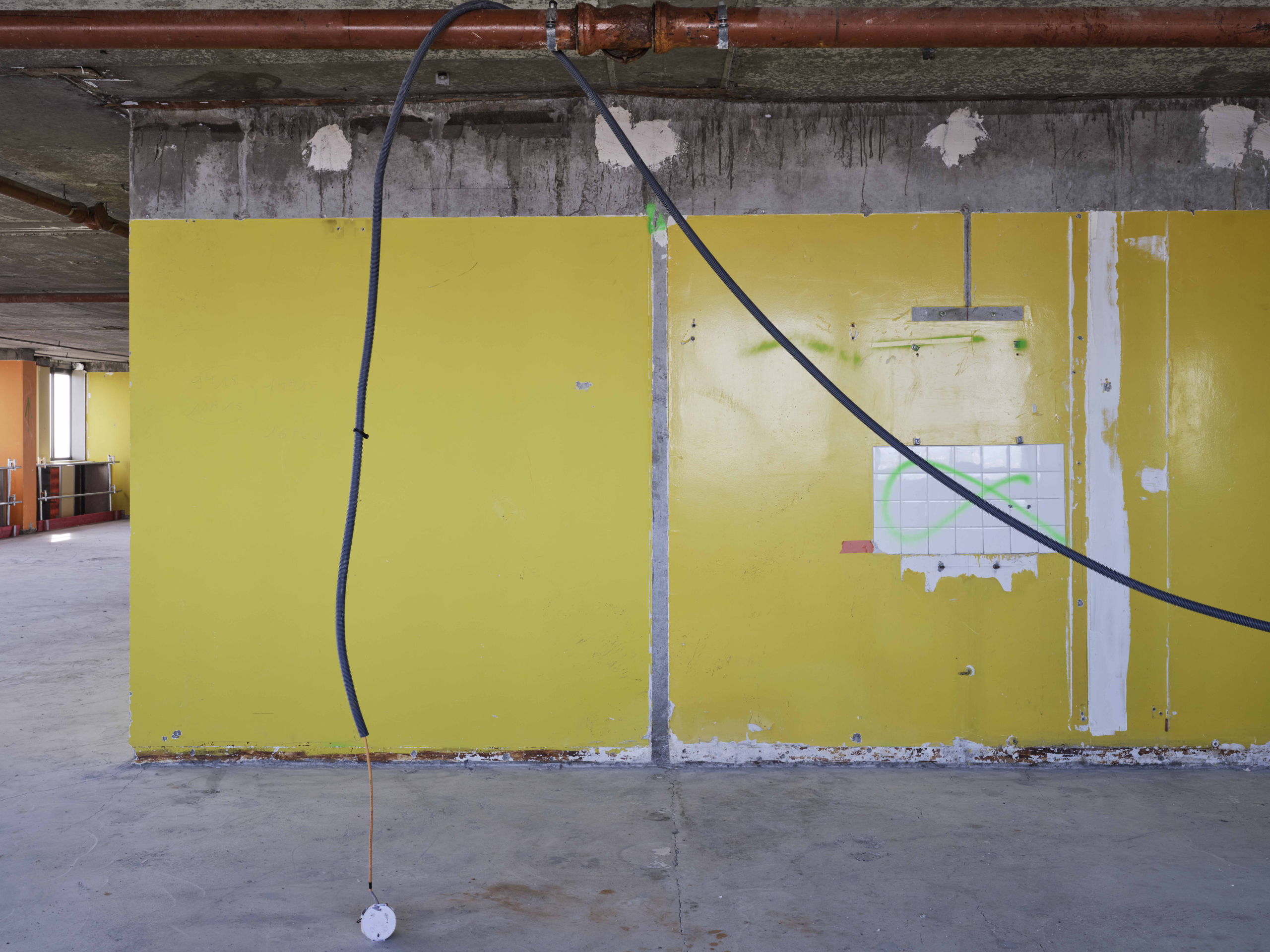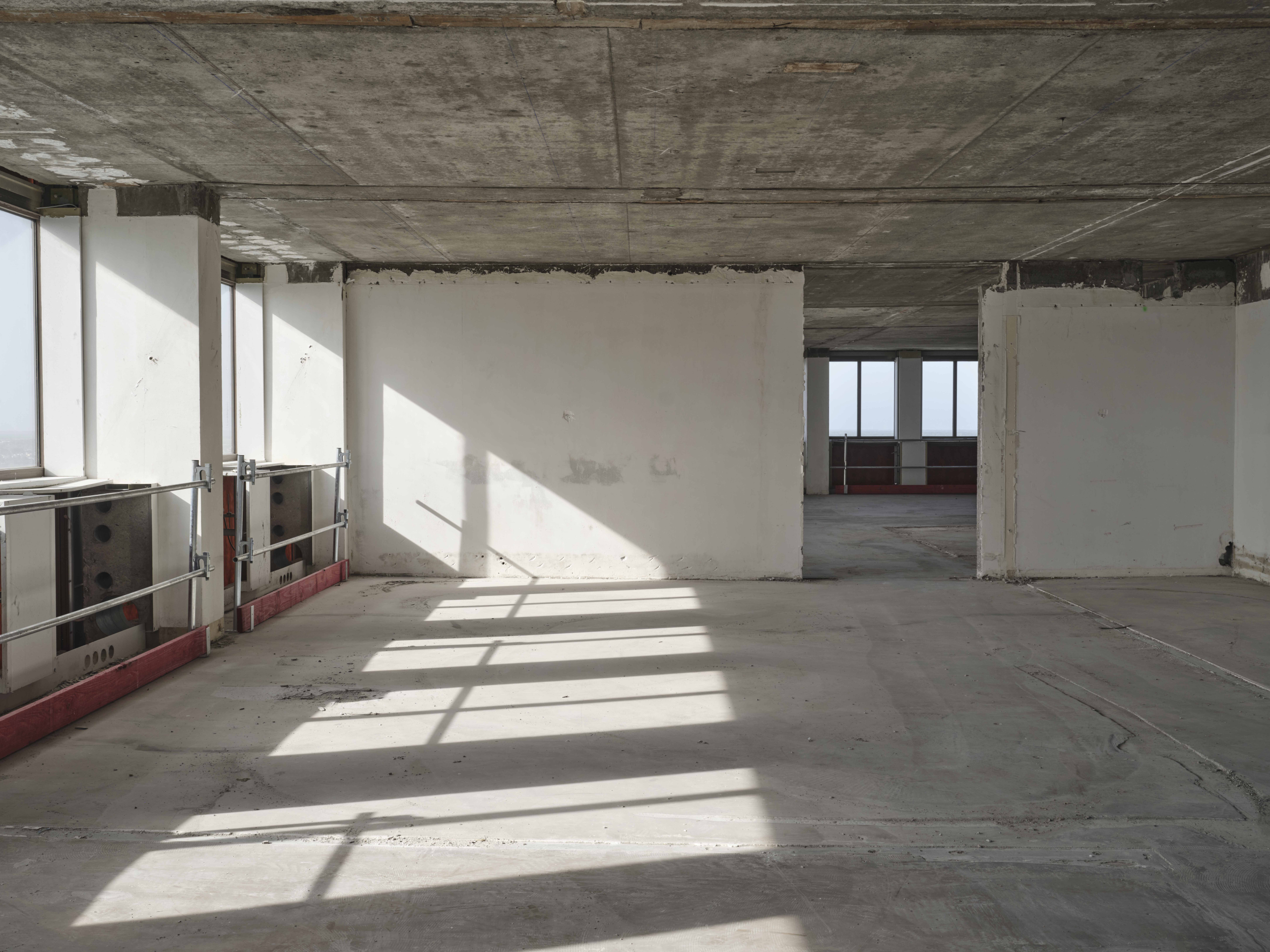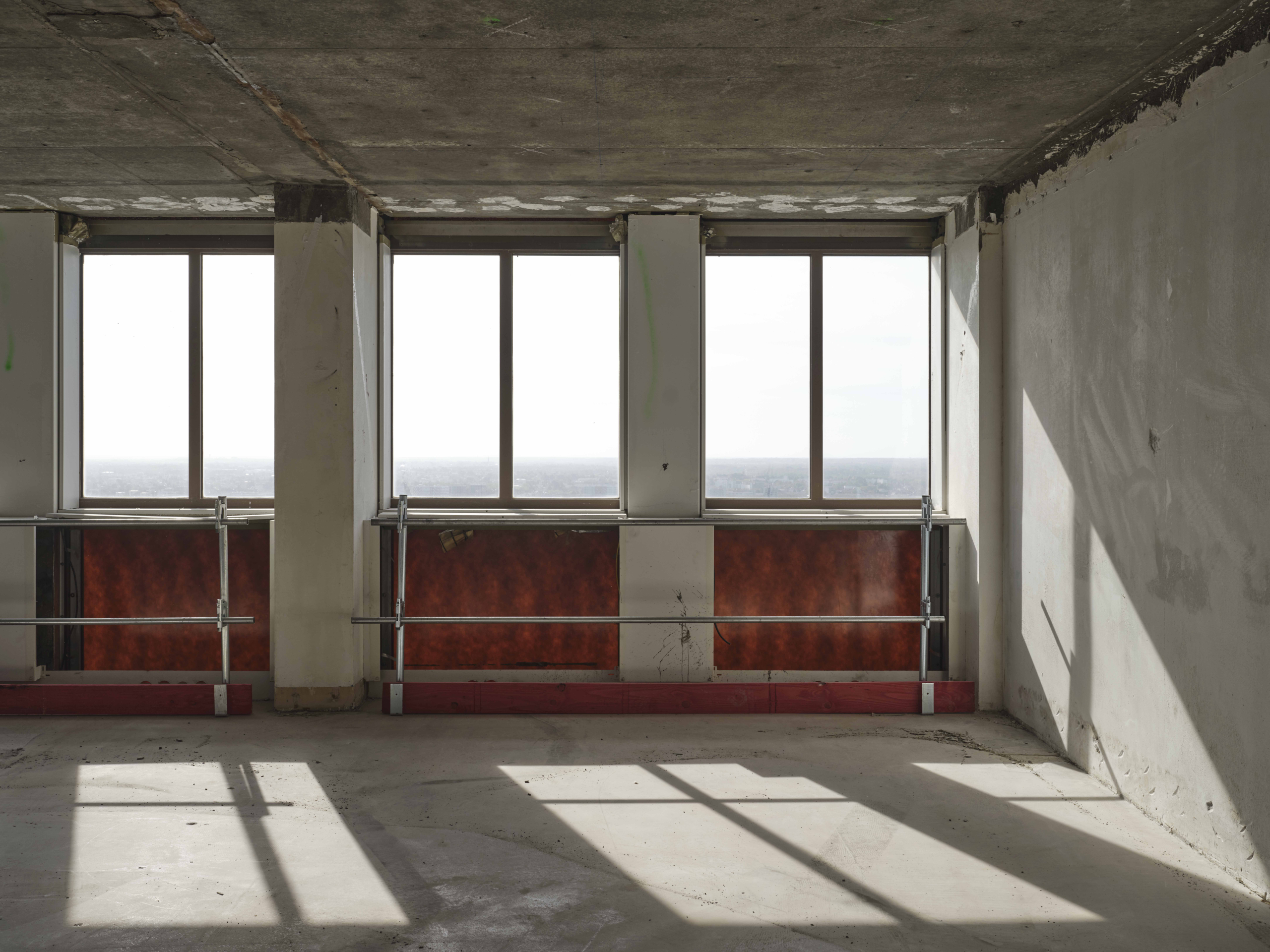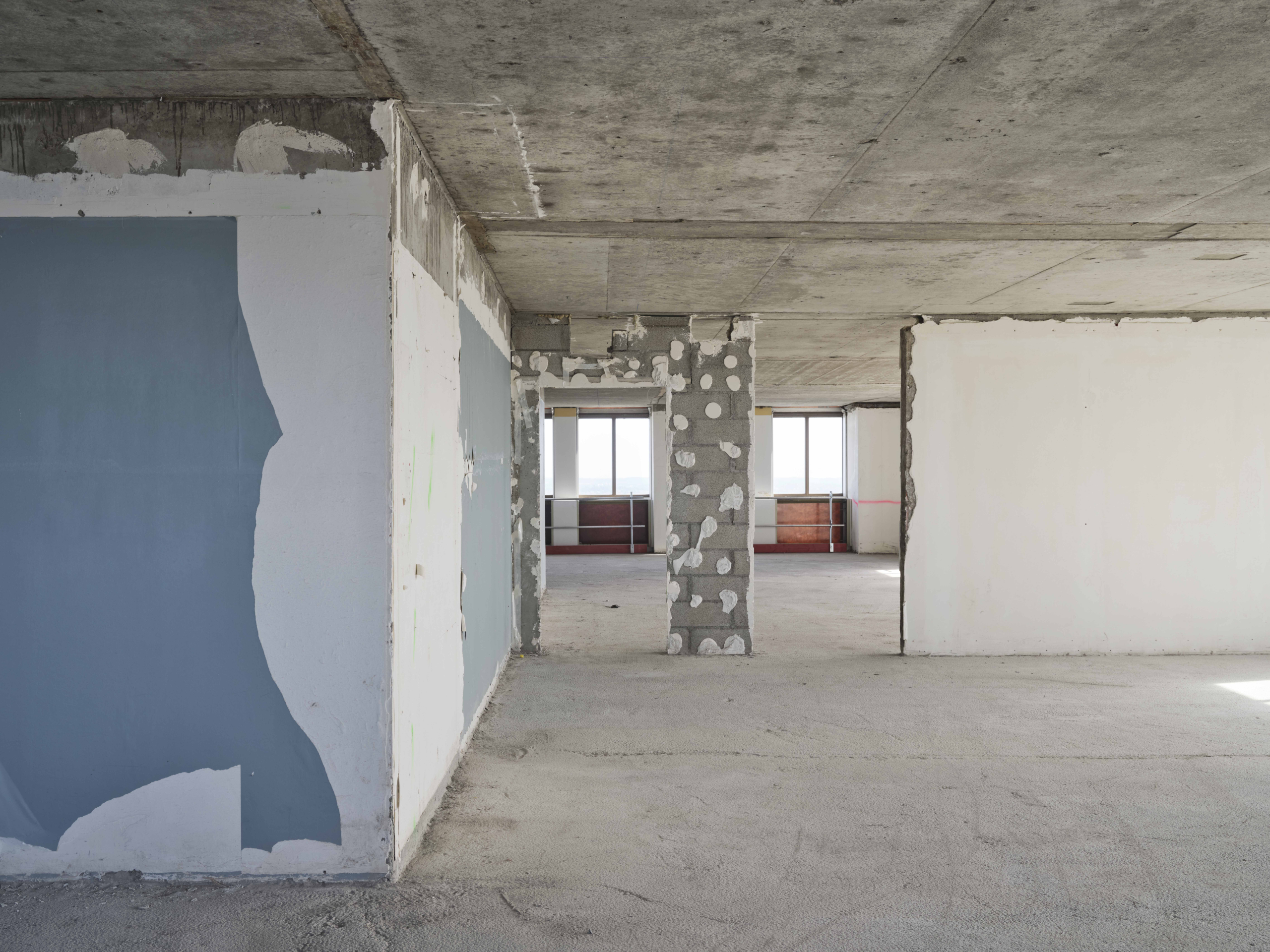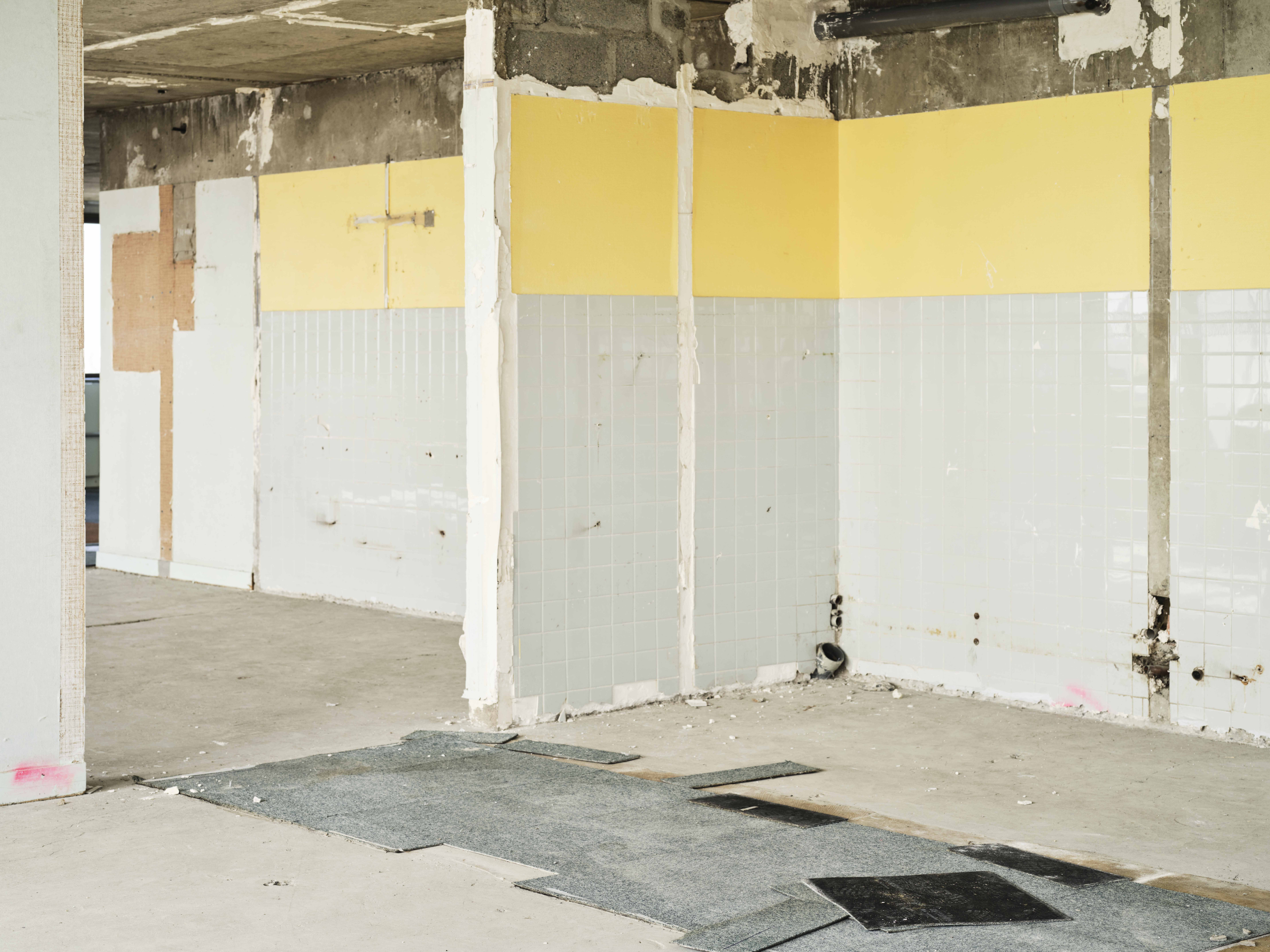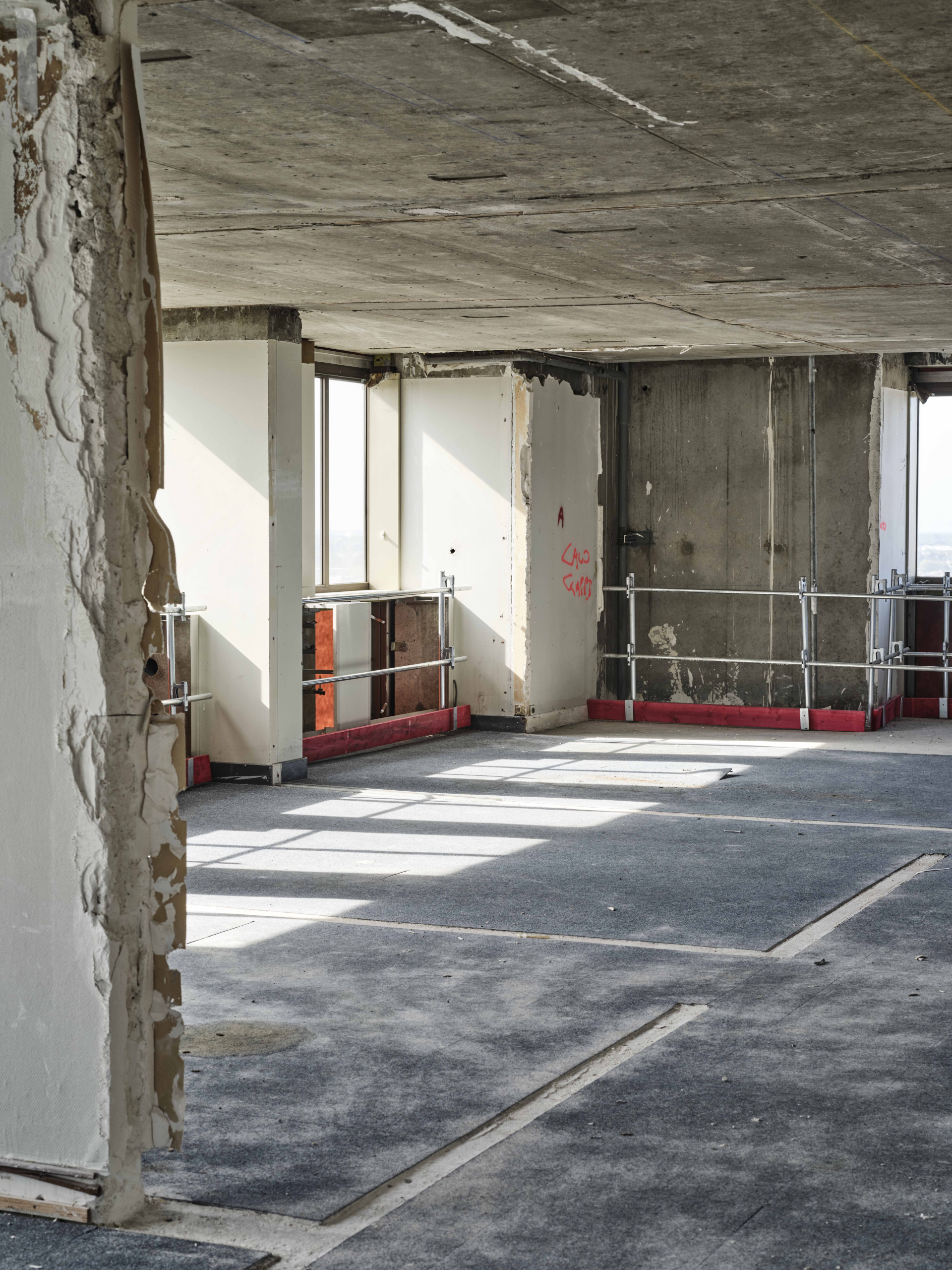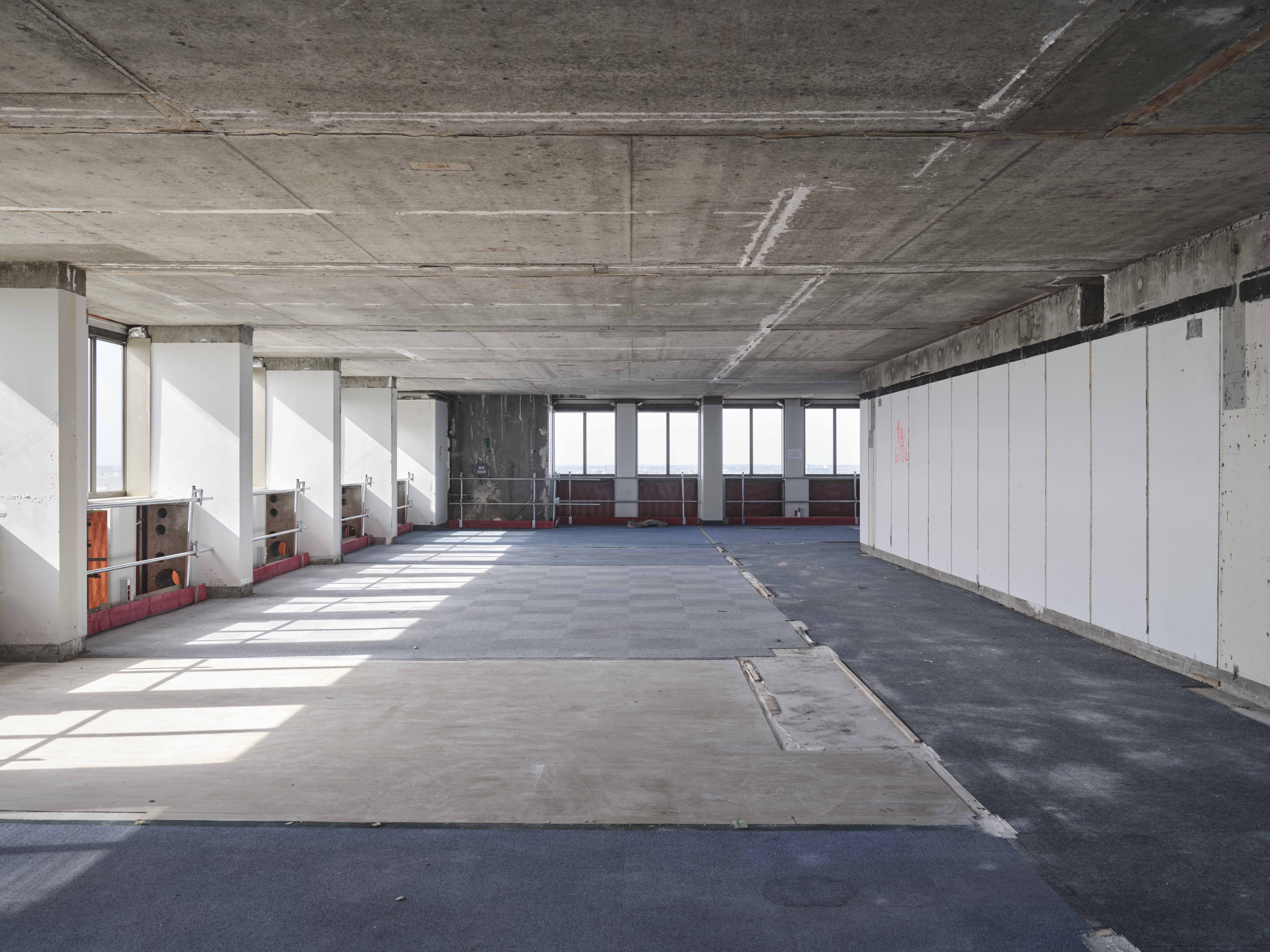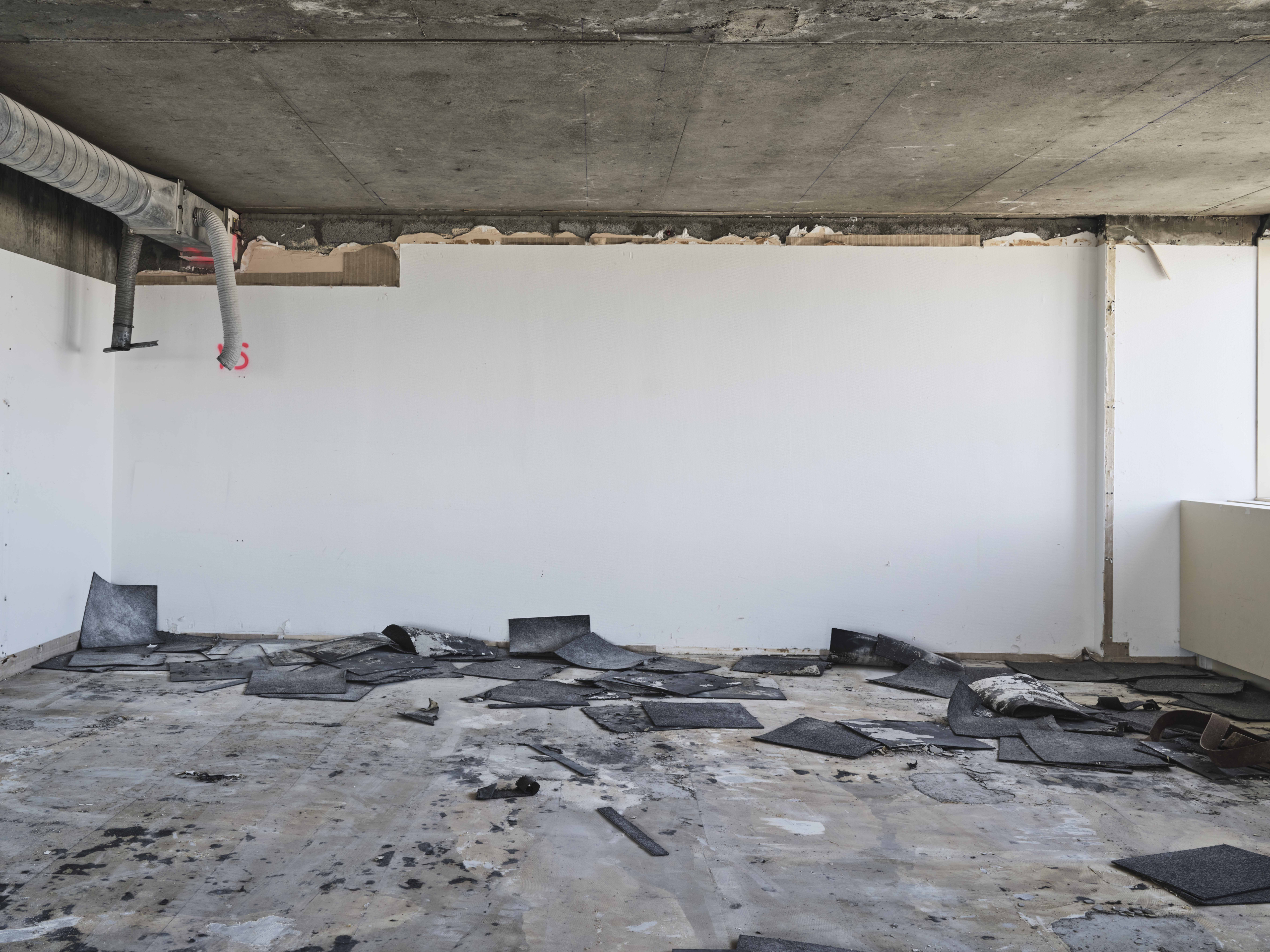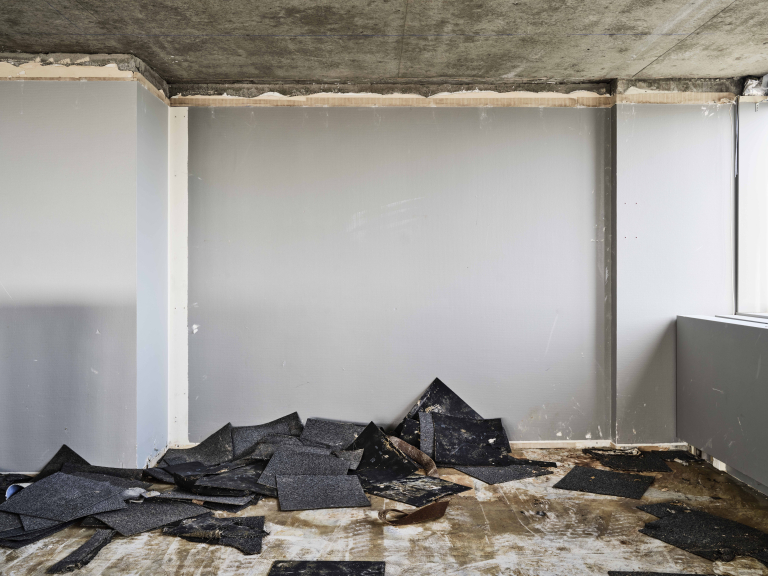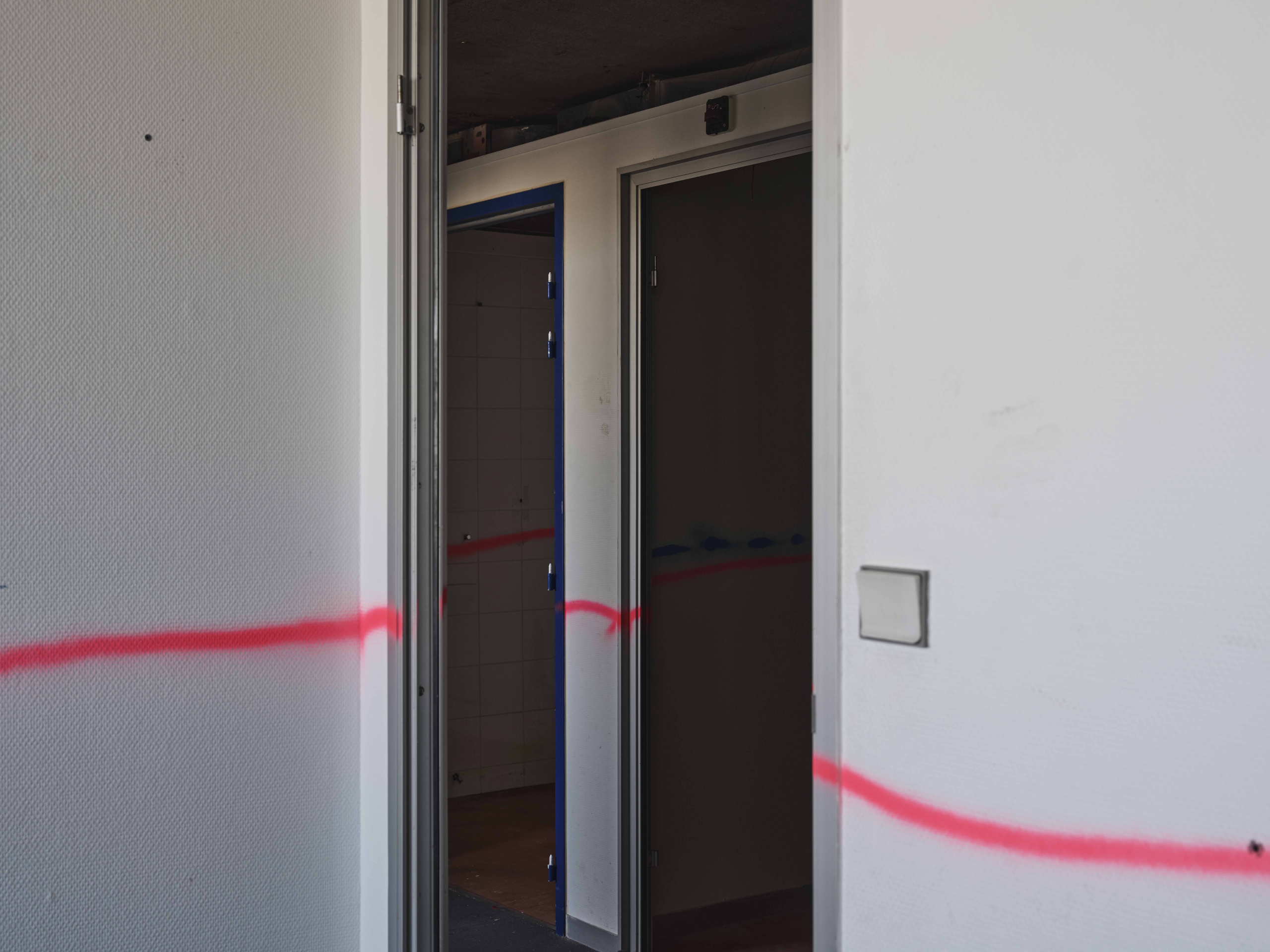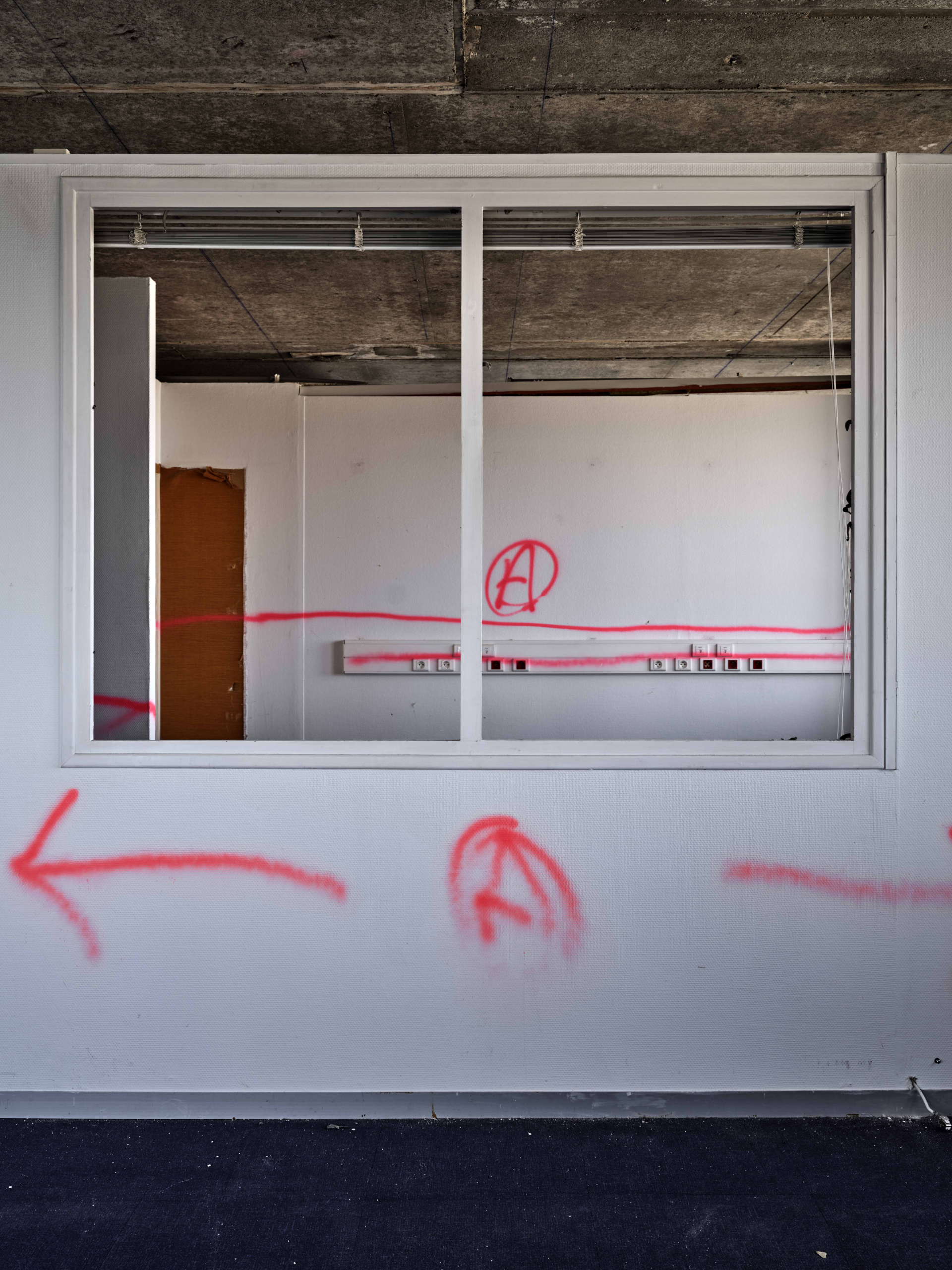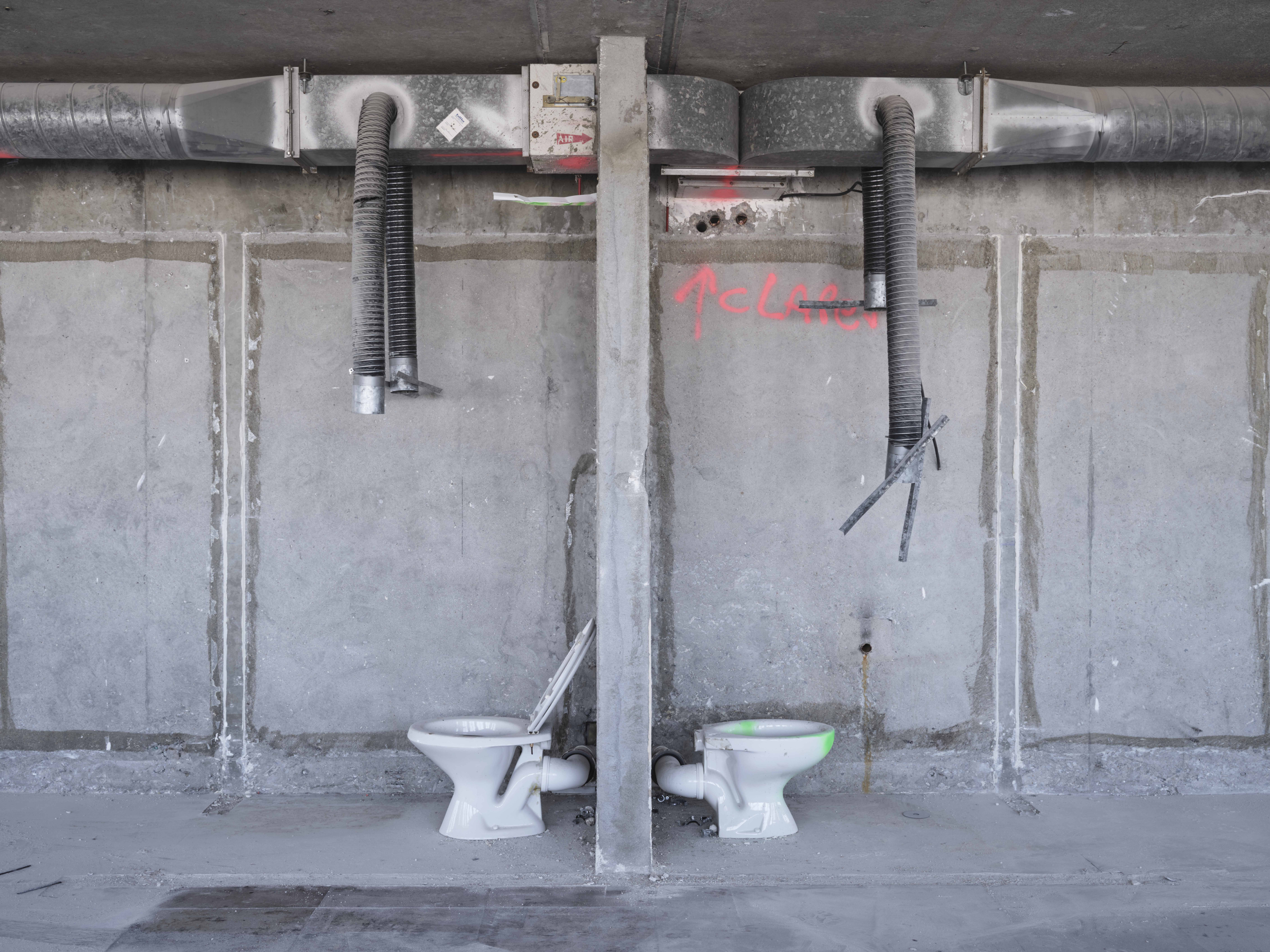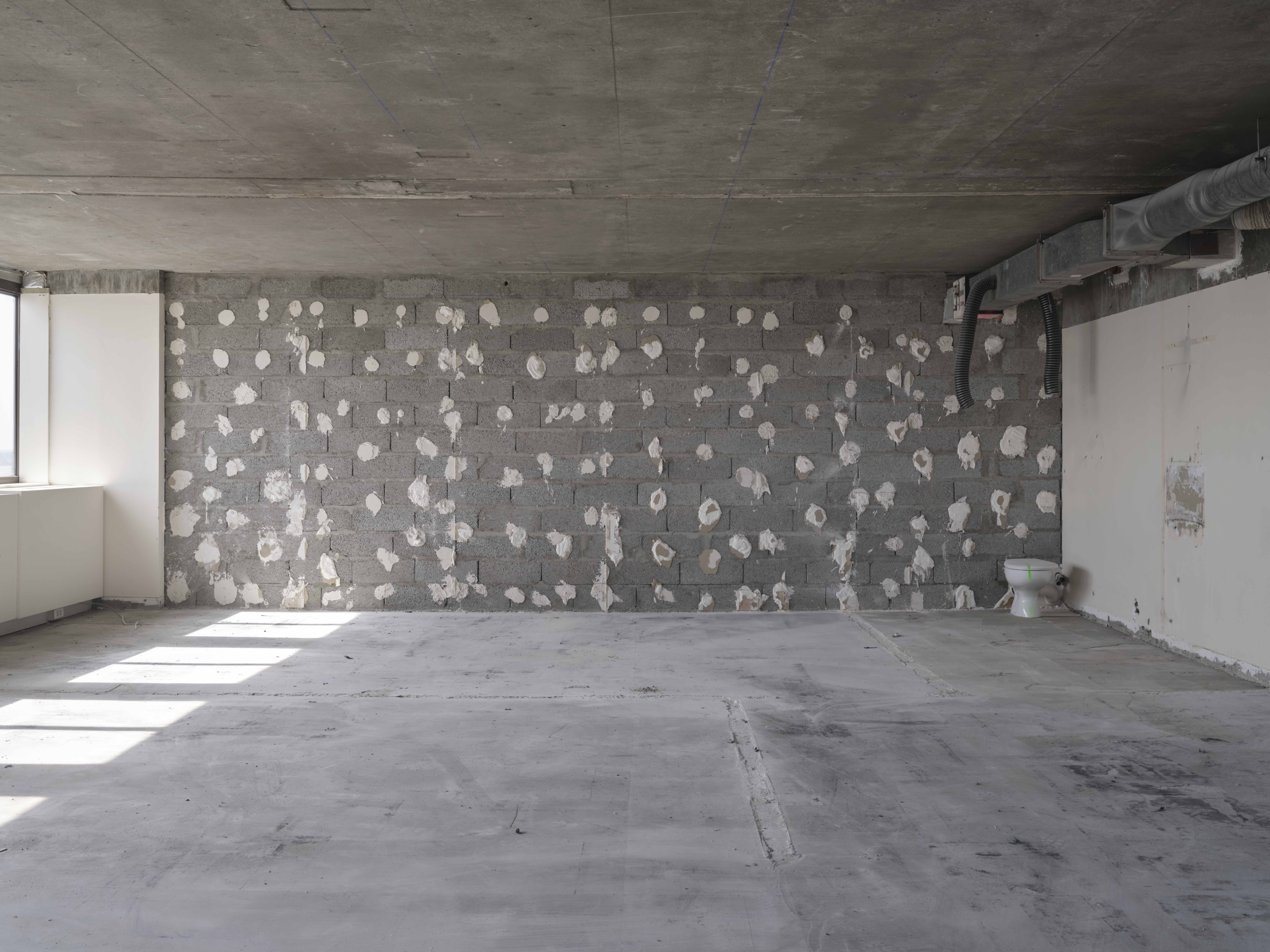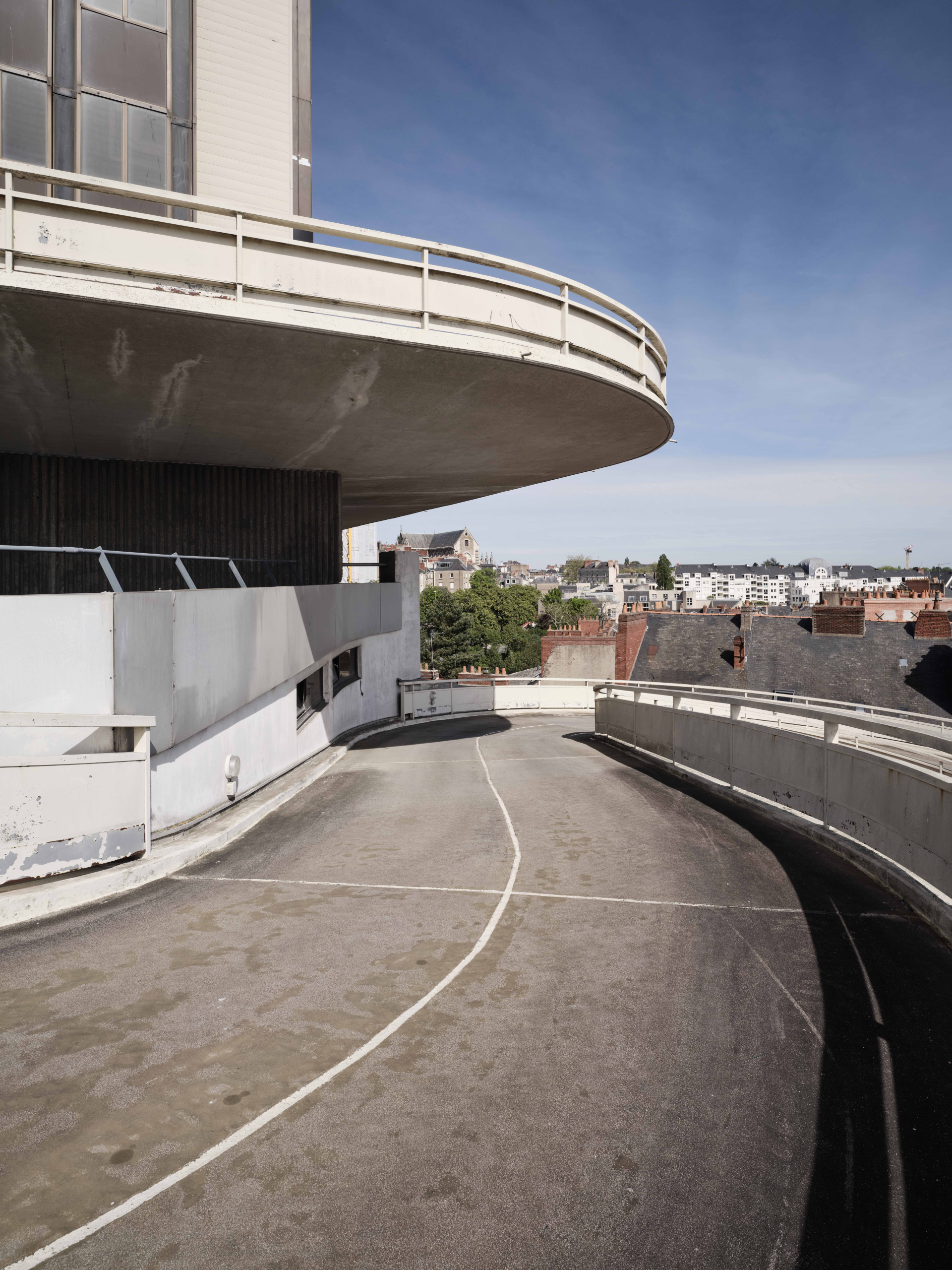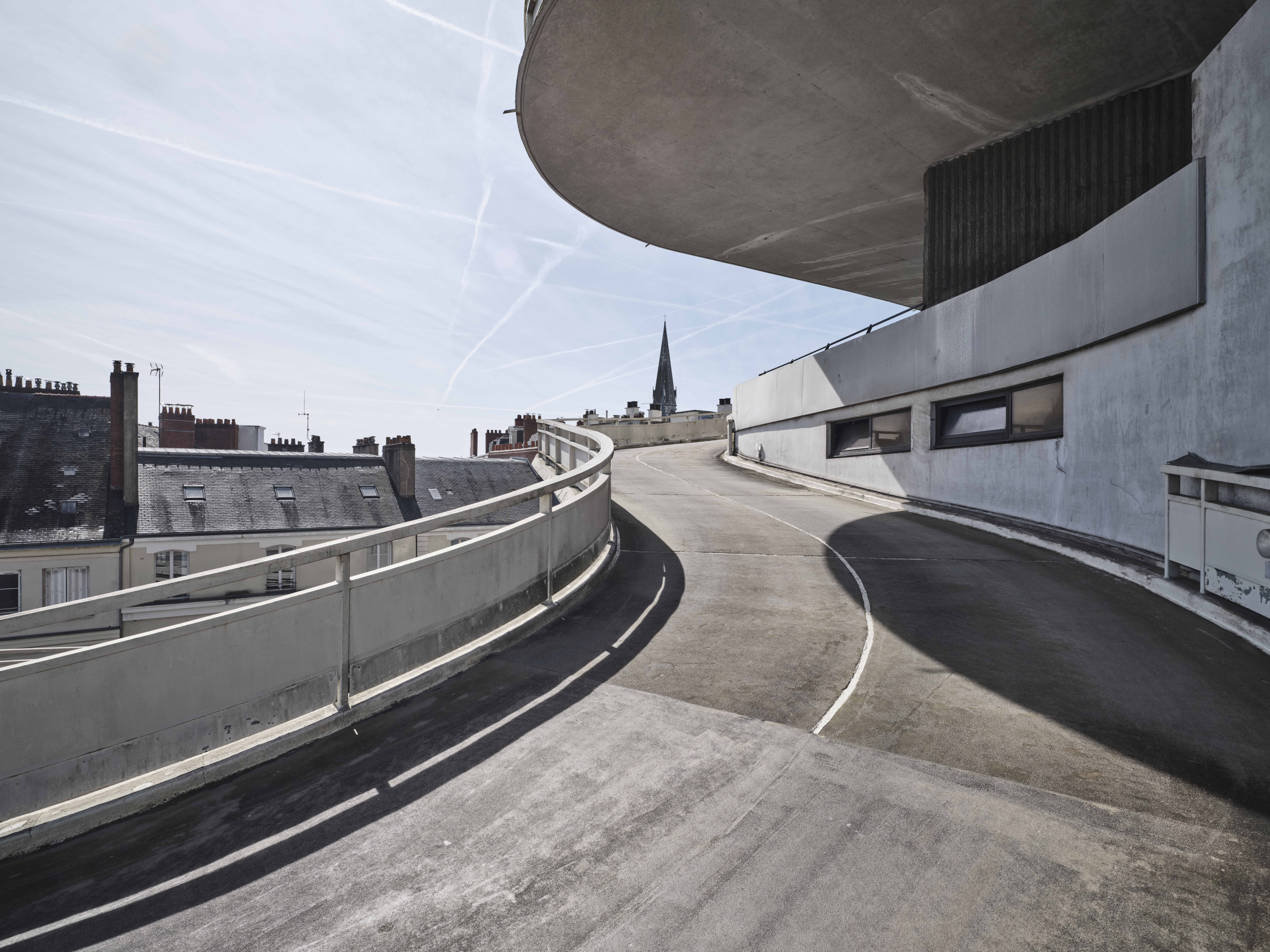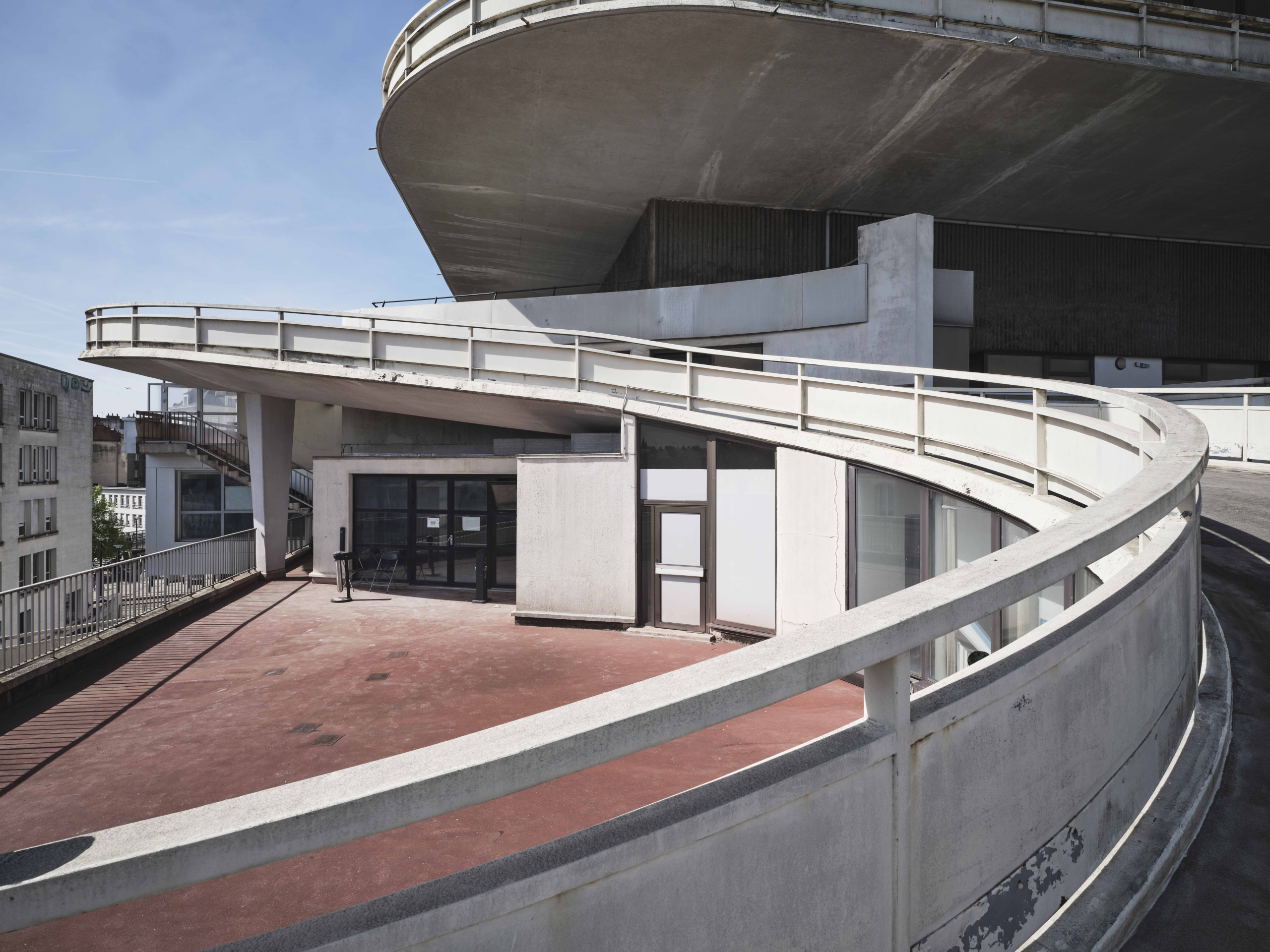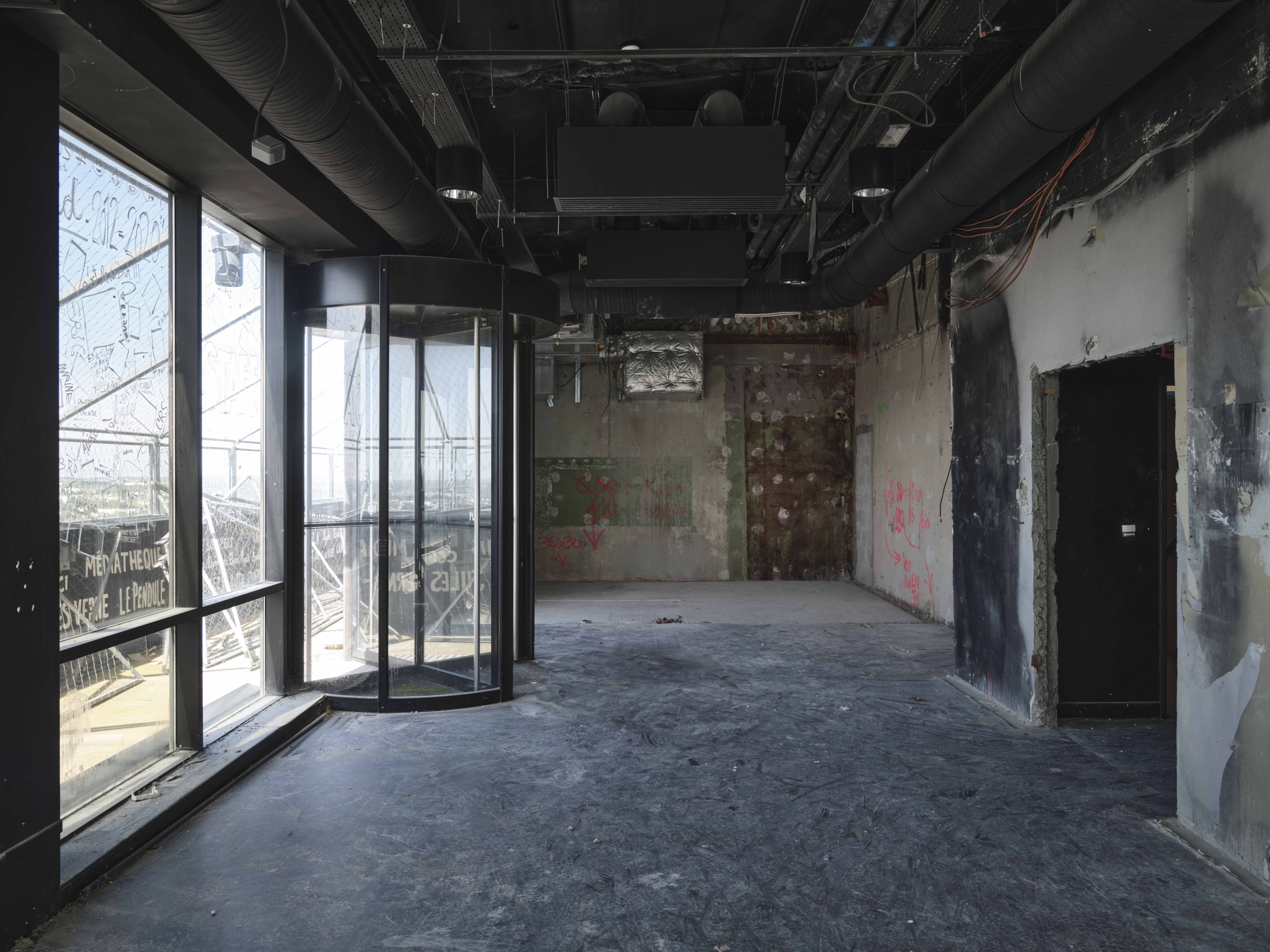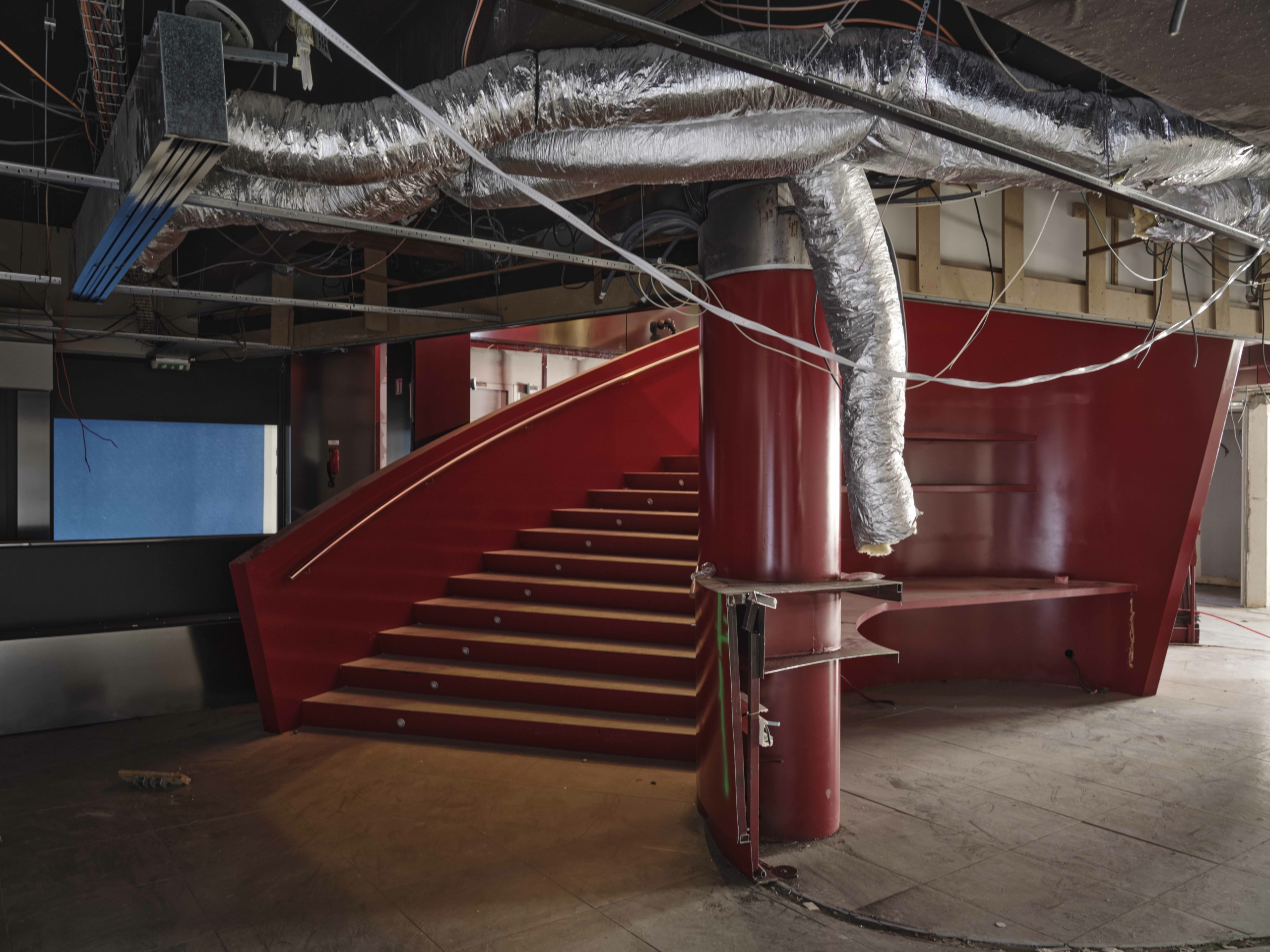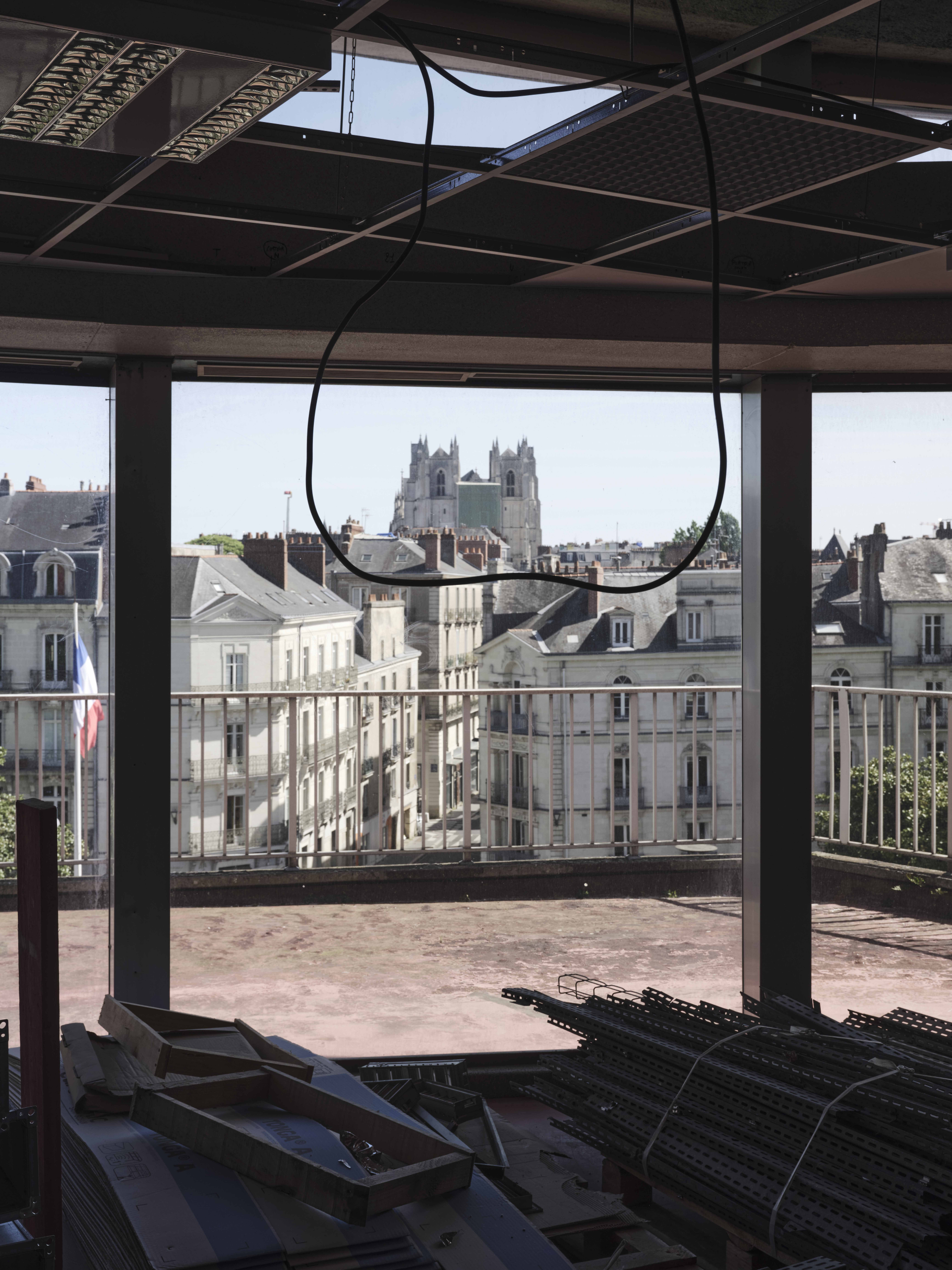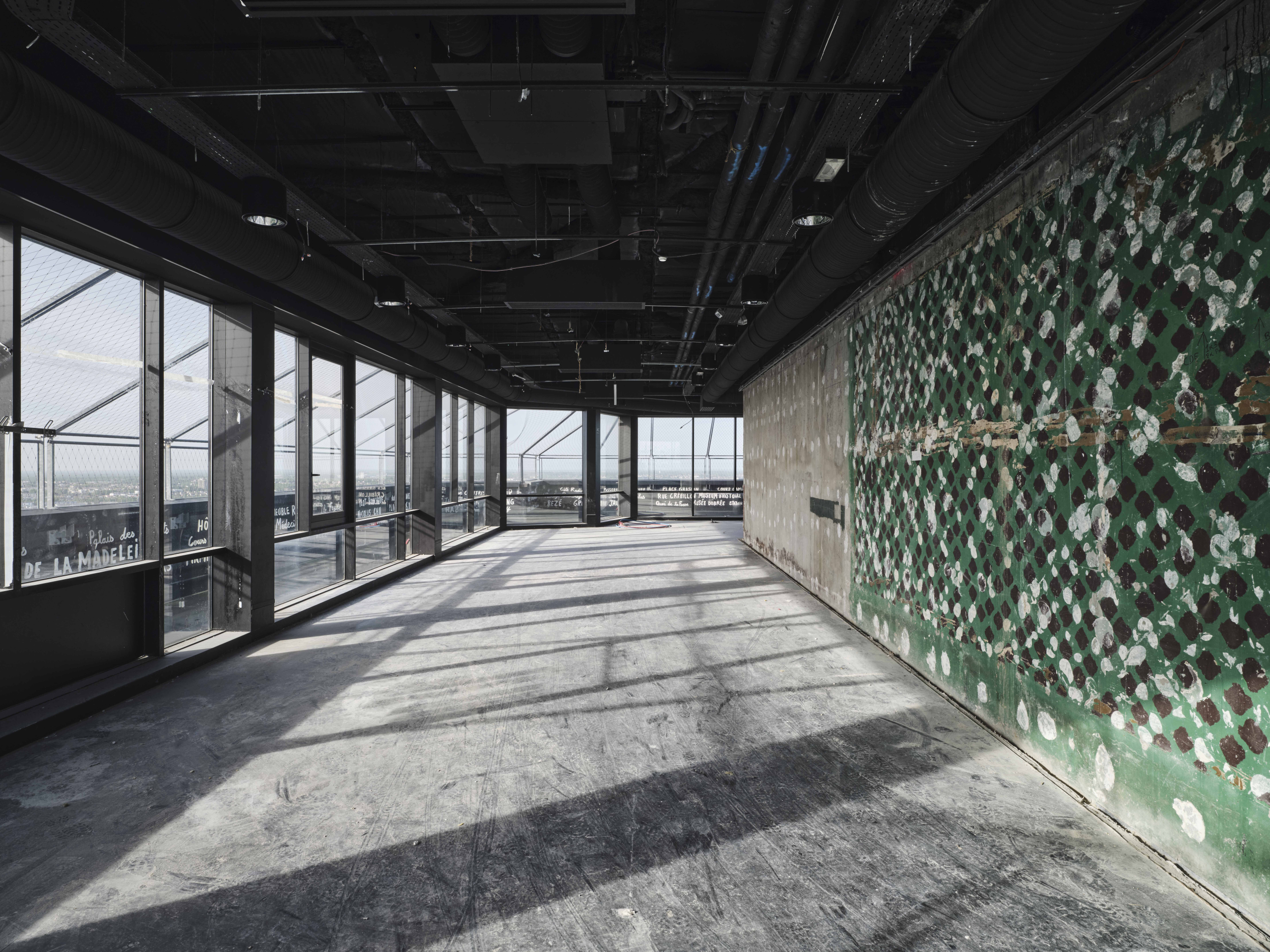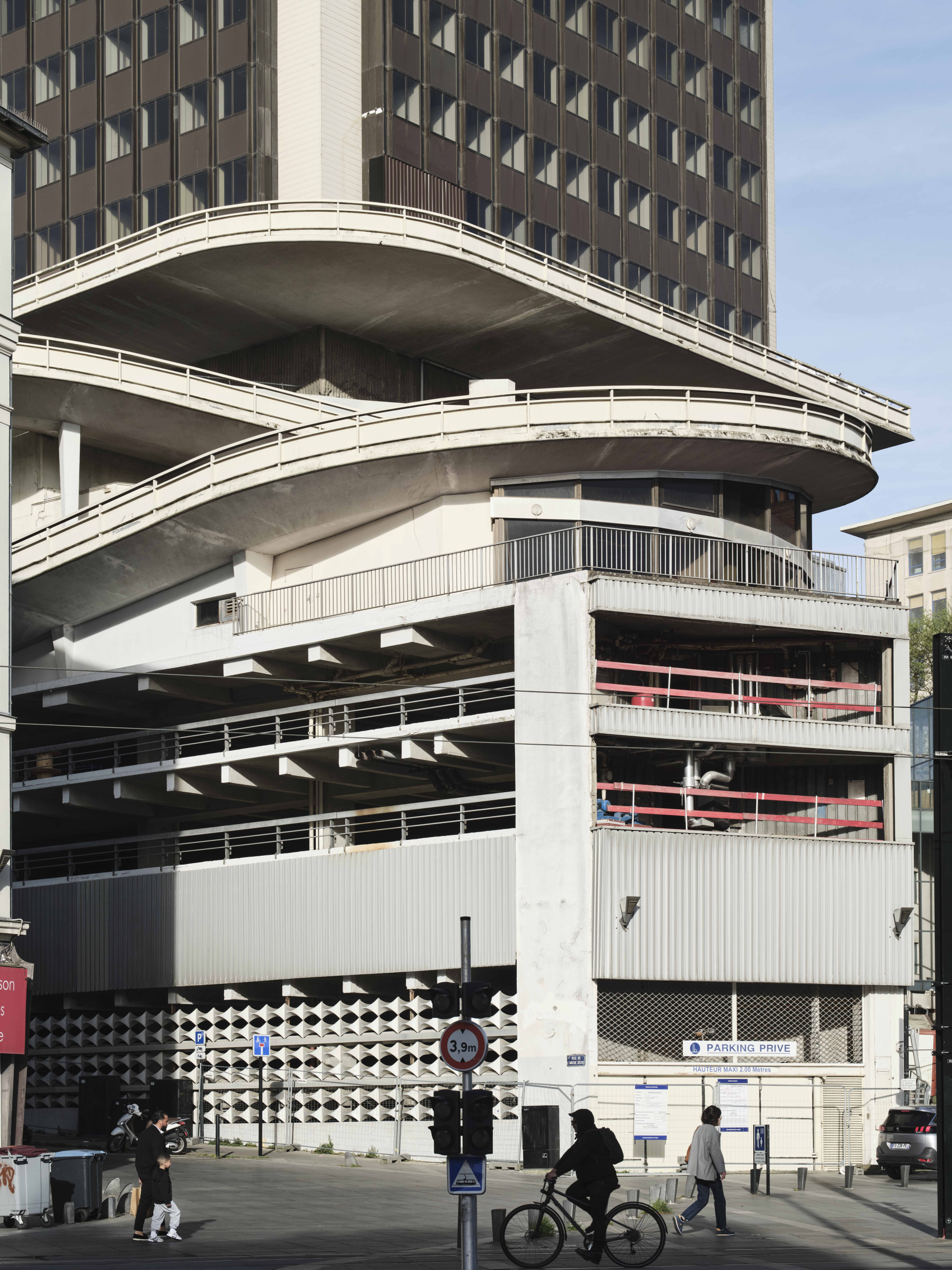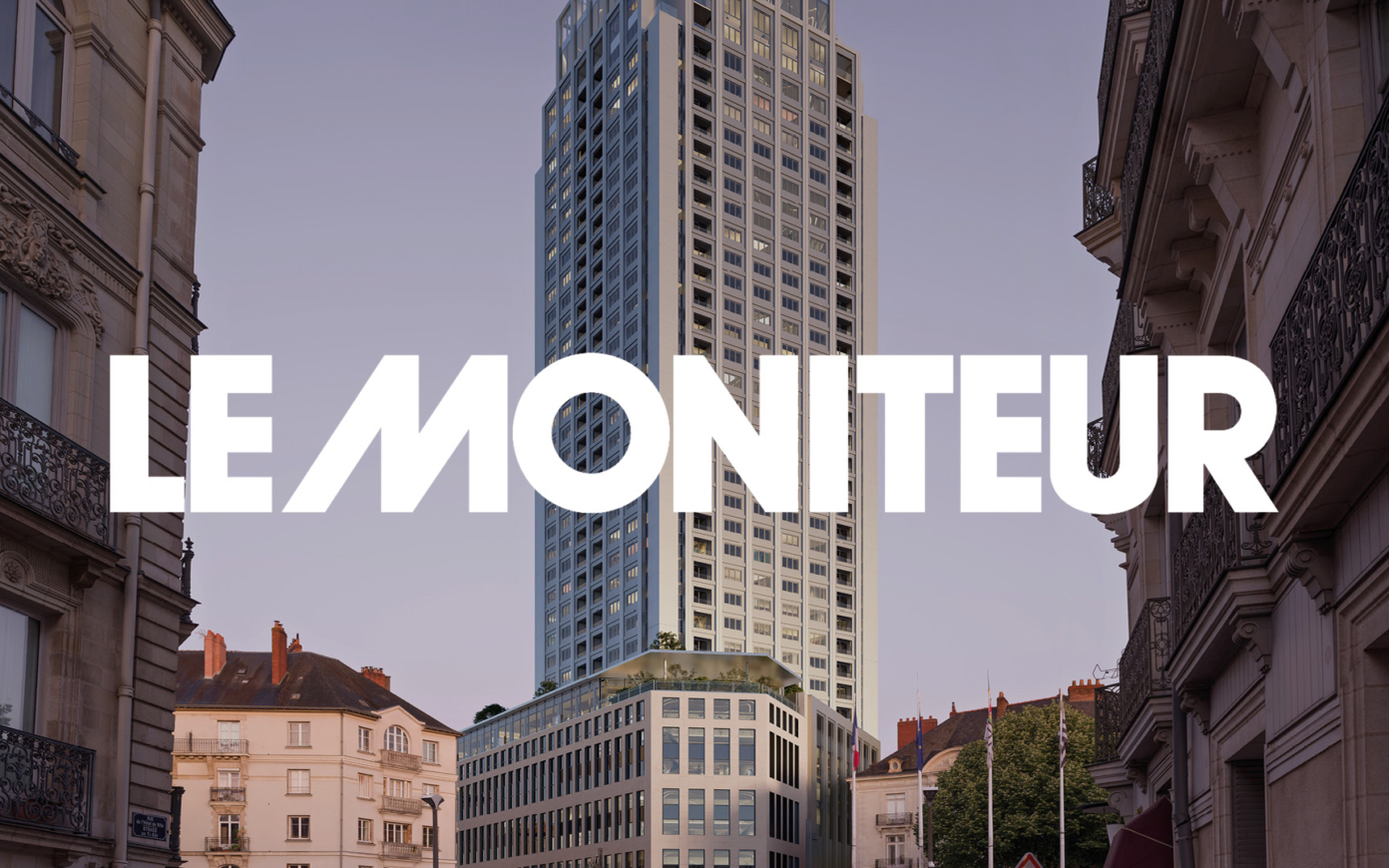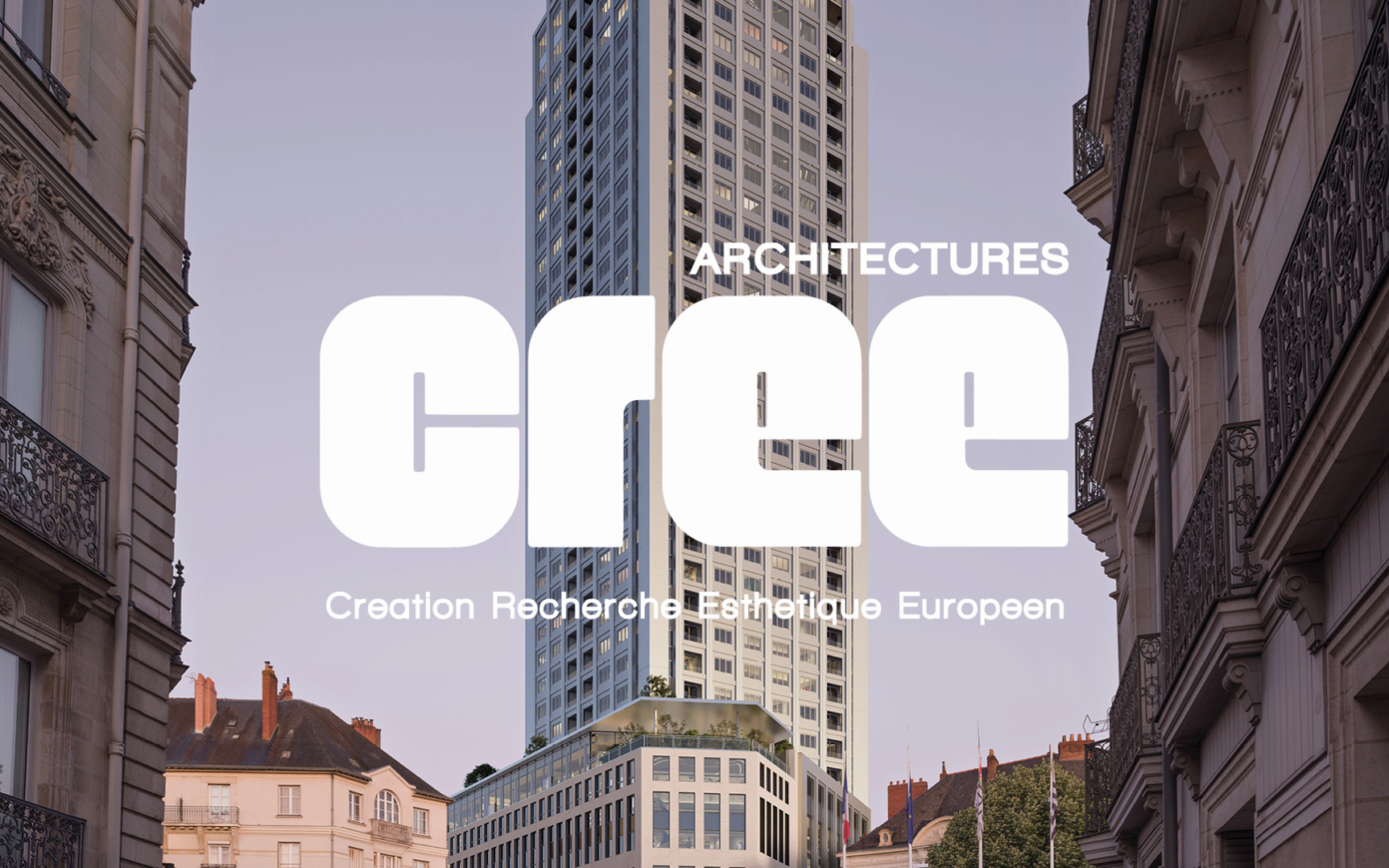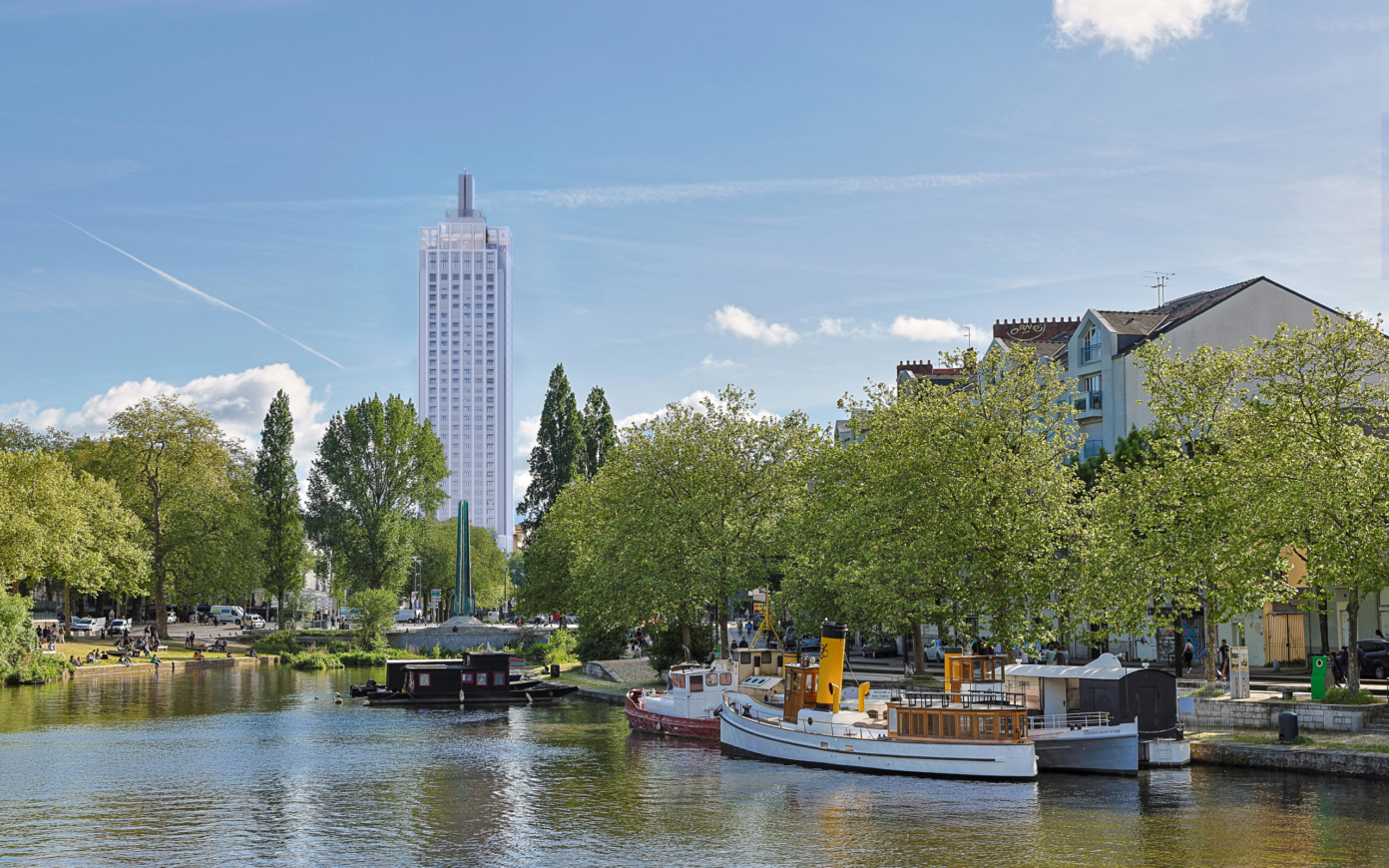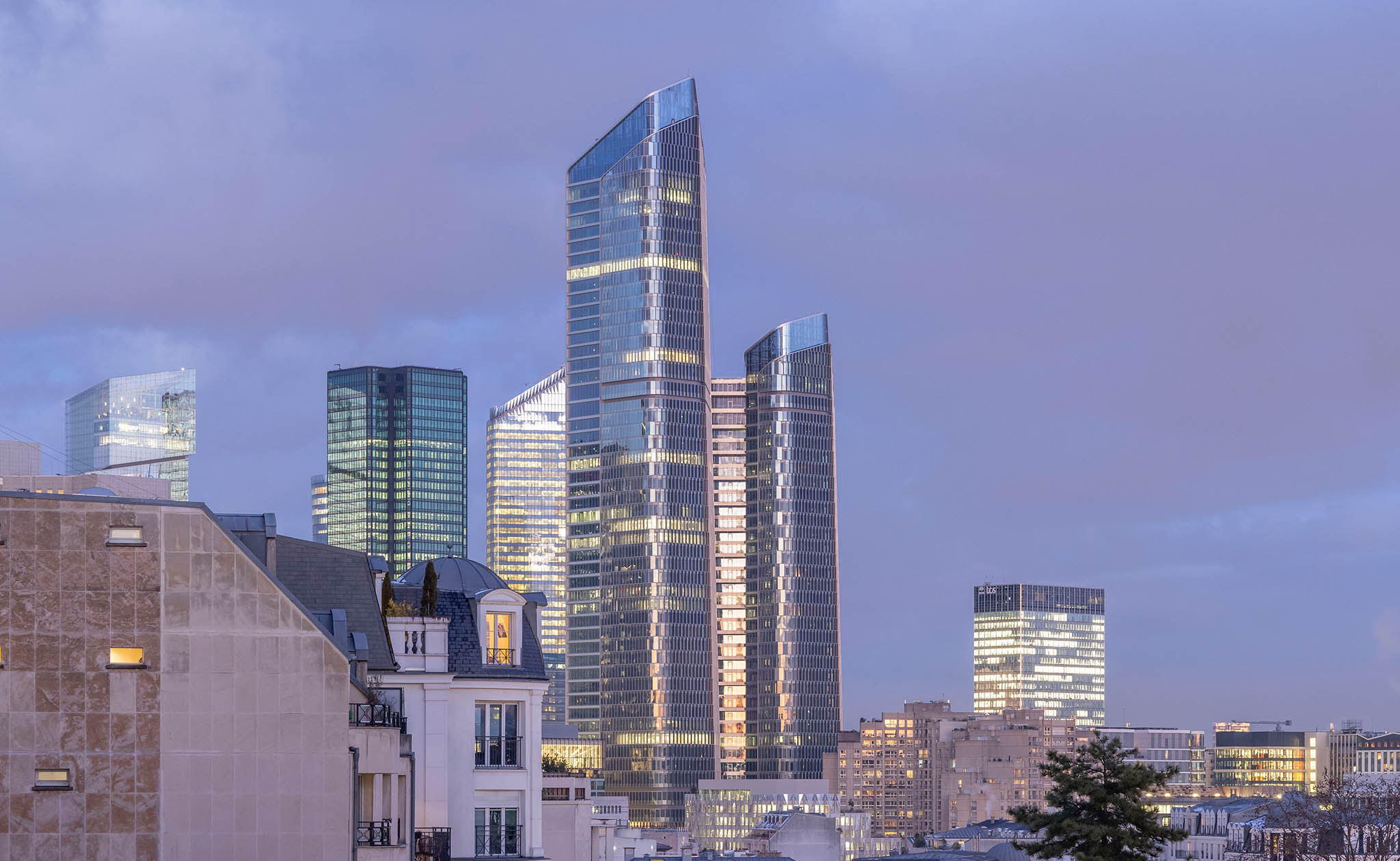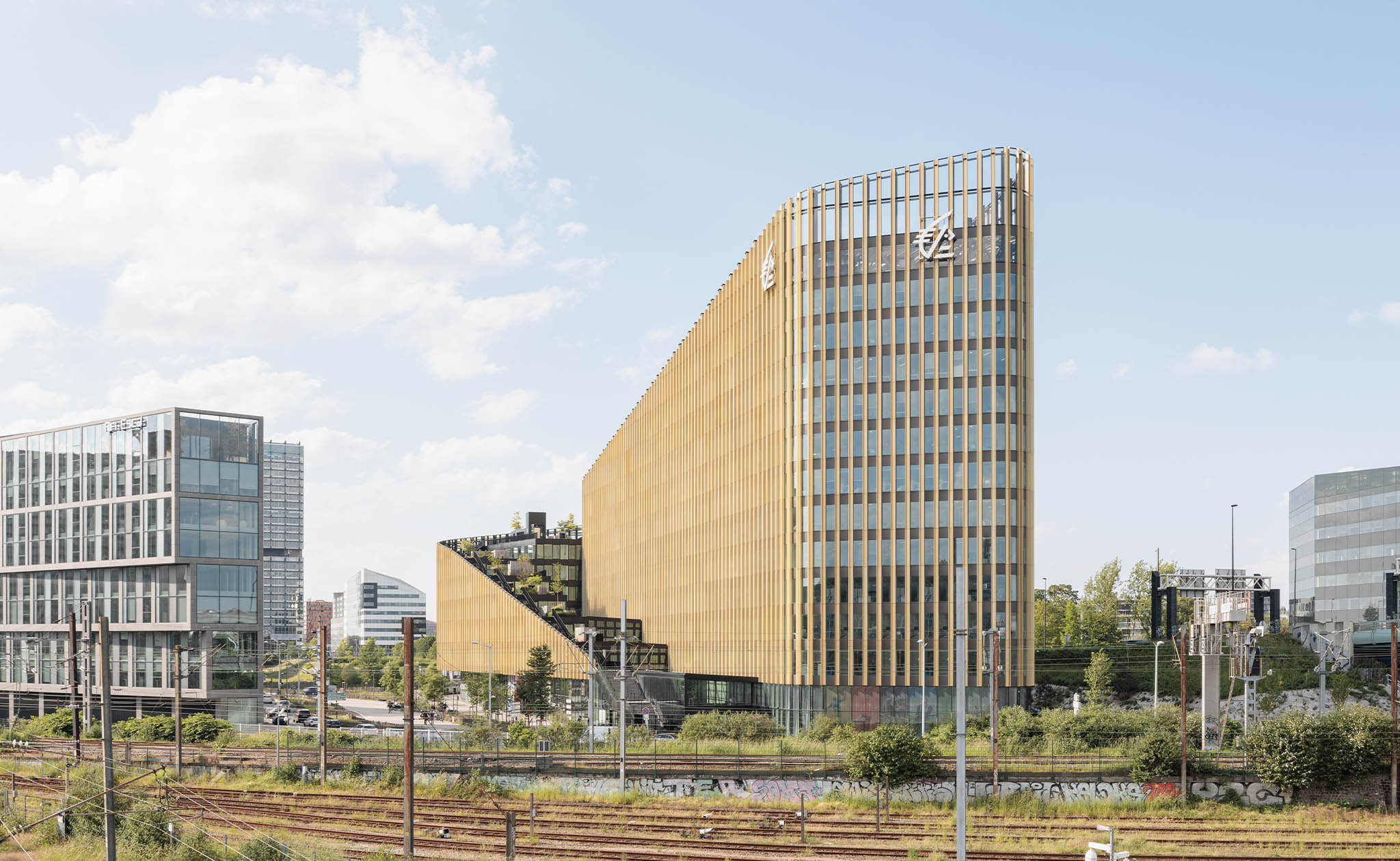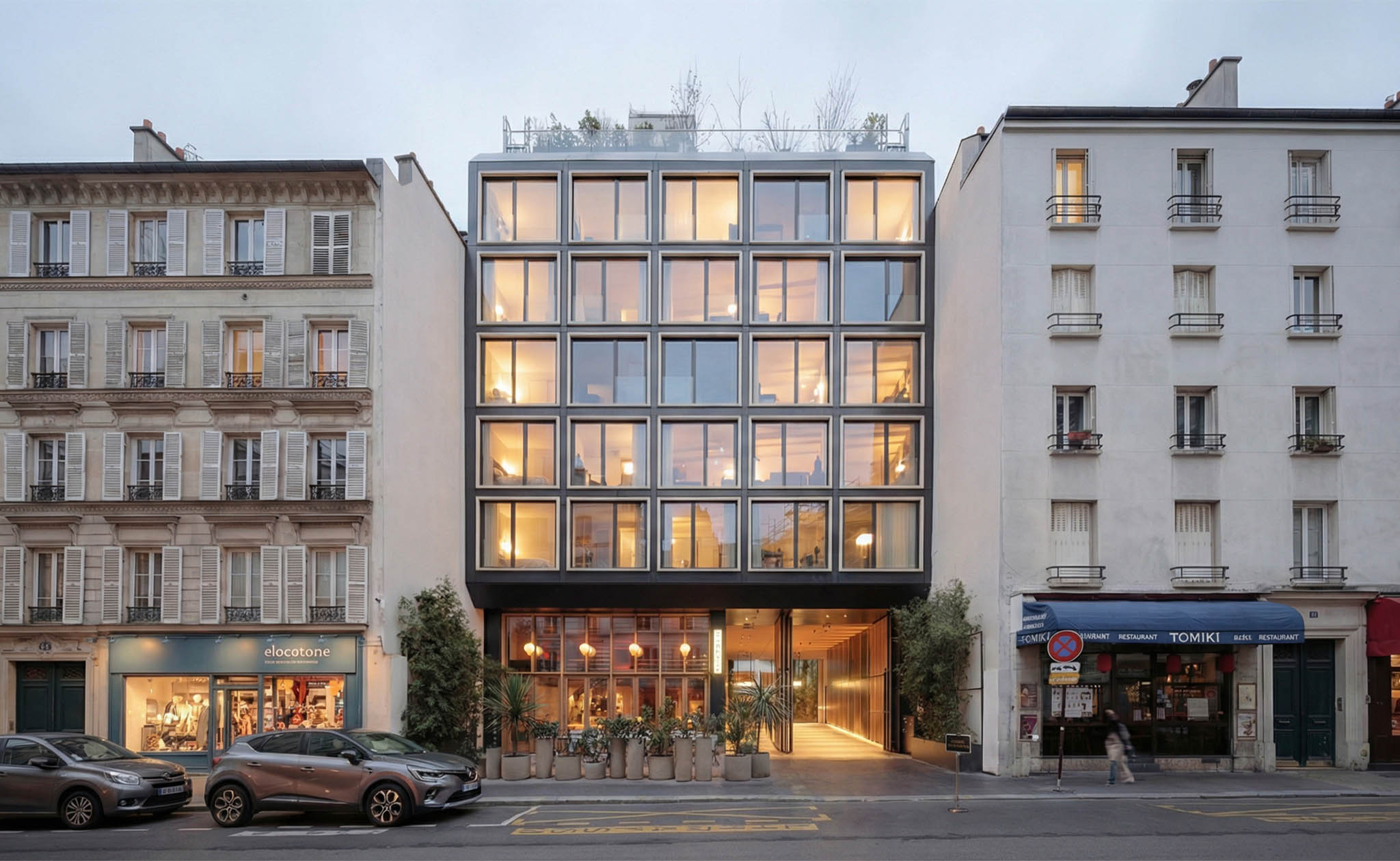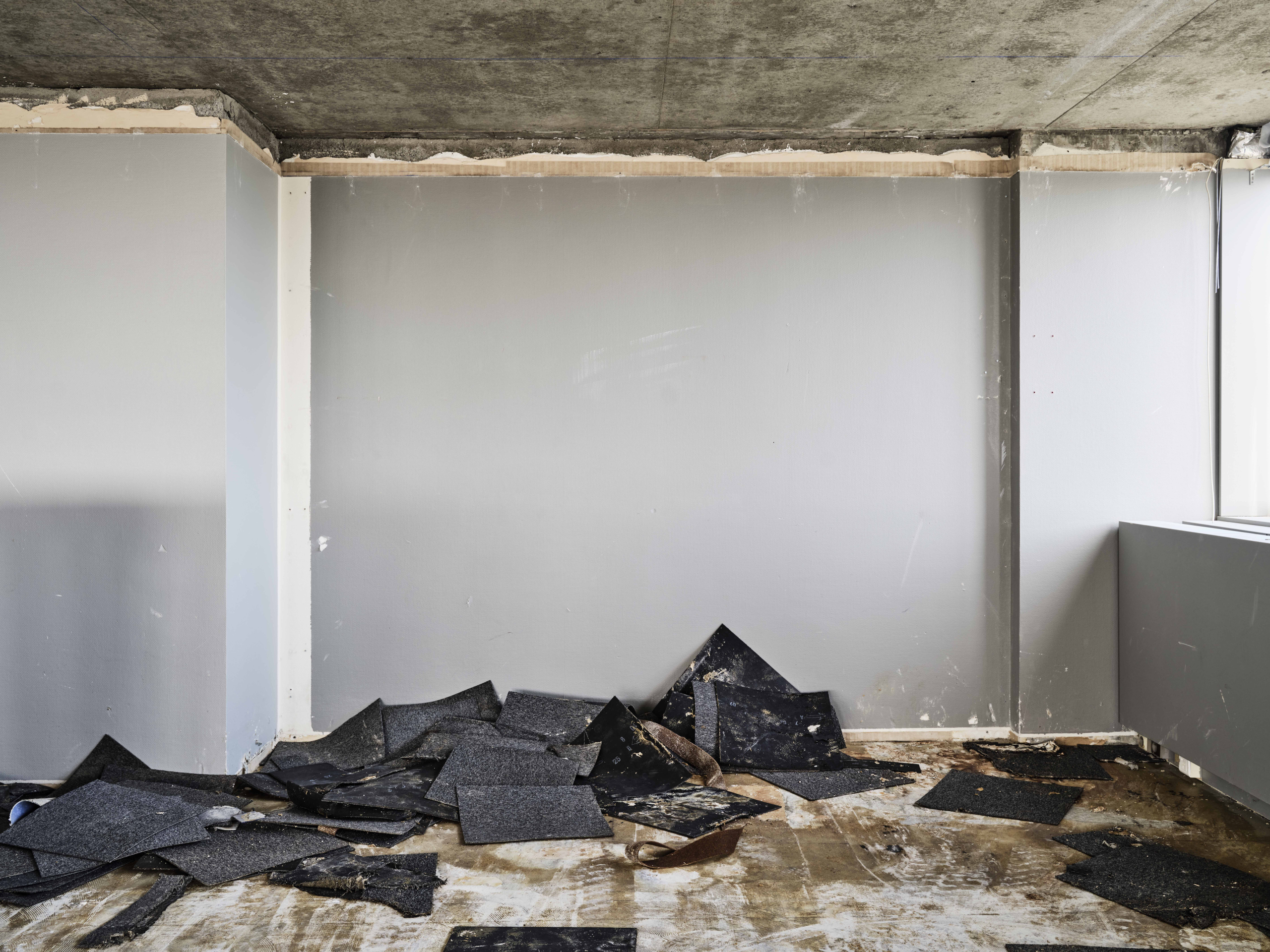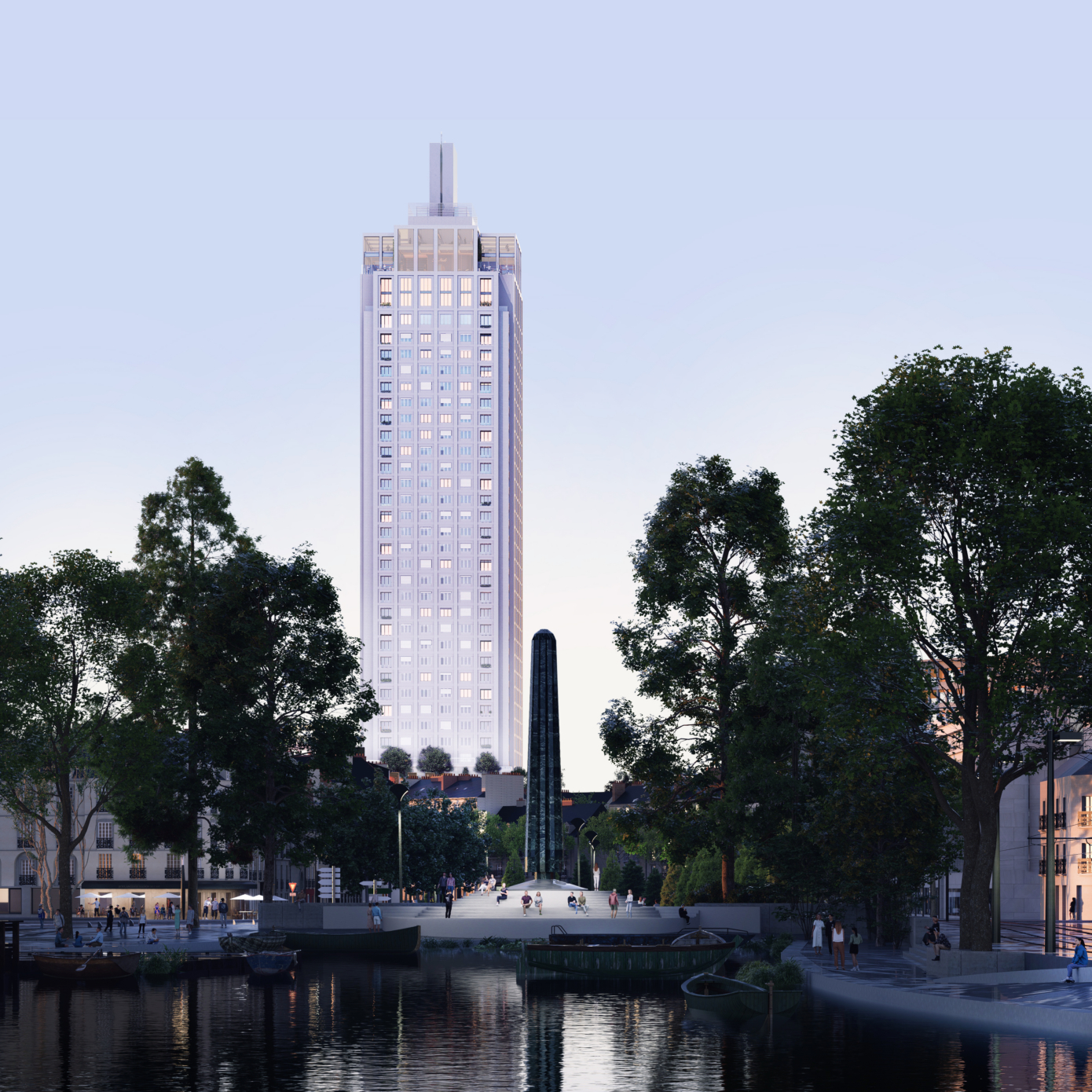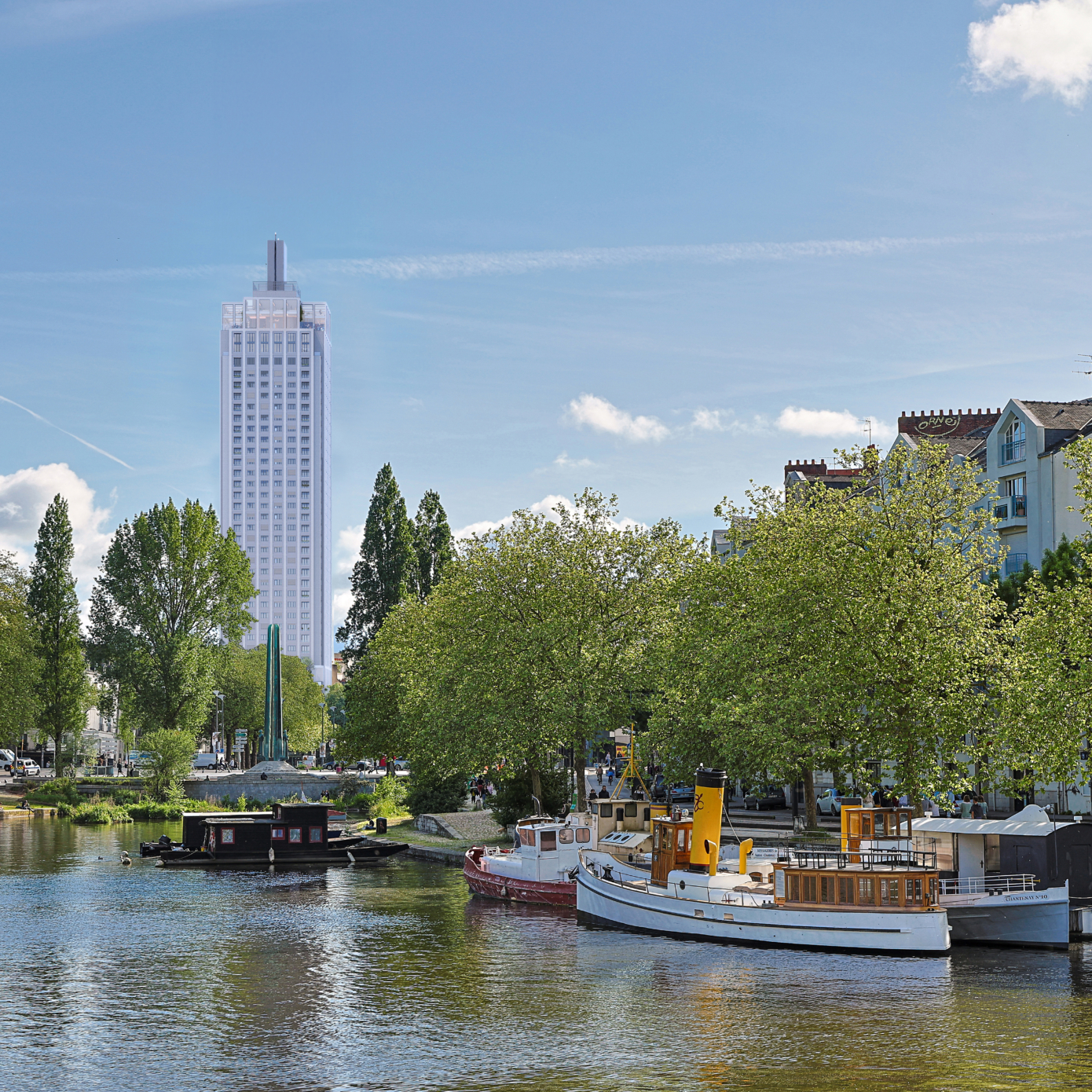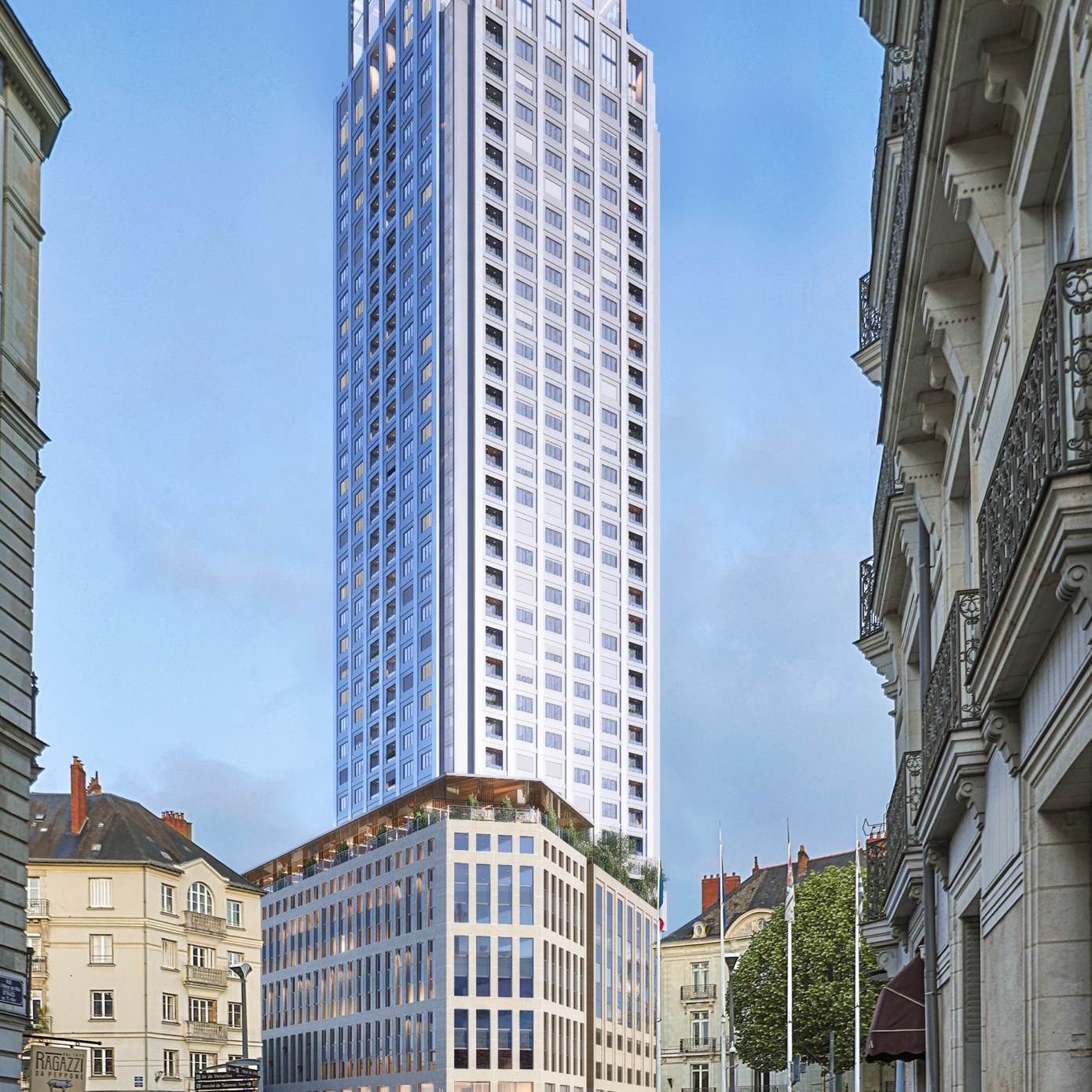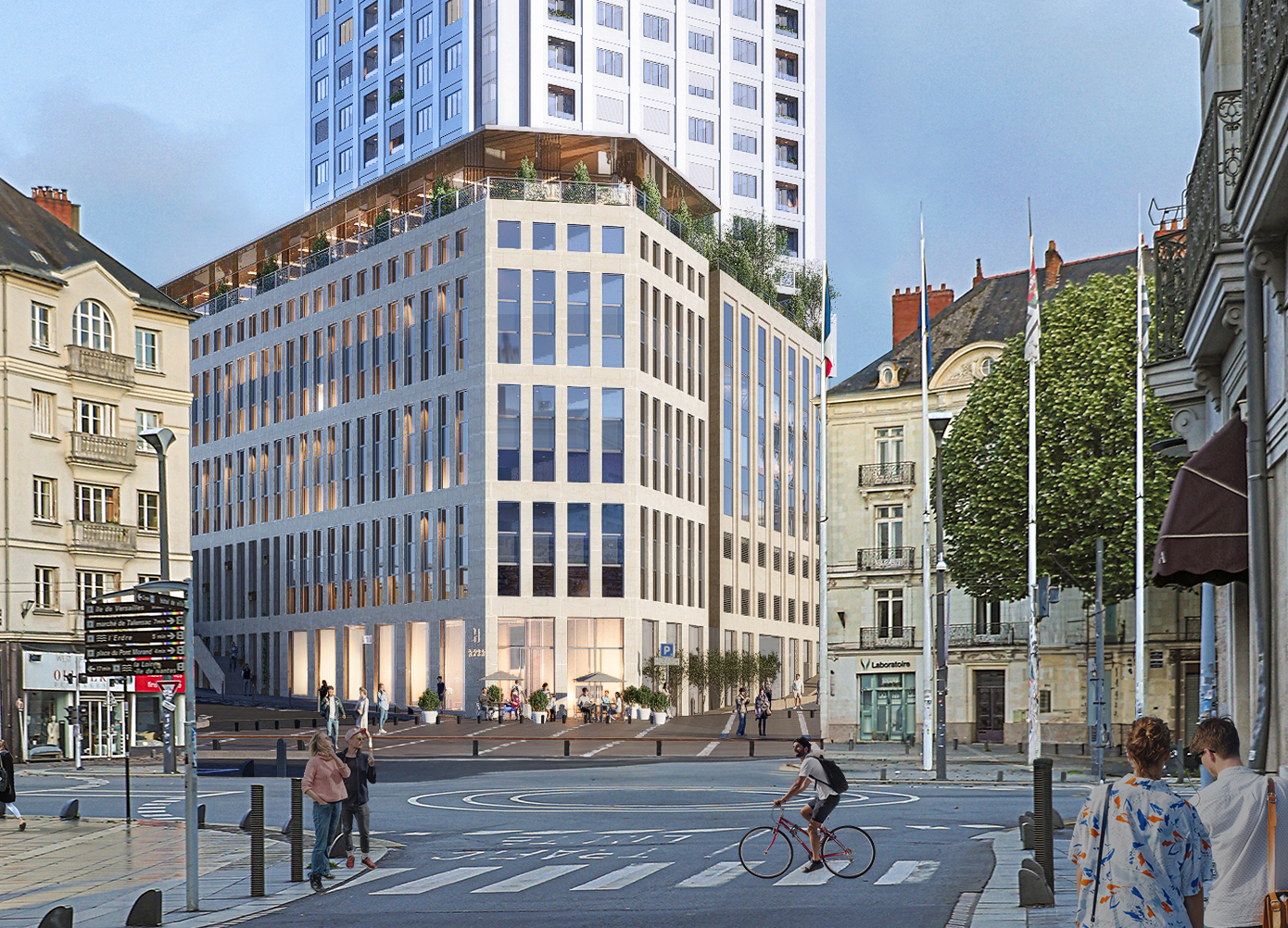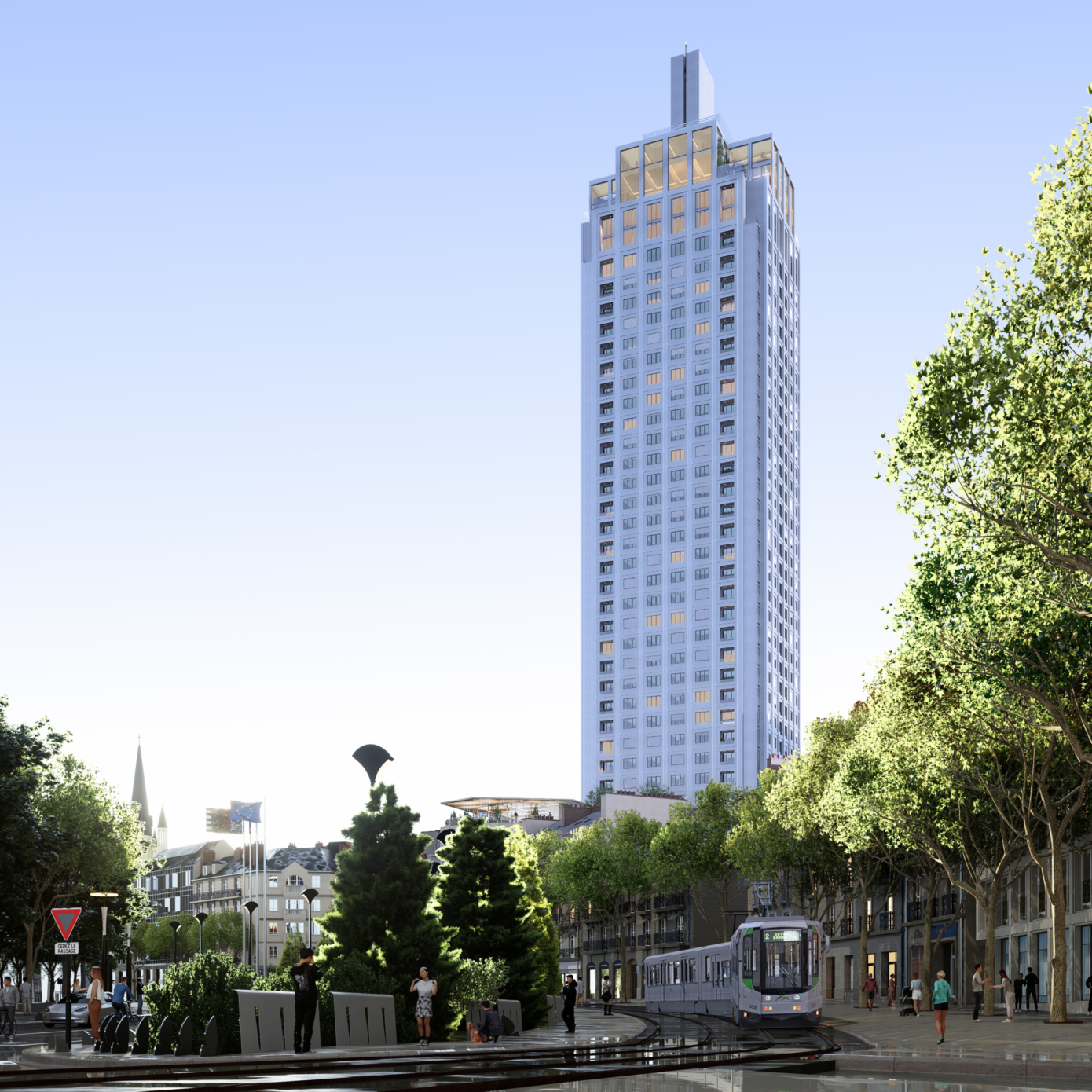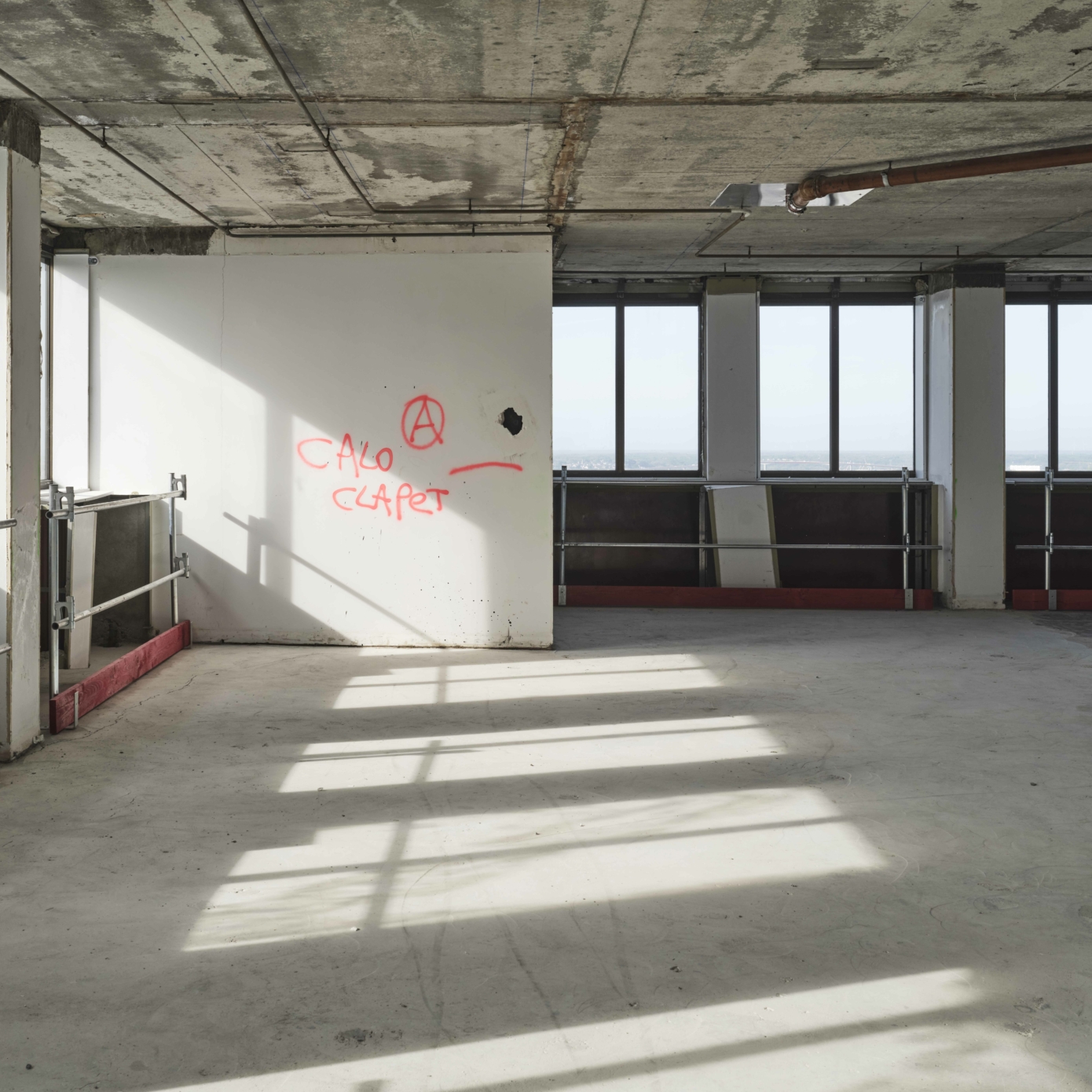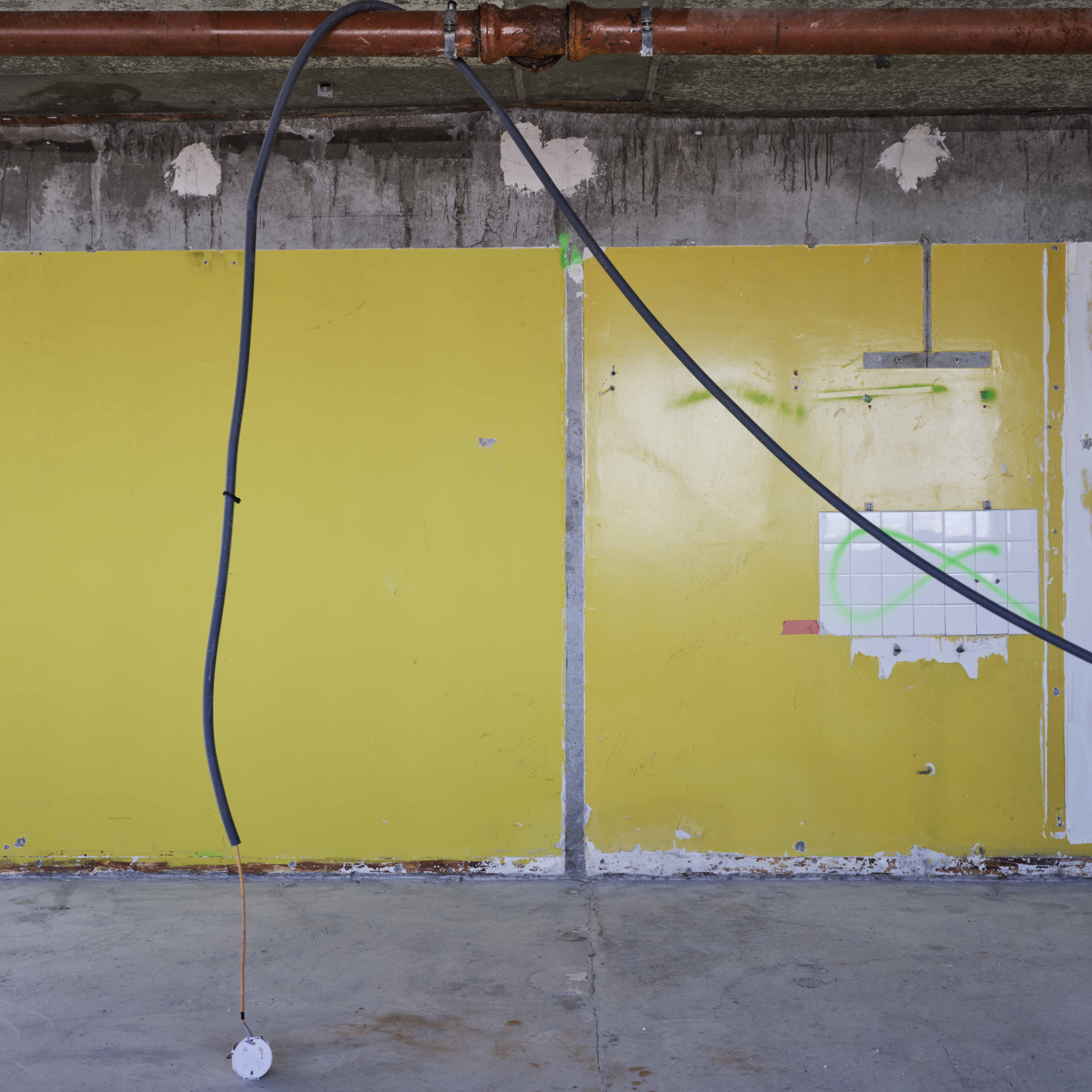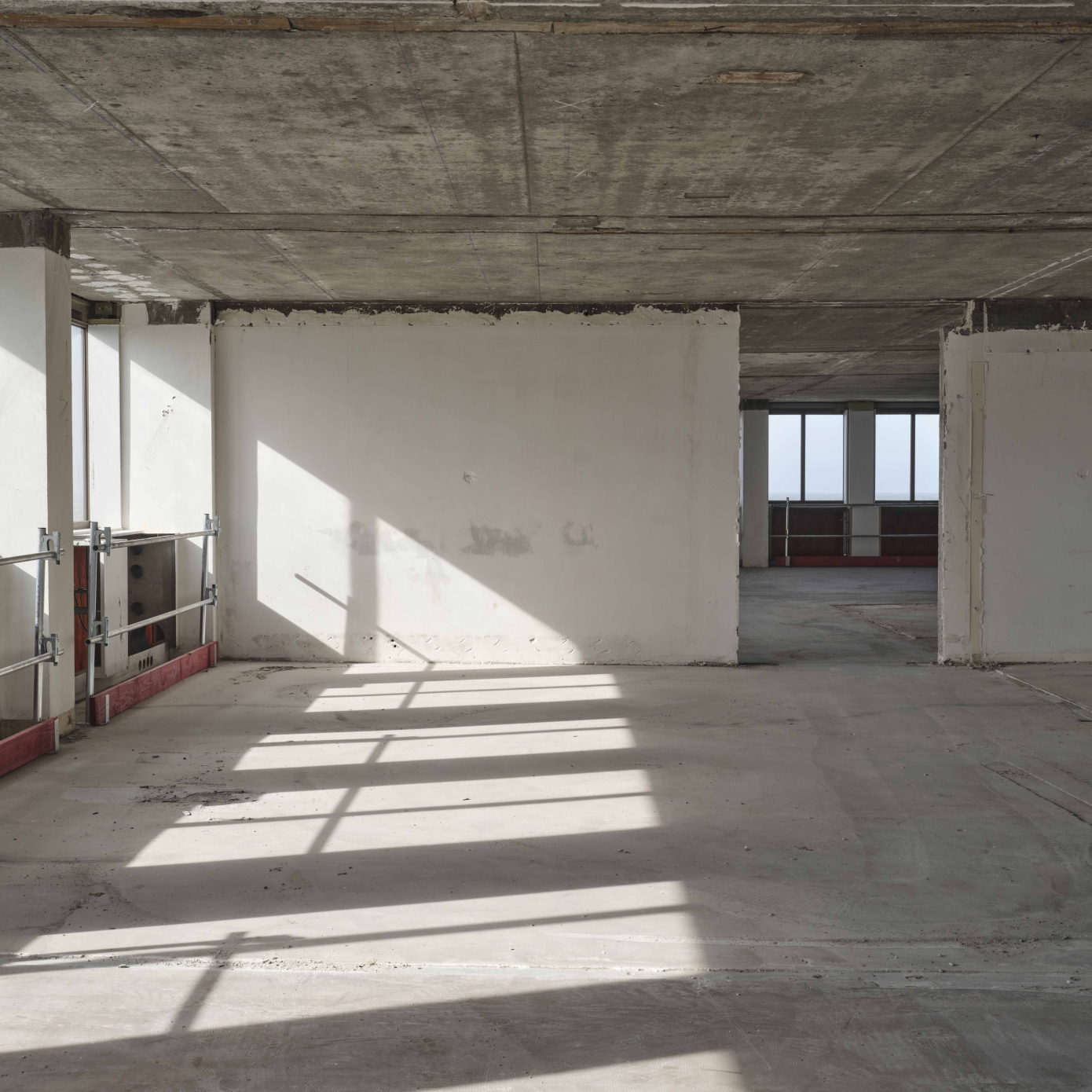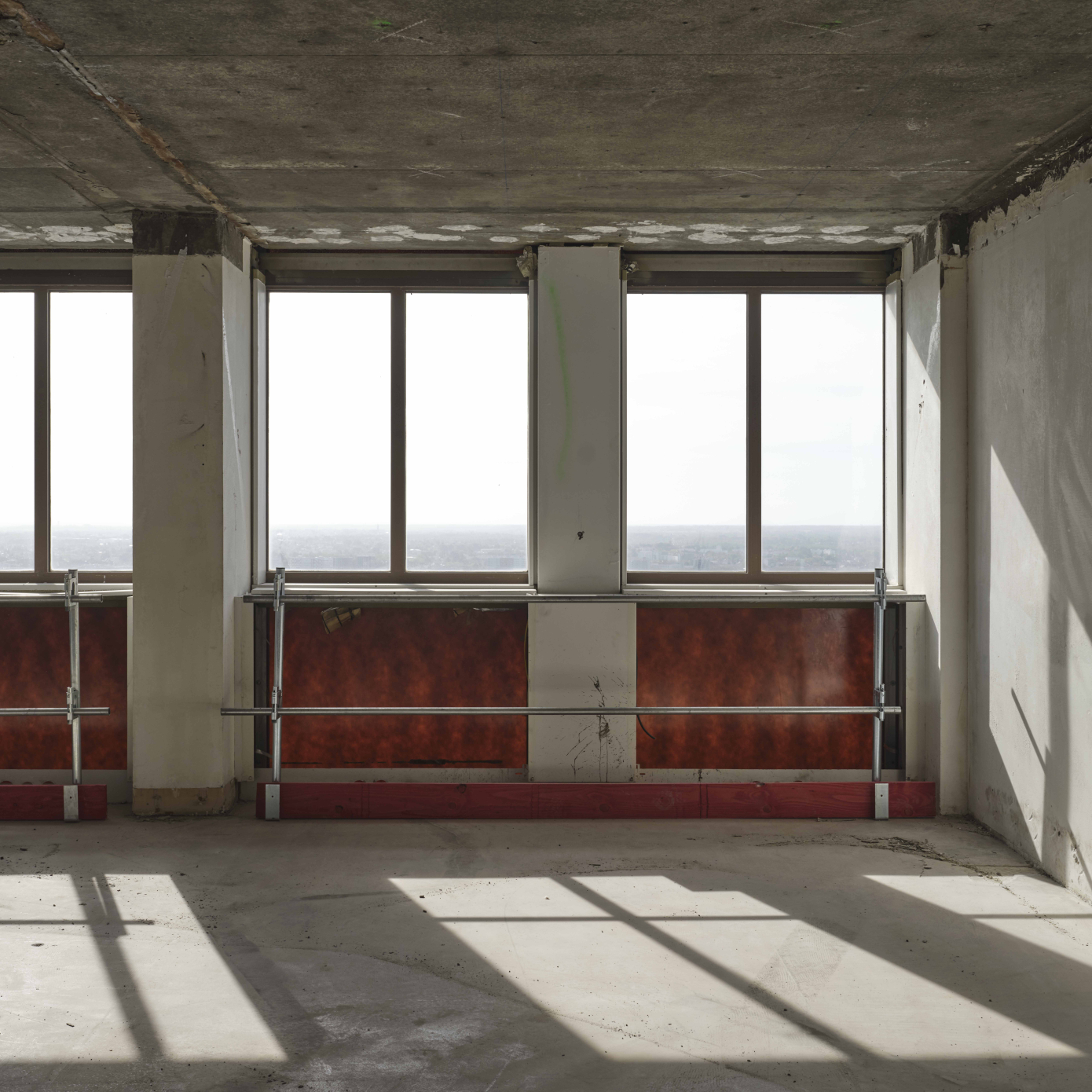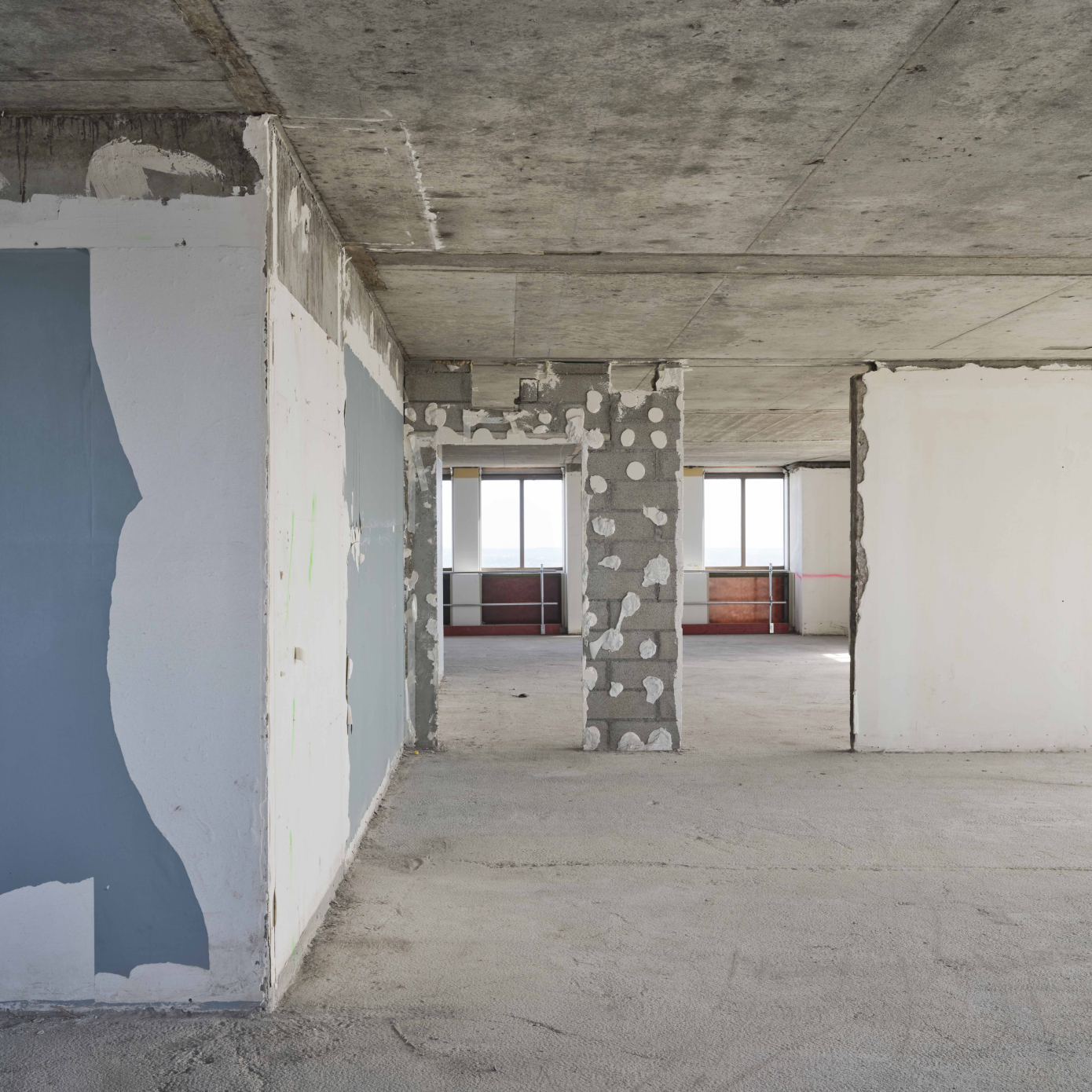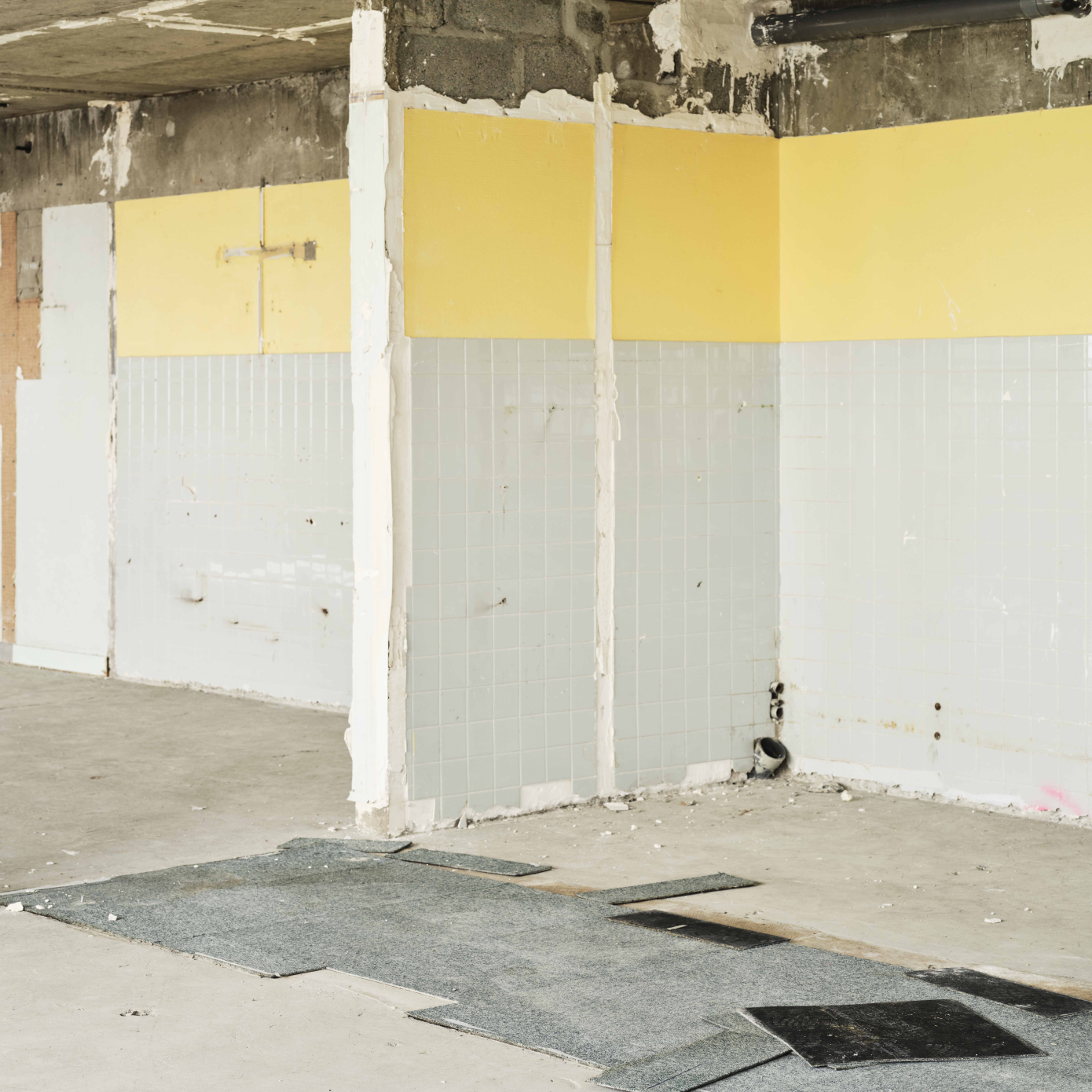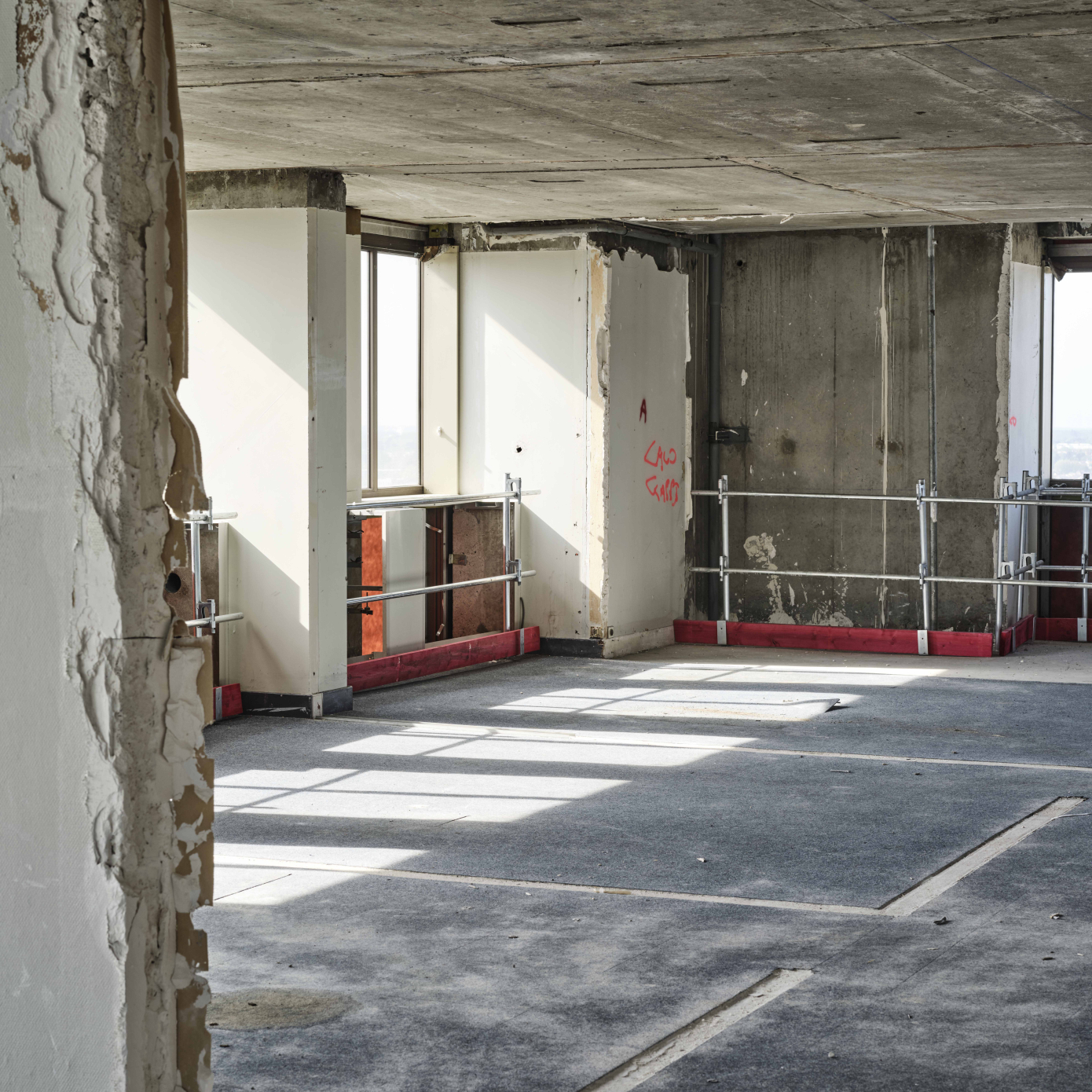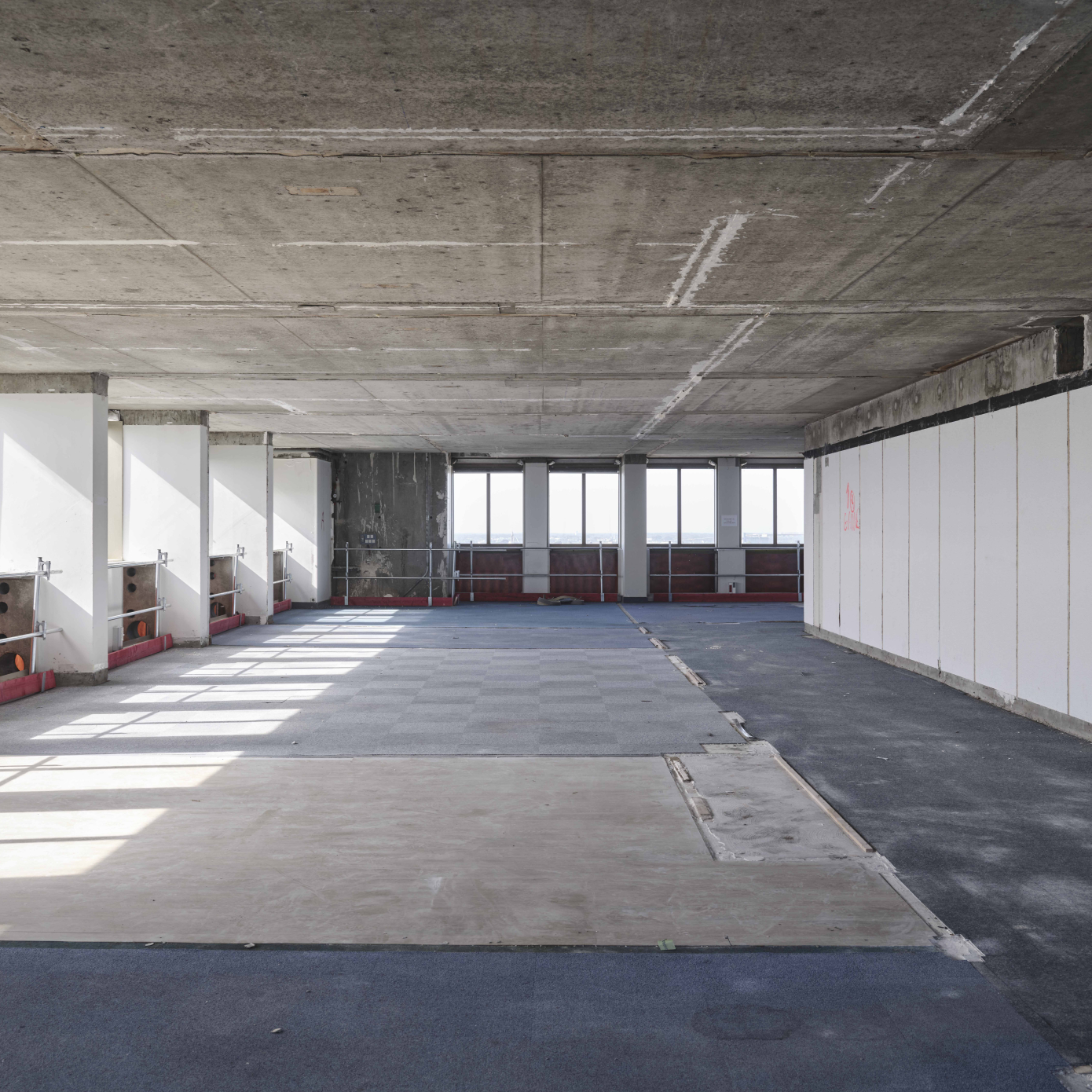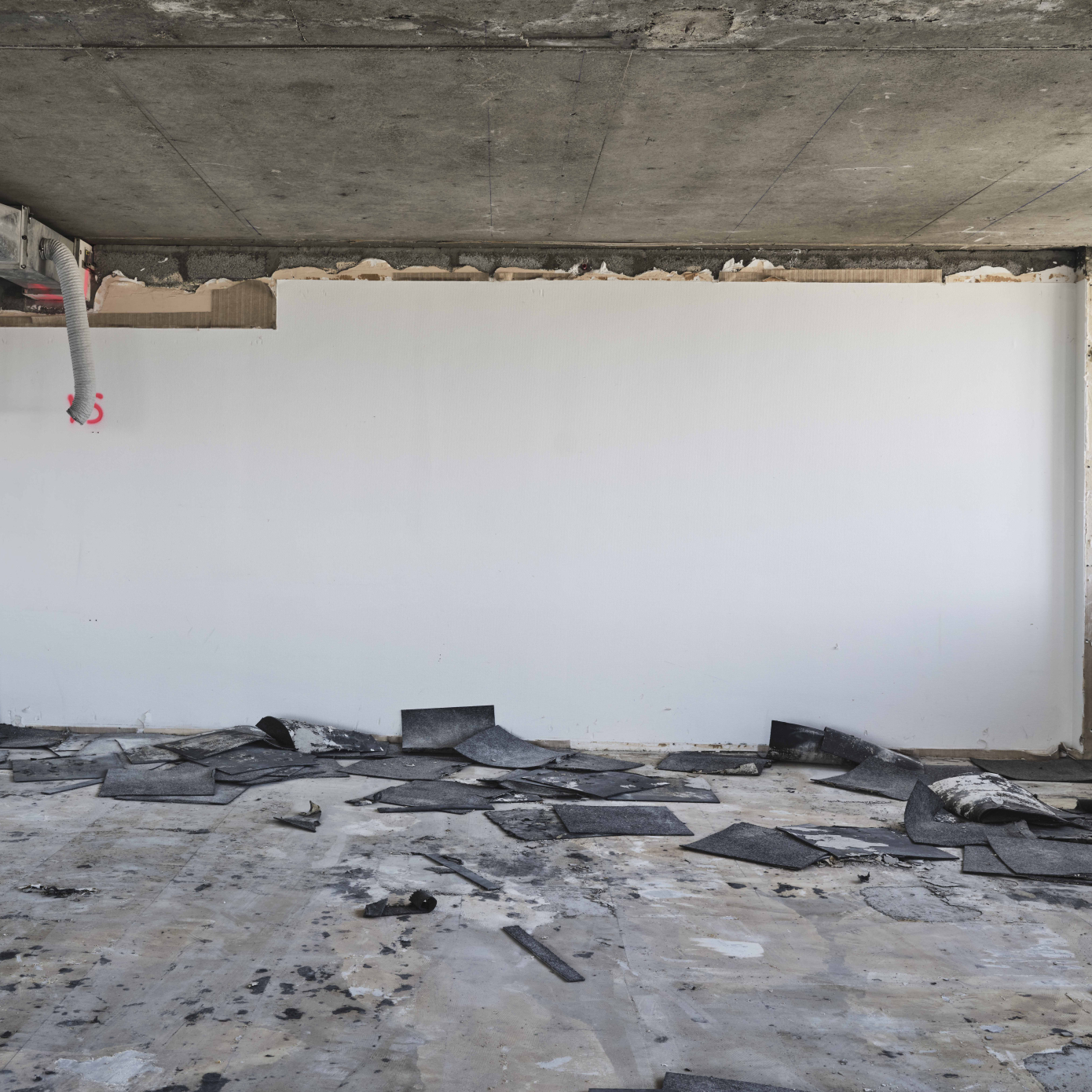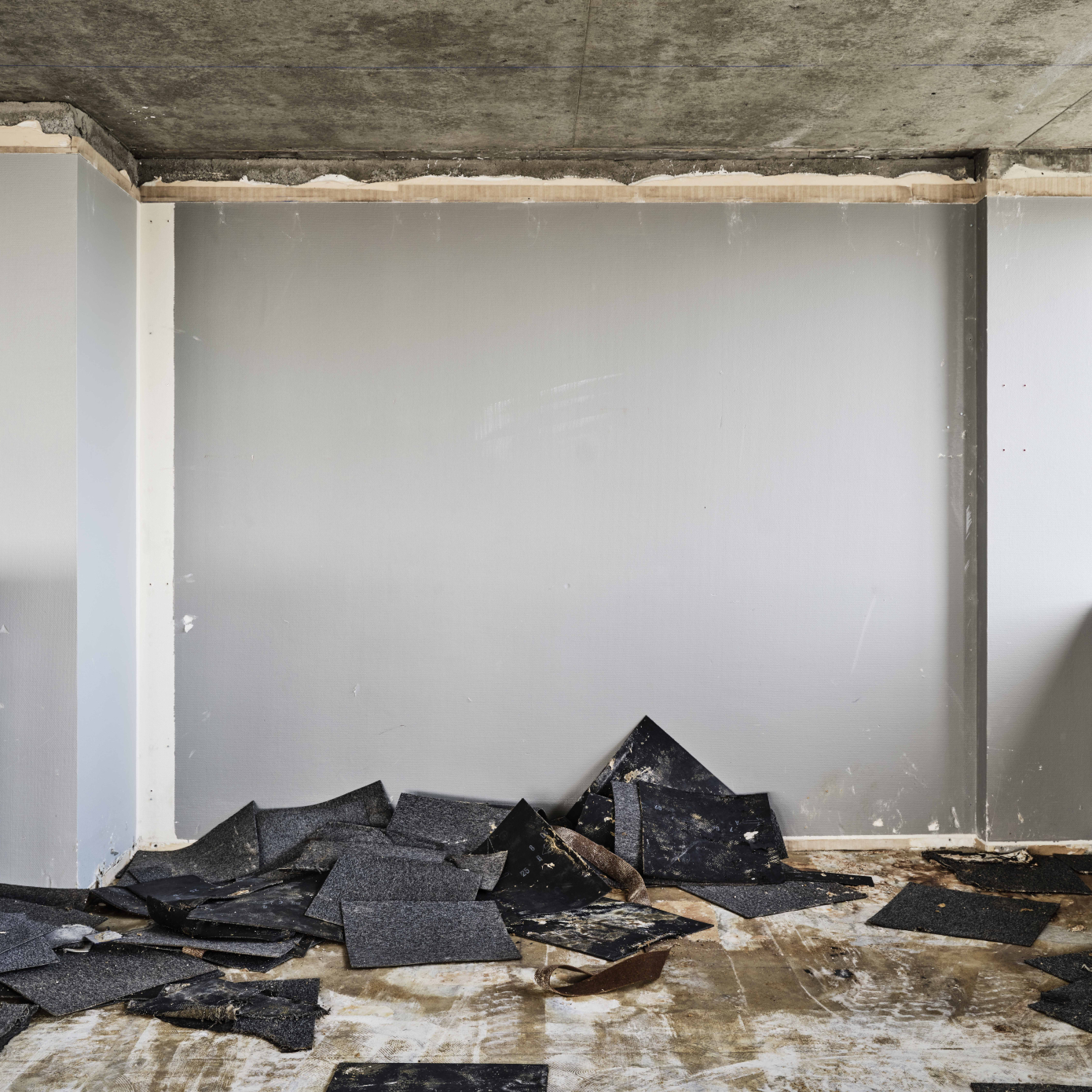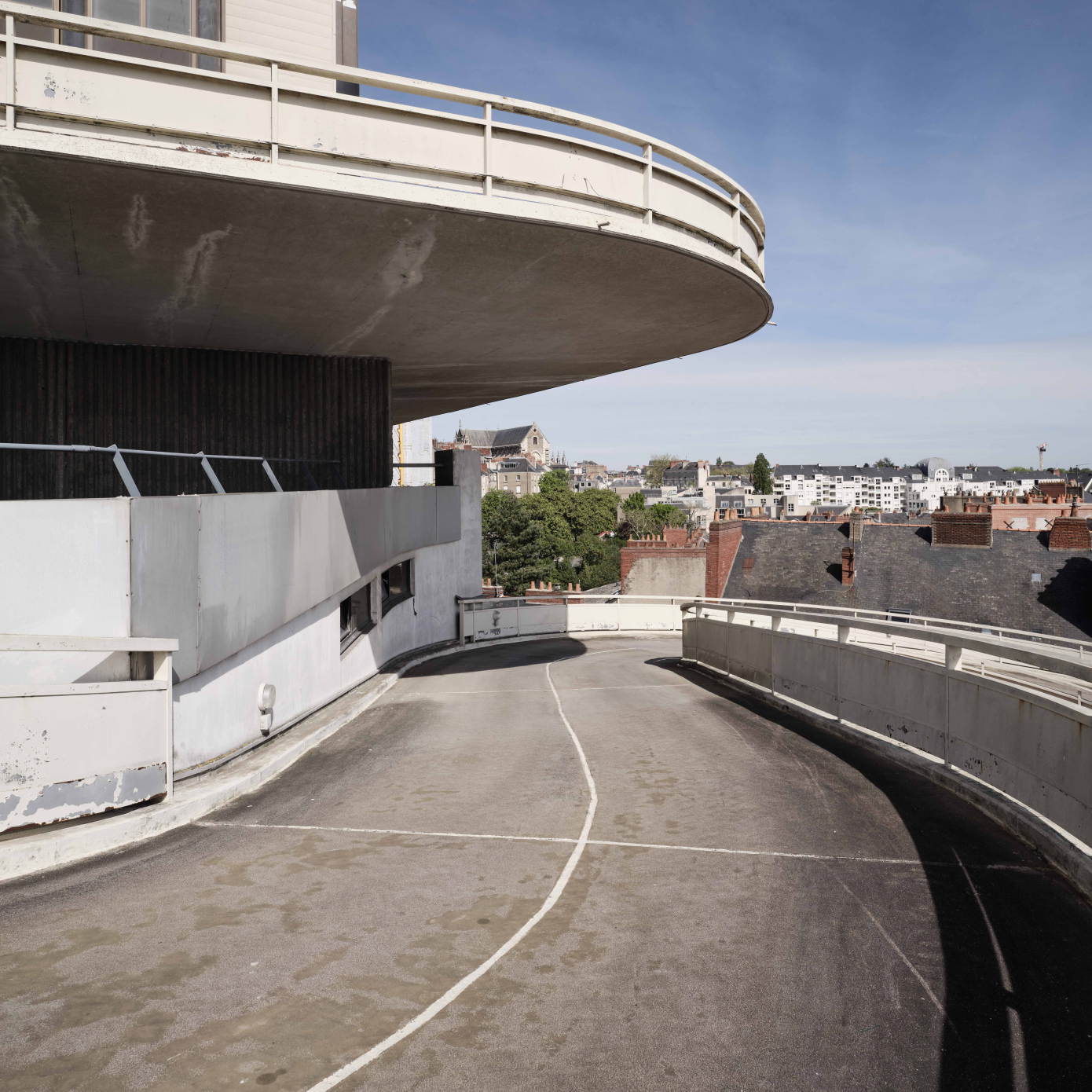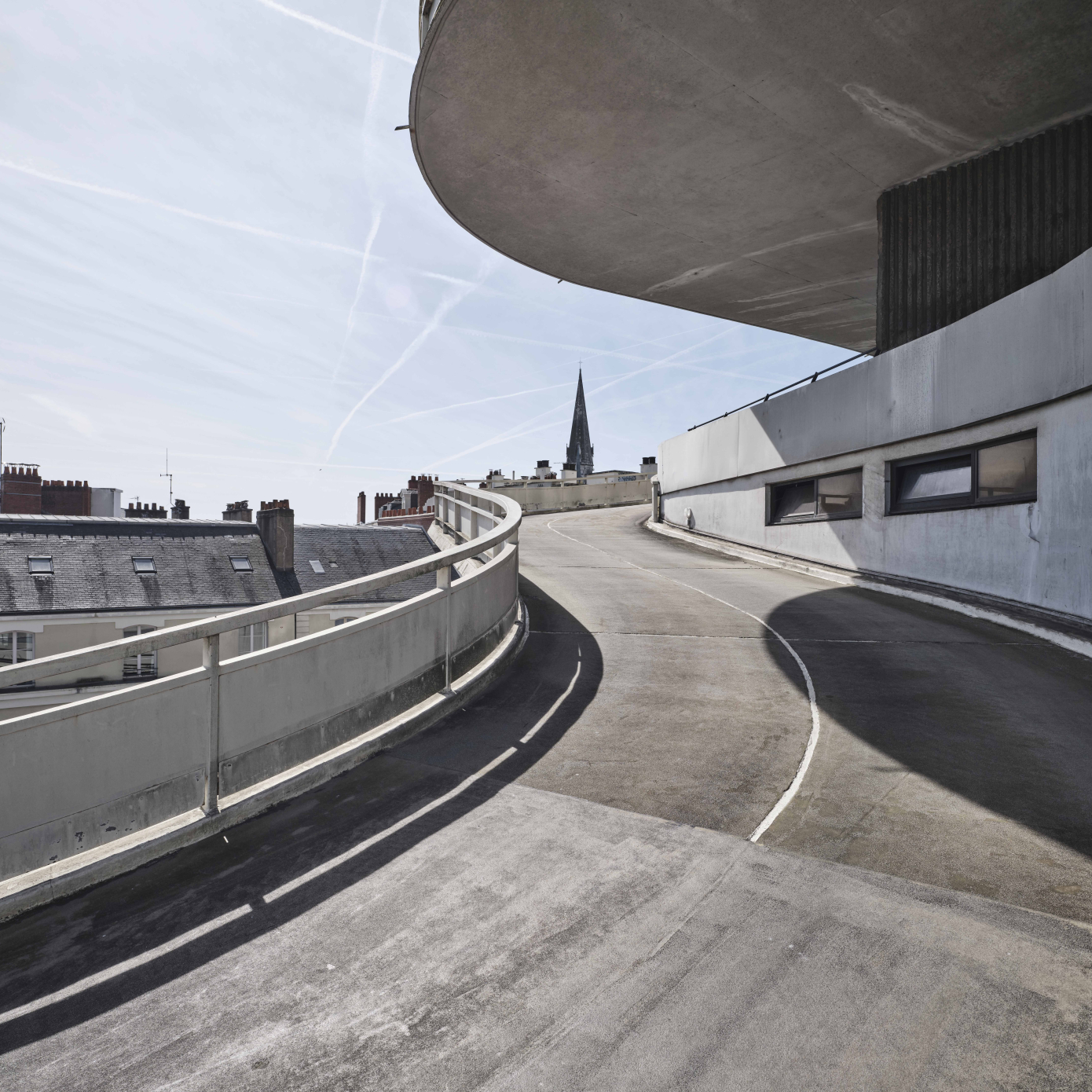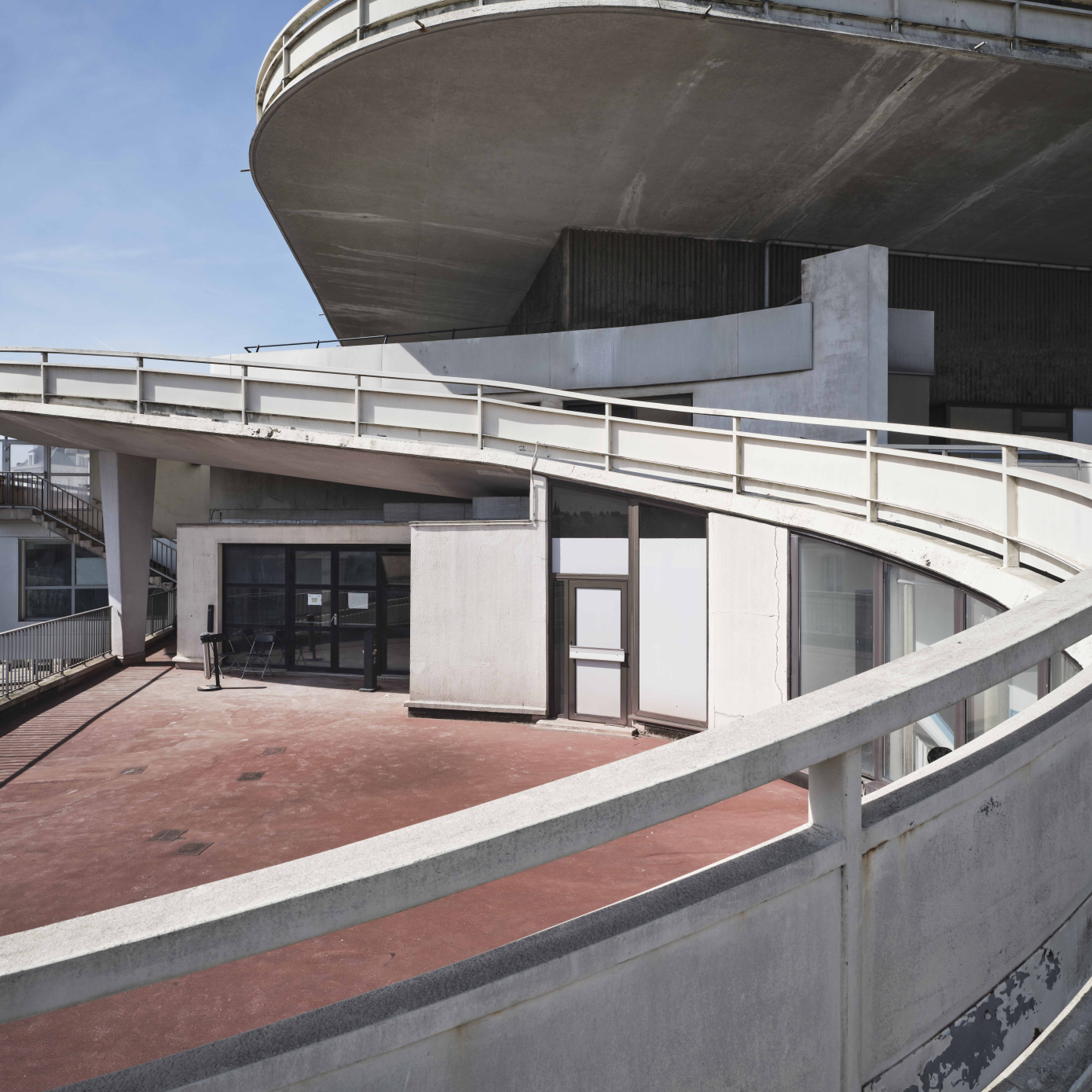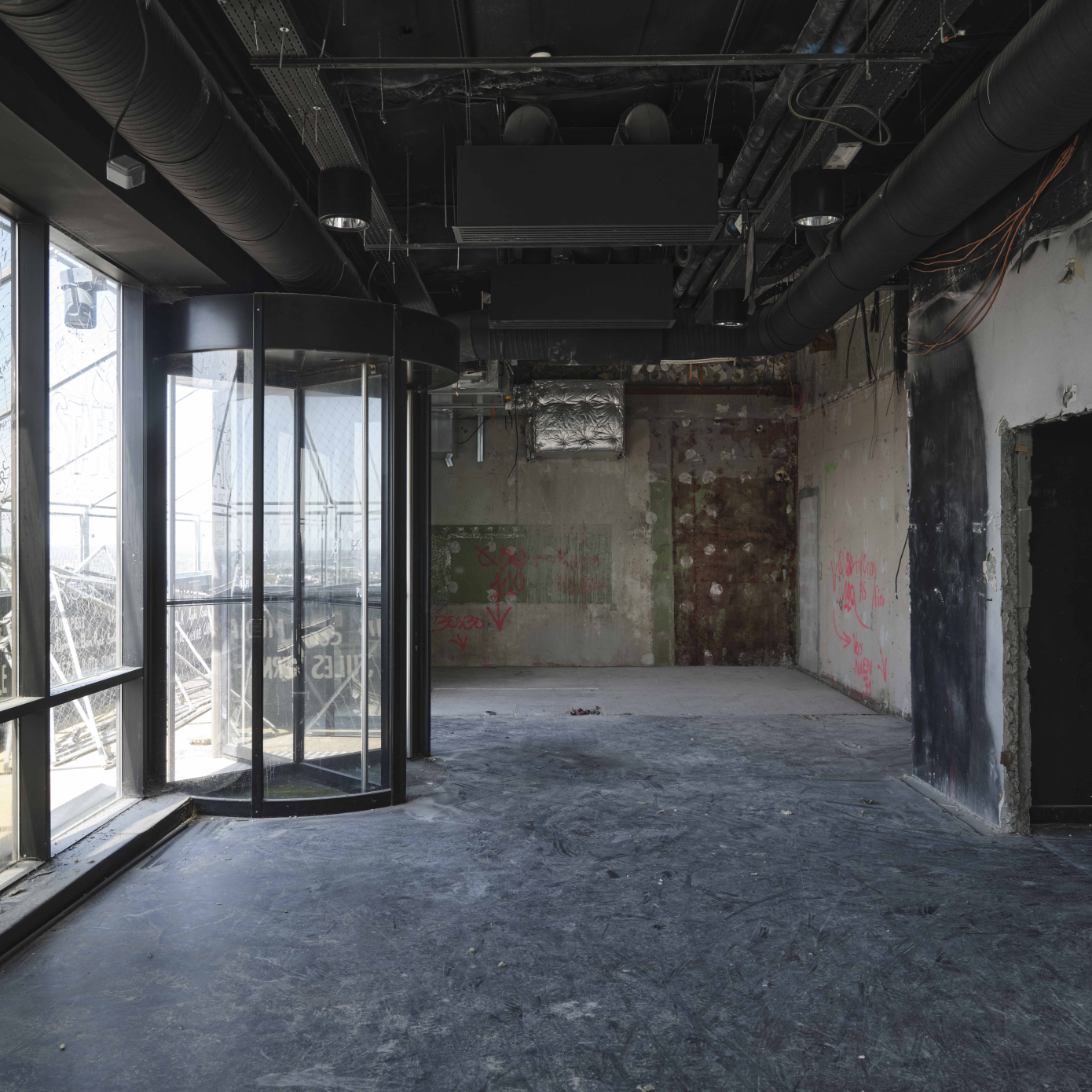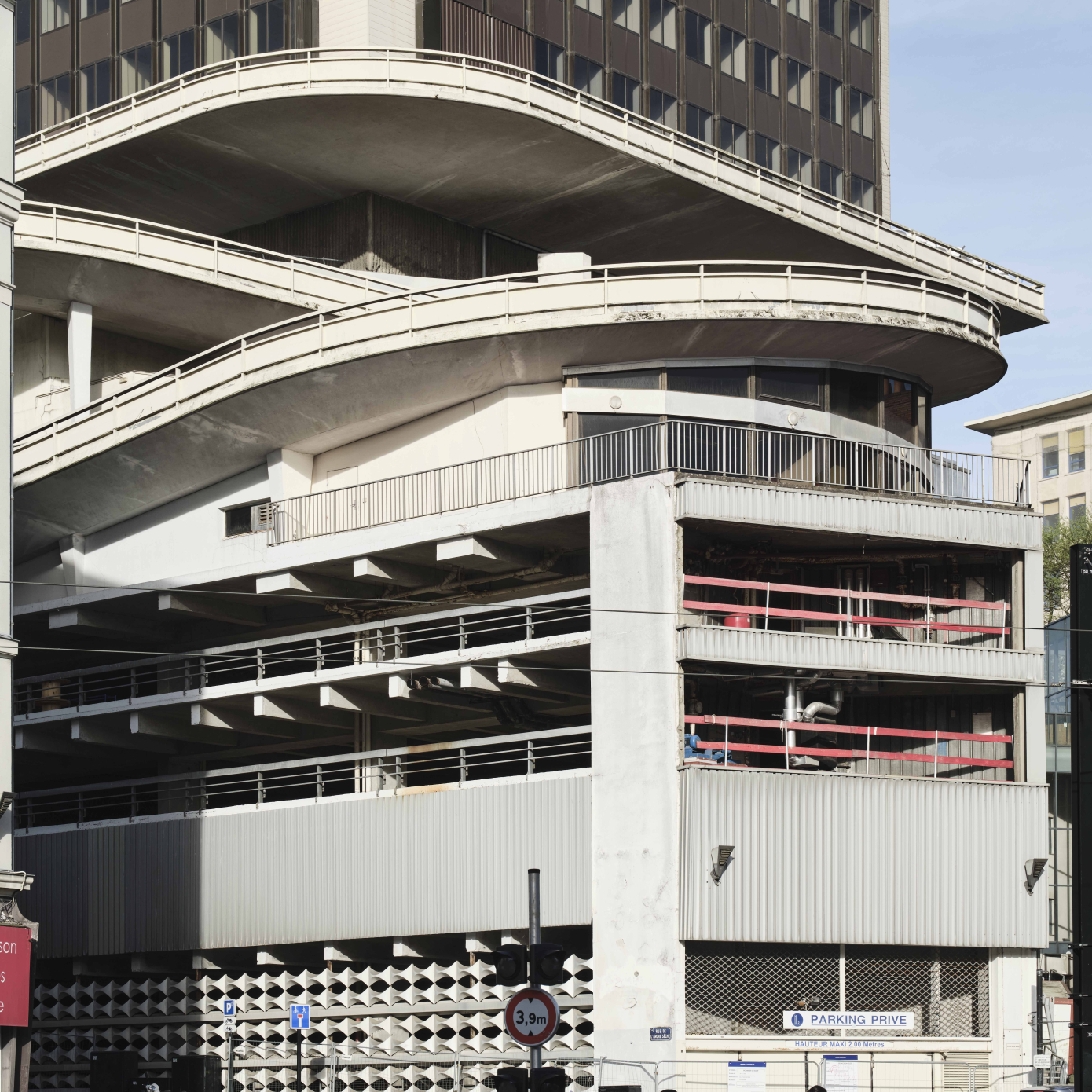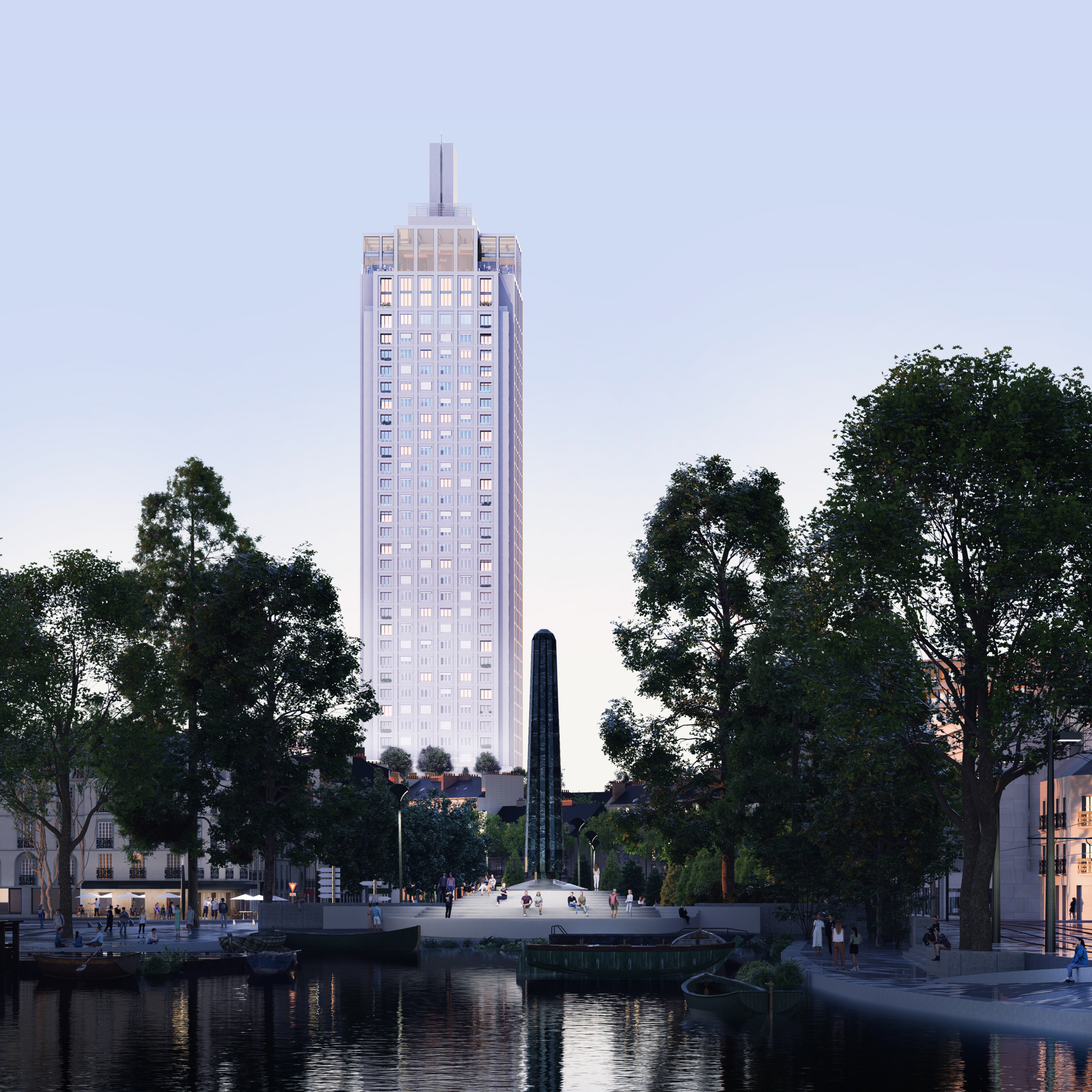
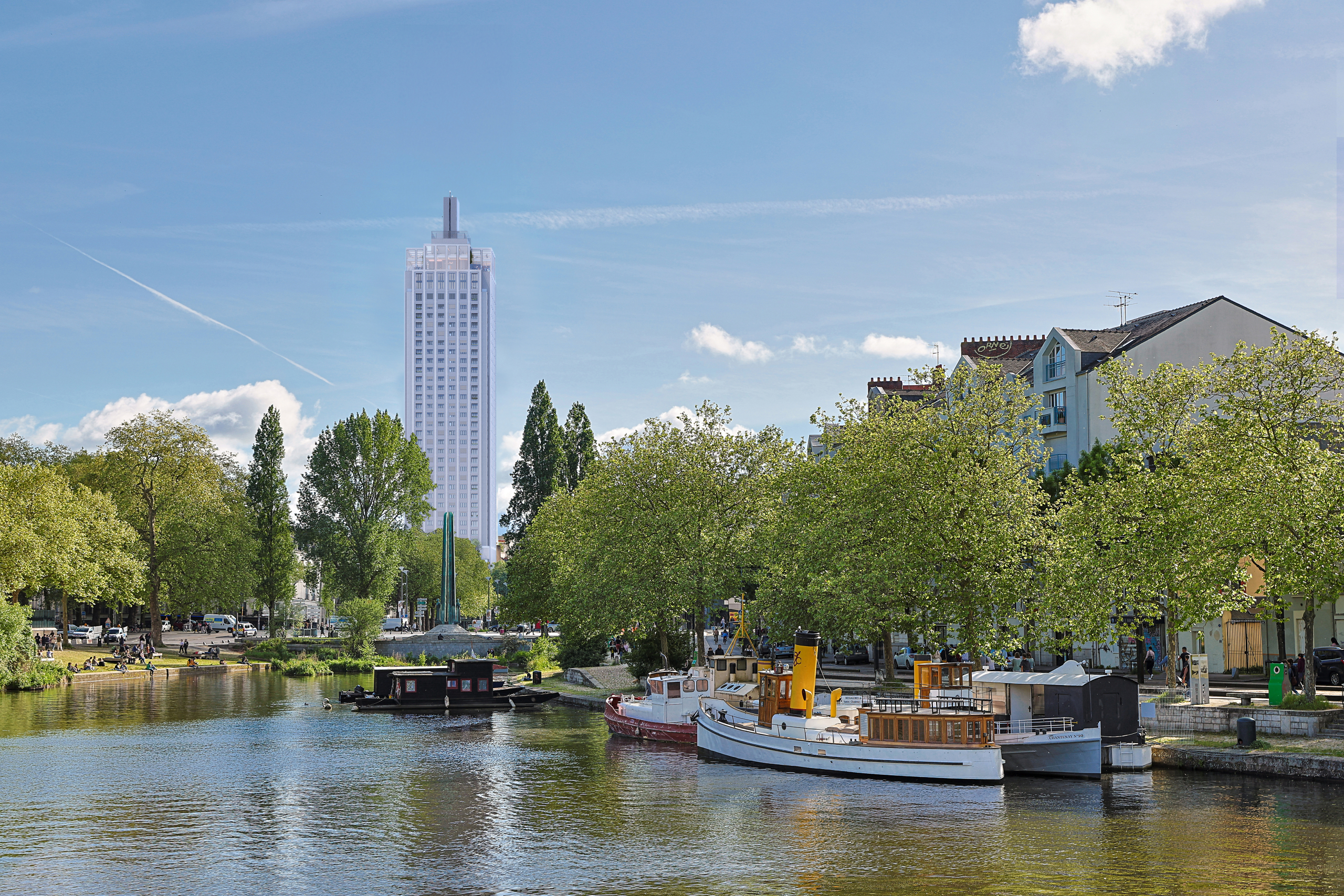
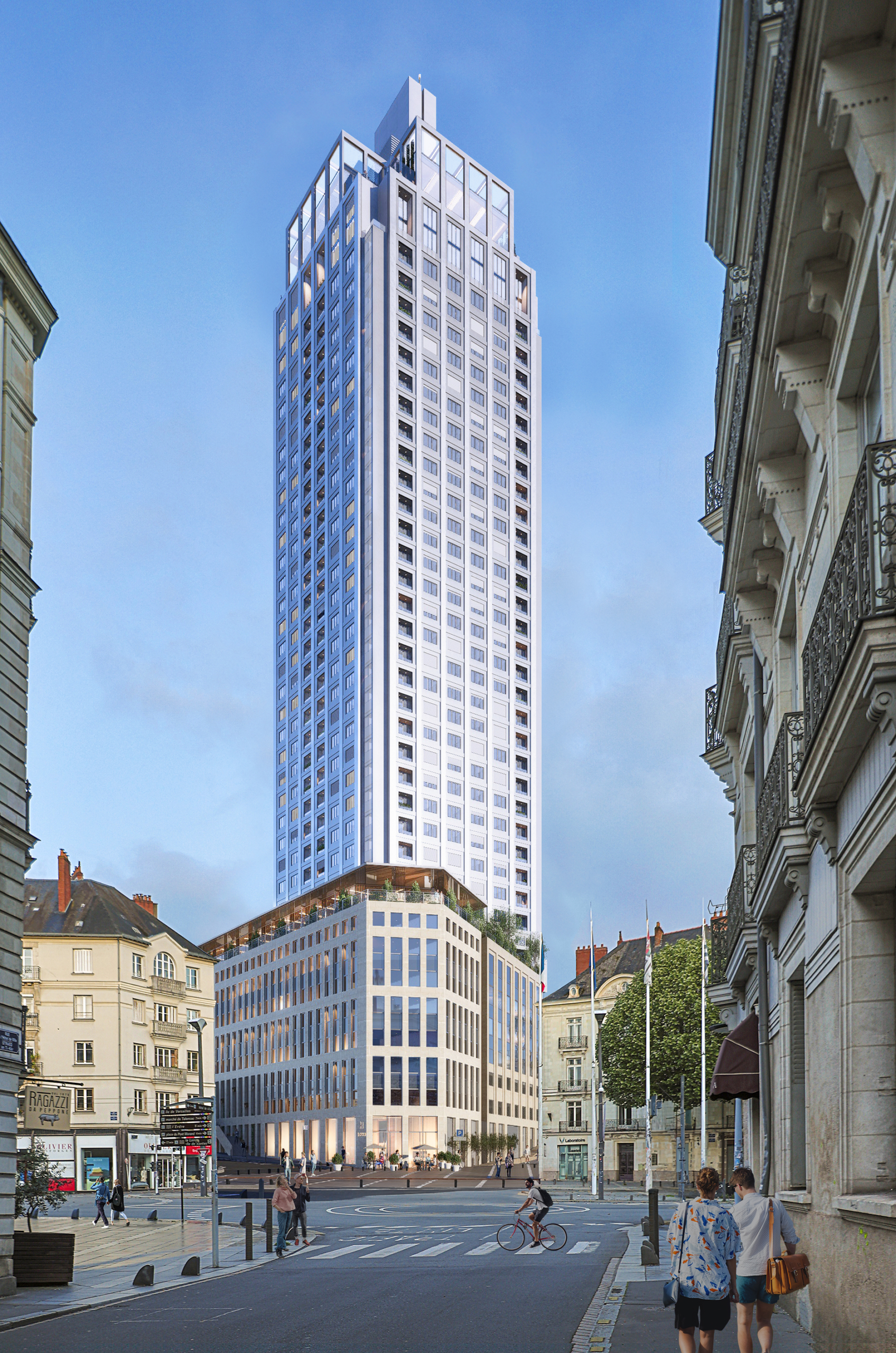
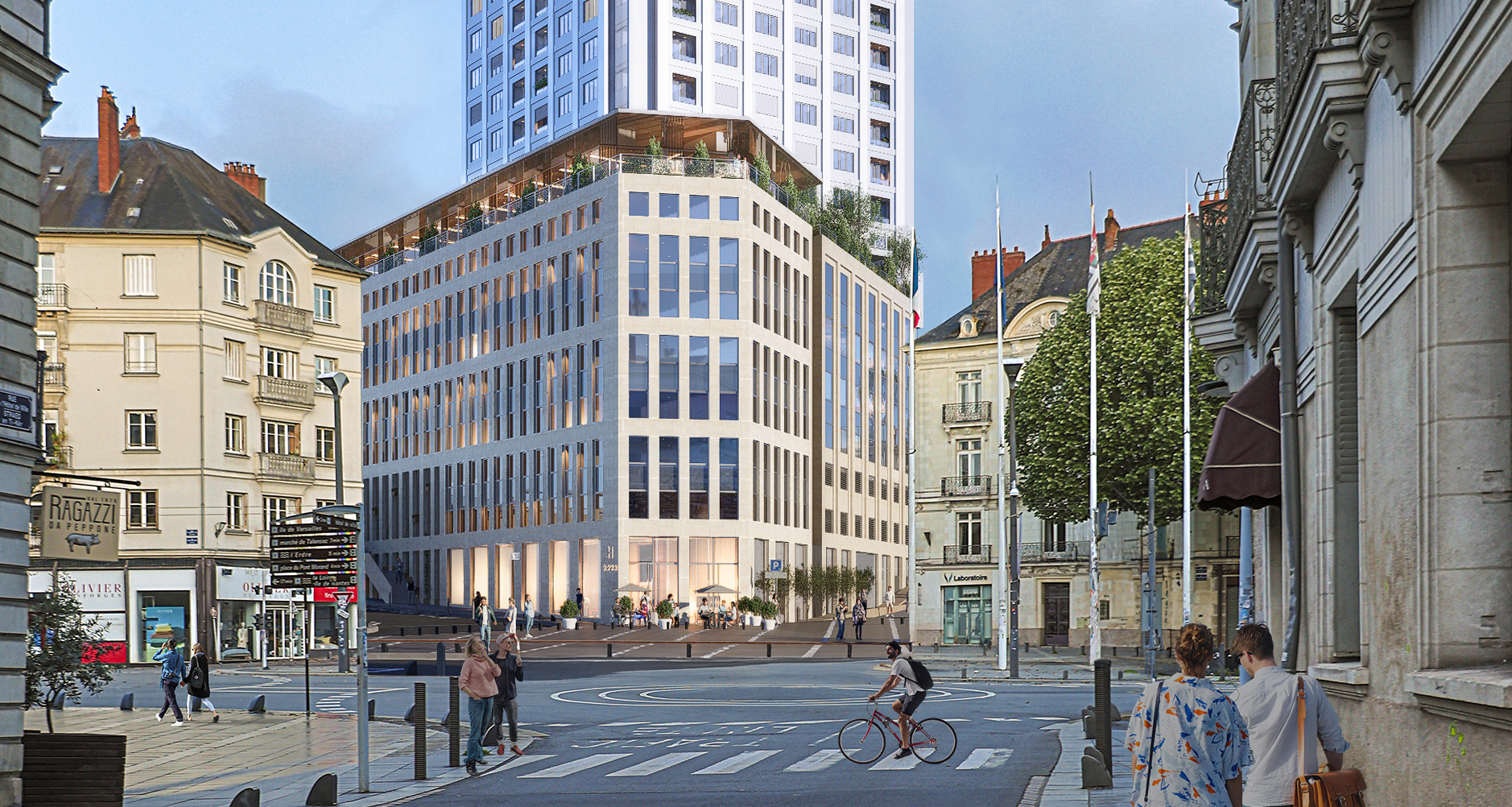
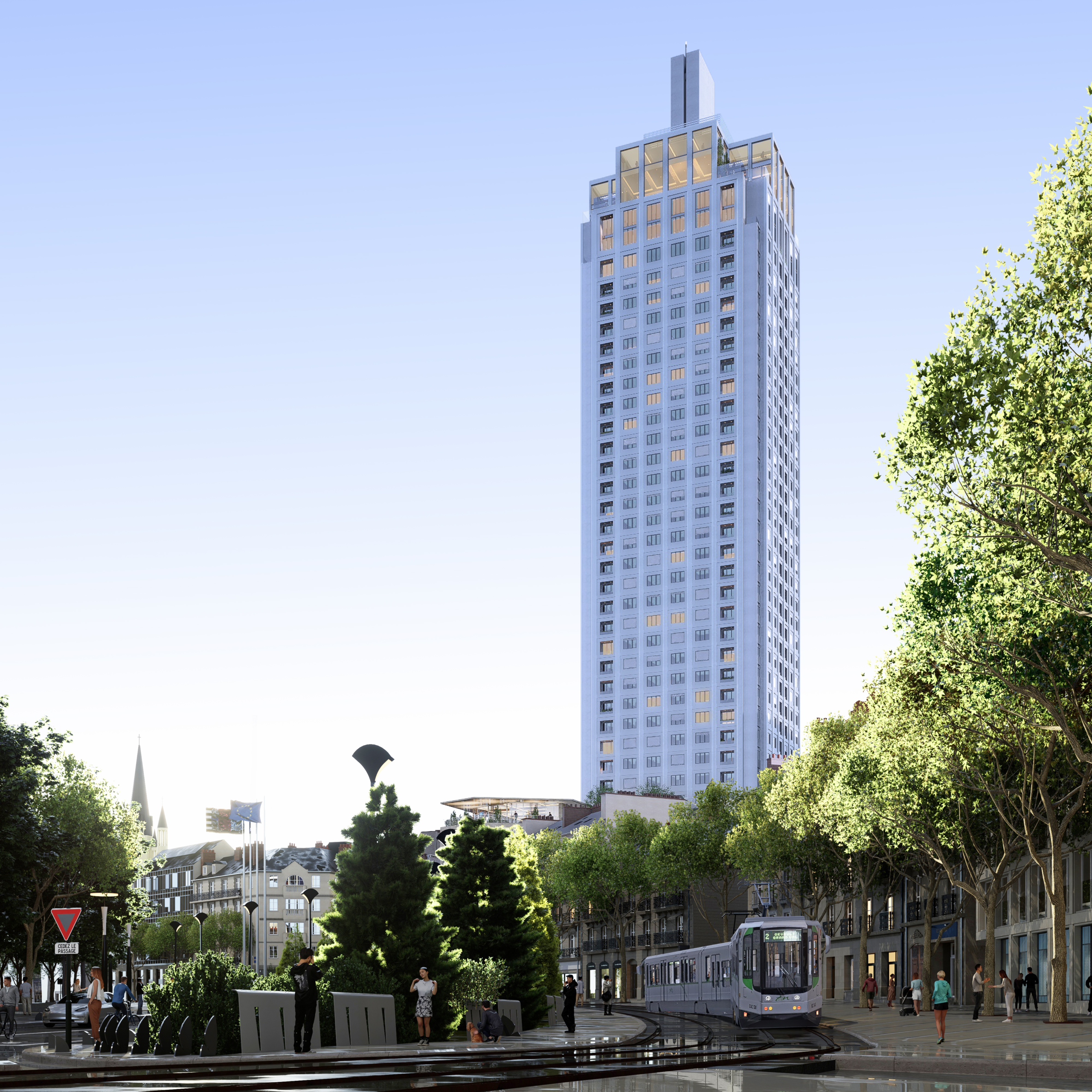
Built in the 1970s in the historic center of Nantes, the Tour Bretagne is an ambiguous urban landmark with which the people of Nantes have a love-hate relationship. Now obsolete, it retains its status as an emblem, prompting visions of a restructuring that would breathe new life into it. To appropriately reinforce its role as a landmark, the PCA-STREAM and MAGNUM consortium has opted for a restrained intervention, devoid of gratuitous or formalistic gestures, without any thickening, but emphasizing its slenderness for aesthetic, technical, and economic reasons. The quest for a new slenderness carves a graceful silhouette into the cityscape, culminating in a generously proportioned crown in the classical style of historic towers. The existing façade is replaced with a new cladding of recycled aluminum, in a natural hue that elegantly shifts color with the weather. The necessary densification of the complex involves adding an adjacent building within the base. The new Bretagne Tower will offer a living space where everyone can go to work, relax, meet, and explore.
Responsible Redevelopment
Beyond aesthetic and symbolic considerations, the architectural restraint is part of a design strategy aimed at minimizing the carbon footprint. The decision to minimize structural intervention reduces carbon emissions associated with new construction. Bio-based or reused materials, particularly recycled aluminum and stone, are prioritized throughout the project. Despite the inherently mineral nature of a tower, the creation of green spaces allows the project to contribute to efforts to enhance urban biodiversity. The project helps promote sustainable transportation by offering a large bike storage area, easily accessible from Rue du Pont-Sauvetout. Equipped with passive insulation, the new Bretagne tower encourages its residents to conserve energy by prioritizing natural ventilation in the apartments.
A vibrant program
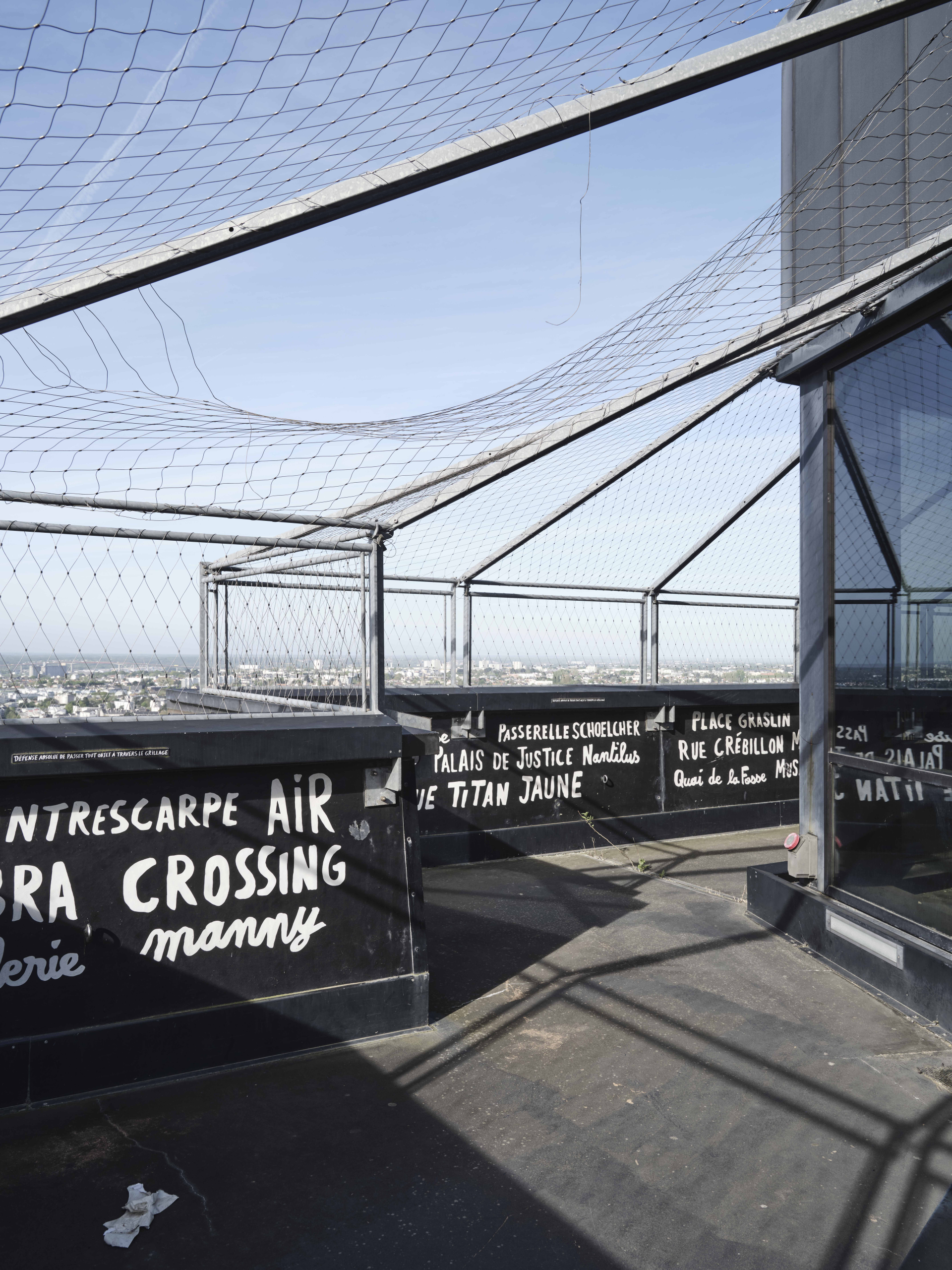
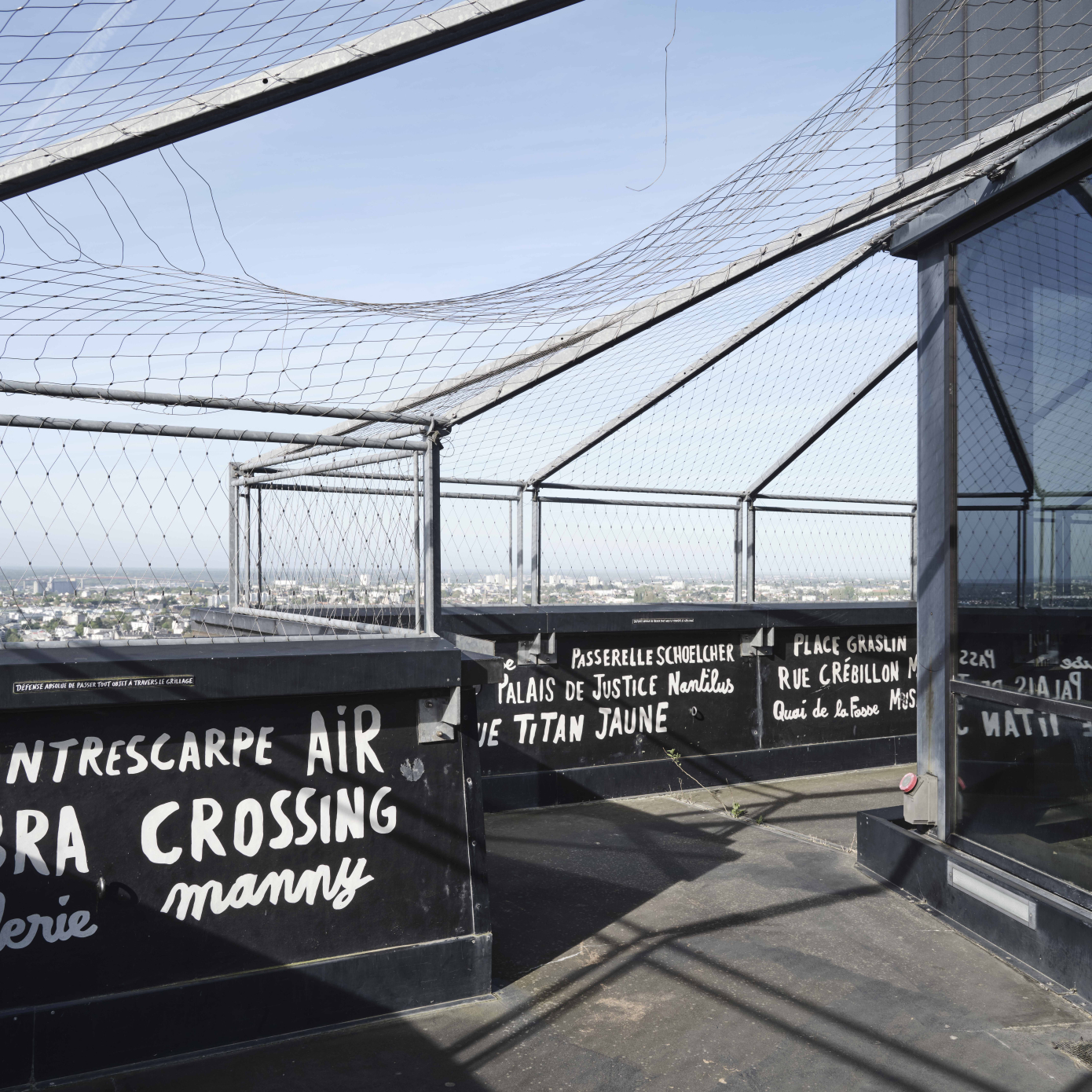
PCA-STREAM and MAGNUM have chosen to increase the project’s density through the base, with two visually distinct buildings that remain connected to the tower’s overall identity. The new tower thus features a hotel and retail spaces at its base, a restaurant atop the podium—nestled within a vast garden terrace—crowned by a residential tower, all topped by a rooftop bar with panoramic views. It aims to succeed where the historic project had shown its limitations, with a dynamic base of activity, integrated into its neighborhood, particularly on Place du Cirque. On the Place Bretagne side, on either side of the main entrance to the residential units, and on Rue du Pont-Sauvetout, commercial and activity spaces have been designed to accommodate a variety of uses thanks to their modularity. An iconic element of the project, the crown houses a rooftop bar that revives the famous Nid, dear to the hearts of Nantes residents. This exceptional space becomes the tower’s new symbol, allowing residents to contemplate and embrace its panoramic views.
Housing: the future of obsolete office towers?
The new Tour Bretagne project successfully integrates high-quality housing into a building not originally designed for that purpose, without significantly altering its structure. The main entrance is via Place Bretagne. The housing program features a variety of unit types, ranging from one-bedroom to five-bedroom units with three standard floor plans. The façade ratio of 40% glazed surfaces to 60% solid surfaces allows for particularly bright and pleasant living spaces, offering spectacular views and outdoor loggia areas, while maintaining optimal thermal comfort. The challenge of such a project is both aesthetic and symbolic, given the widespread disaffection with high-rises in France: it avoids the banality of a typical residential tower—stigmatized by the negative image of large housing complexes—by drawing on the architectural codes that gave rise to the invention of high-rise architecture, particularly in early 20th-century New York.