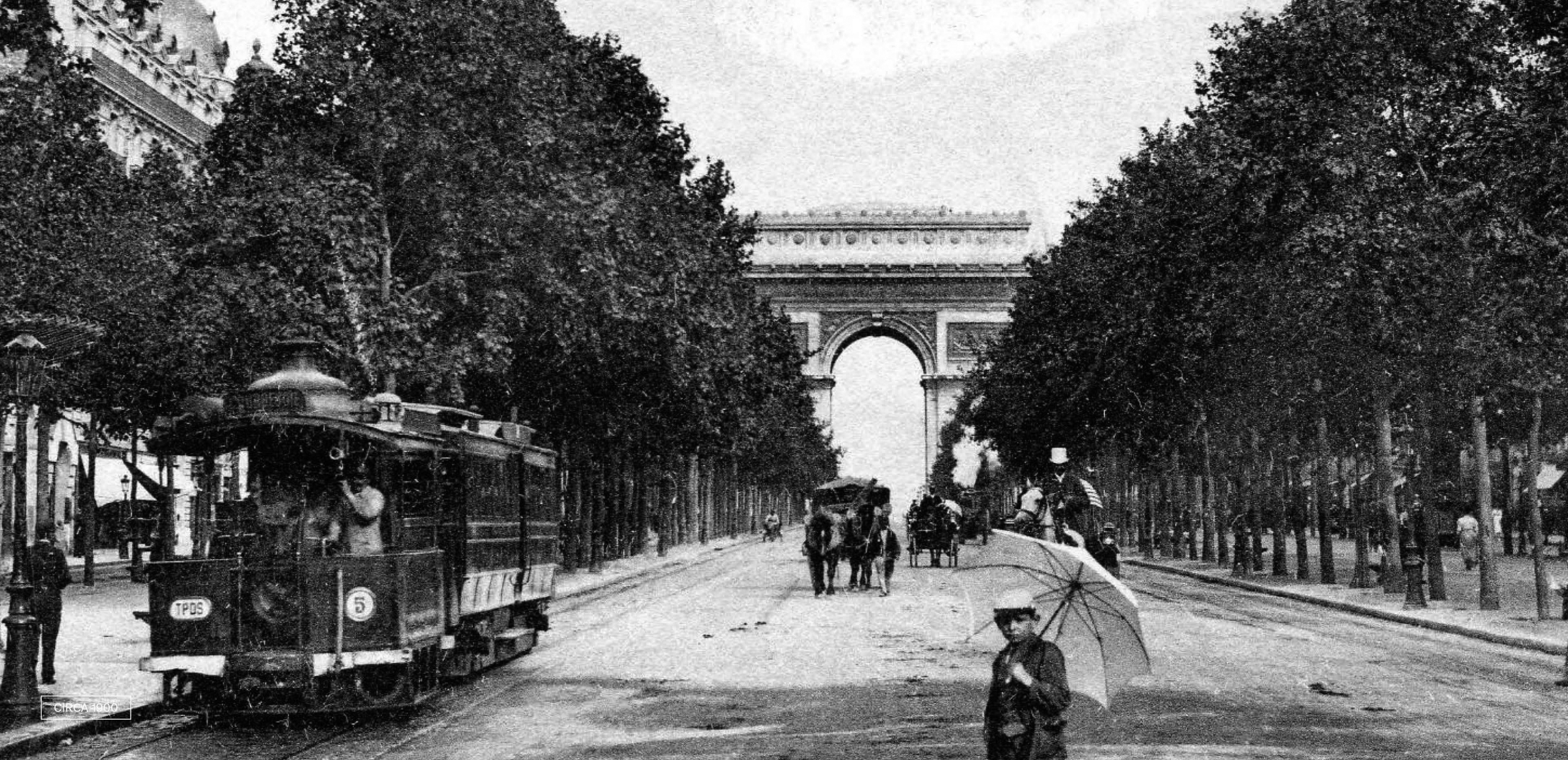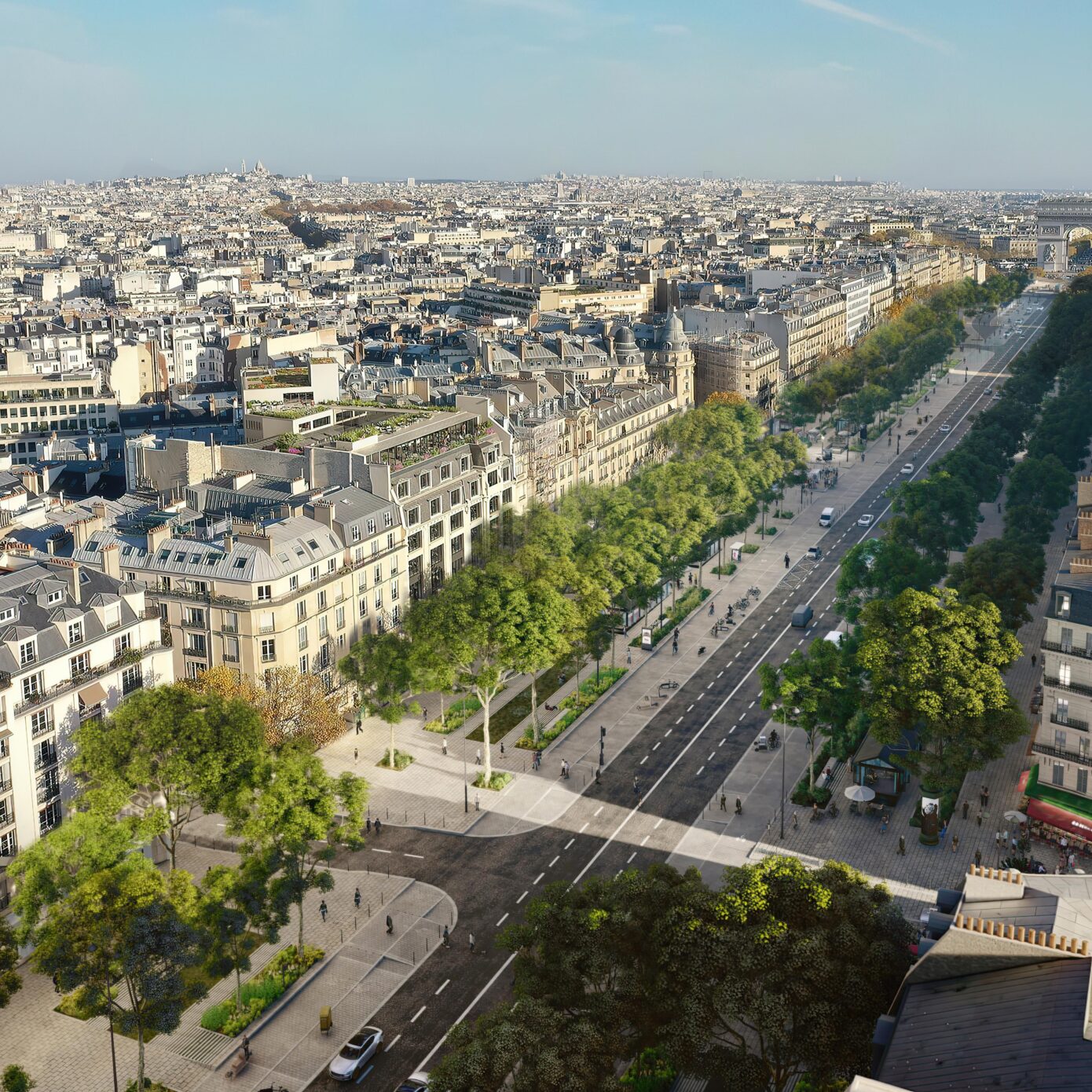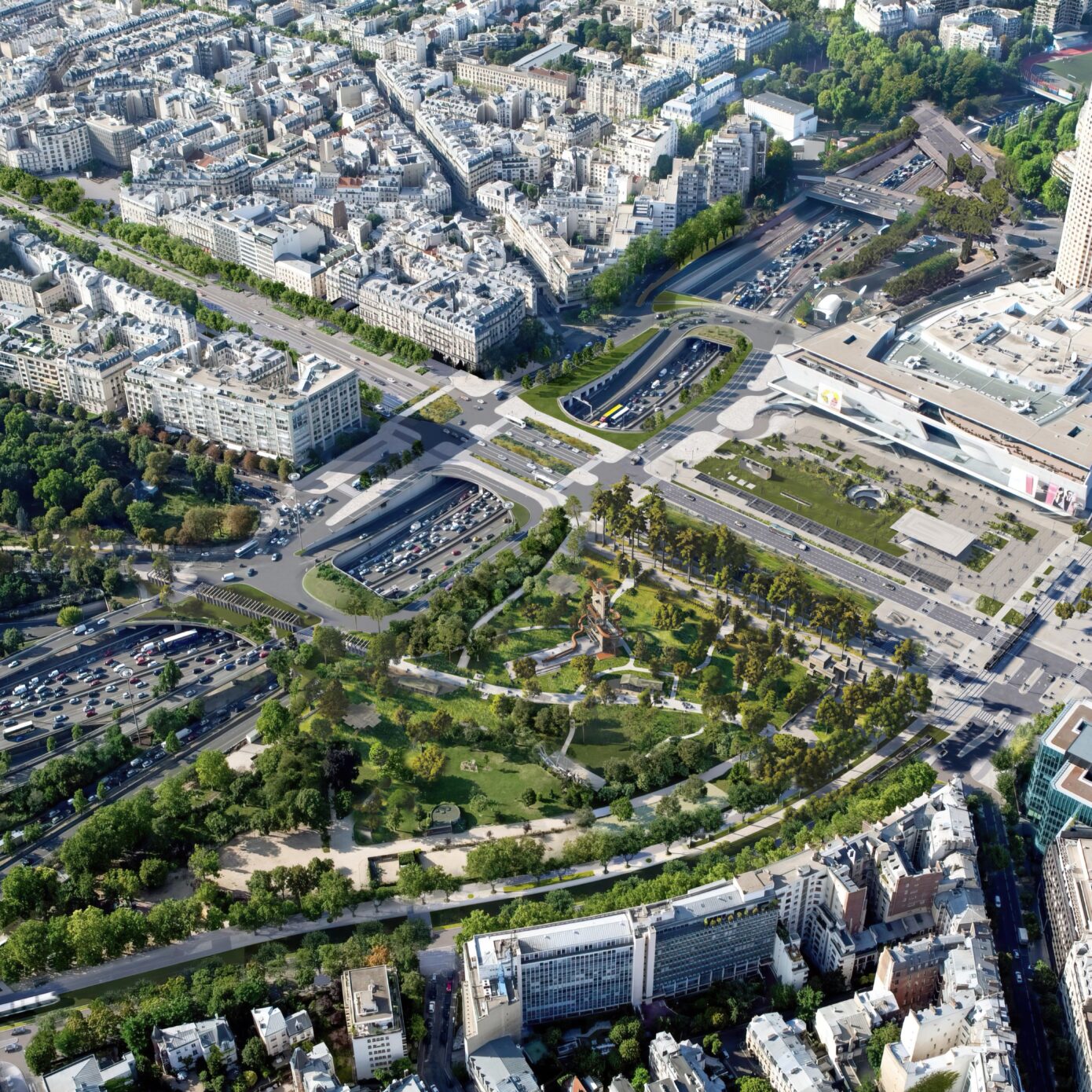
Avenue de la Grande-Armée is the central segment of the historic axis, a boulevard designed in 1670 by André Le Nôtre for Louis XIV. Punctuated by a succession of monuments—from the Louvre to the Arche de La Défense, including the Obelisk and the Arc de Triomphe—it serves as a hub for transportation infrastructure as well as key centers of political, economic, and cultural influence. Avenue de la Grande-Armée is the only segment of the axis to have undergone no redevelopment for nearly a century, even as the new Porte Maillot emerges and the revitalization of the Champs-Élysées begins, alongside projects for the Allées de Neuilly and the Parc de La Défense.
From the Belle Époque to the urban highway
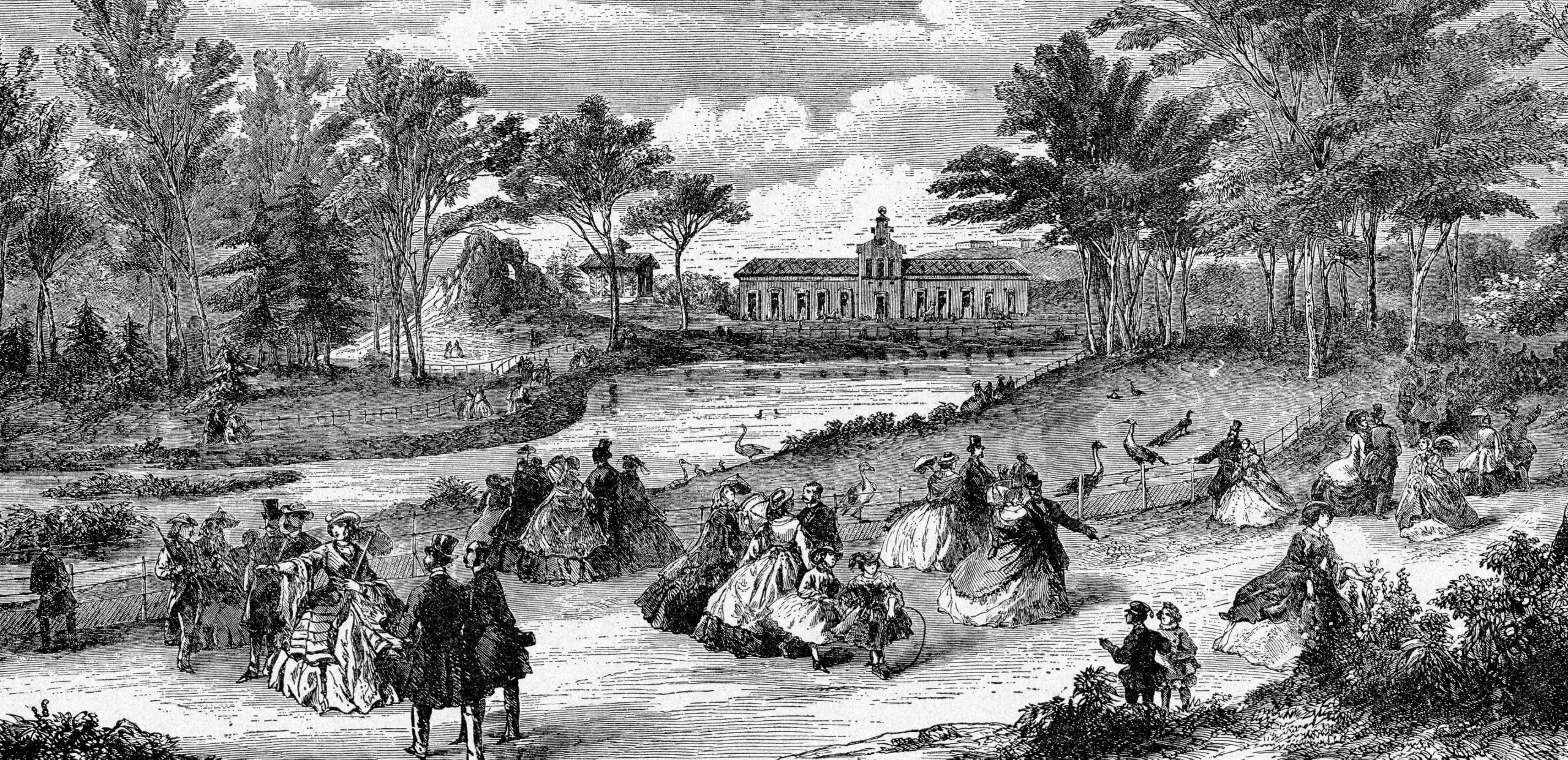
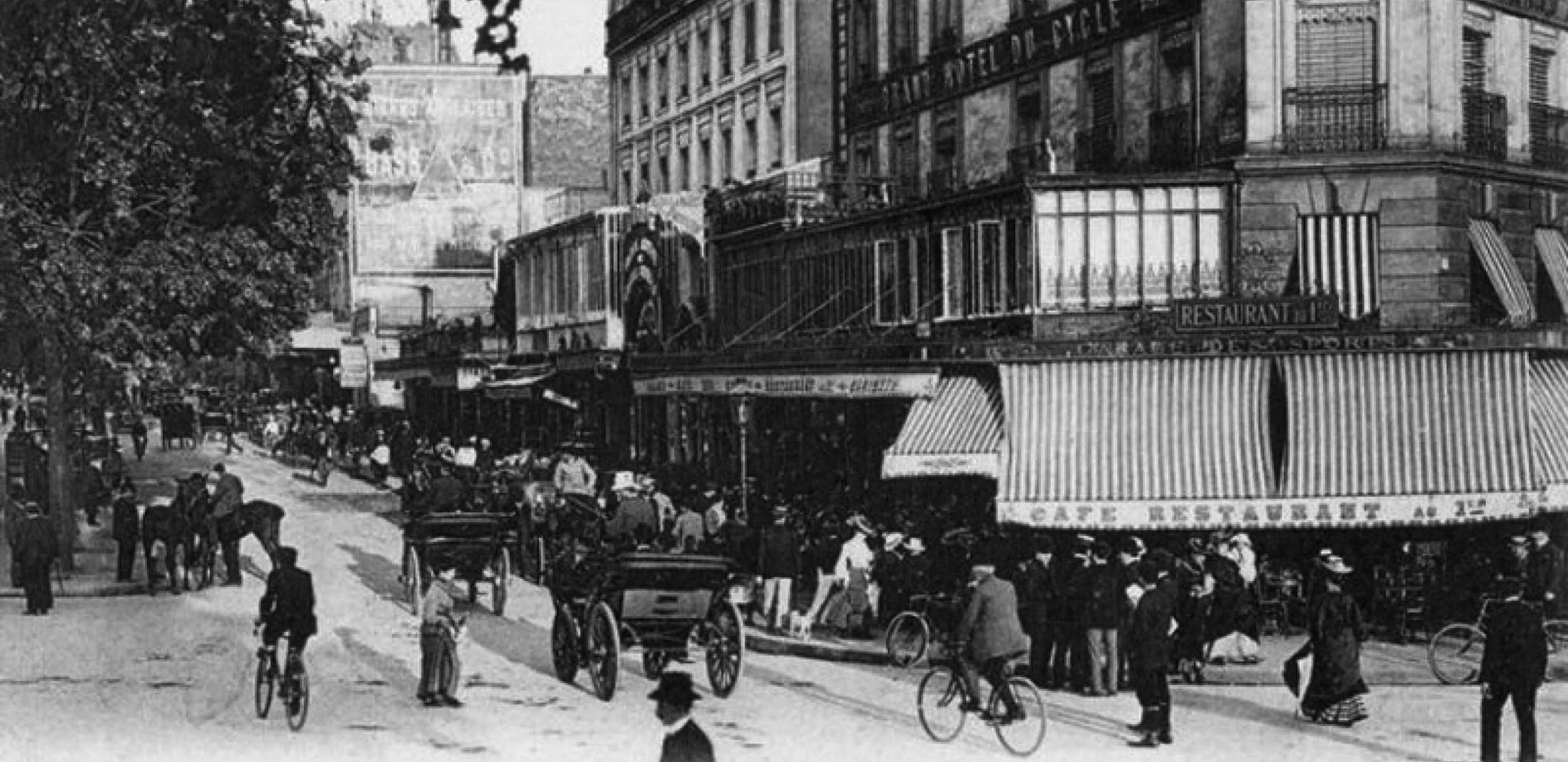
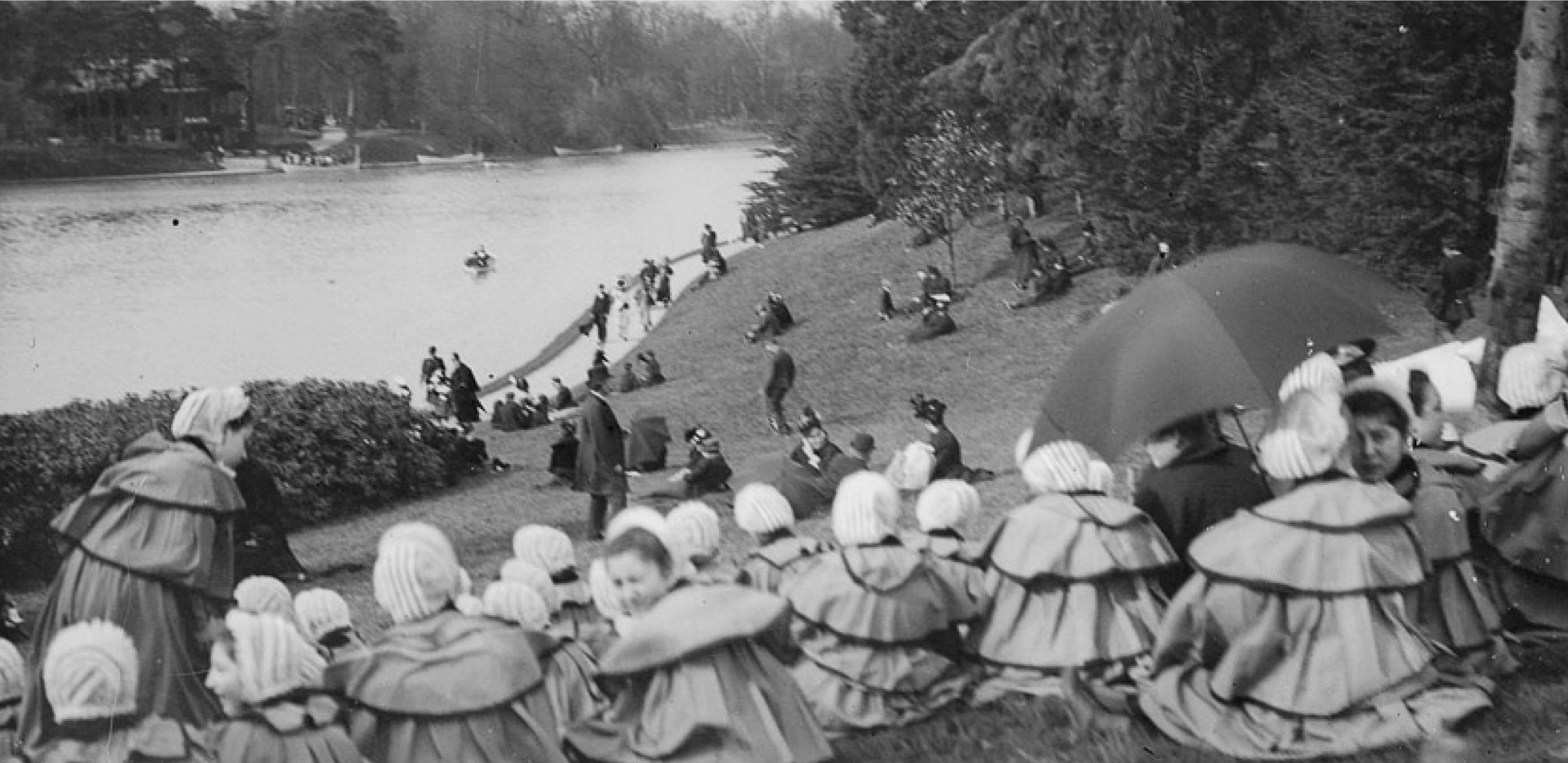
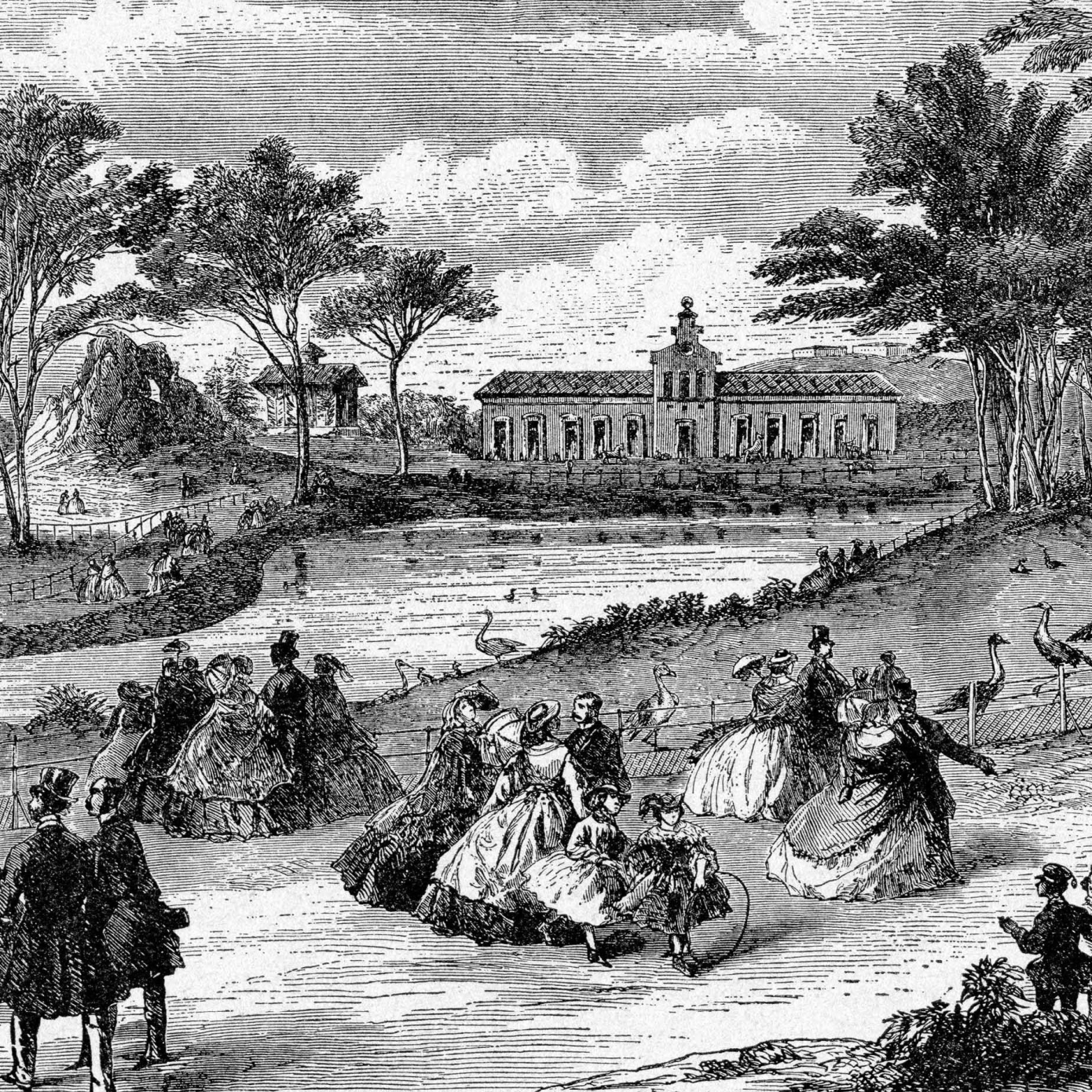
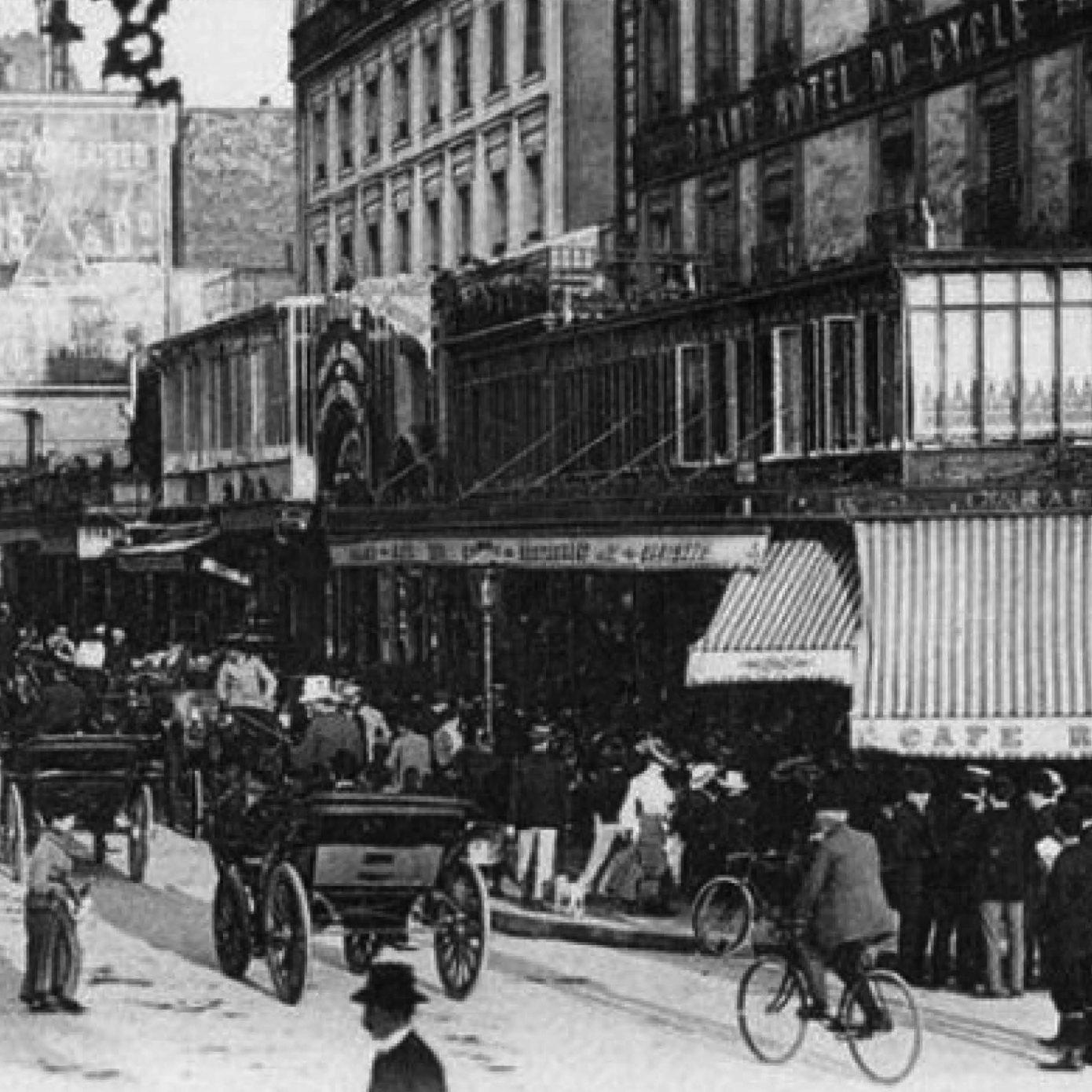
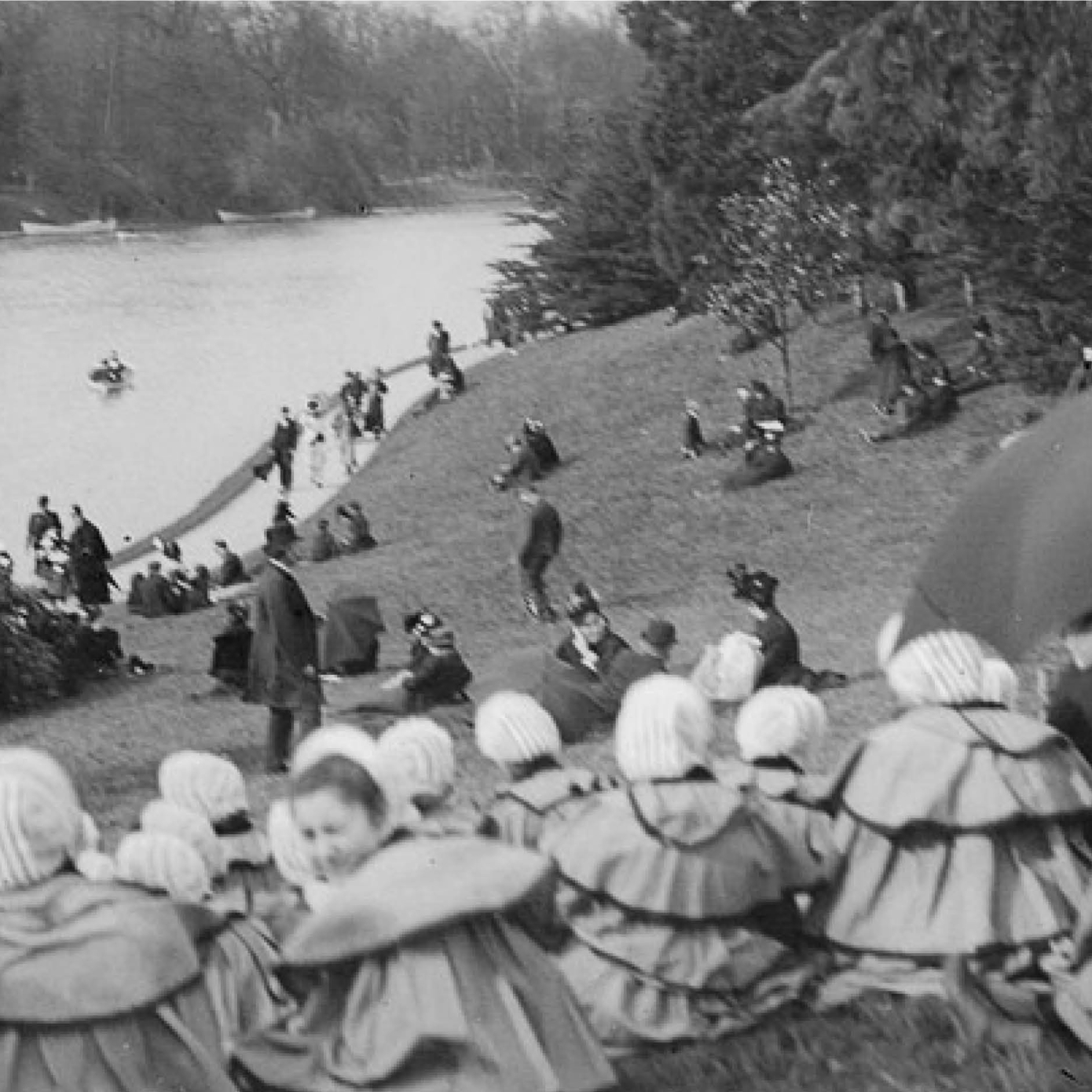
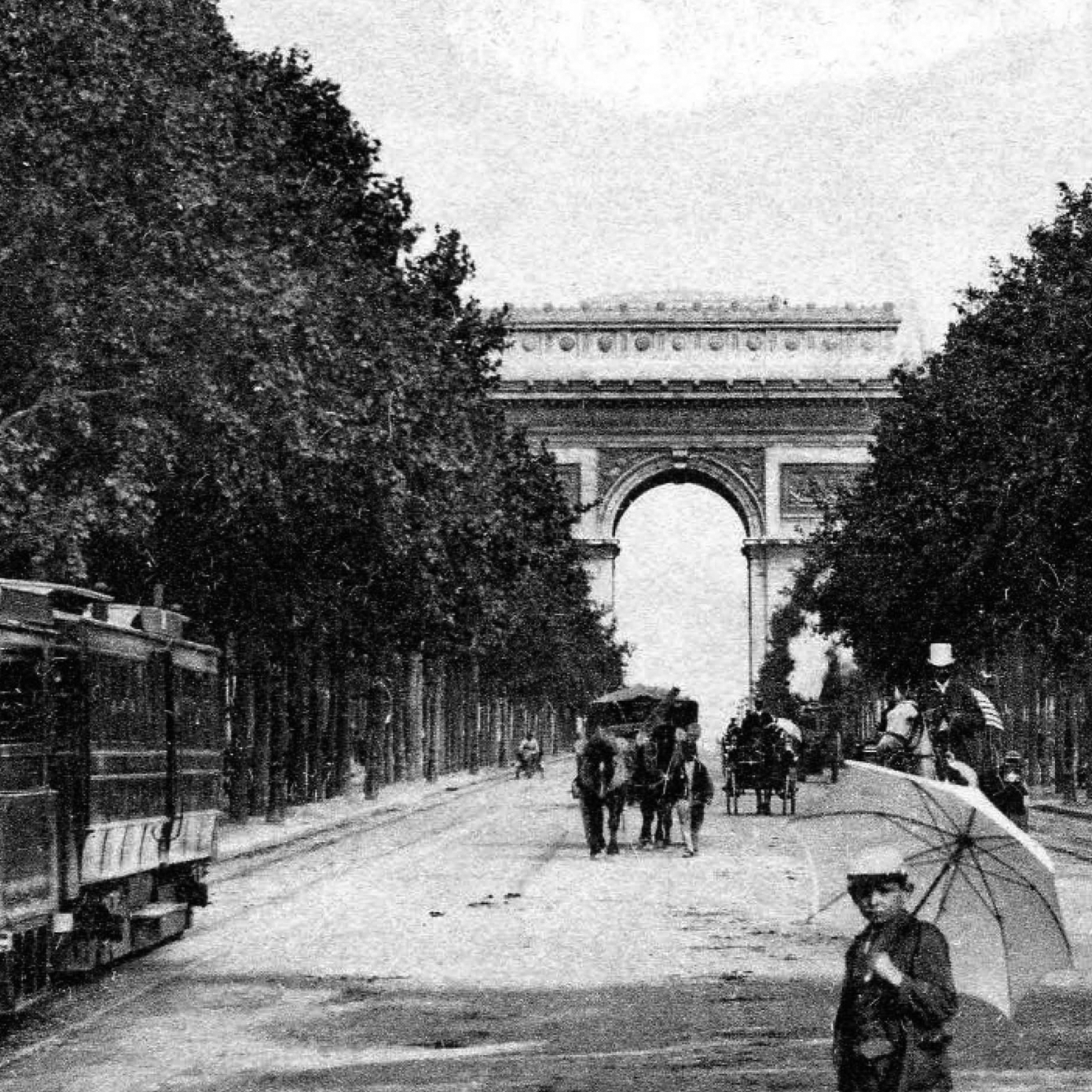
The Grande-Armée is a fallen emblem of the Belle Époque. Created in the mid-19th century, it is a wide avenue featuring two shaded promenades lined with four rows of trees. Lined with cafés and restaurants, the thoroughfare leading from the Champs-Élysées to the Bois de Boulogne became a fashionable and popular spot, where Parisians discovered modern leisure activities and came to enjoy fleeting entertainments or major events. The avenue was also a prime location for bicycle and later motorcycle brands, and would see the creation of France’s first bike path.
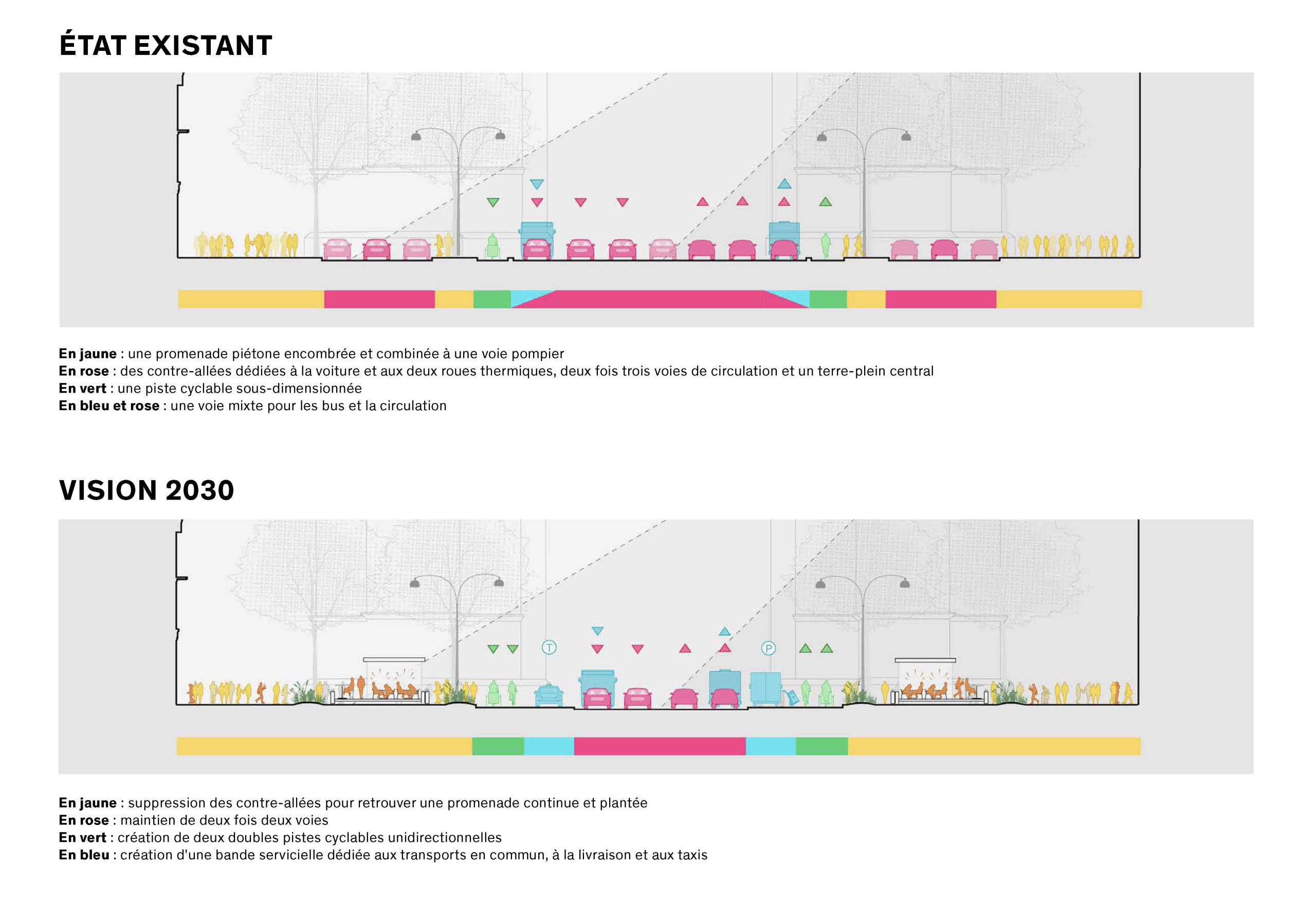
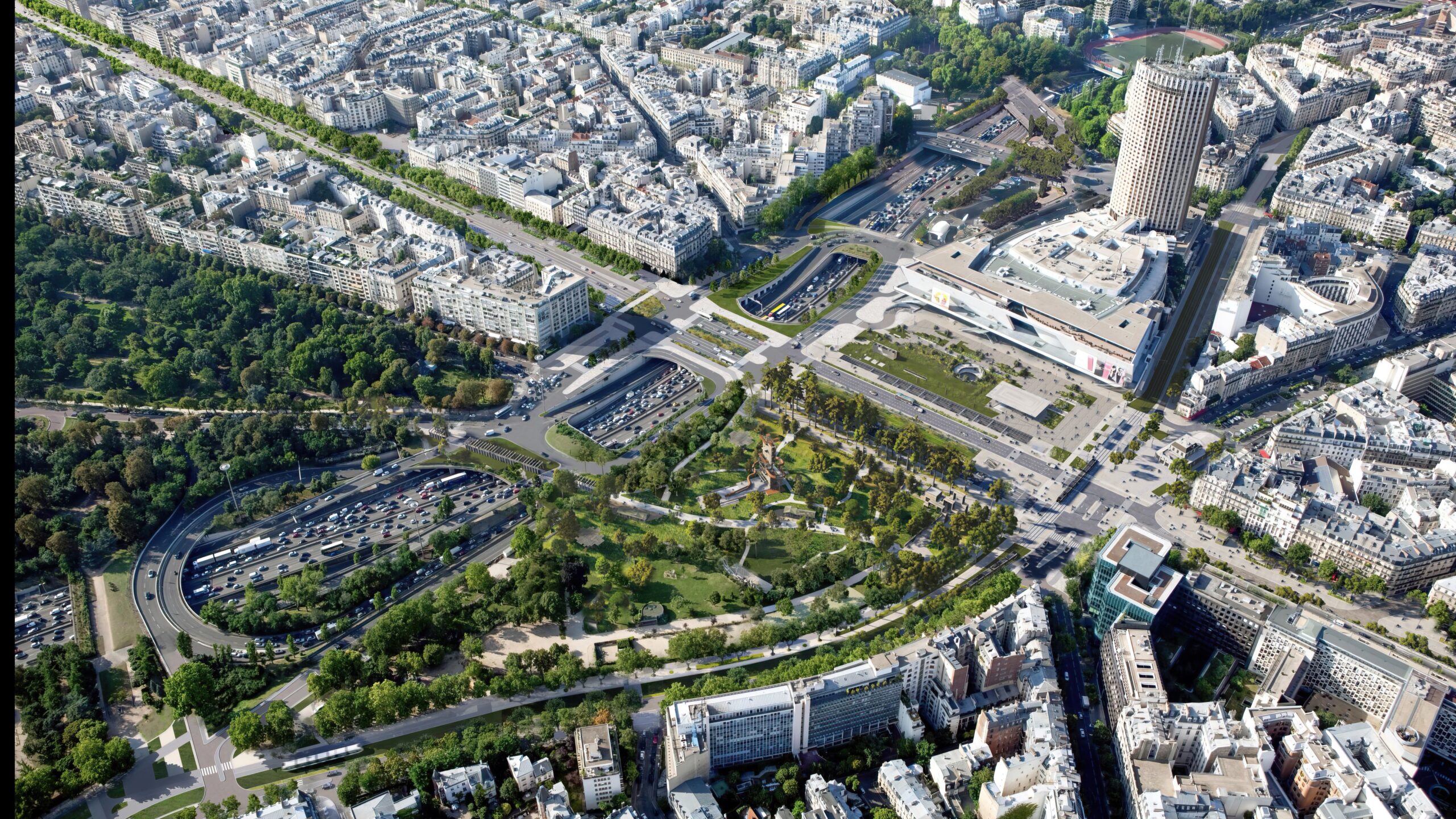
The dawn of modernity, however, marked a loss of identity and urban quality: with the rise of the automobile, Porte Maillot transformed into a highway interchange, and the avenue, featuring a widened central roadway, lost its tree-lined promenade and its popular events. The problems it faces stem from this transformation into an urban highway: having become hostile to pedestrians, it is exposed to levels of noise pollution and air pollution comparable to those of the Périphérique. The spirit of the promenade has vanished; access to the Bois de Boulogne is obstructed by the Périphérique and the creation of the Porte Maillot roundabout, while the exclusive focus on motorized two-wheeled vehicles makes coexistence with other uses difficult.
Addressing the Challenges of the 21st Century
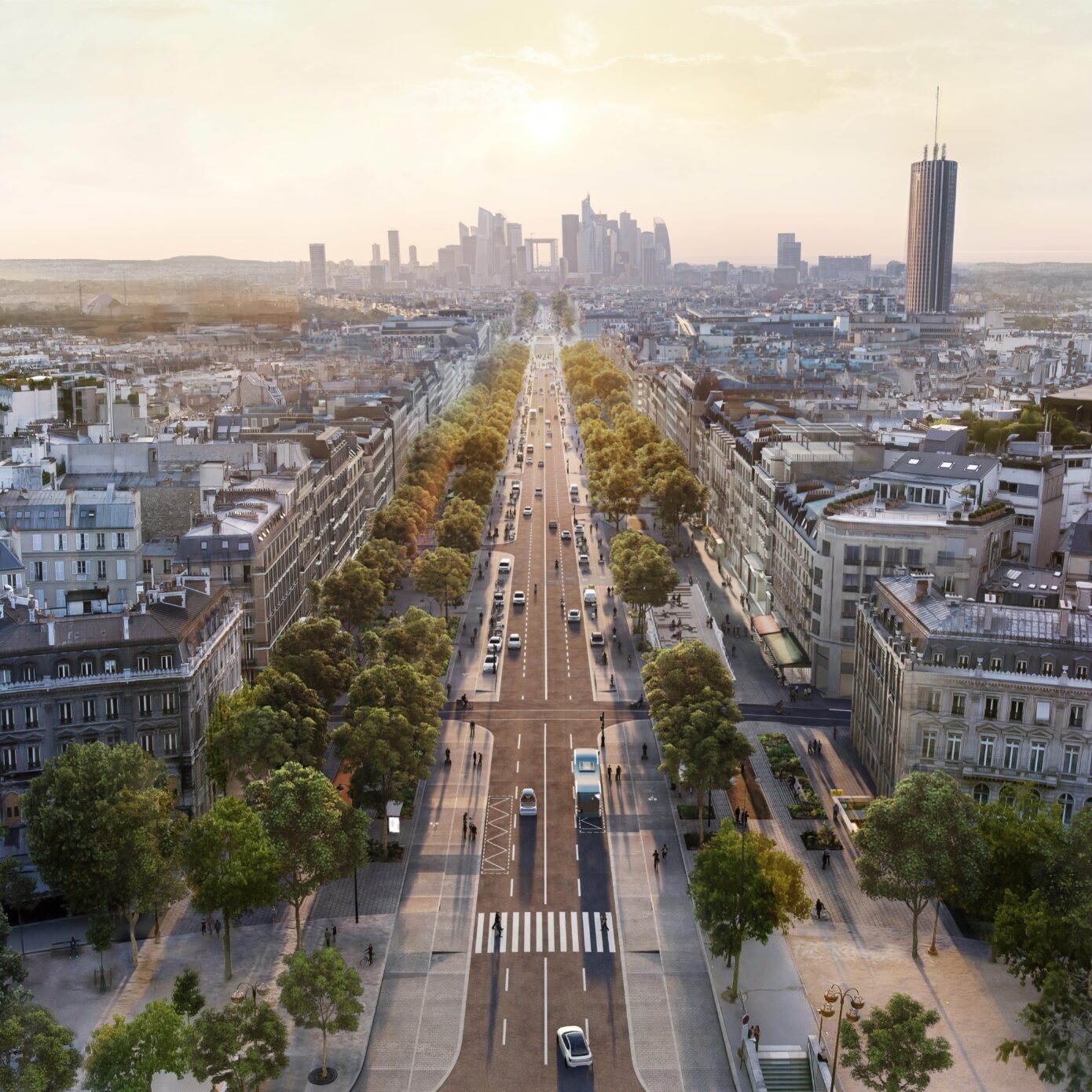
To fully participate in the urban dynamism of this historic axis and address the challenges of the 21st-century city, PCA-STREAM has developed a strategy based on three principles that celebrate its original identity: restoring the spirit of strolling, reconnecting with the woods and recreational activities, and creating a showcase for new forms of mobility.
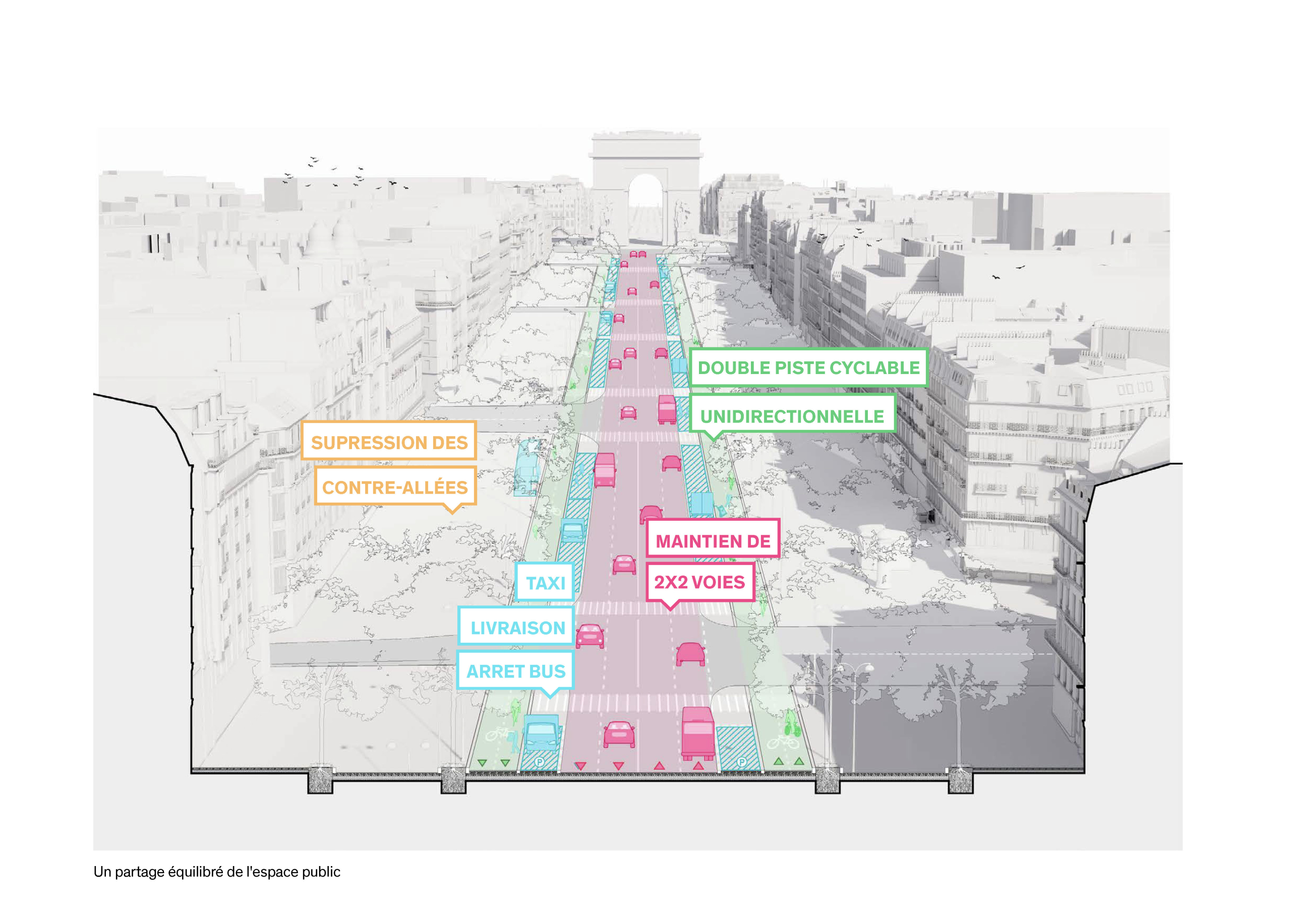
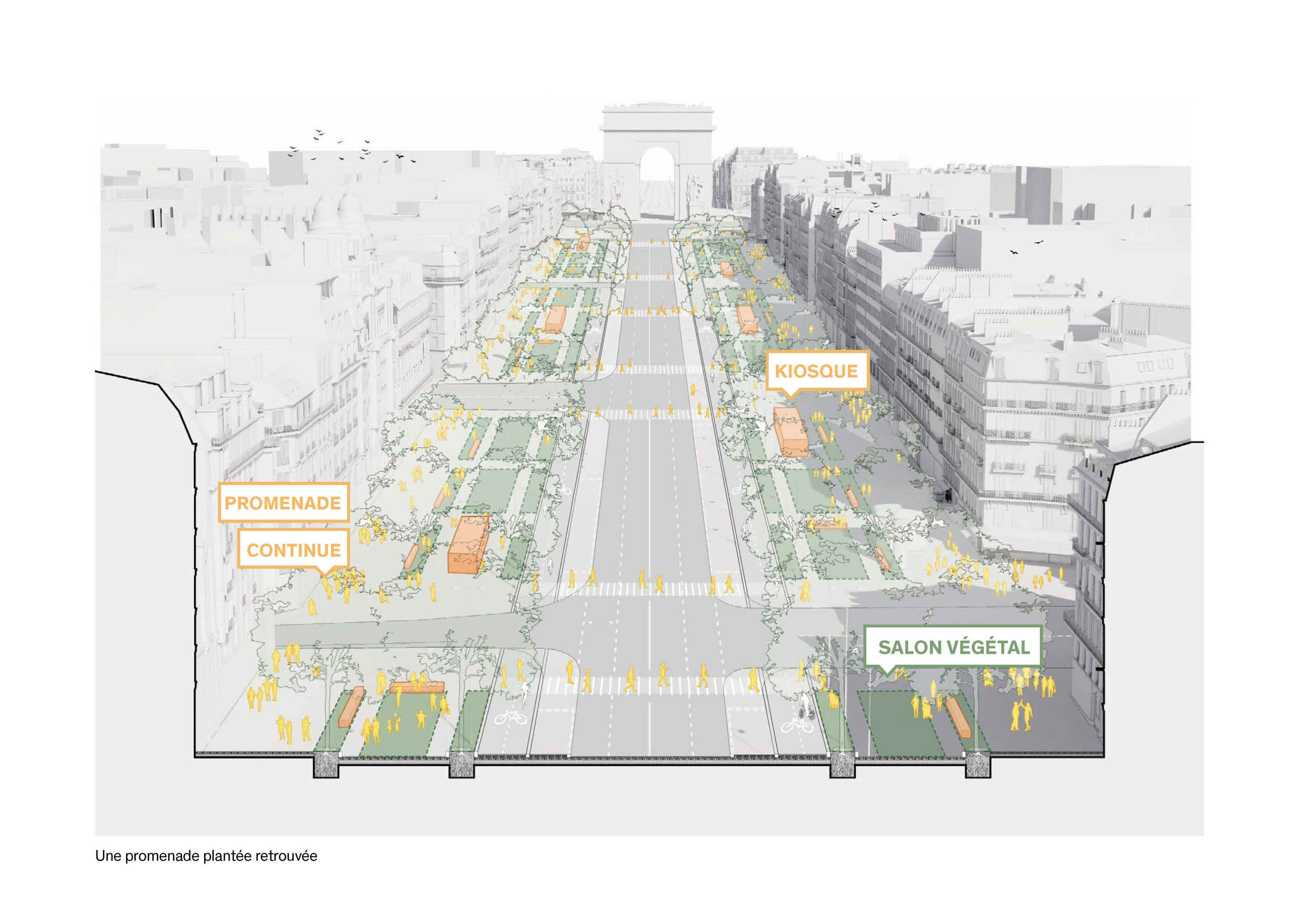
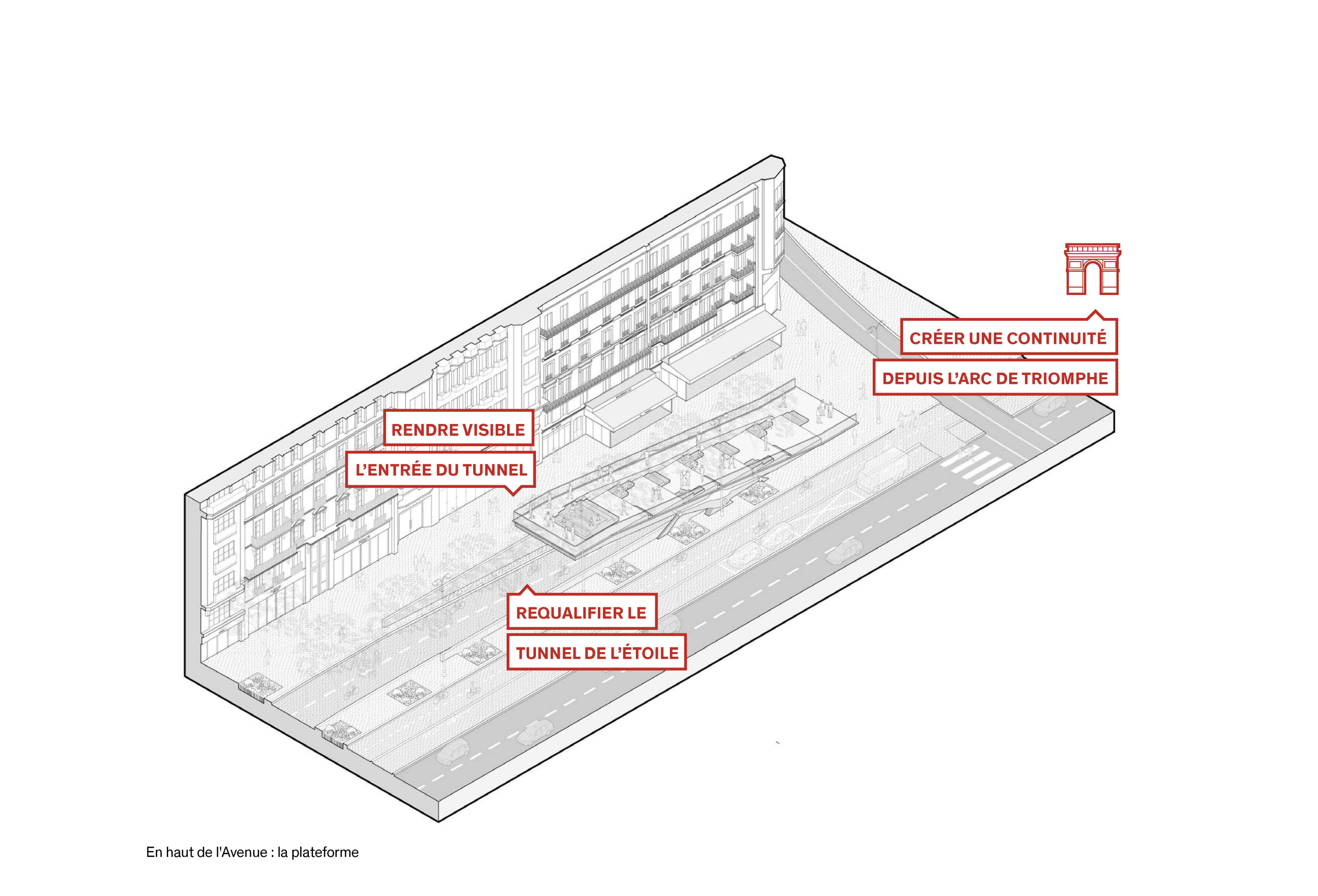
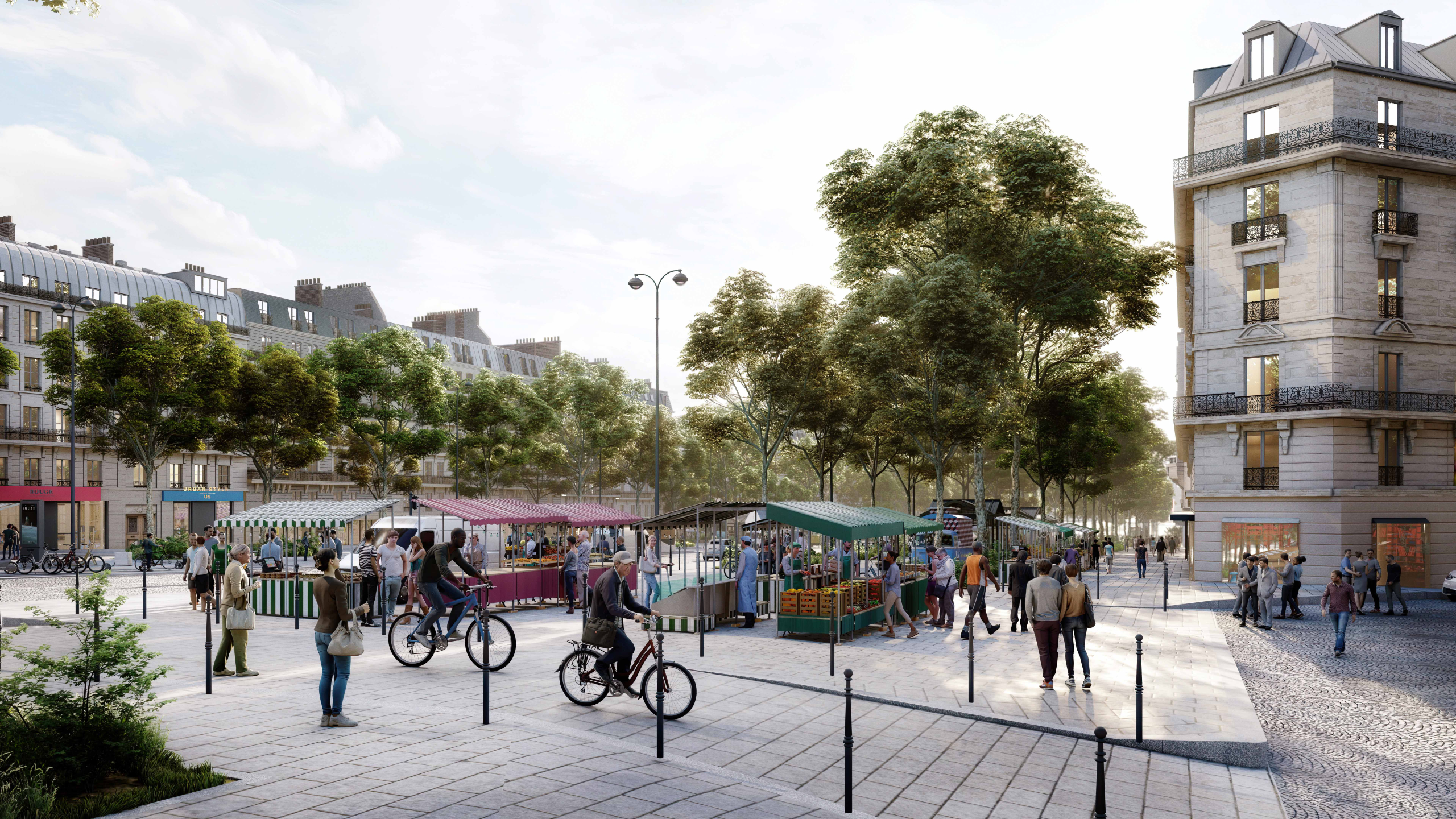
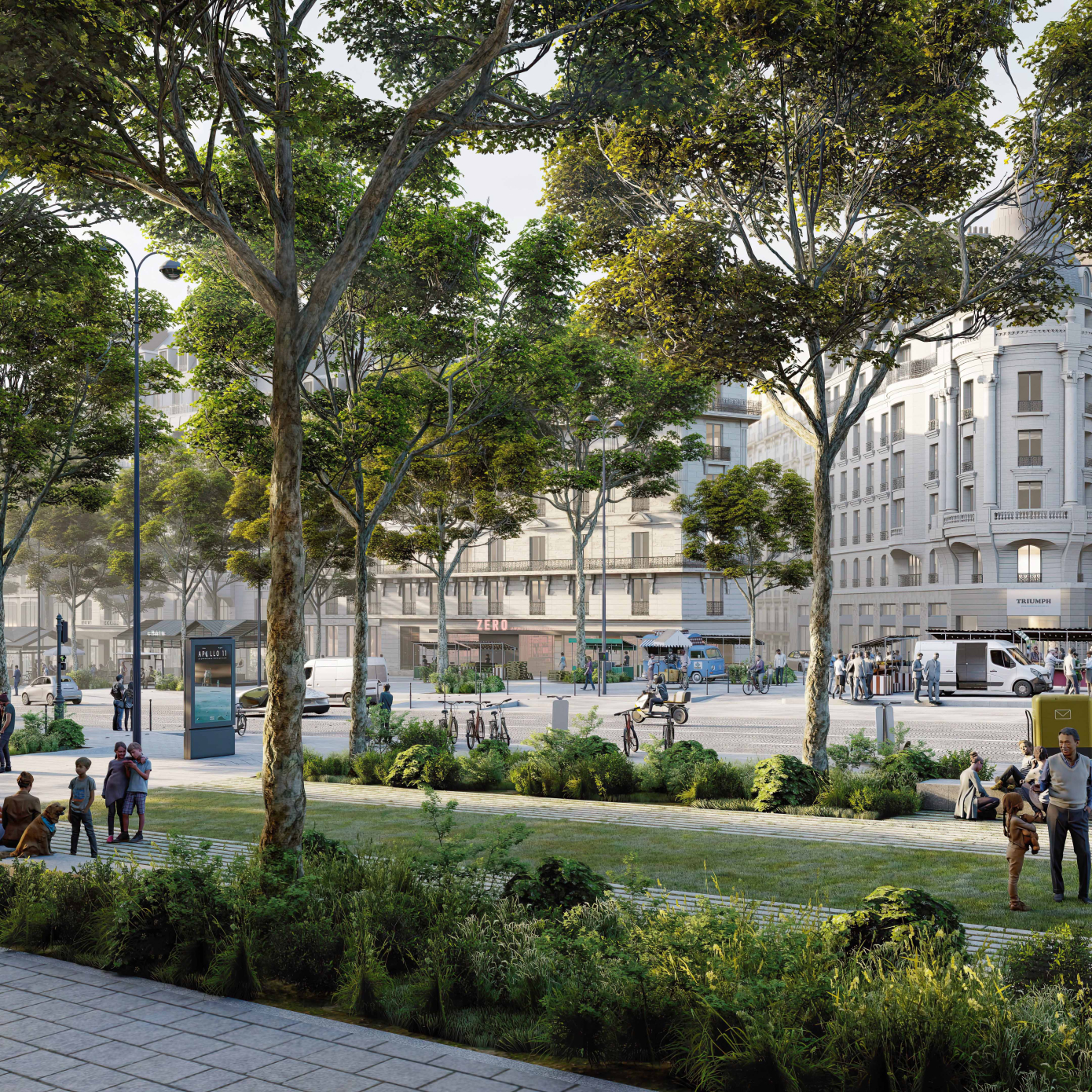
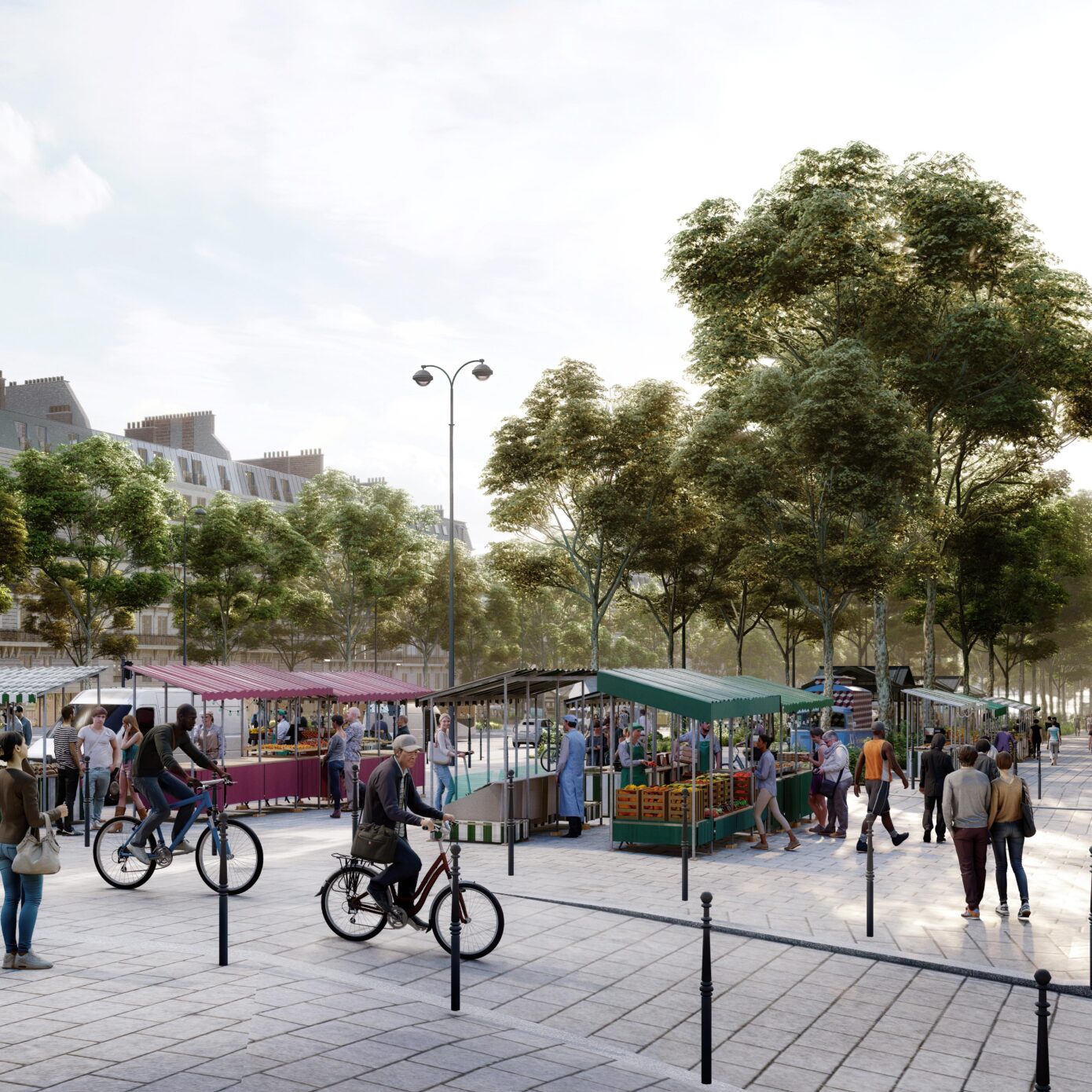
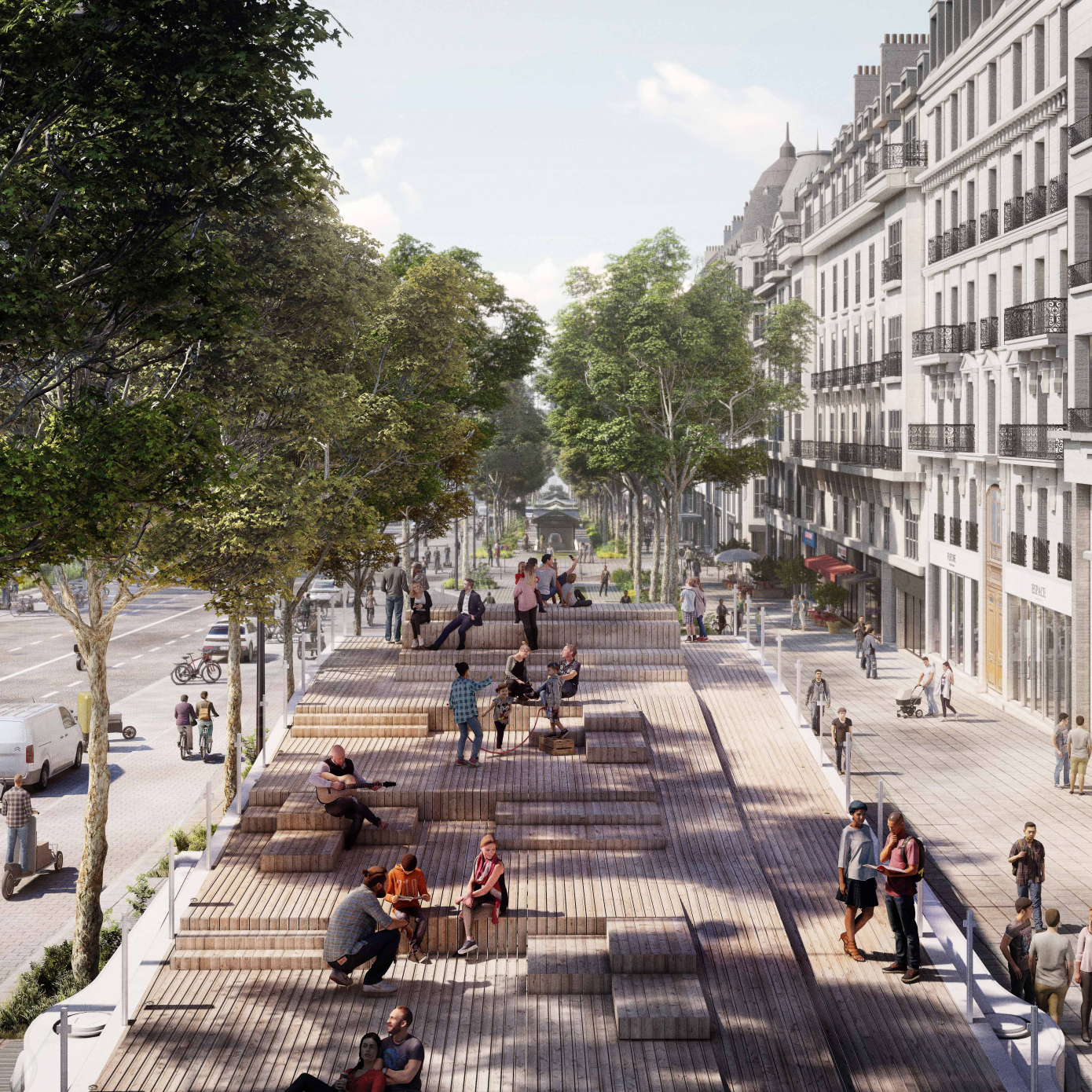
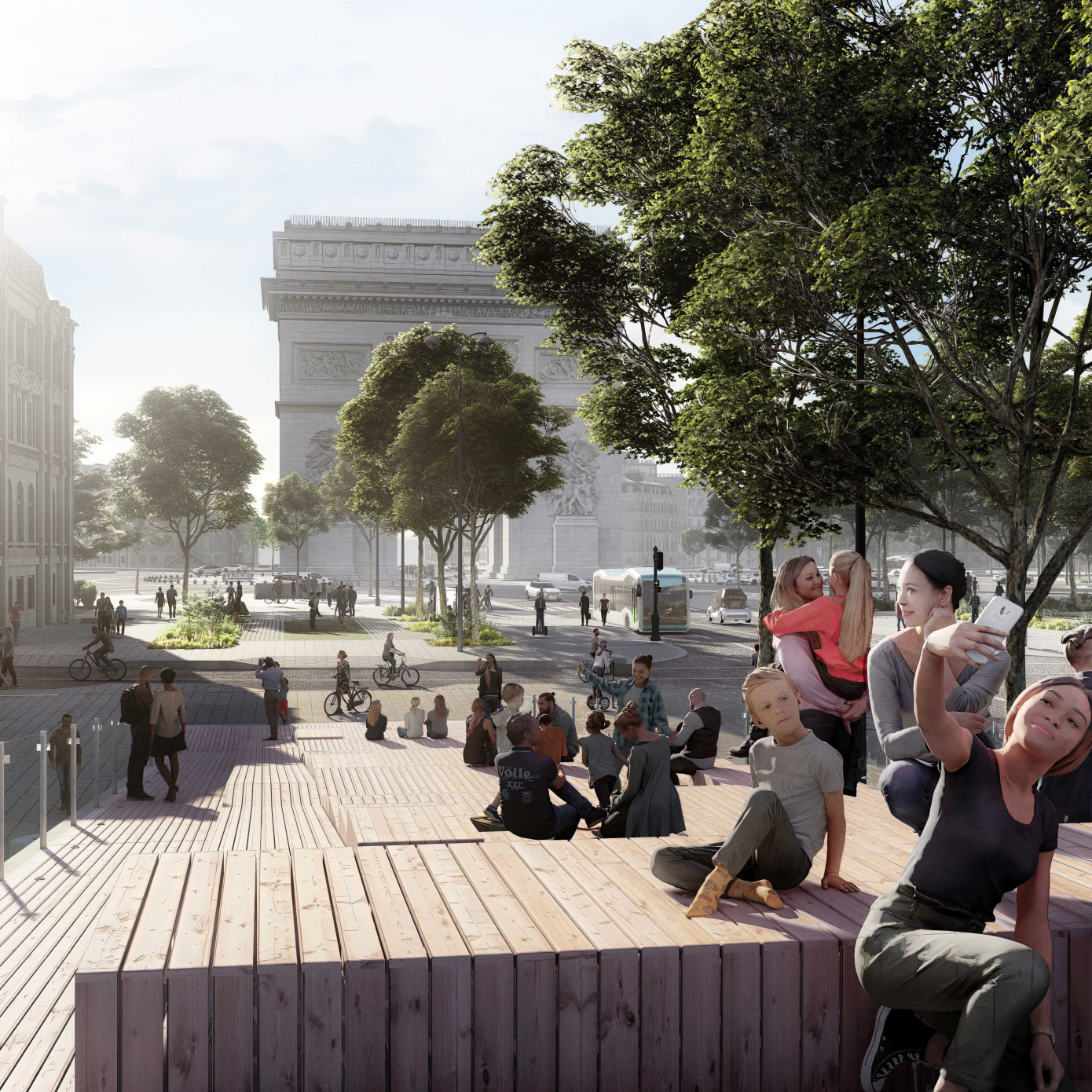
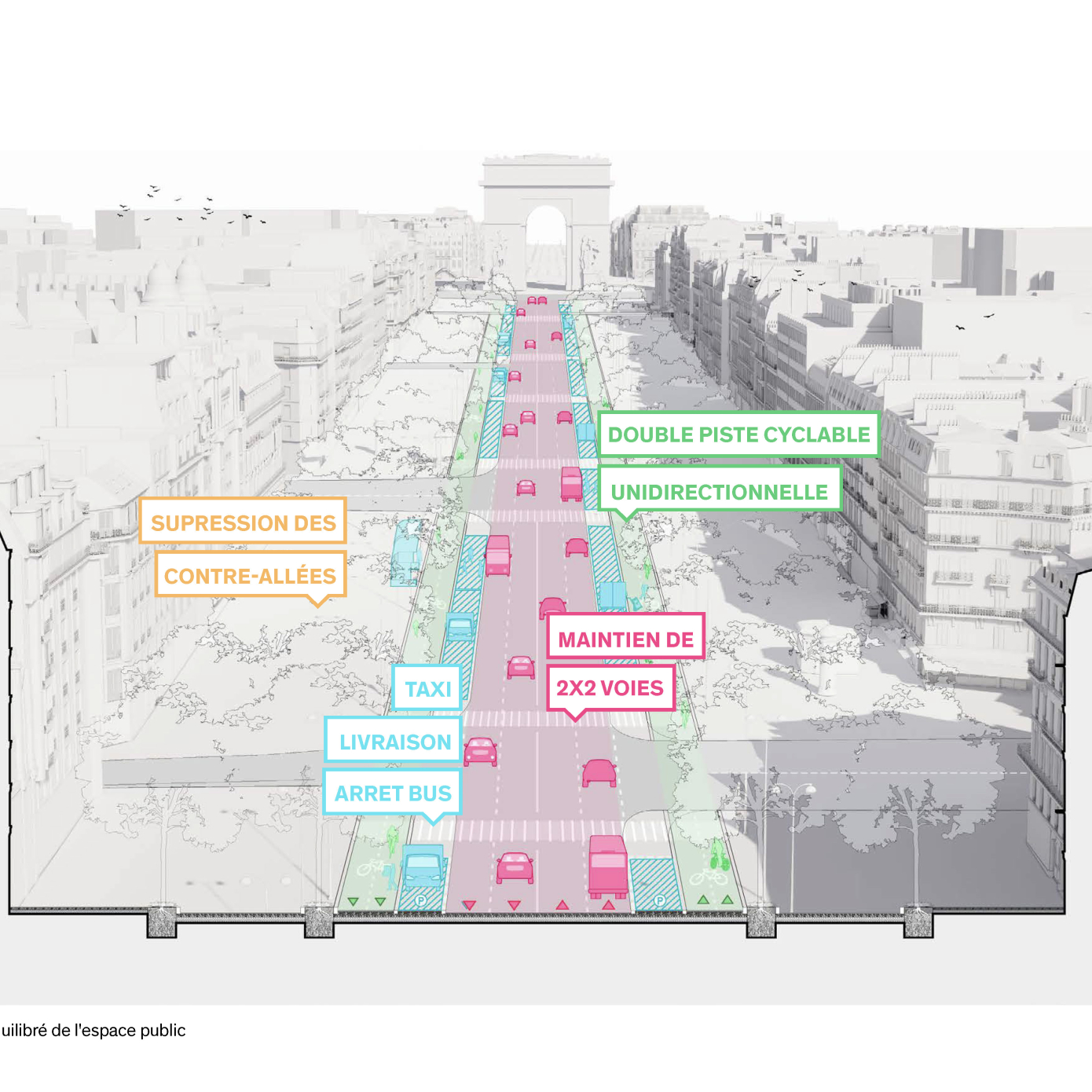
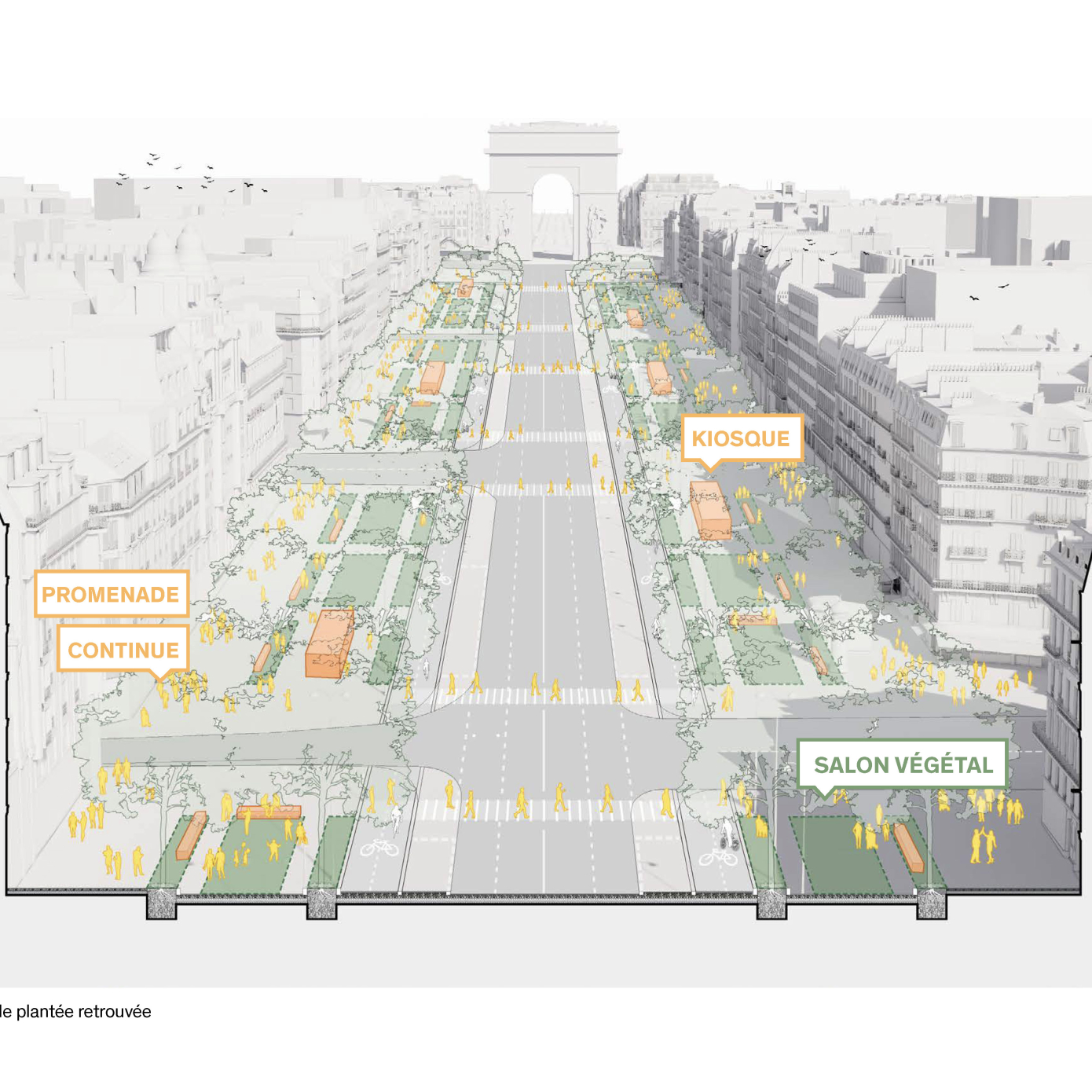
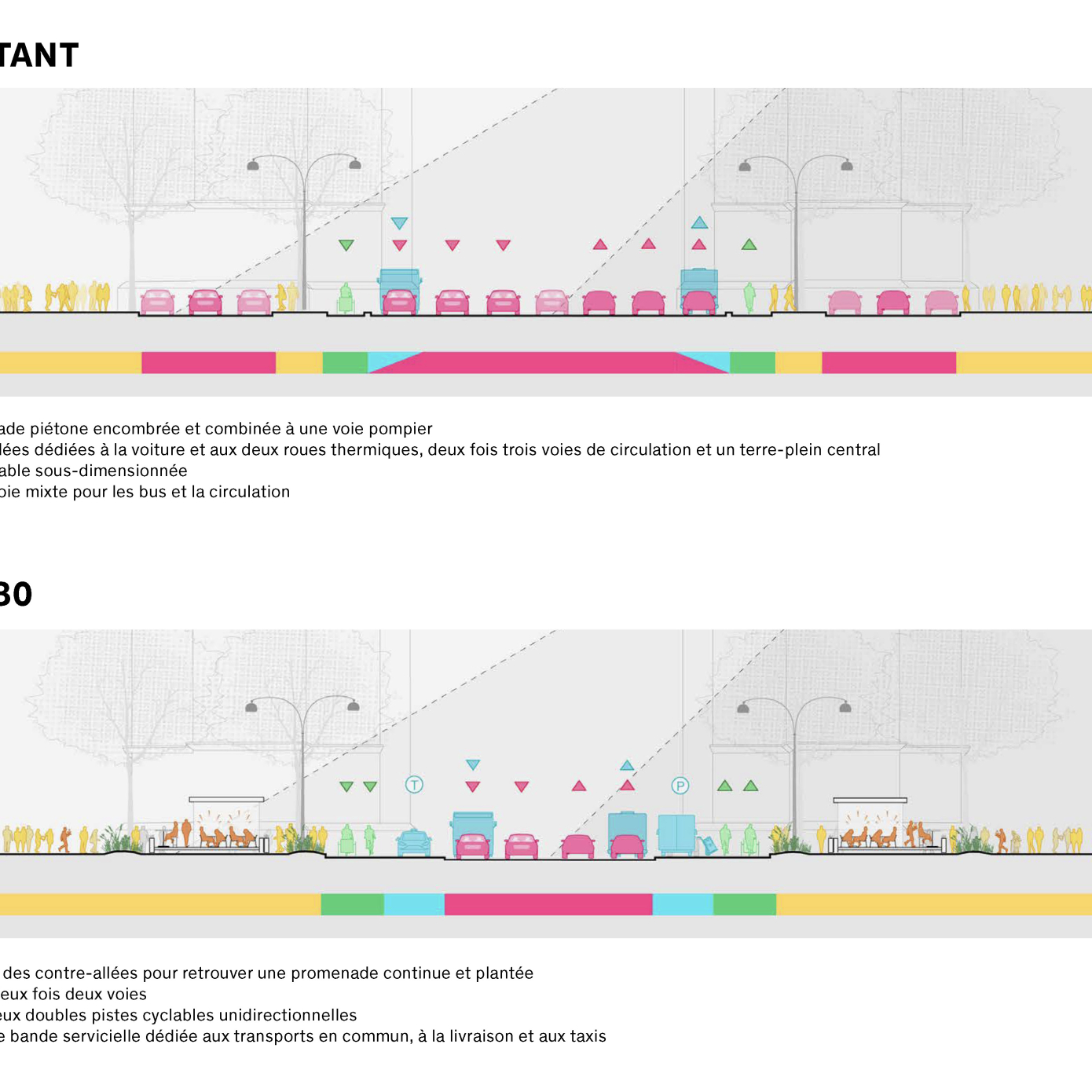
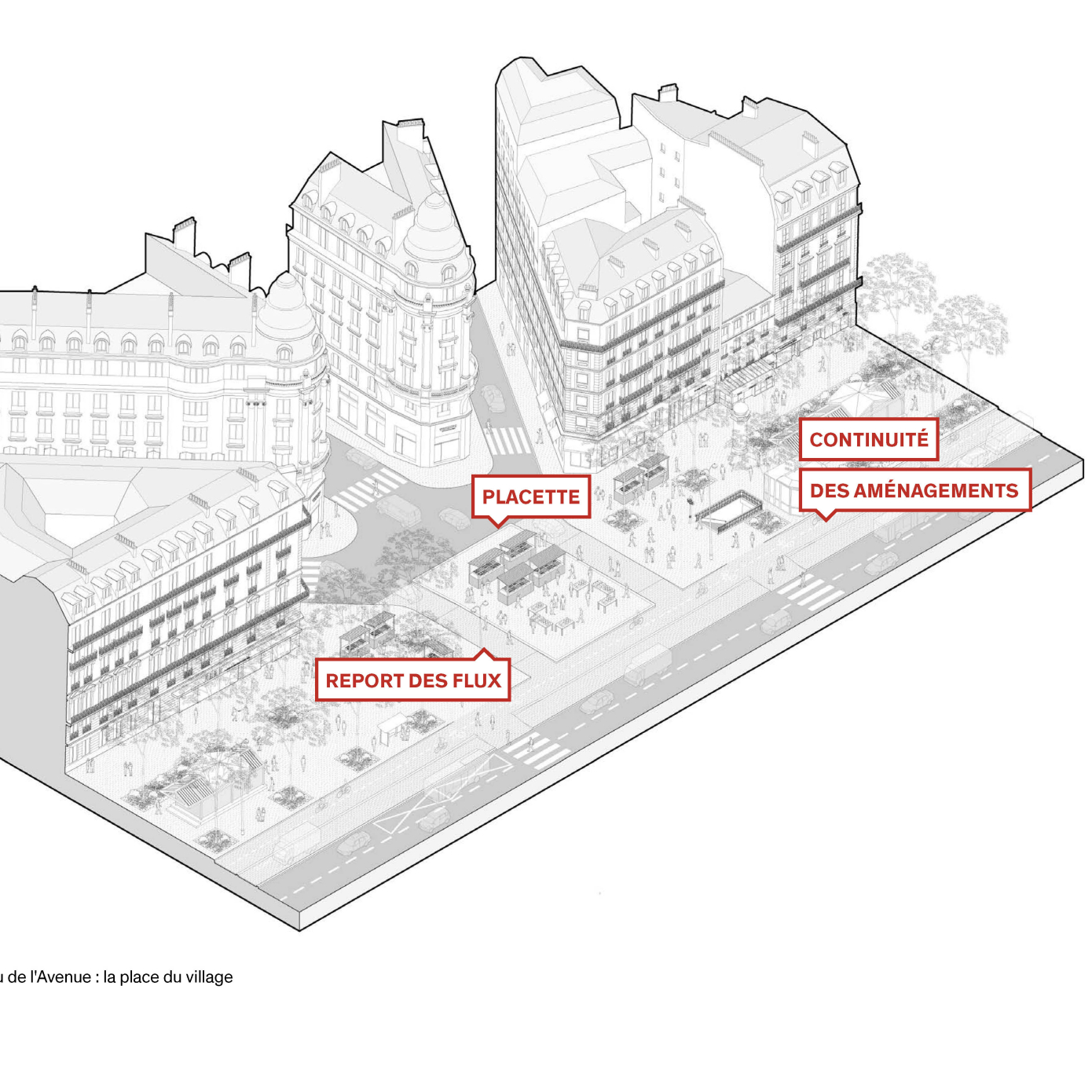
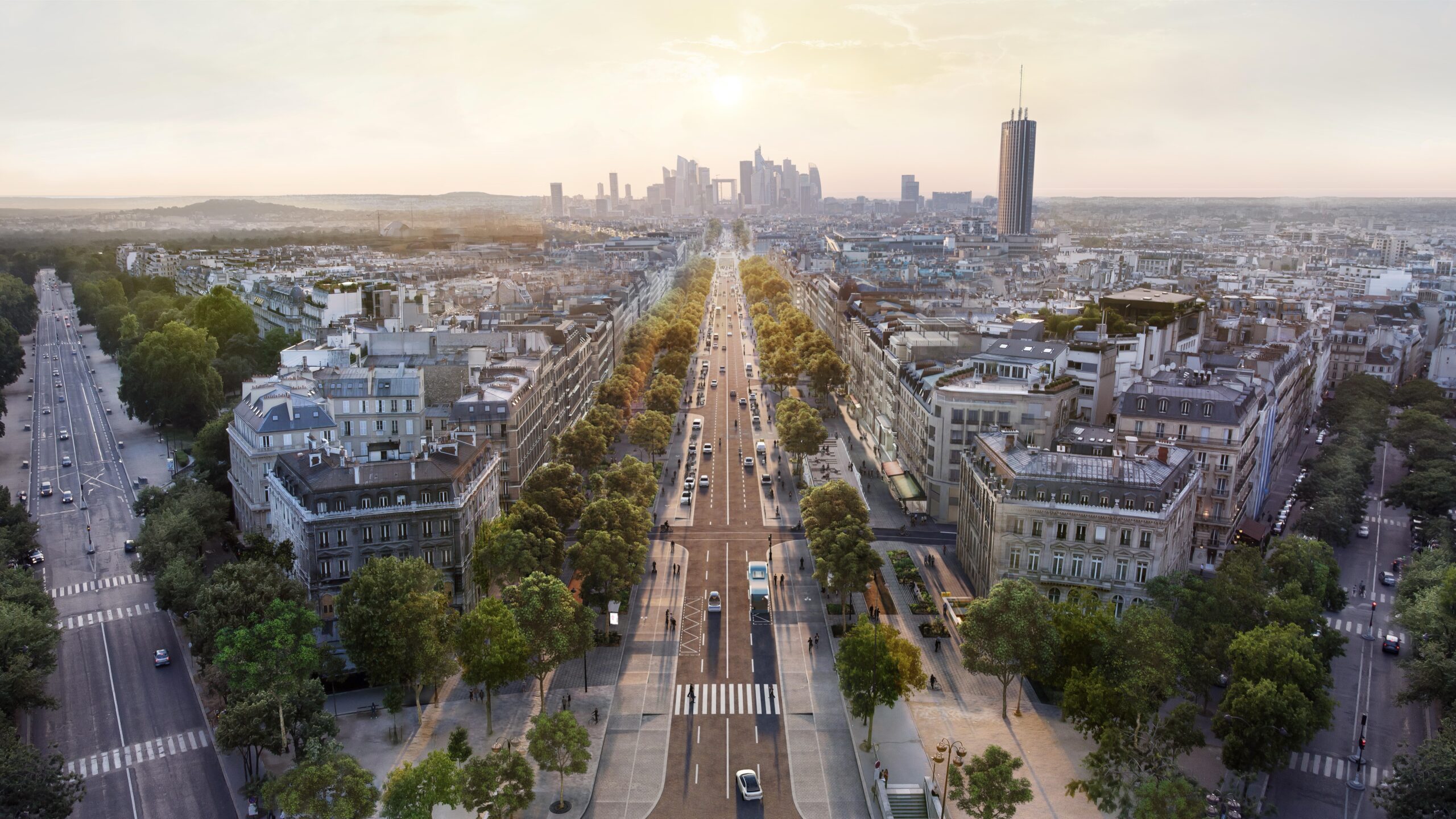
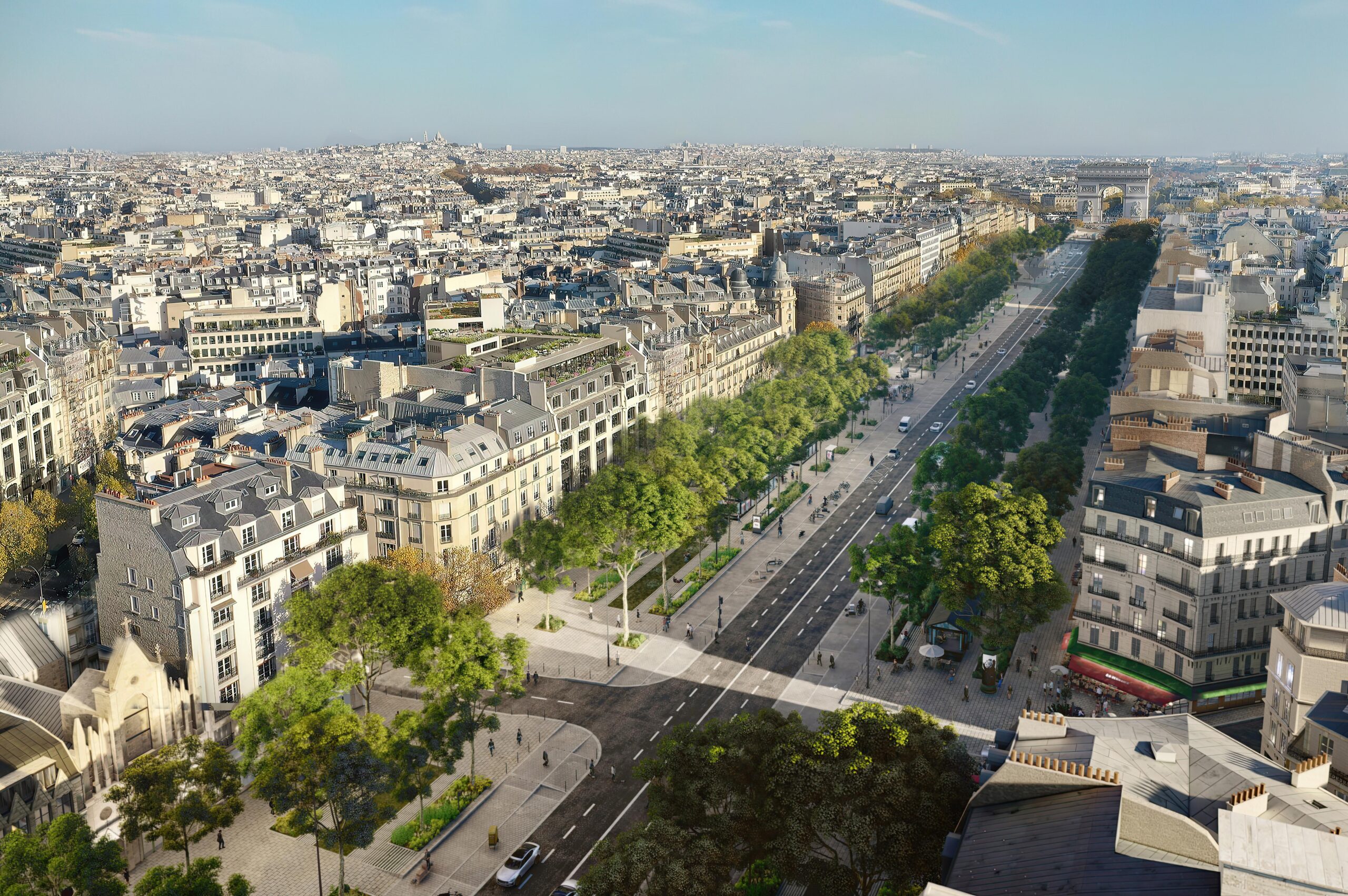
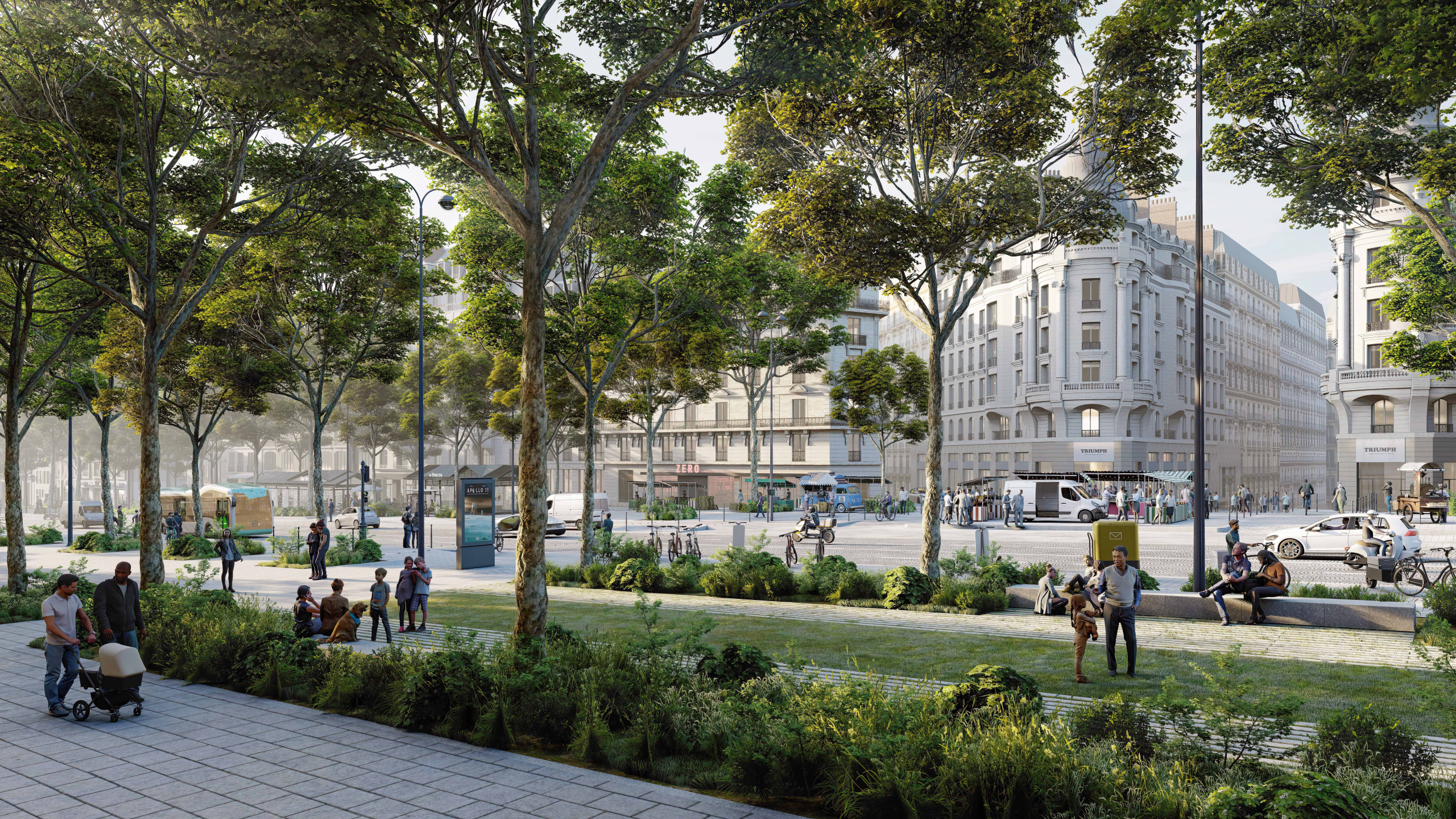
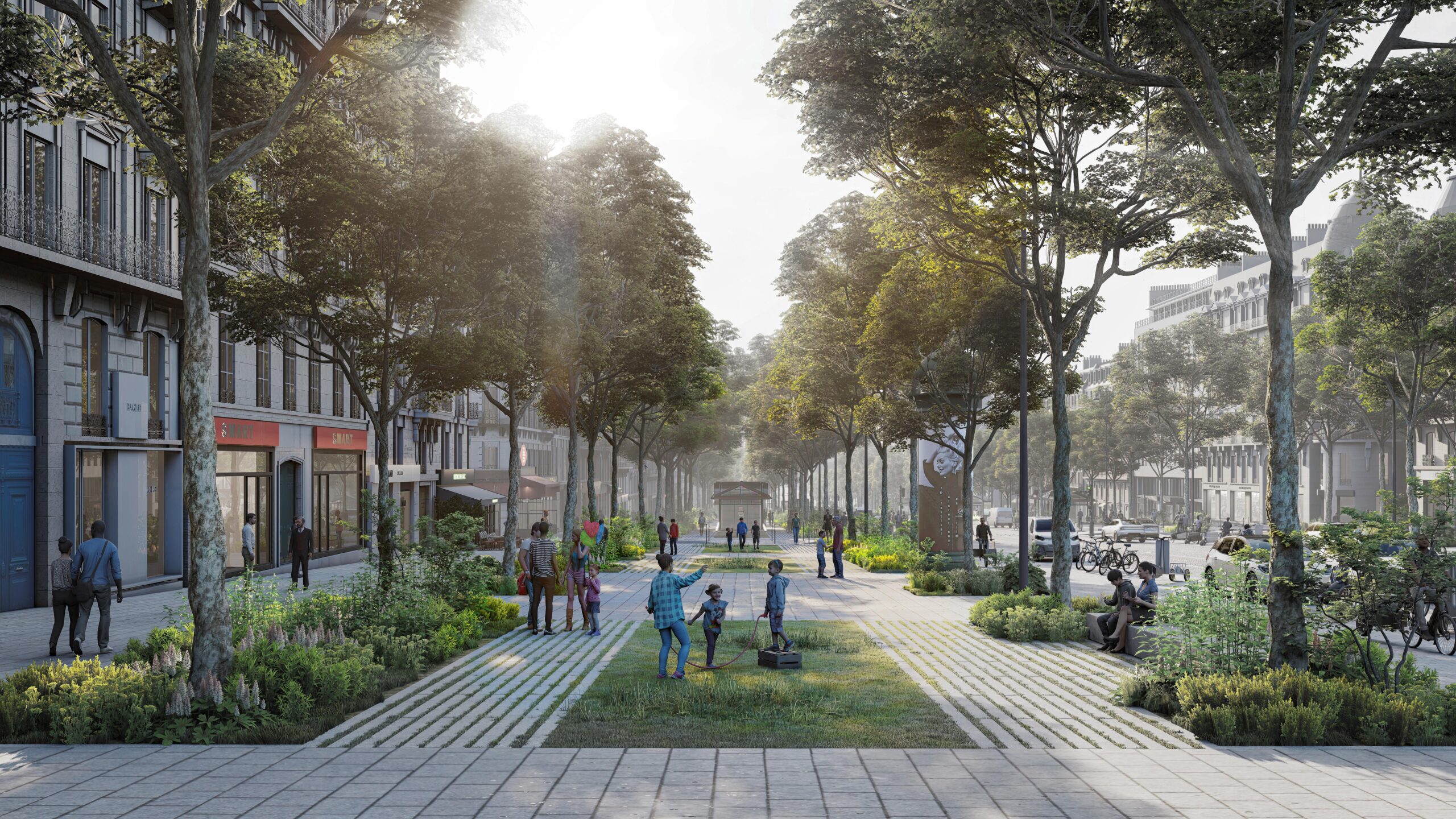
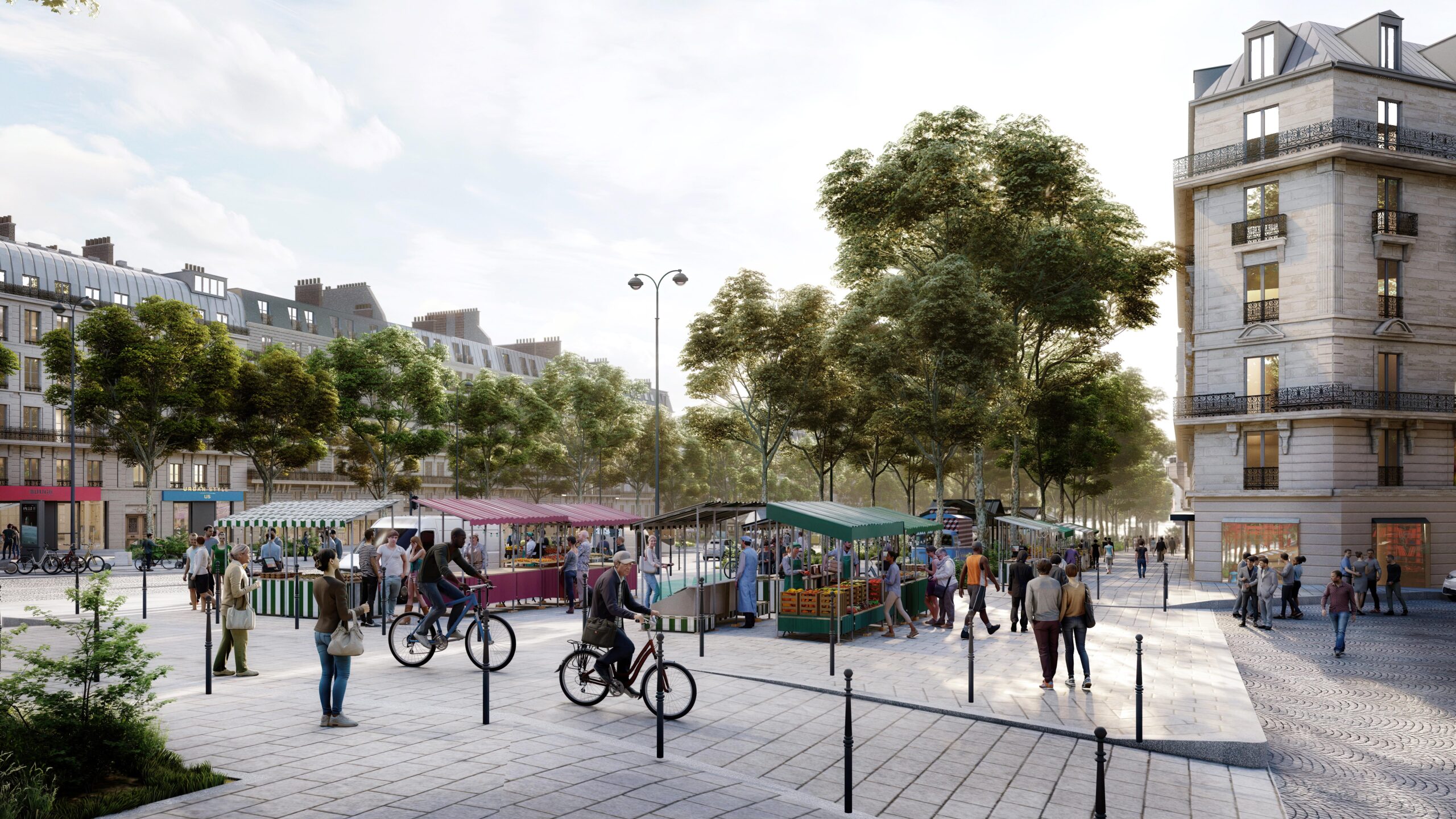
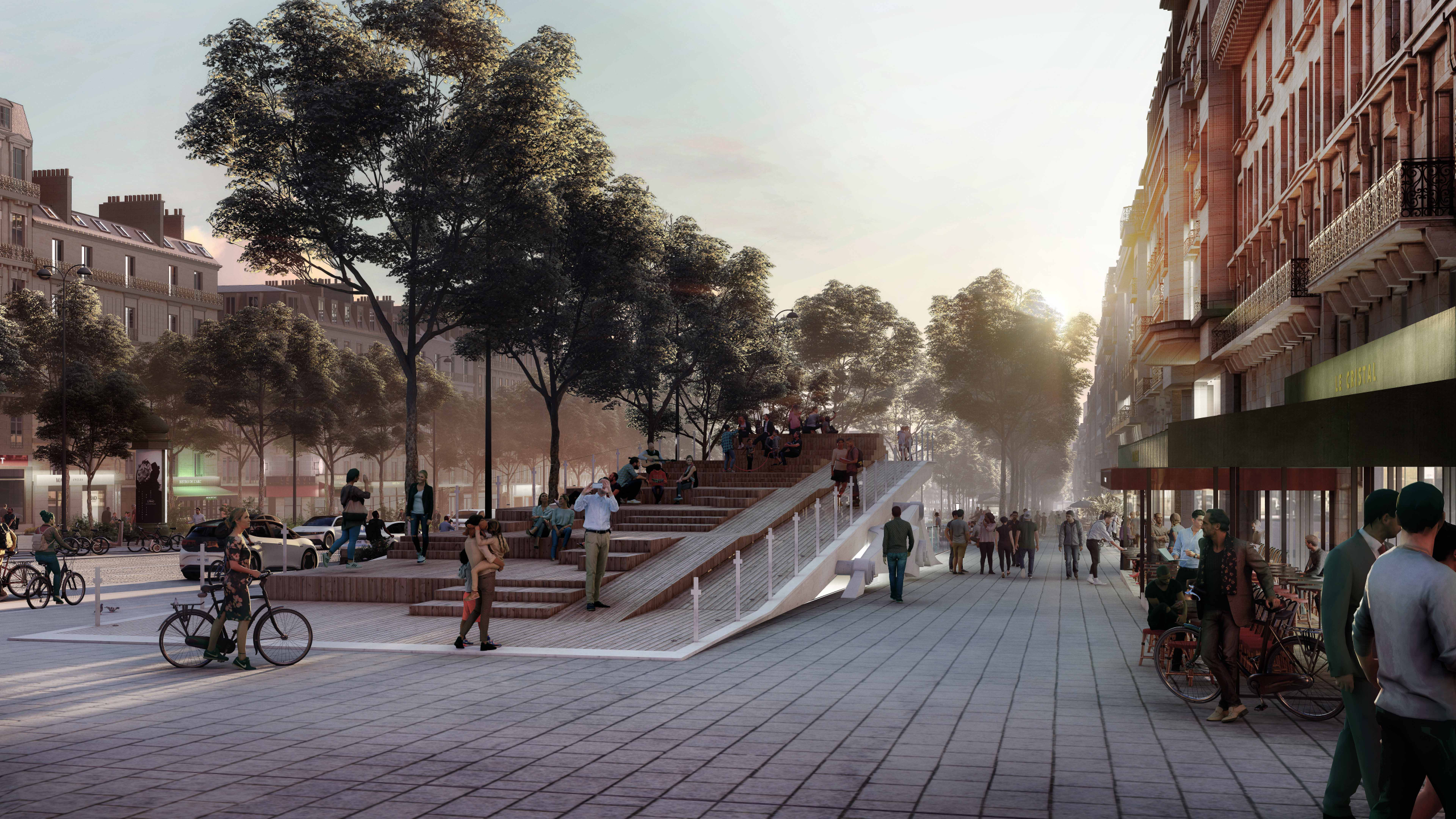
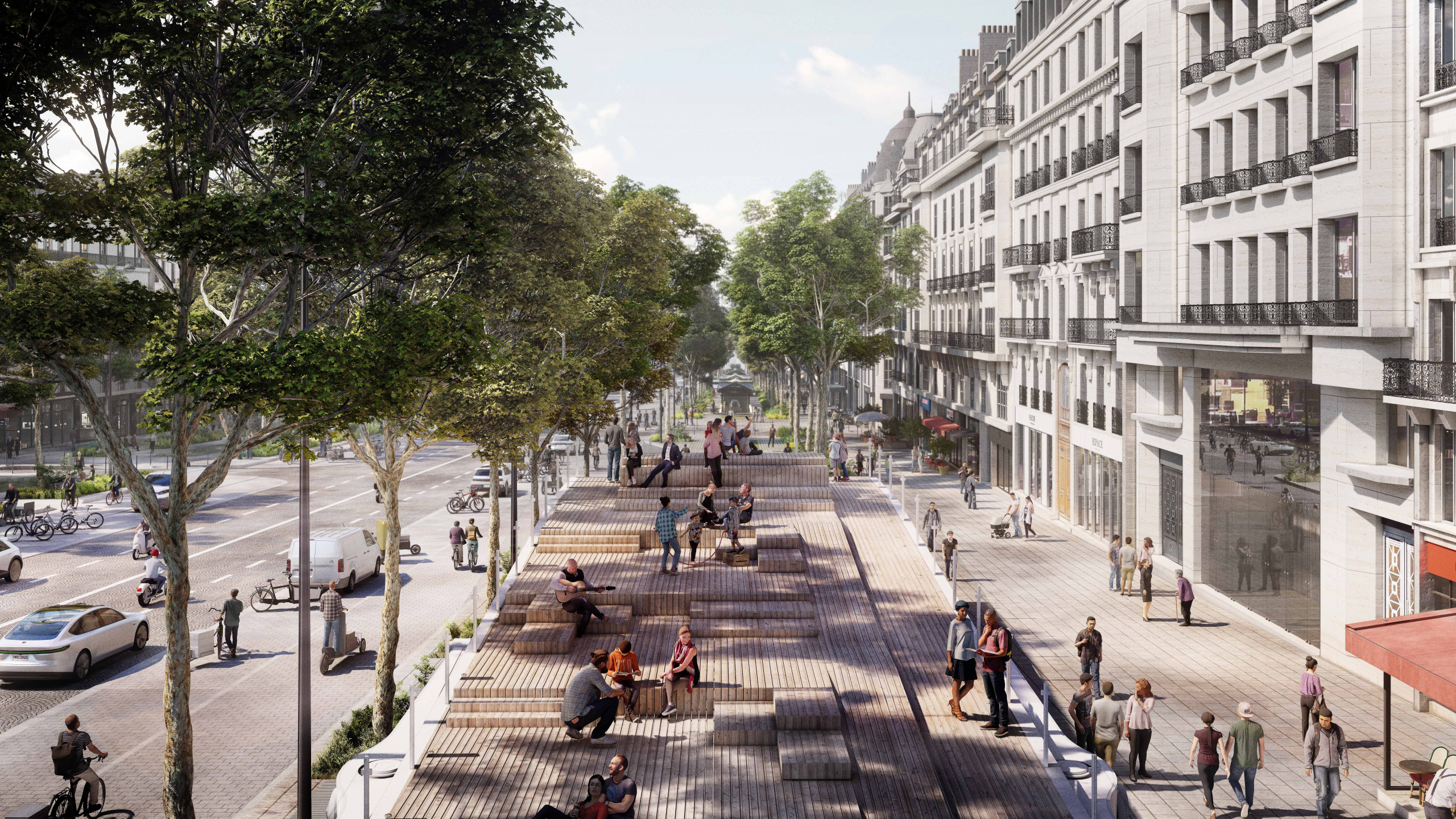
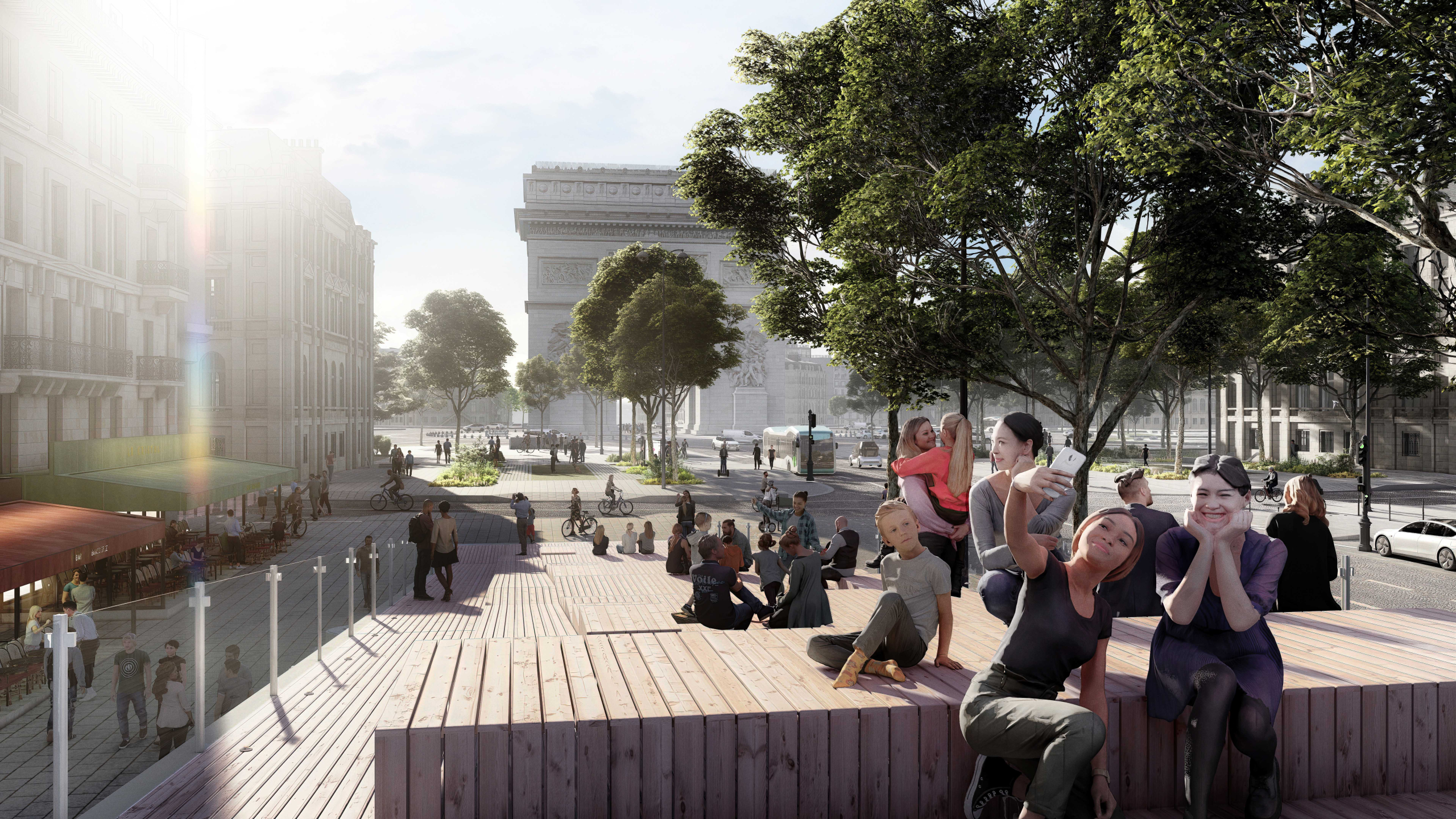
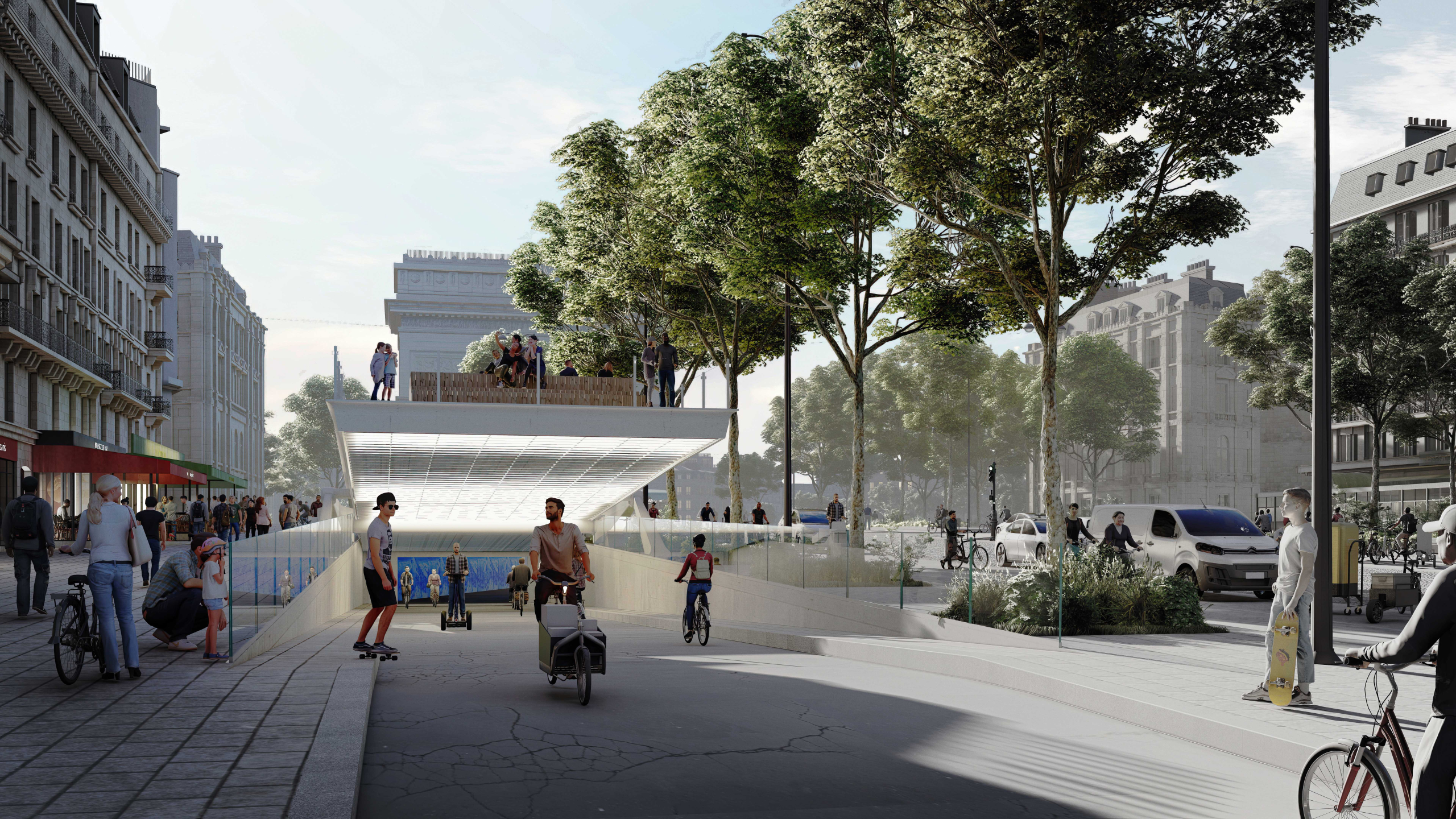
By 2030, the avenue could once again become one of Parisians’ favorite promenades through a redesign of its layout (freeing up sidewalks, pedestrianizing the side streets, removing pavement, and converting to a four-lane roadway with dual bike lanes and widened crosswalks), which would return nearly two hectares to pedestrians.
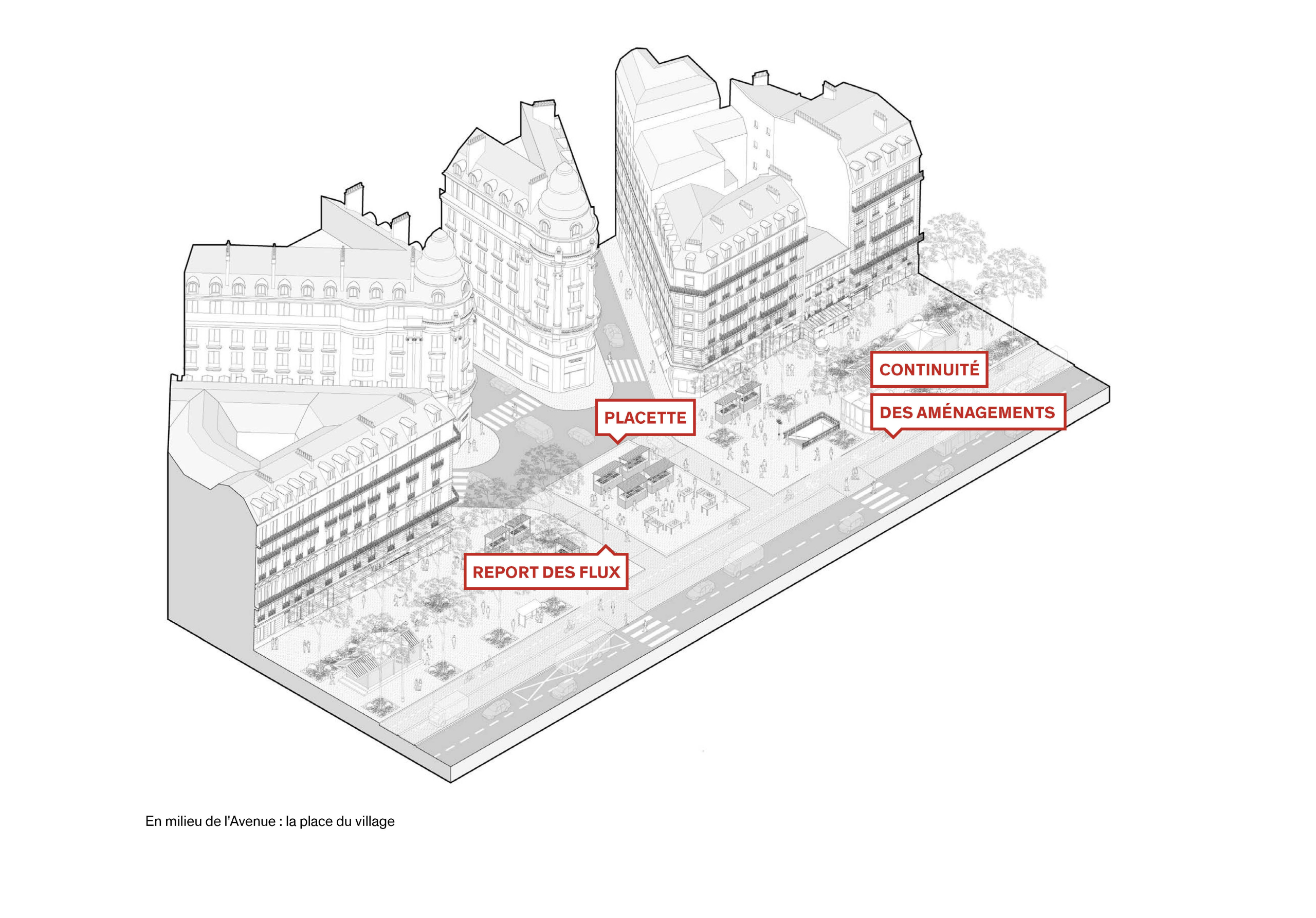
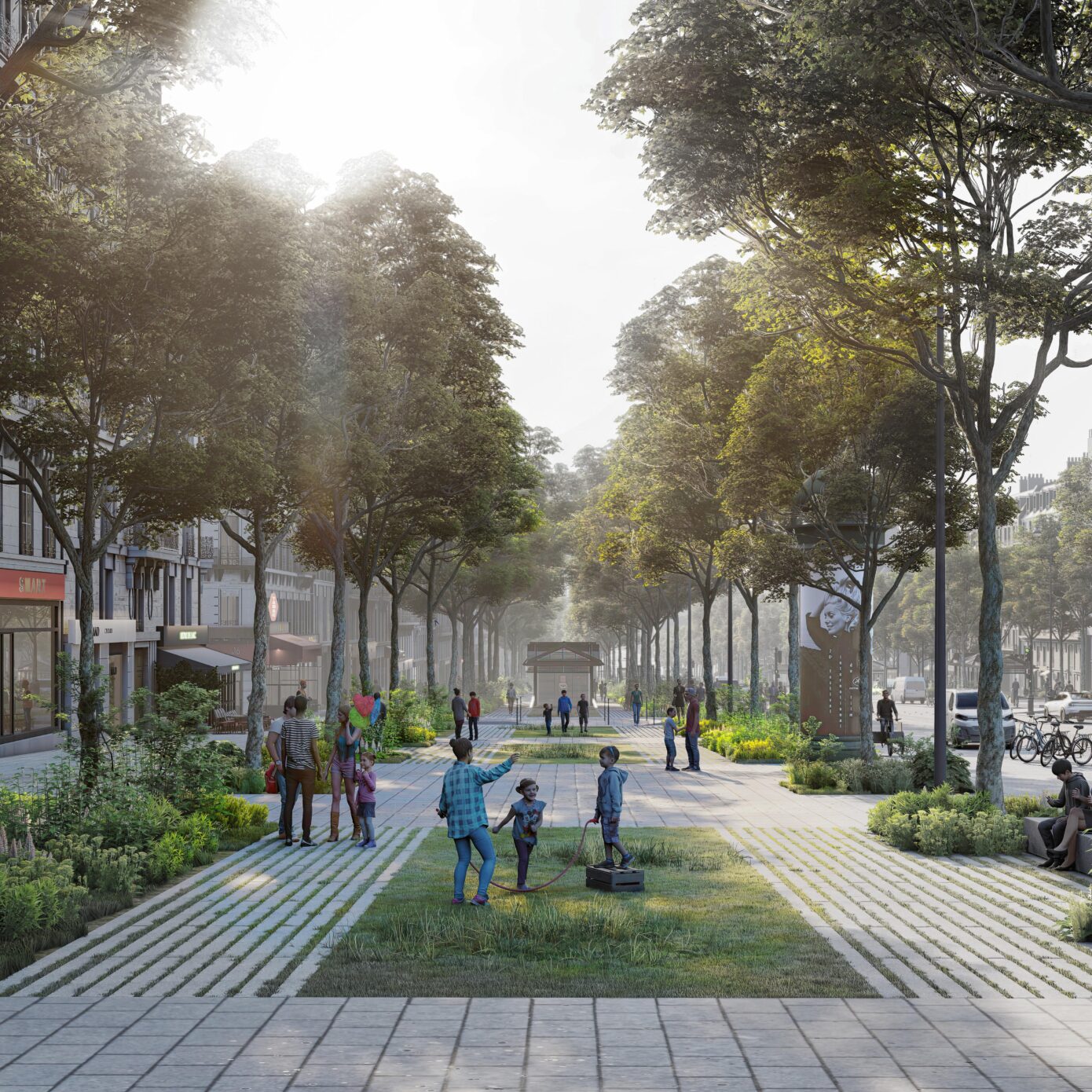
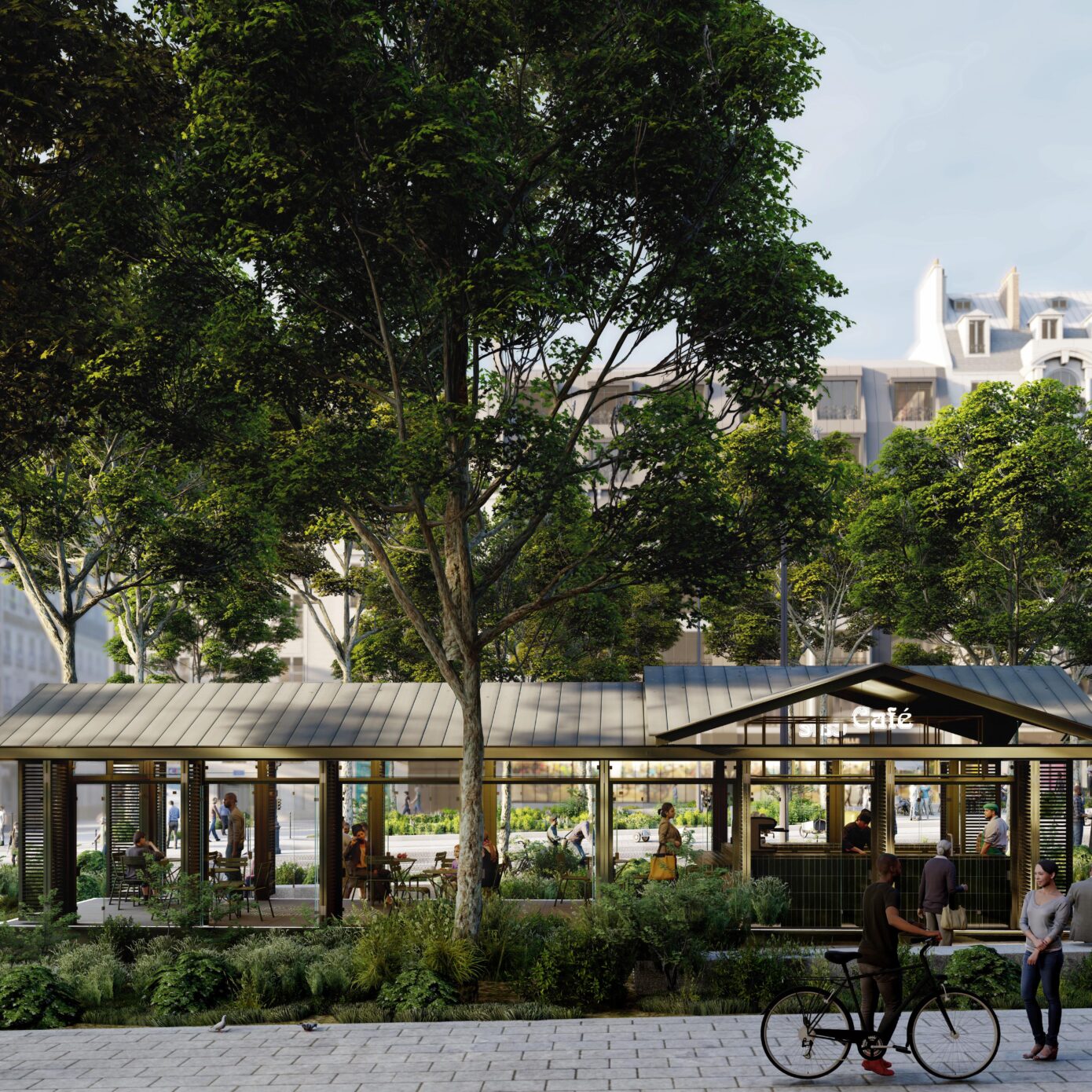
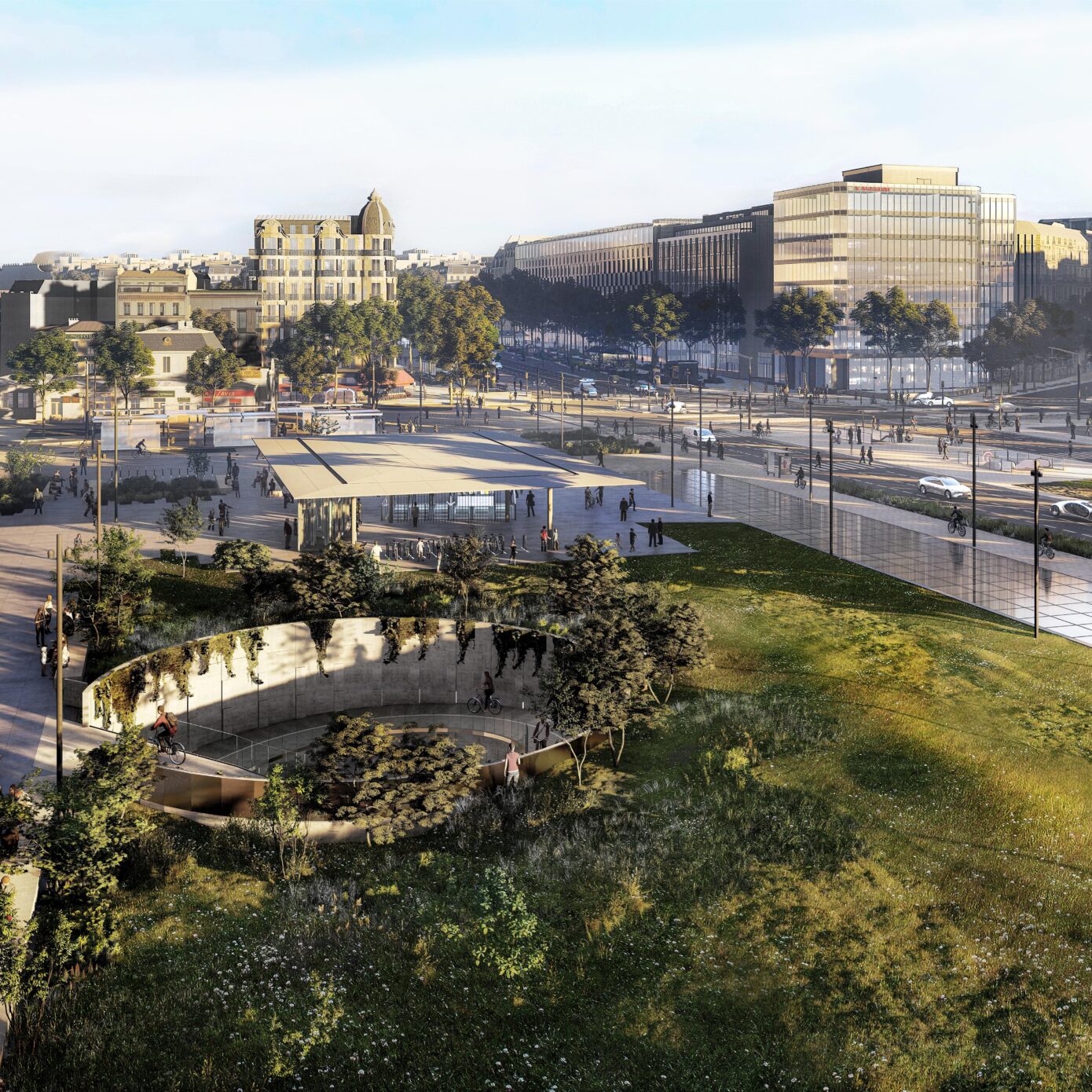
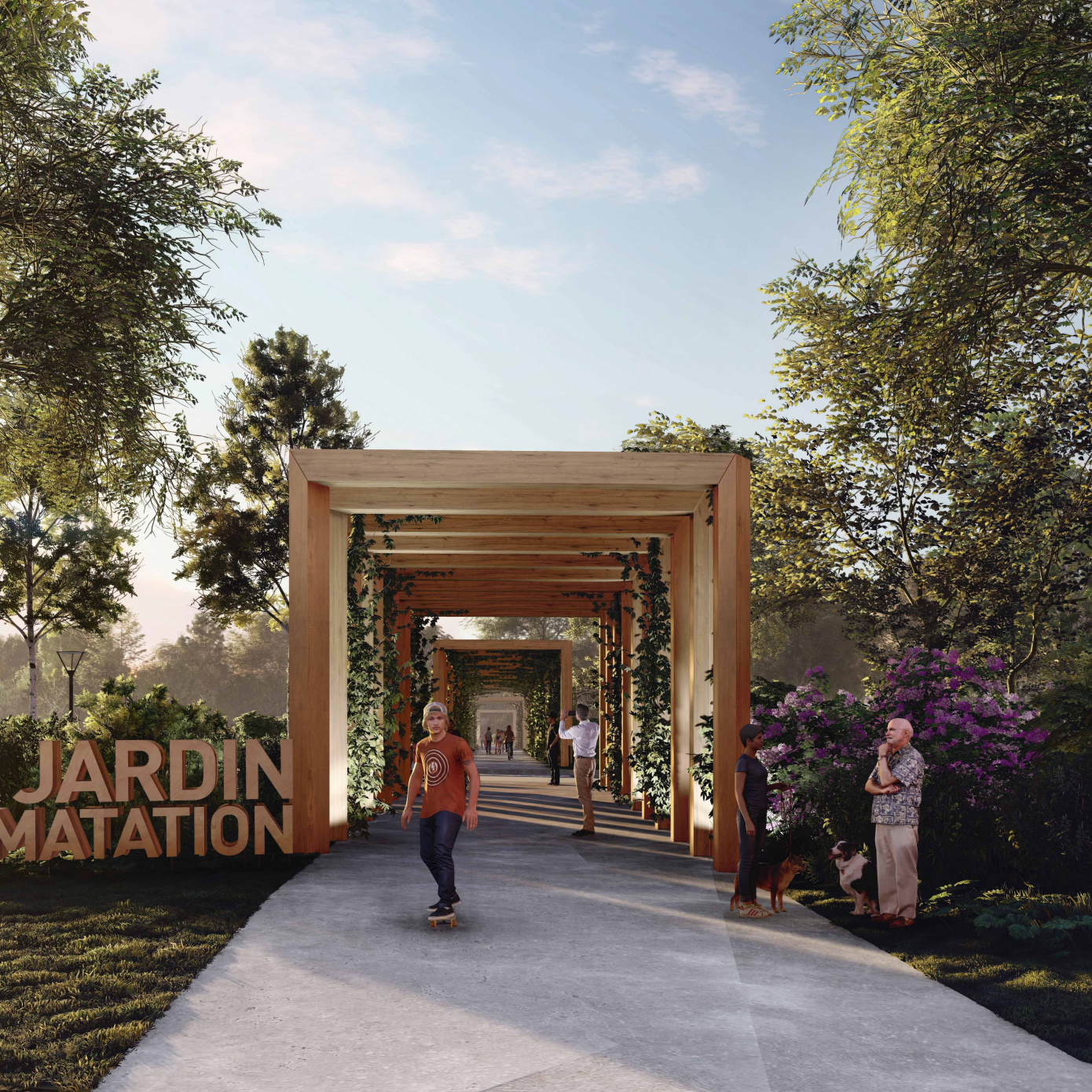
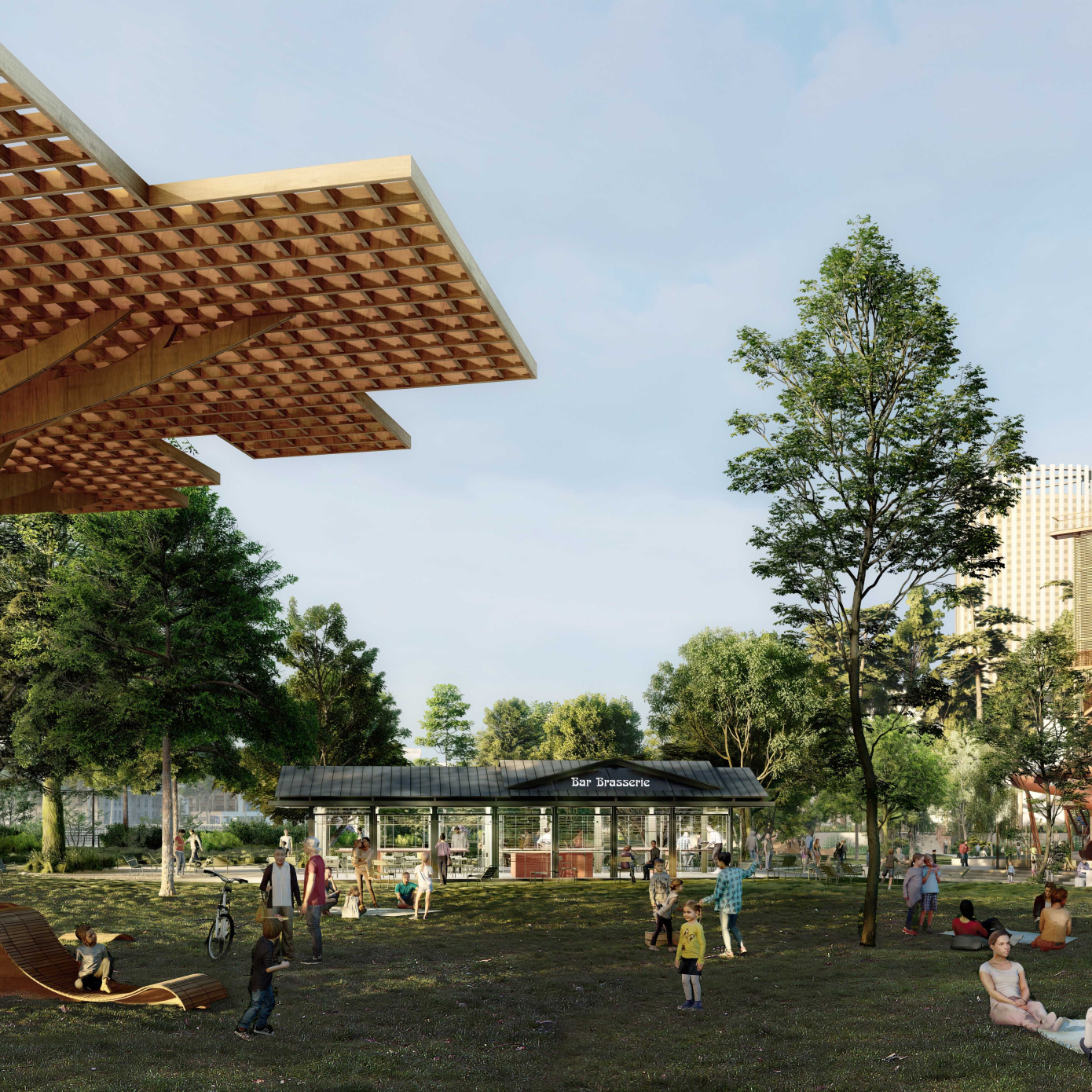
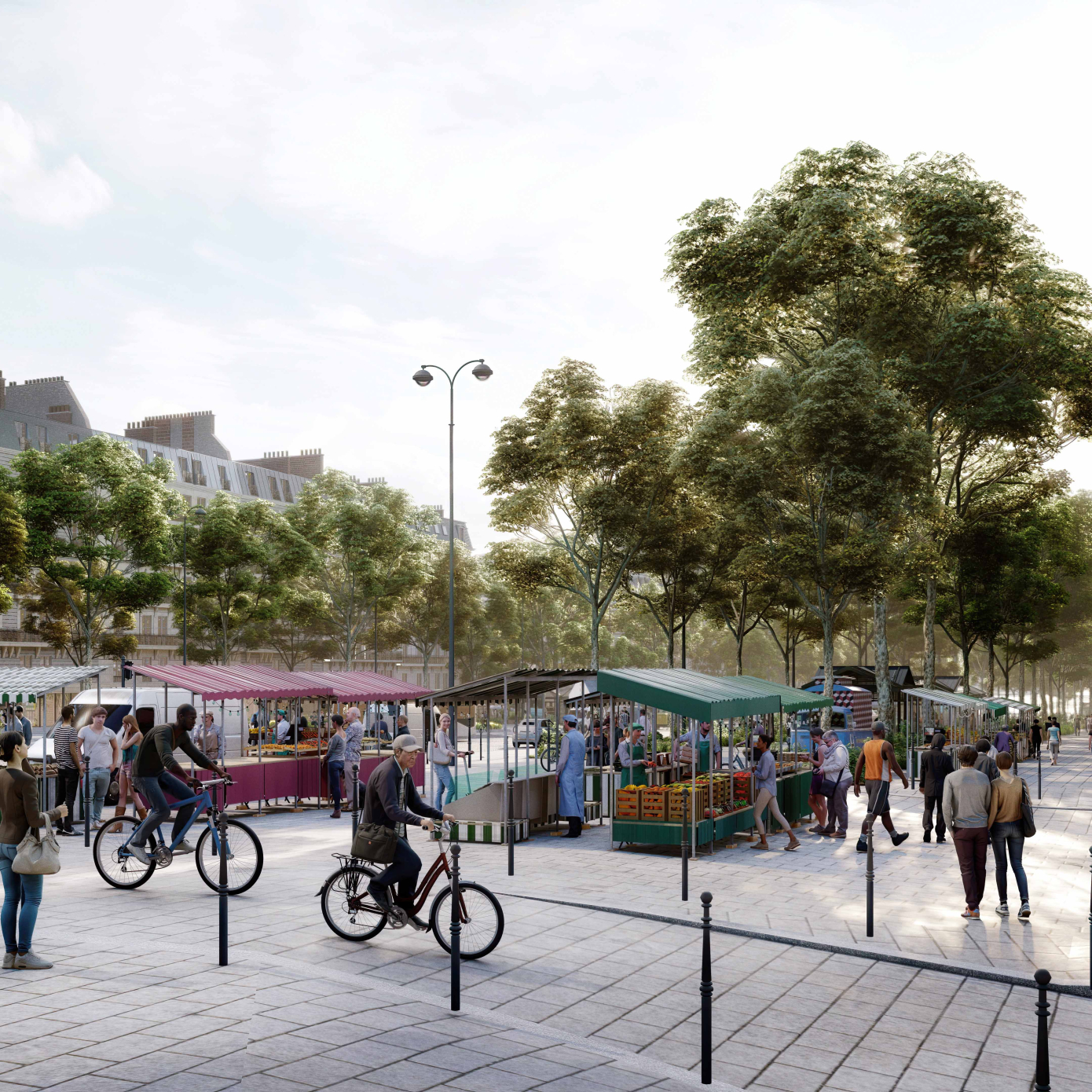
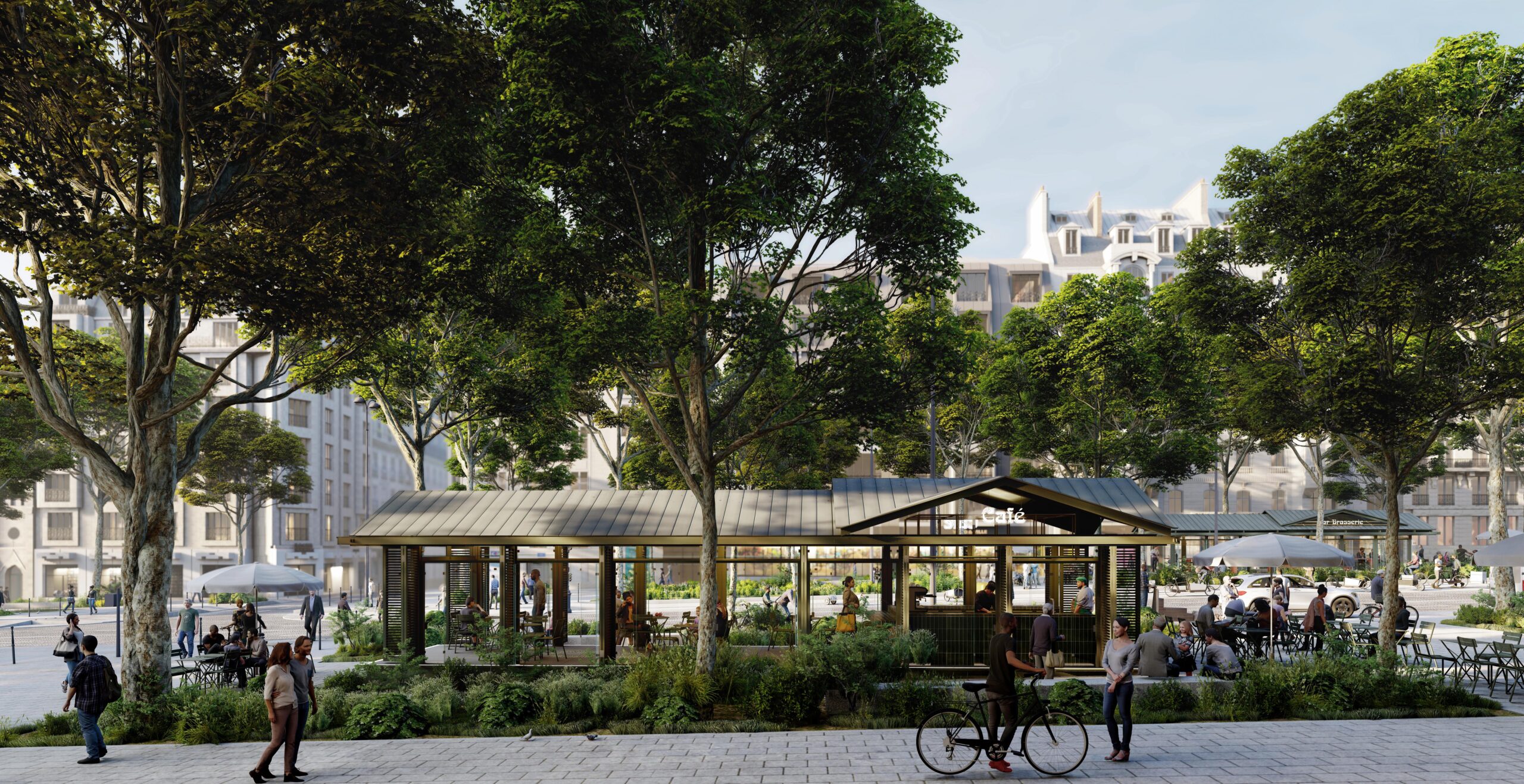
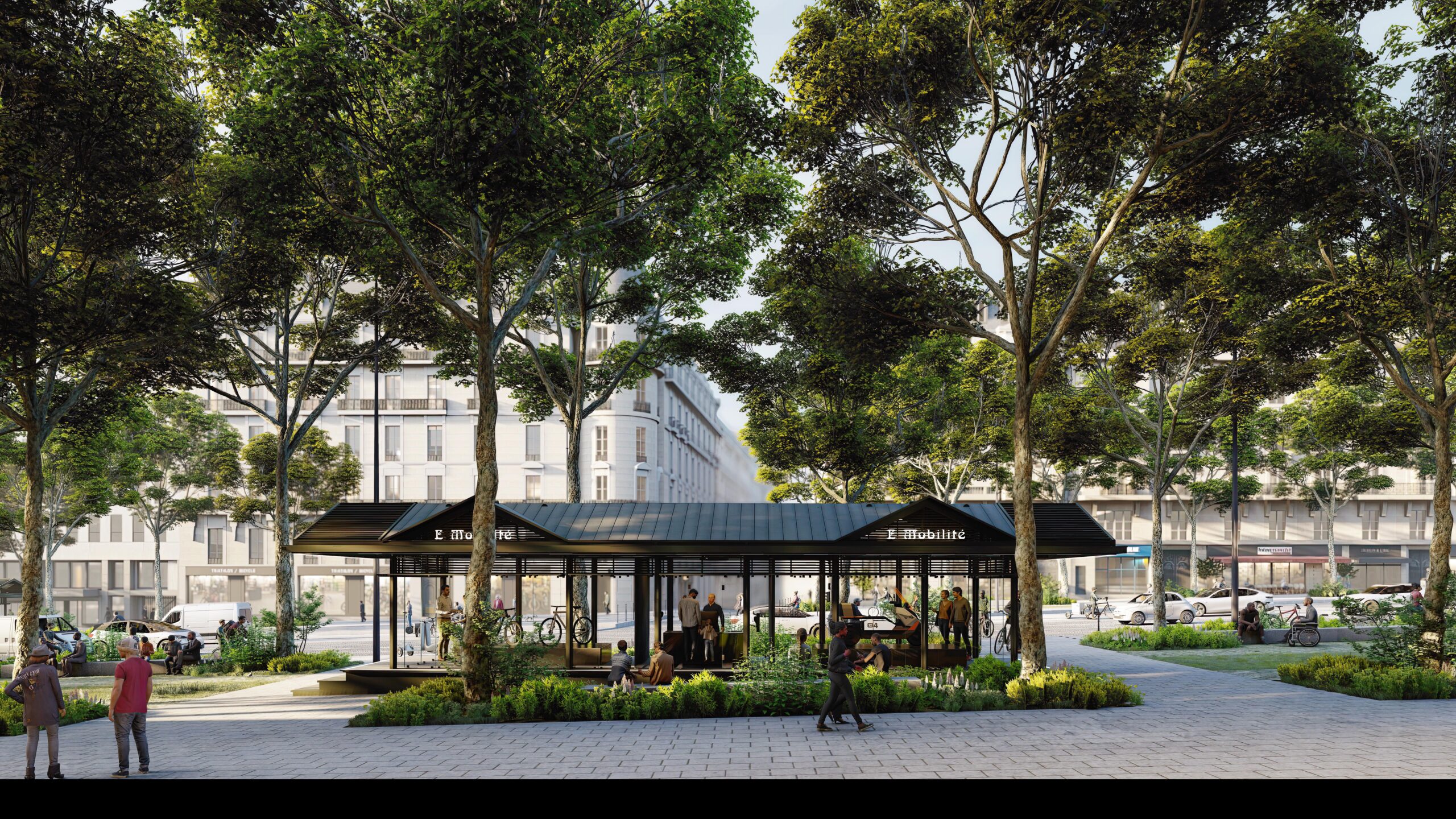
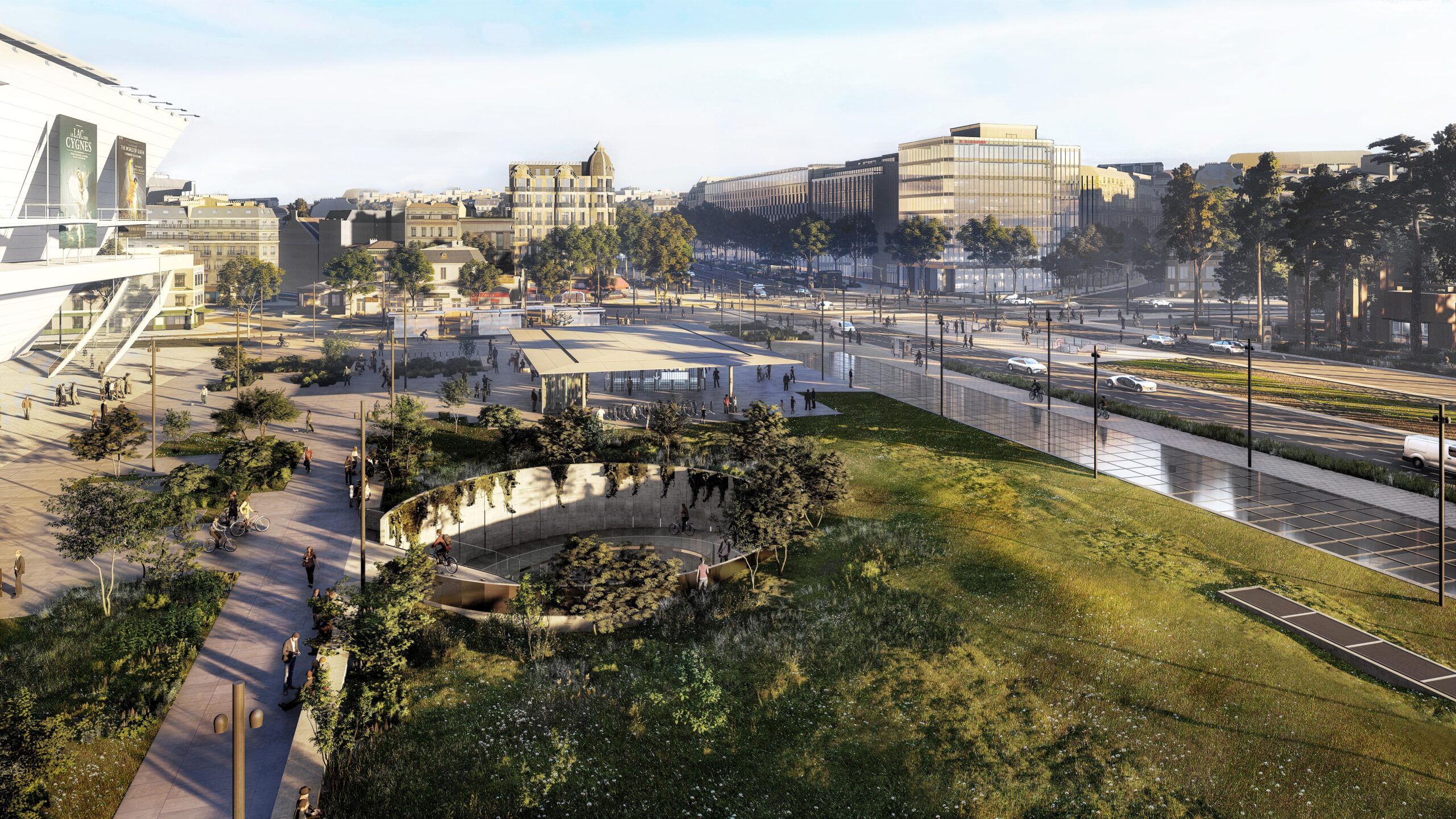
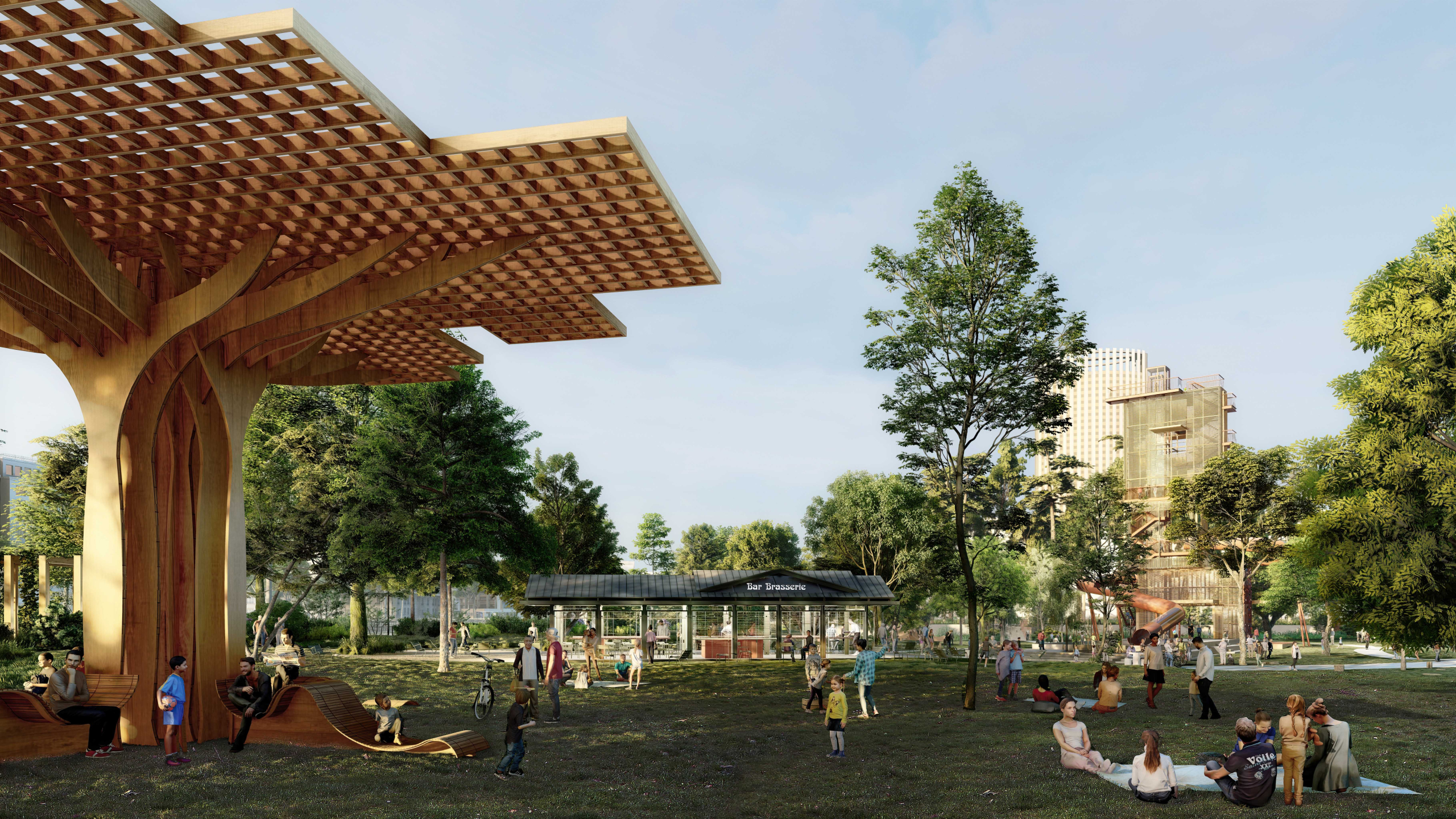
The route could be dotted with new amenities and features, such as terraces, food kiosks, and green spaces. The removal of hard surfaces and the greening of the avenue would improve ecological connectivity and actively contribute to the urban cooling made necessary by climate change.
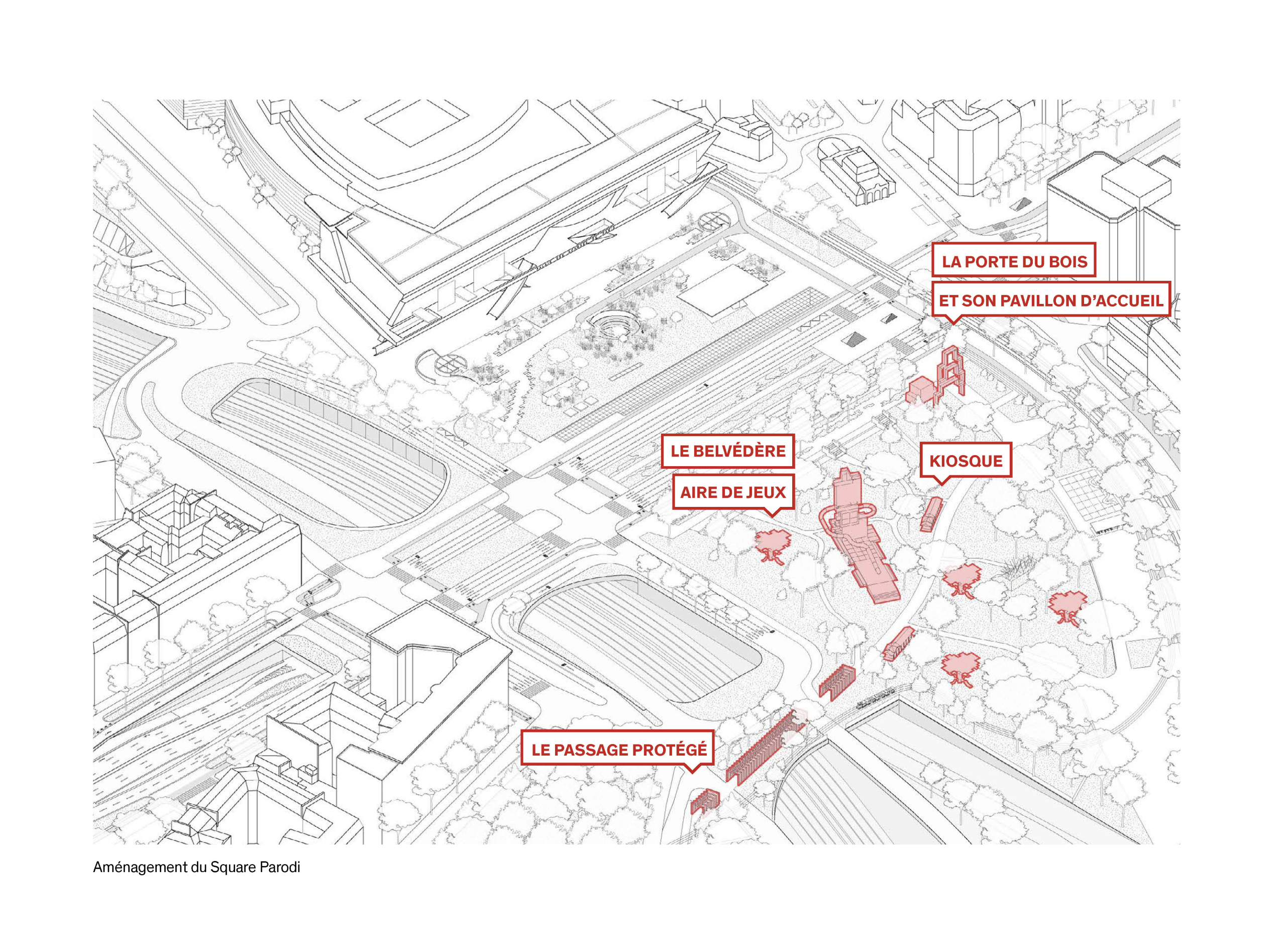
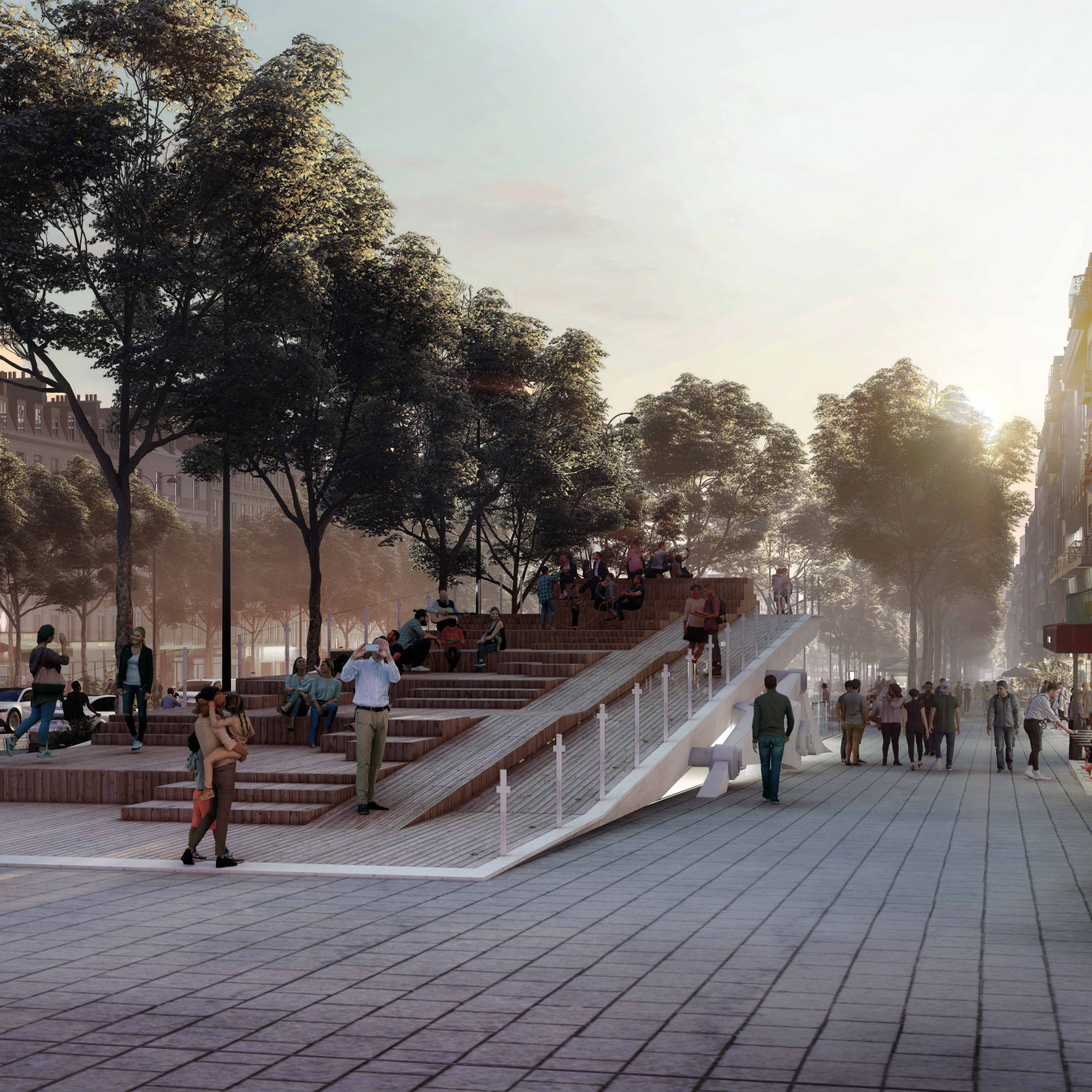
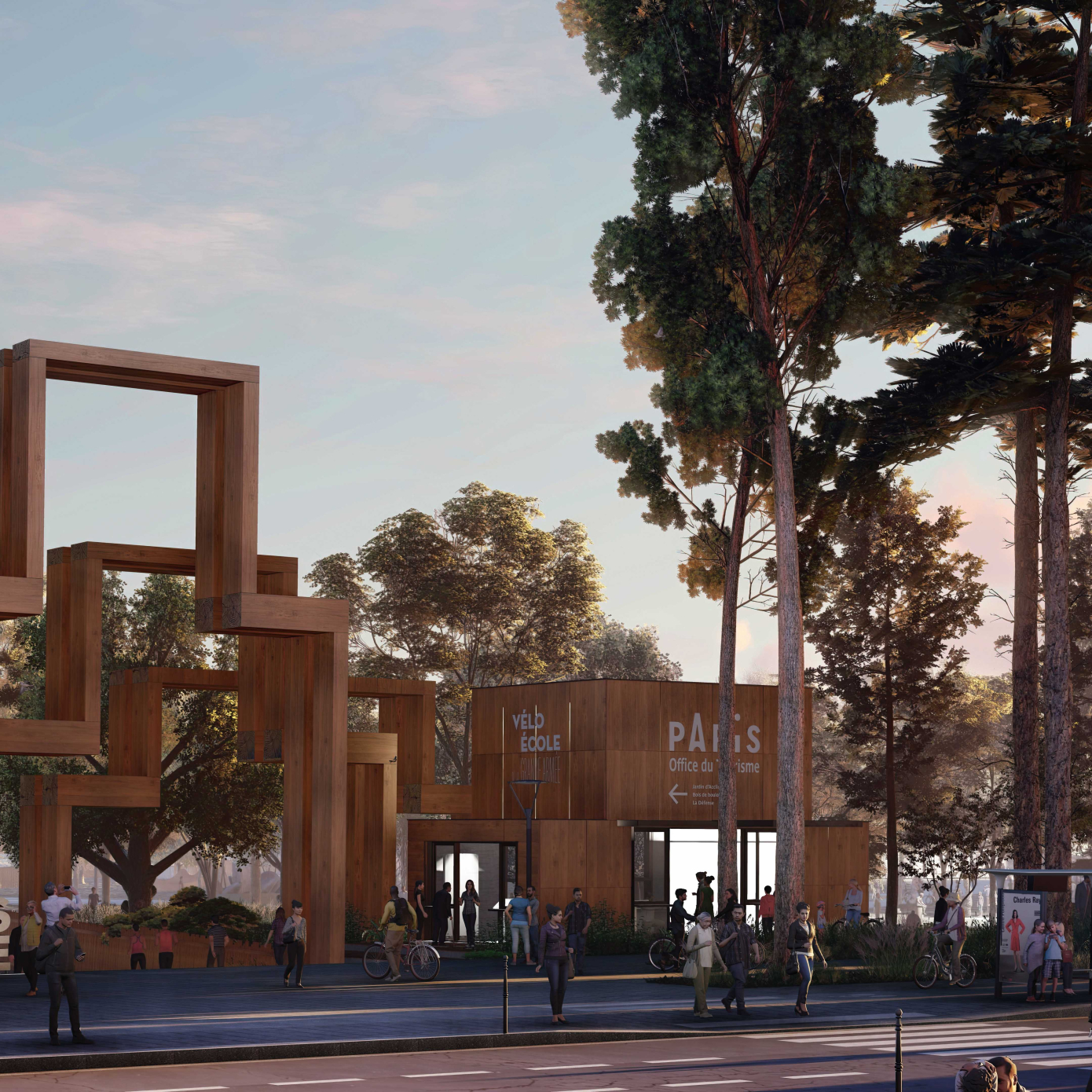
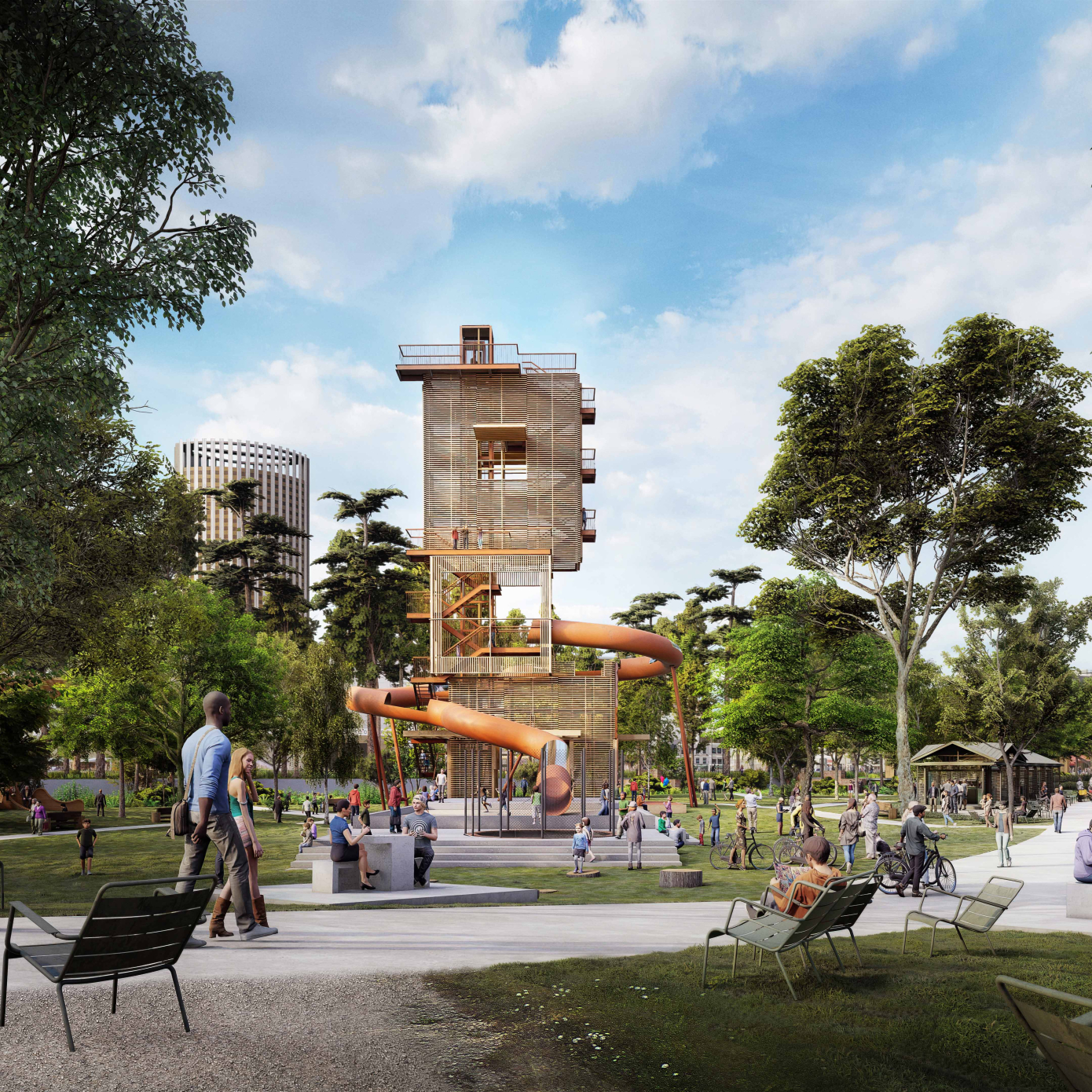
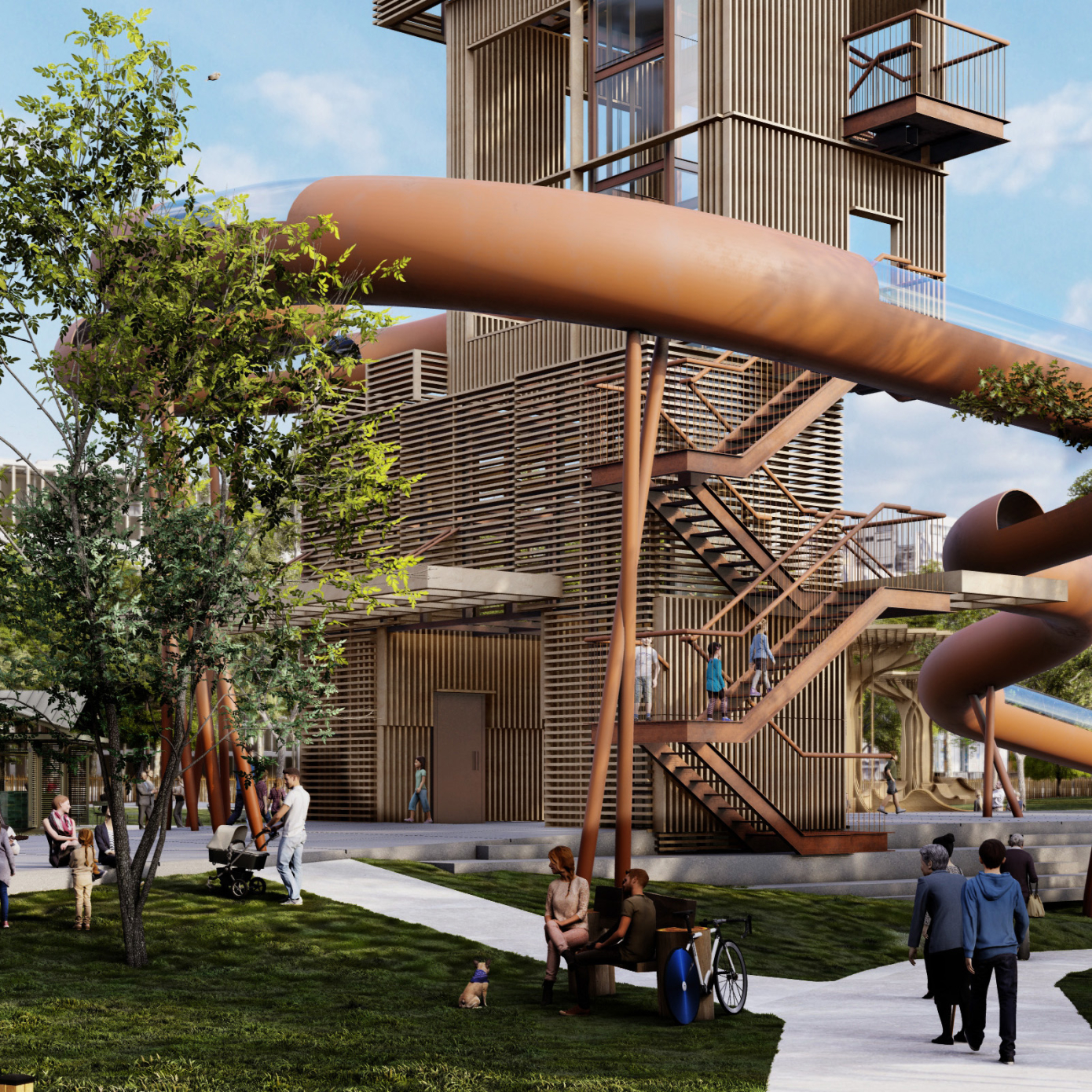
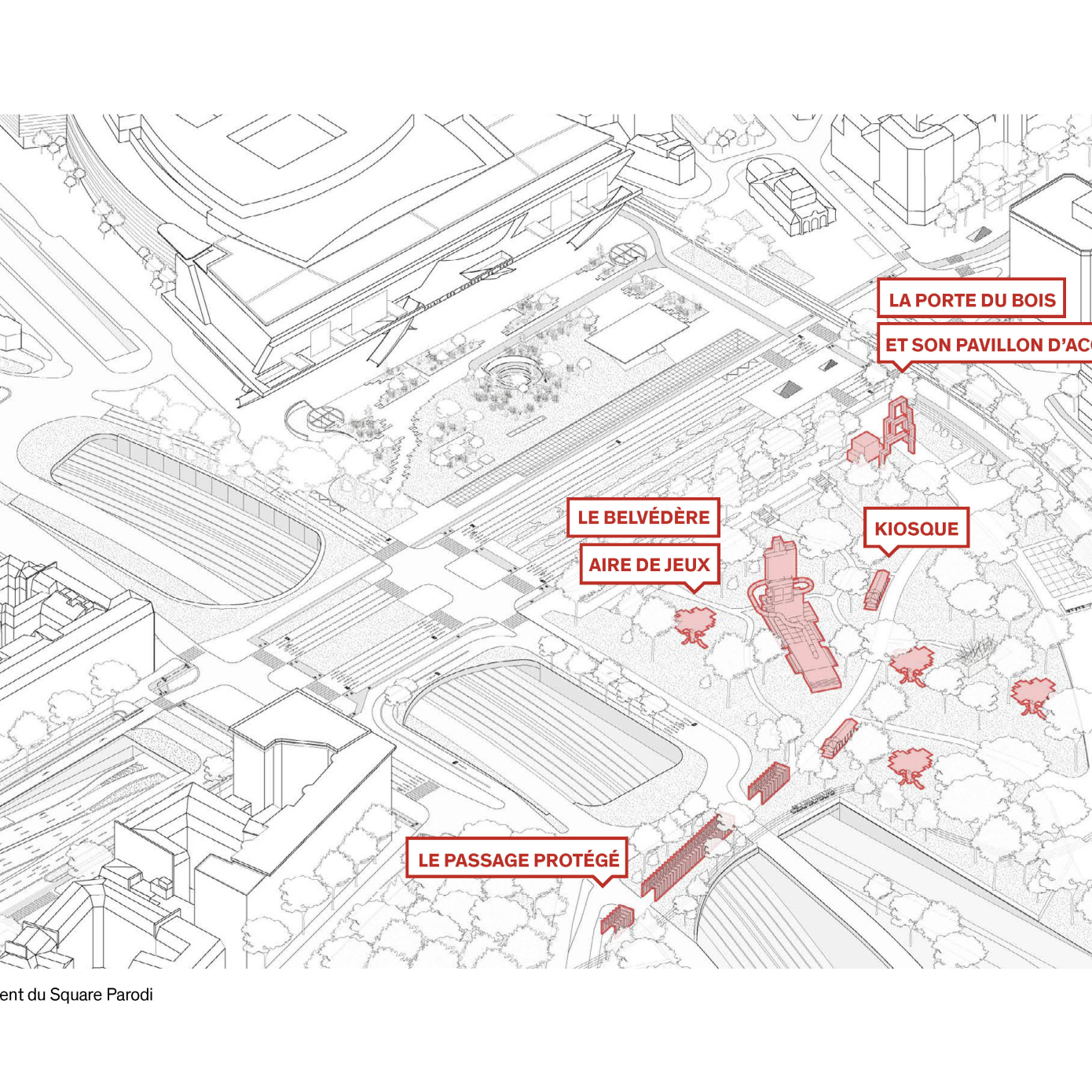
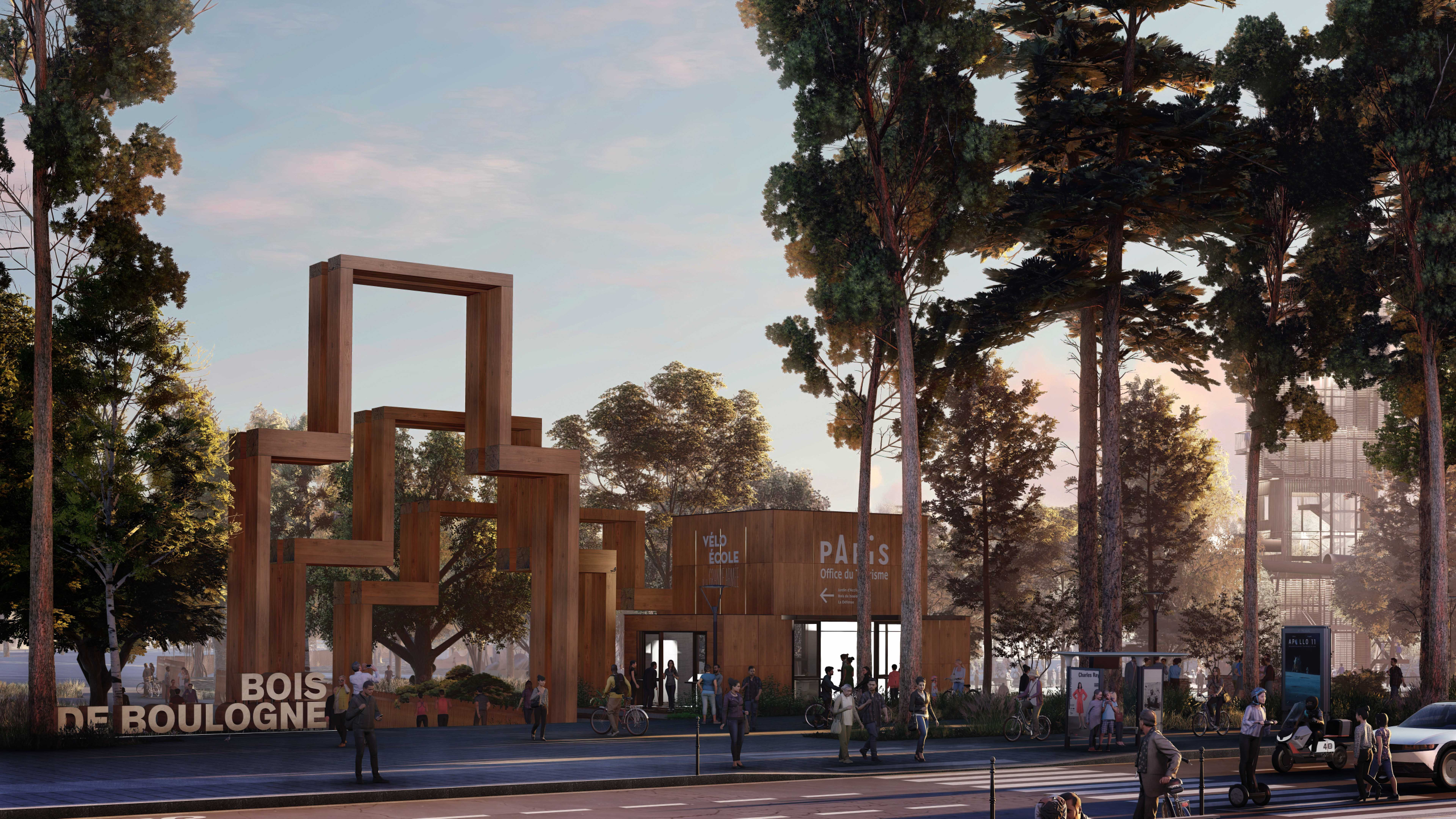
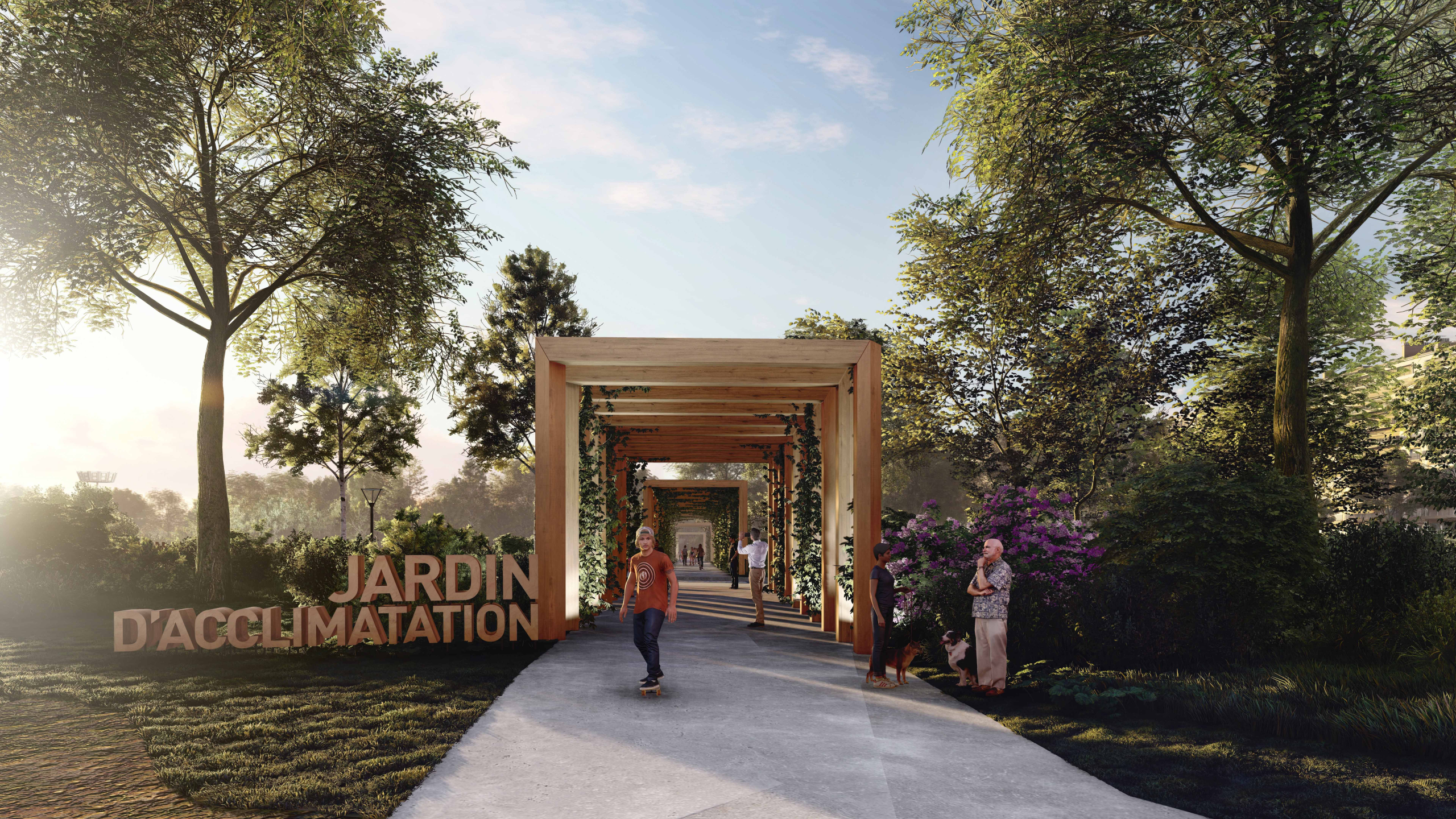
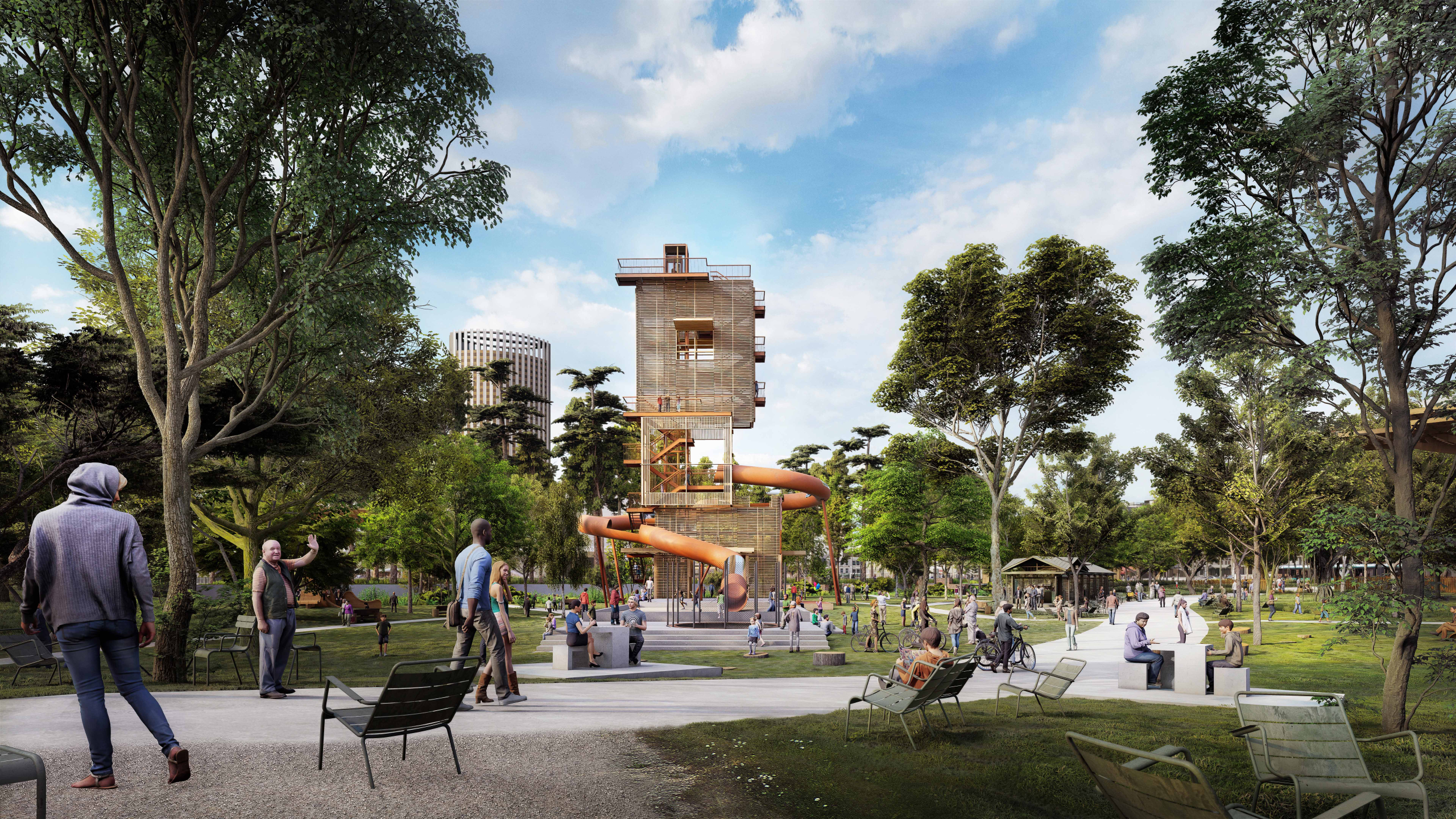
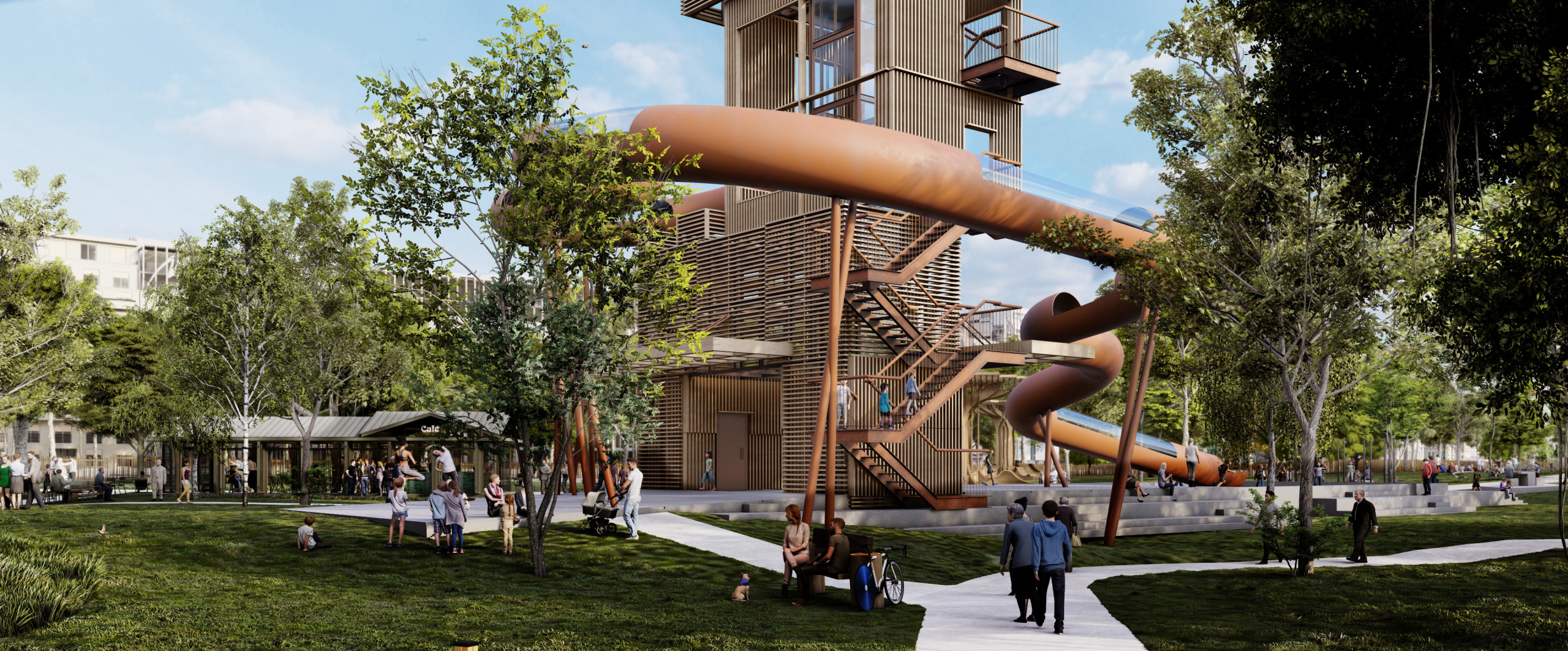
The Bois de Boulogne and the avenue could finally be reconnected through the creation of a symbolic gateway and the development of a path punctuated by kiosks, children’s play areas, and a large observation deck.
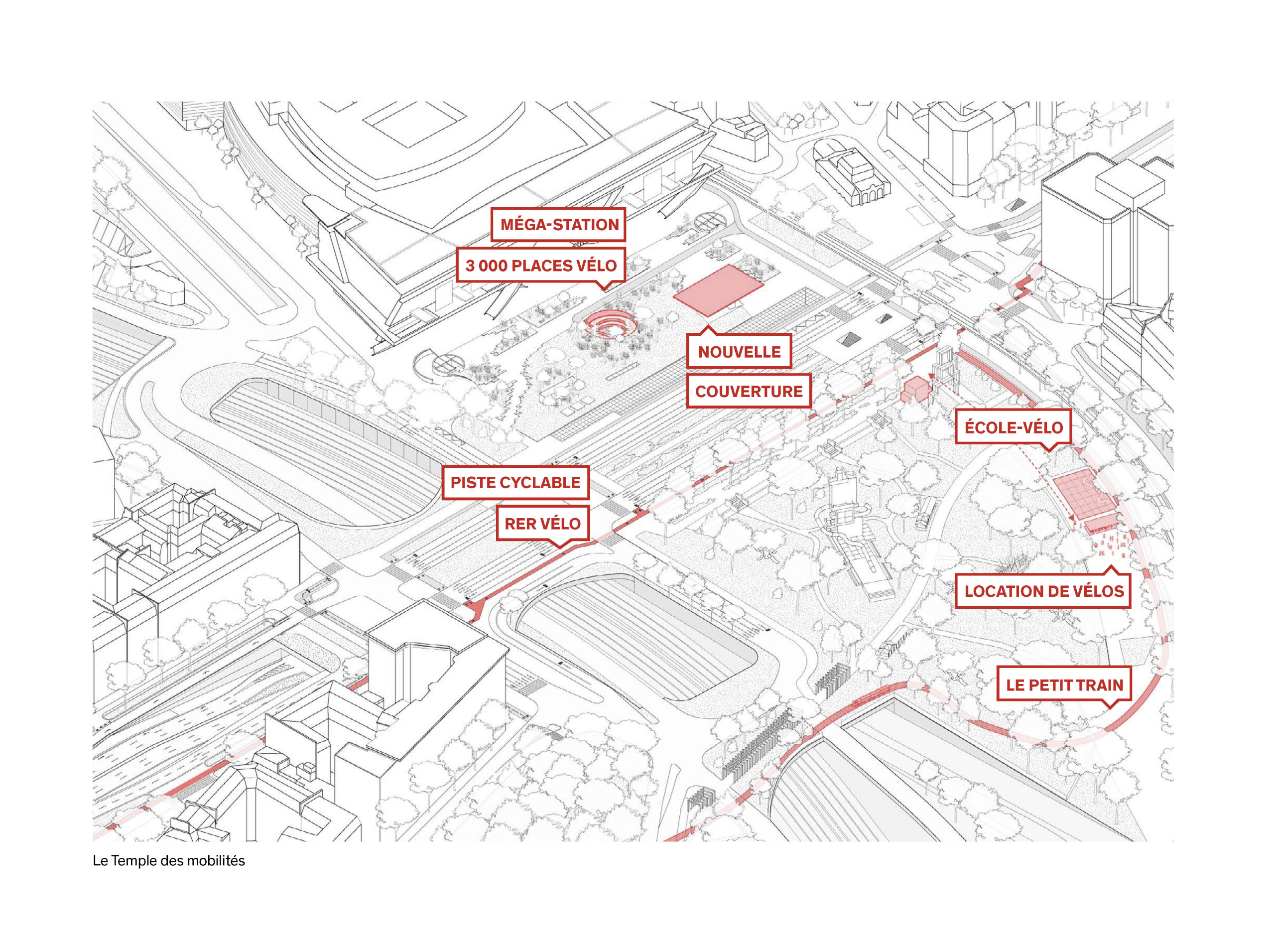
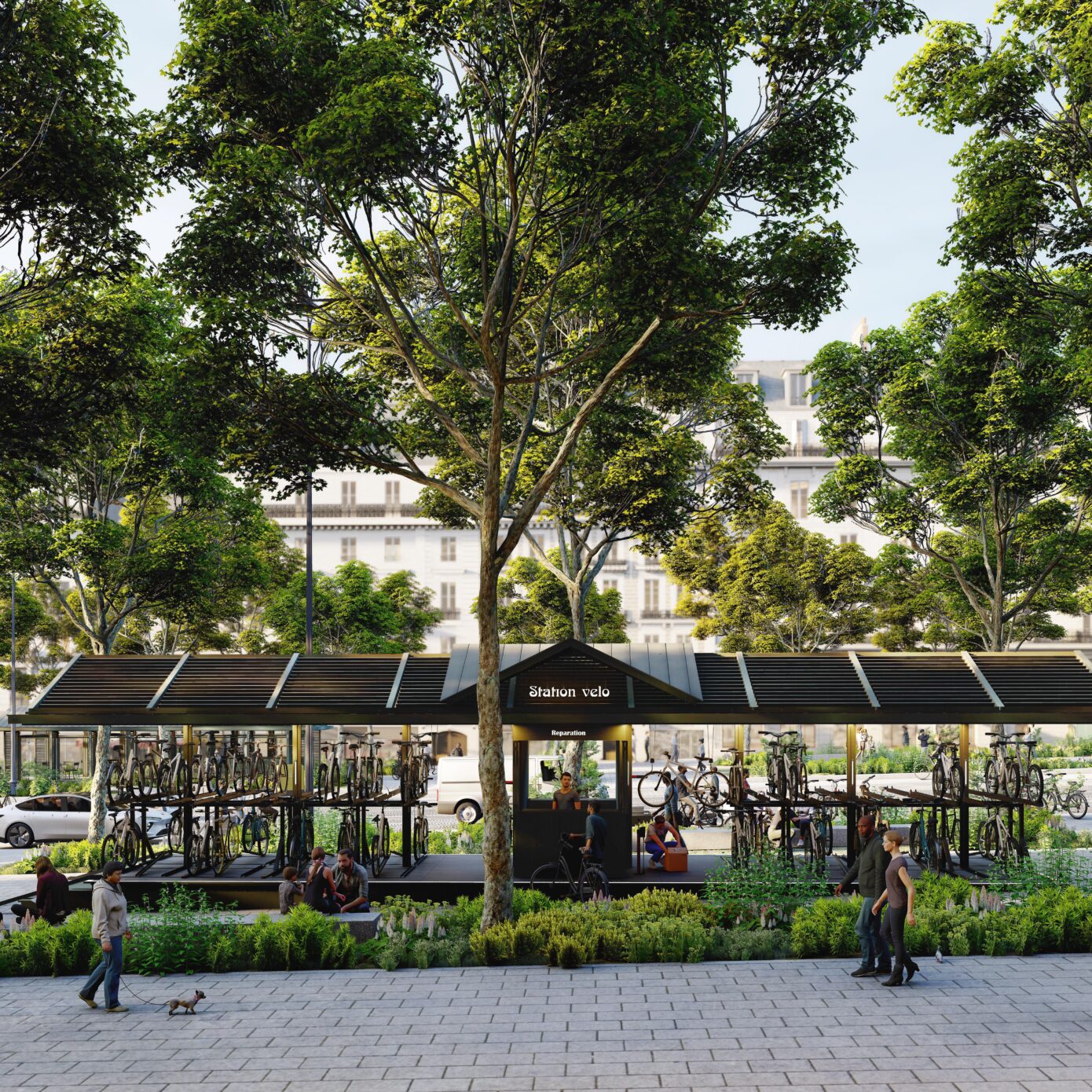
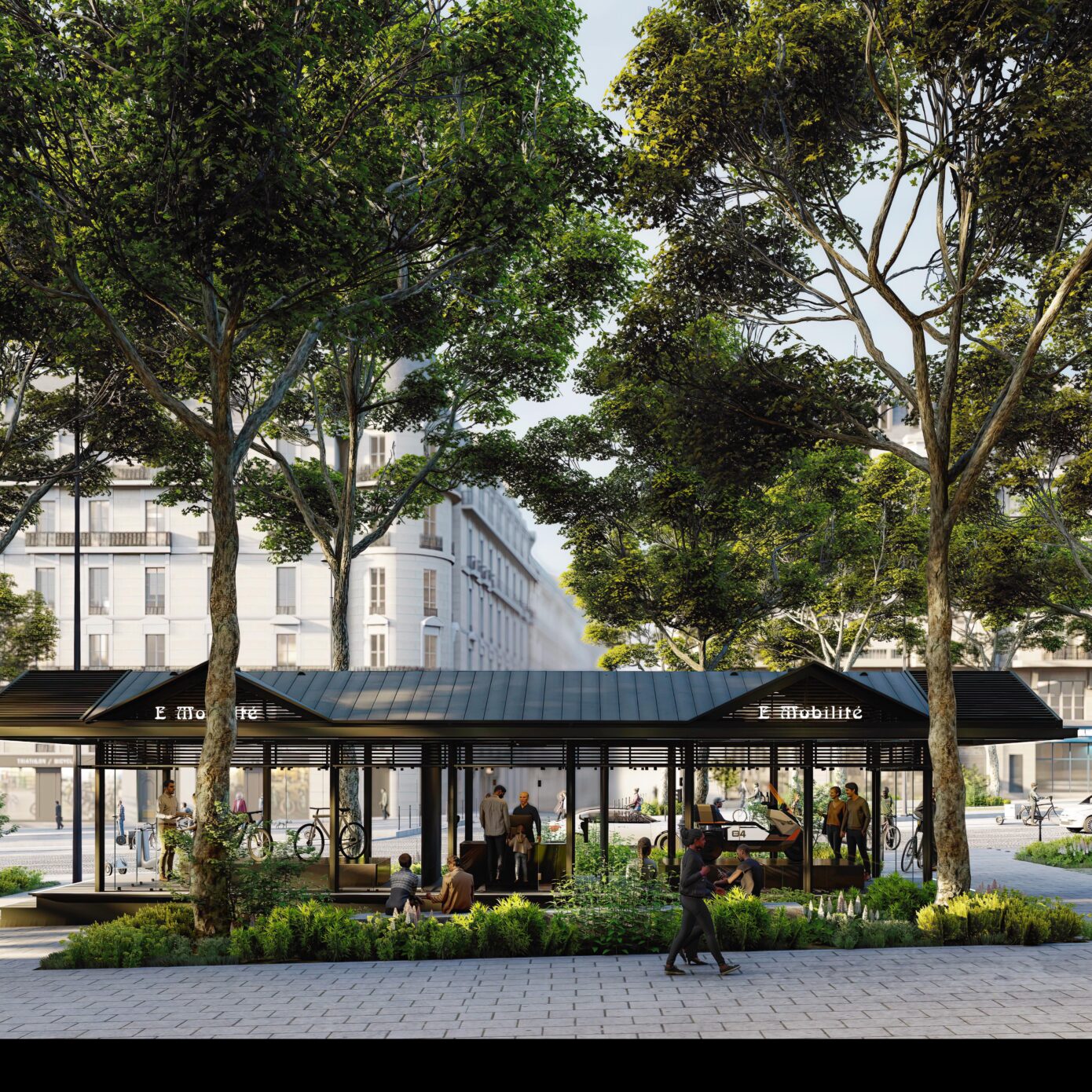
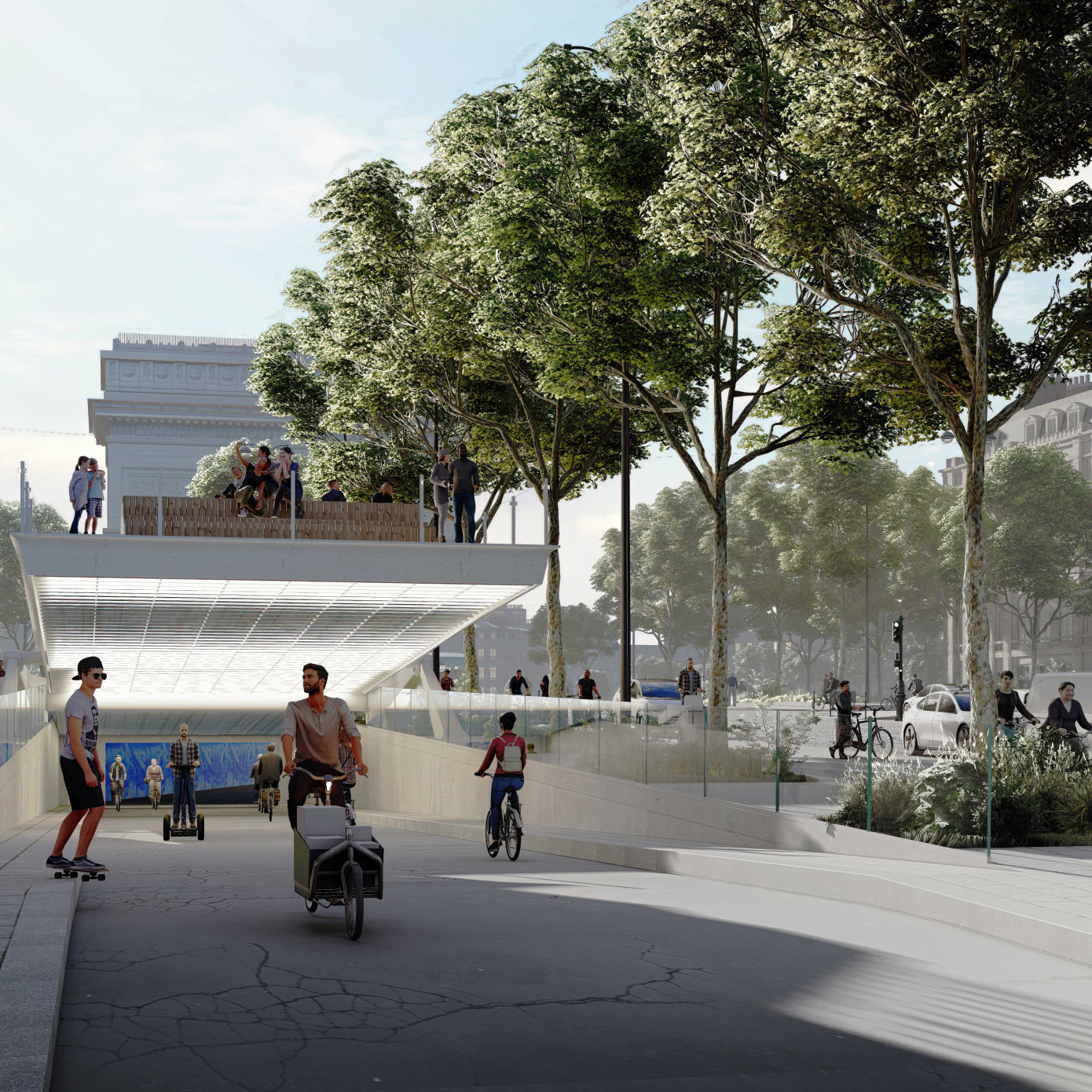
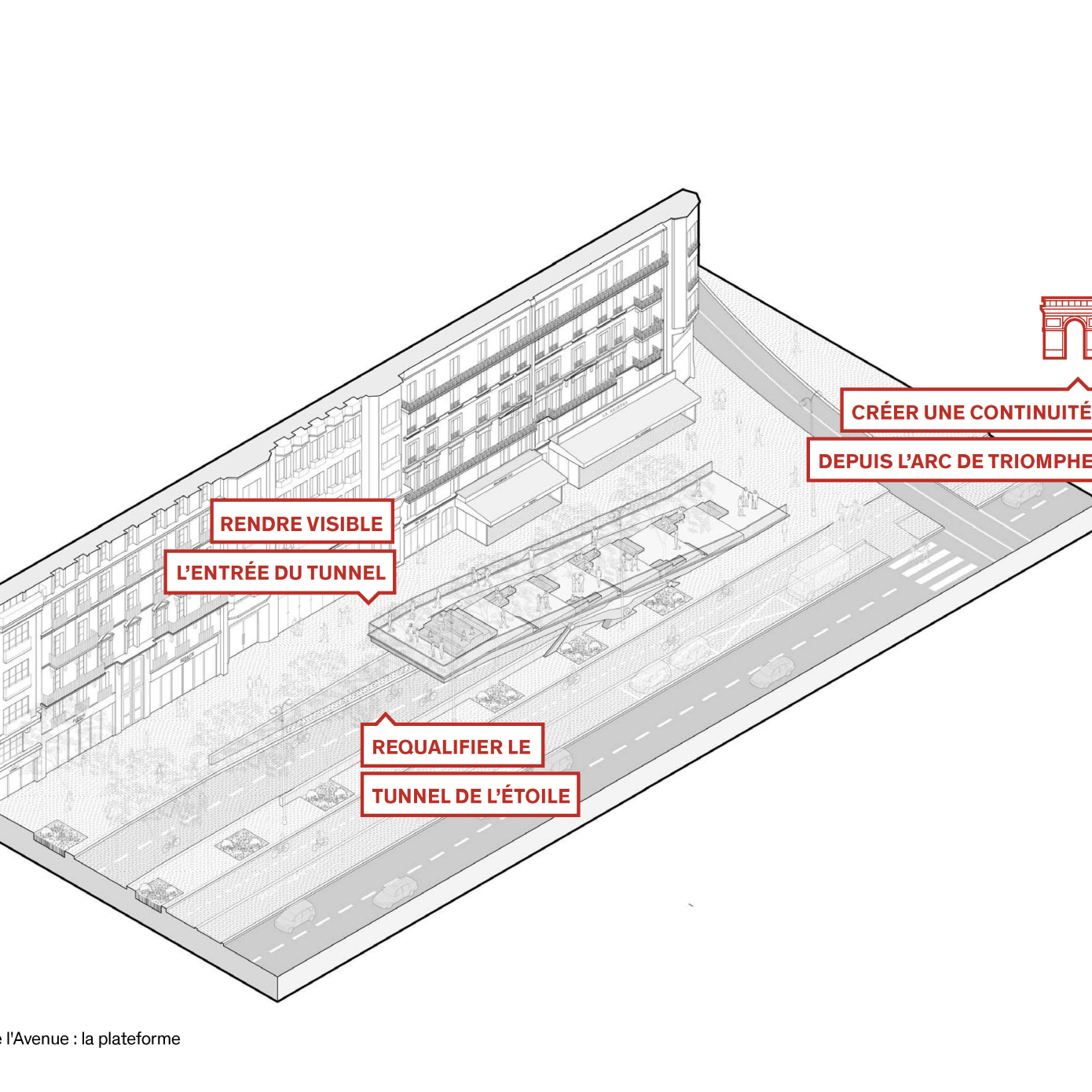
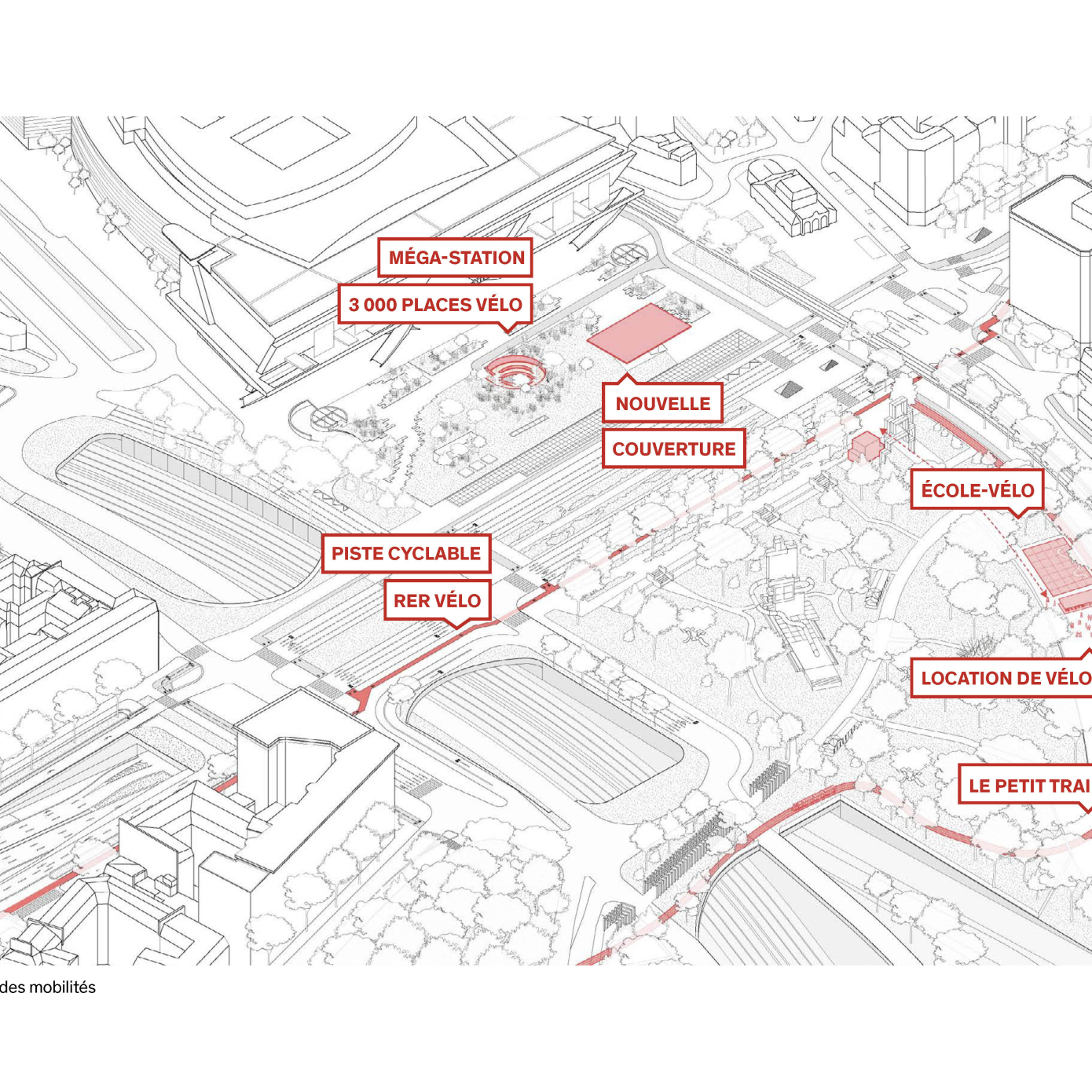
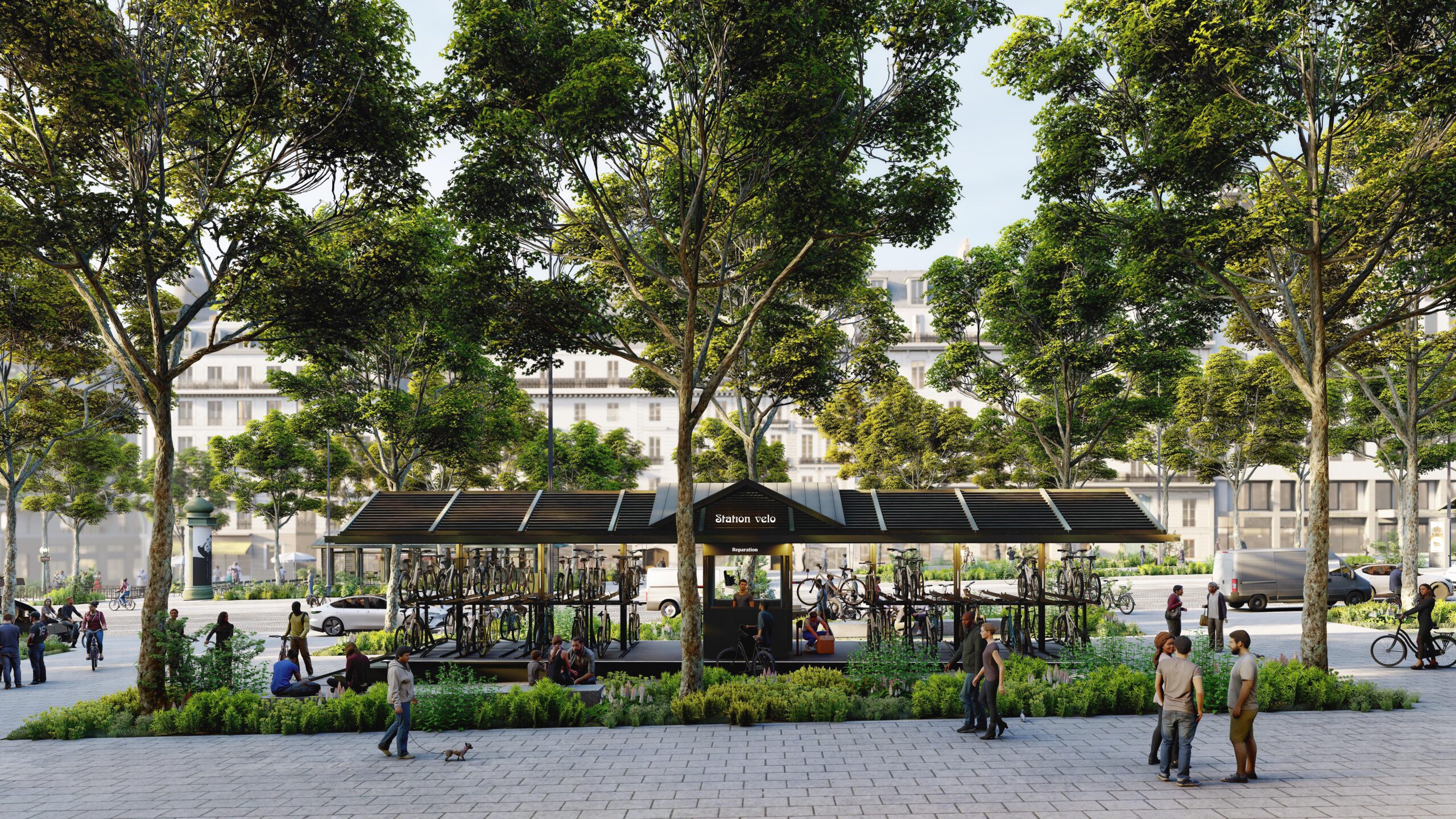
Everything is coming together for Avenue de la Grande-Armée to once again become the showcase of a revolution in urban mobility: its geographic location, its historical identity, the end of the internal combustion engine, the growing modal share of sustainable transportation, the creation of the RER vélo, and the arrival of Éole. A temple to new forms of mobility could be created there by installing a mega-bike station beneath the Palais des Congrès plaza, a bike school, and rental services near Square Parodi and along the historic “Avenue des Cycles.”