Laborde

Paris 8

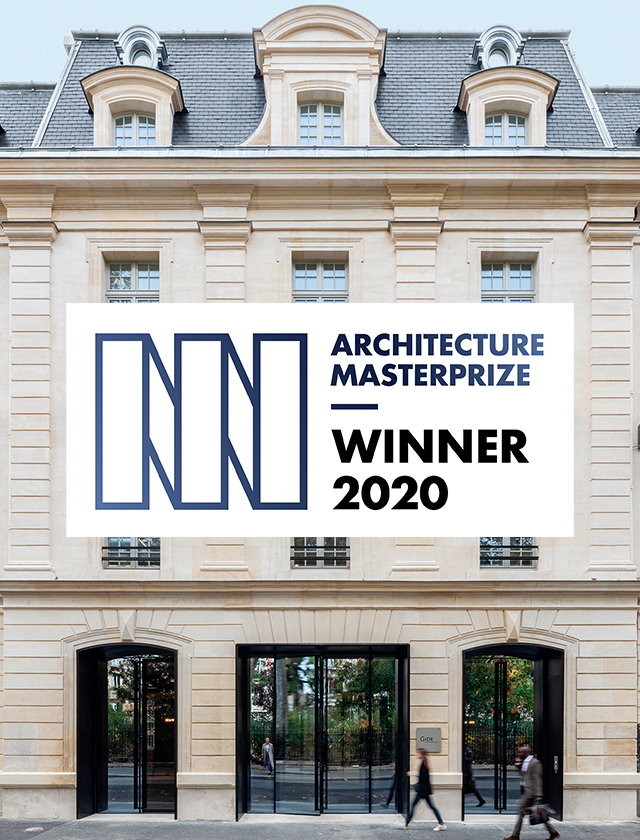
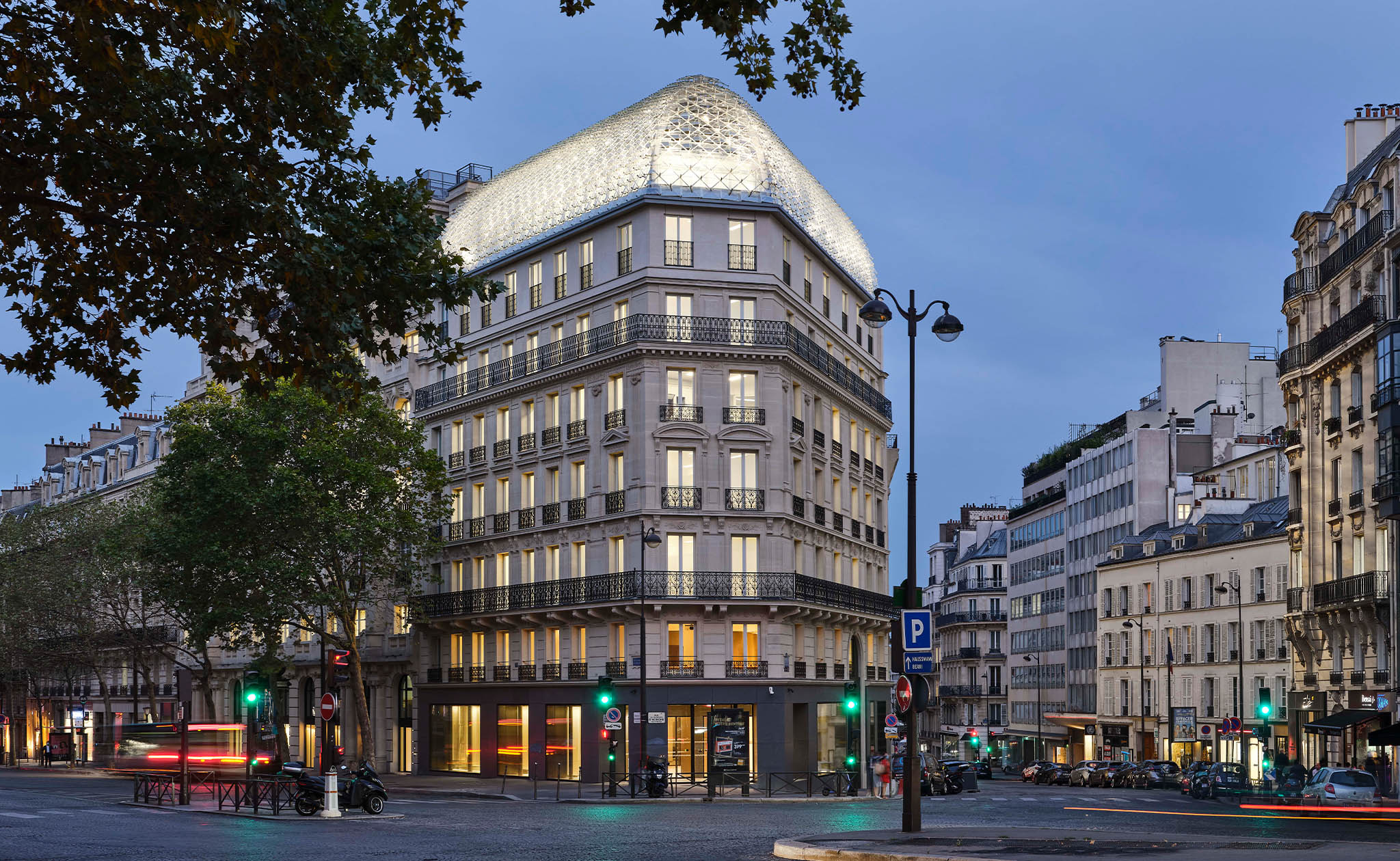
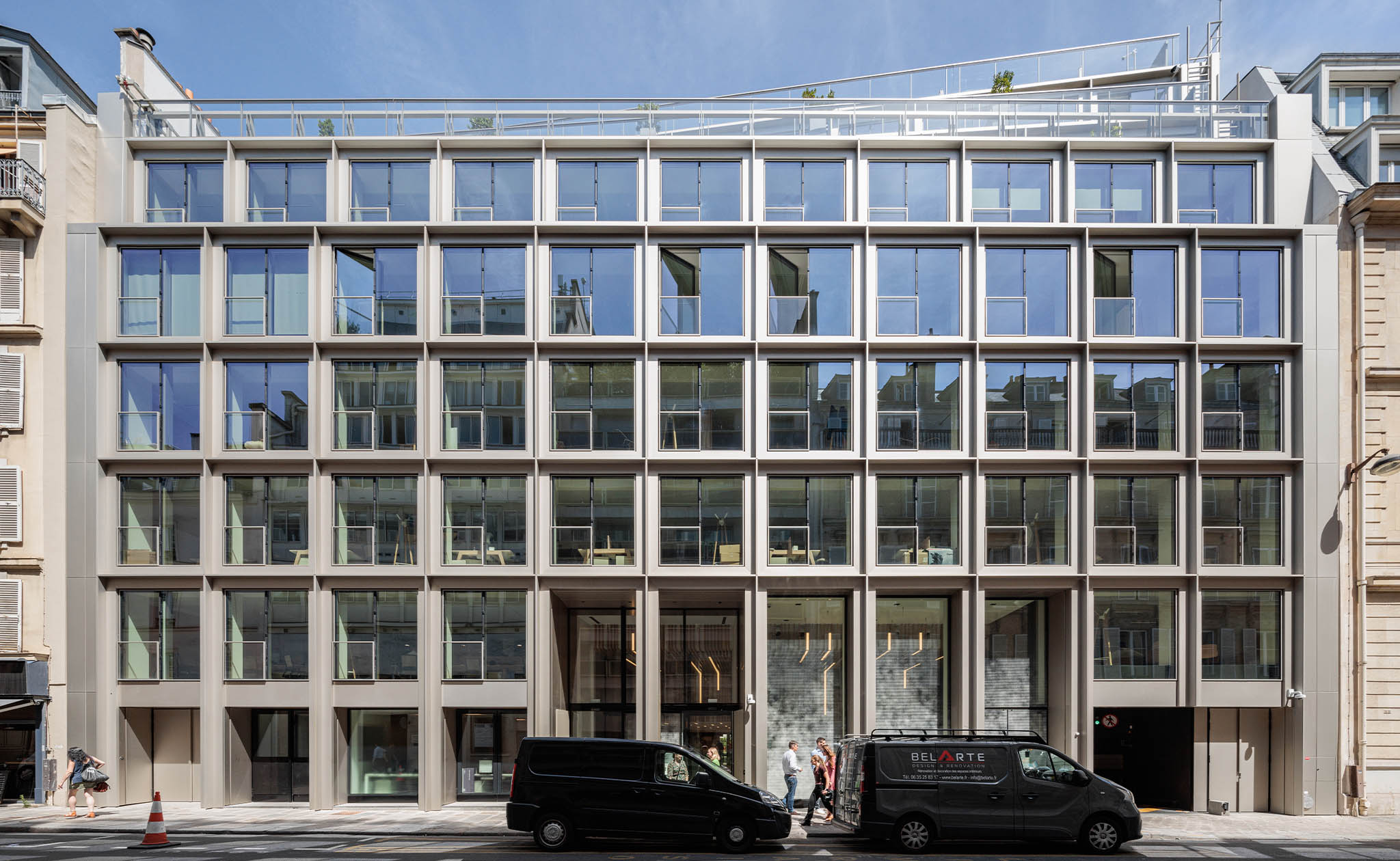
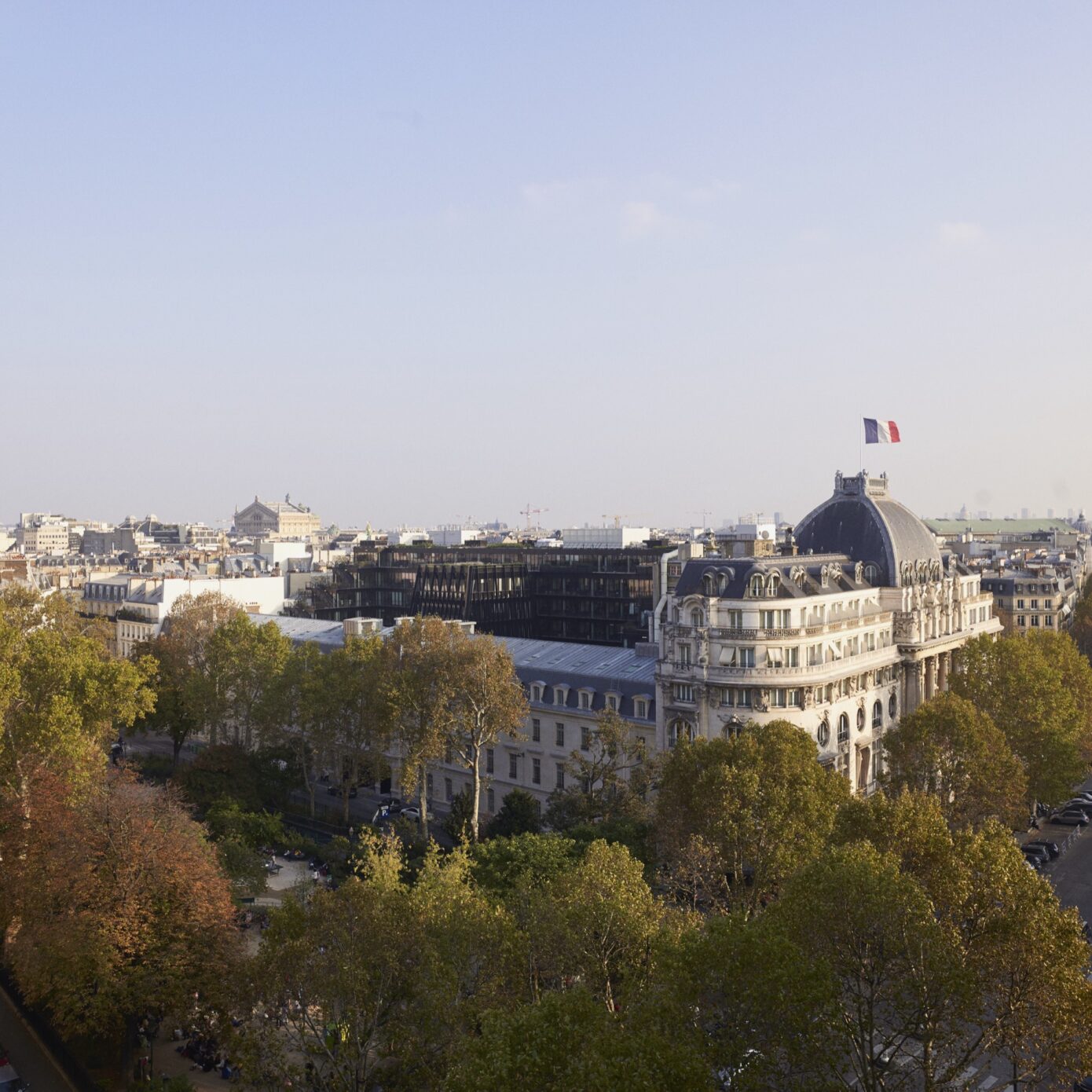
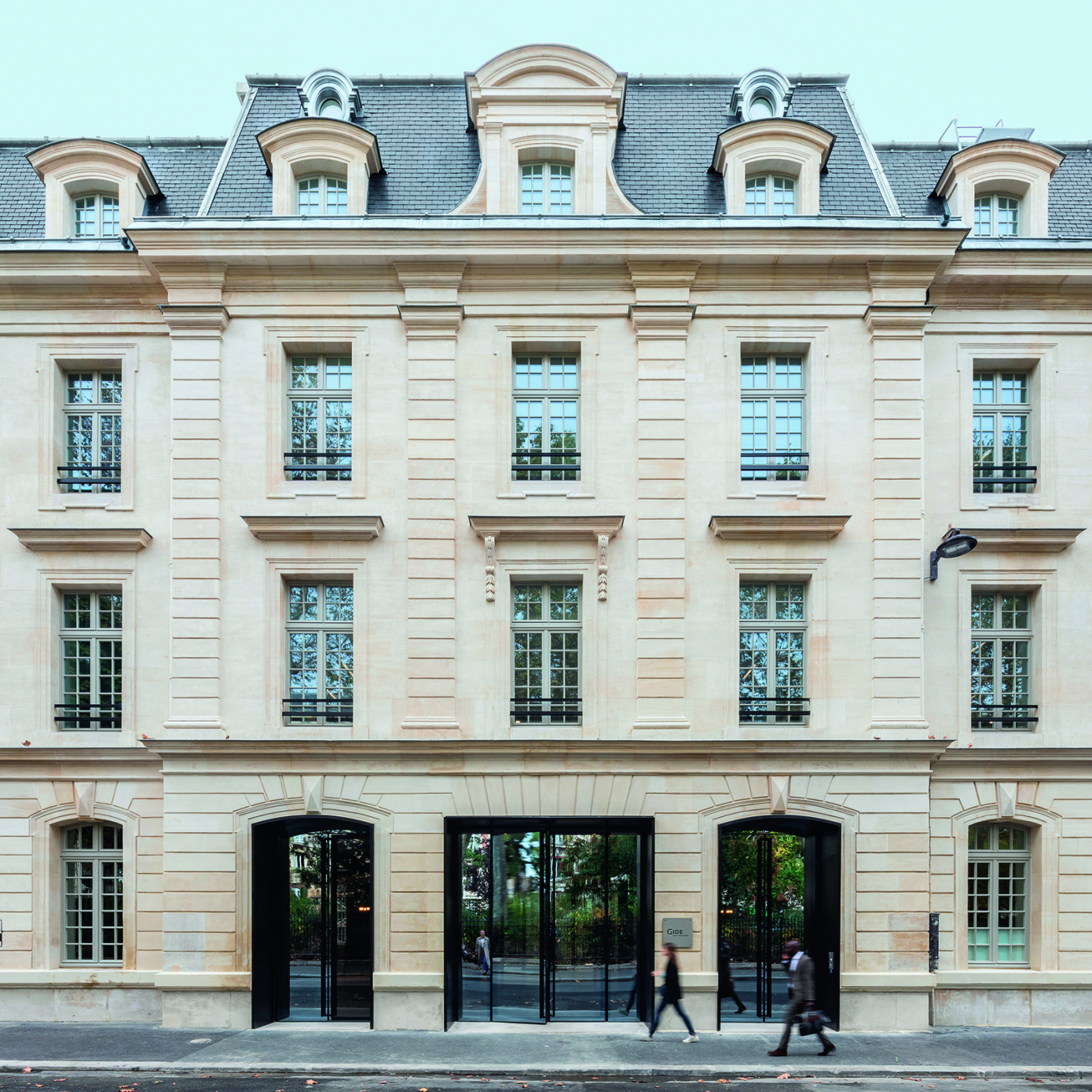
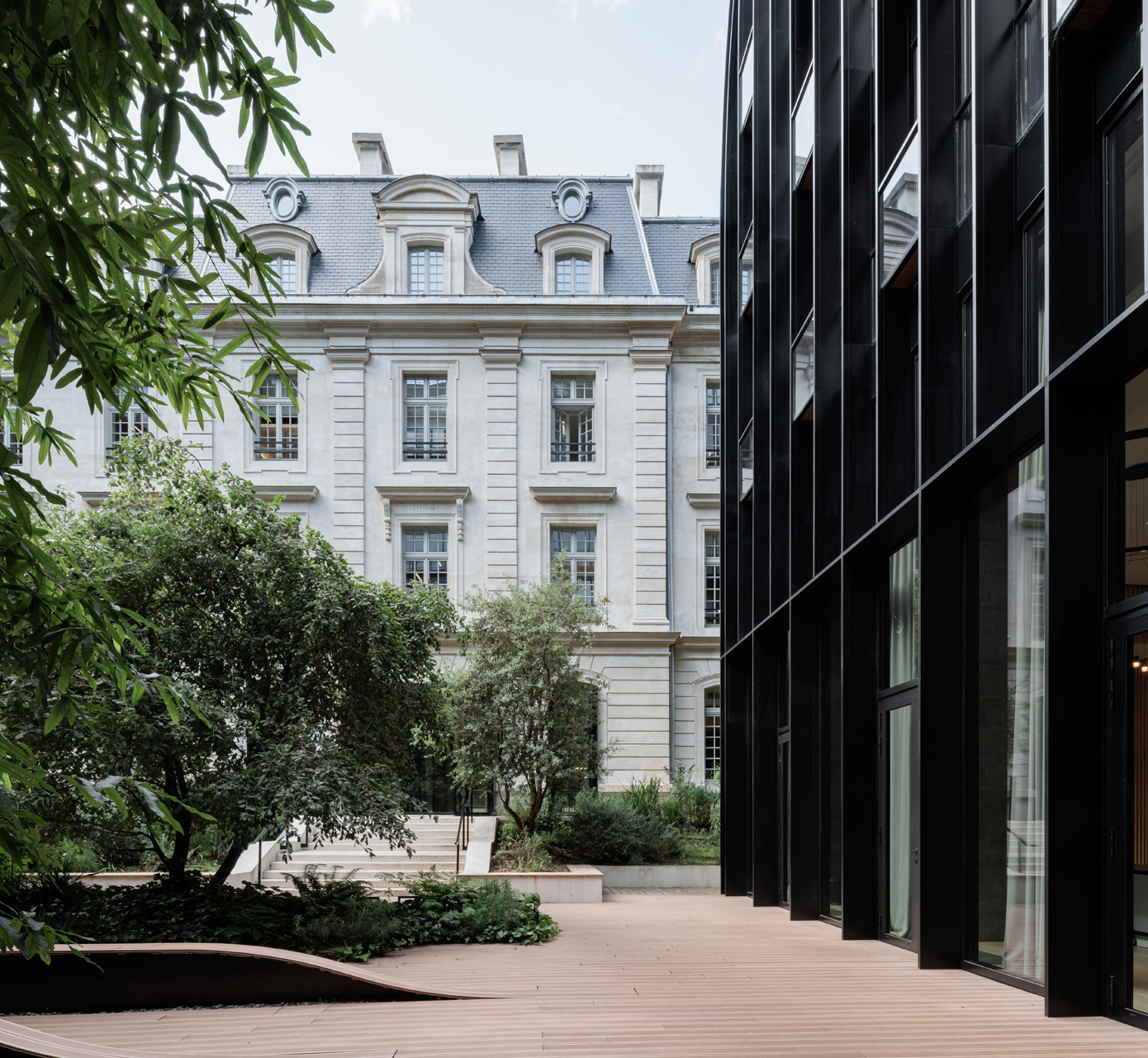
Located near the Saint-Lazare train station, these new-generation offices in a former military barracks combine the best of two architectural heritages. They offer a comfortable and prestigious workplace, turned towards nature and the well-being of its users, French law firm Gide-Loyrette-Nouel. The building’s heritage is magnified and remodeled, enhancing its attractiveness and competitiveness, while helping to write a new page in the history of Paris’s ever-changing urban fabric.

COVER_PROJETS_LABORDES
181000-PCA-Laborde_Salem-72 copie

Photos

Process

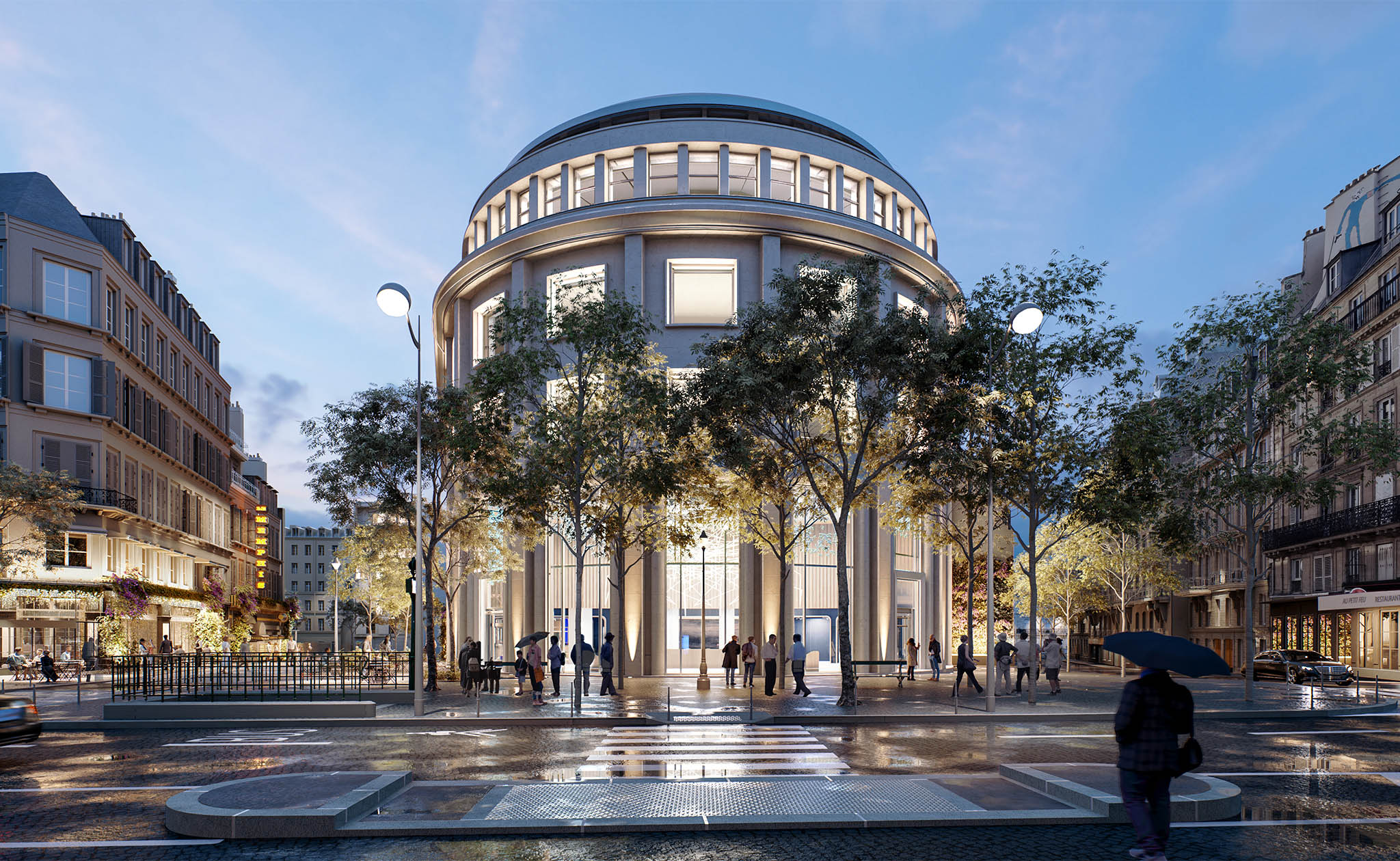
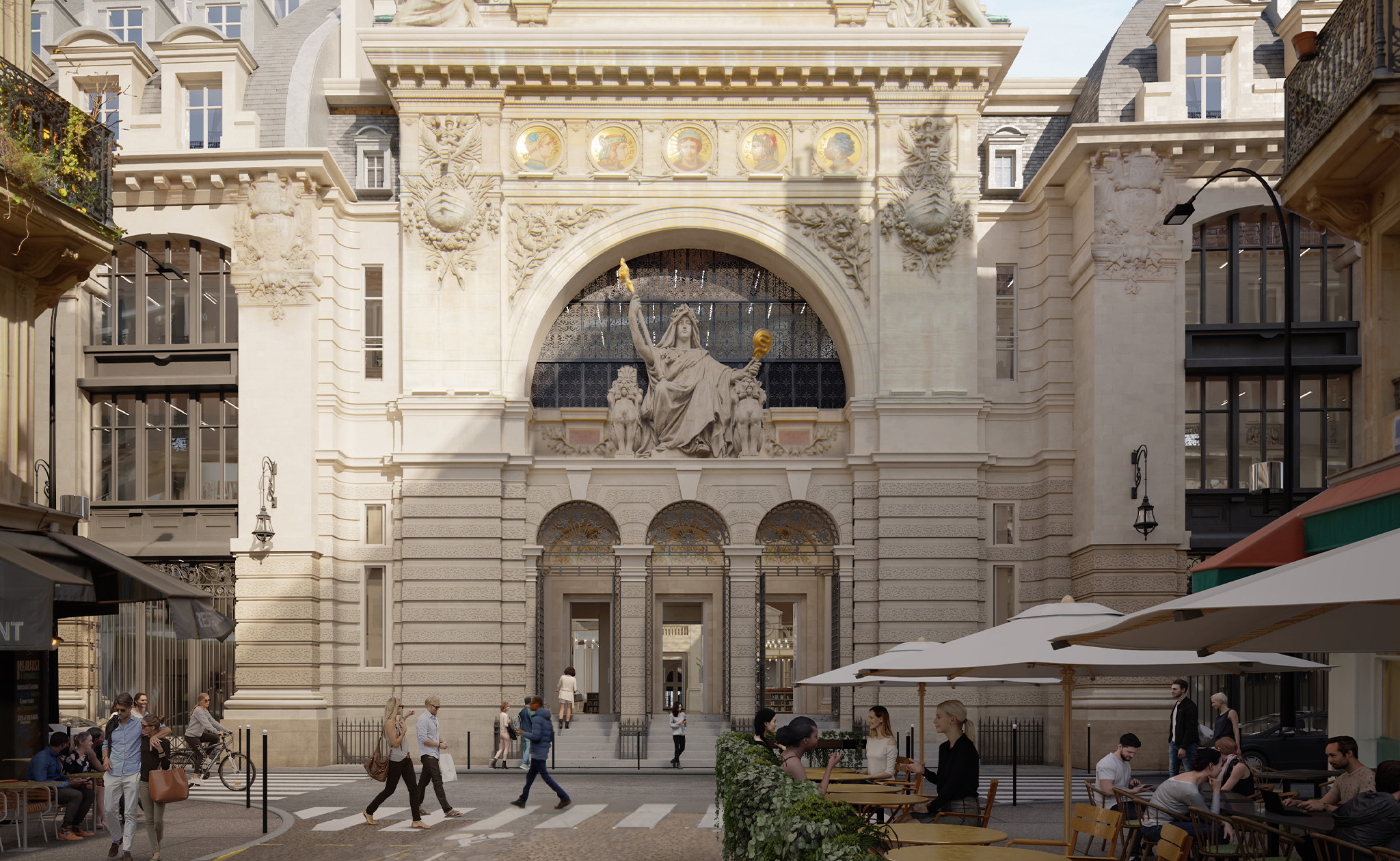
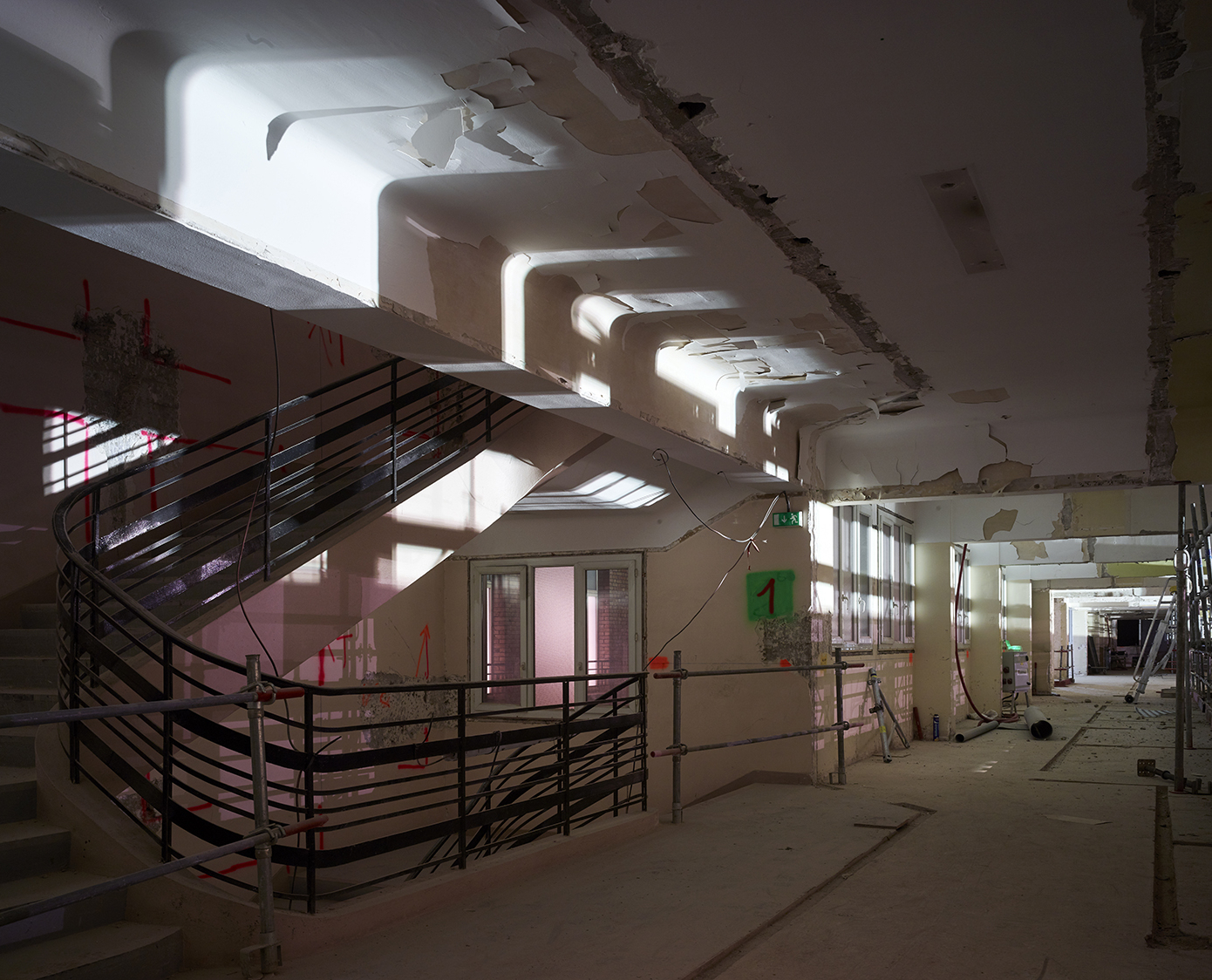
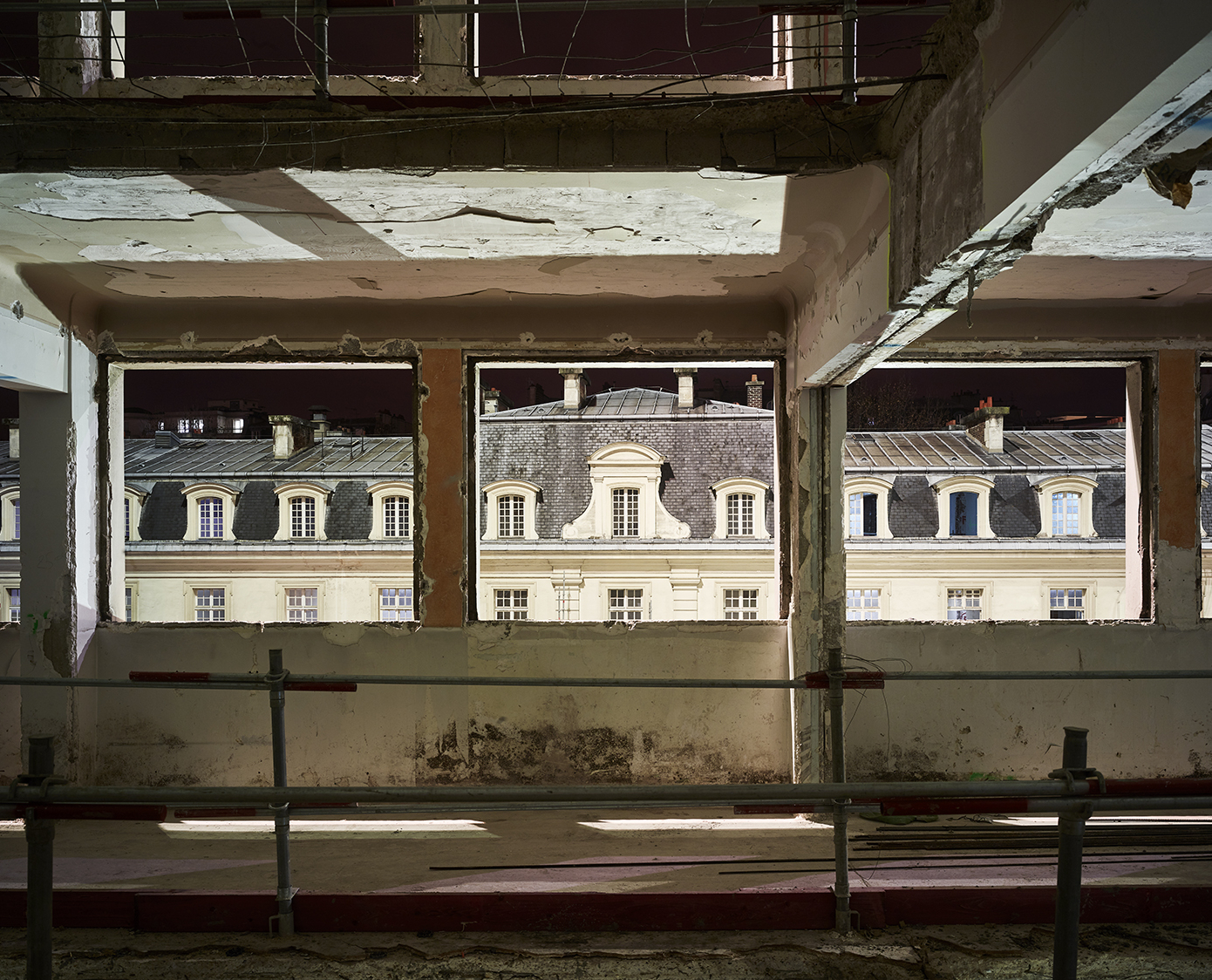
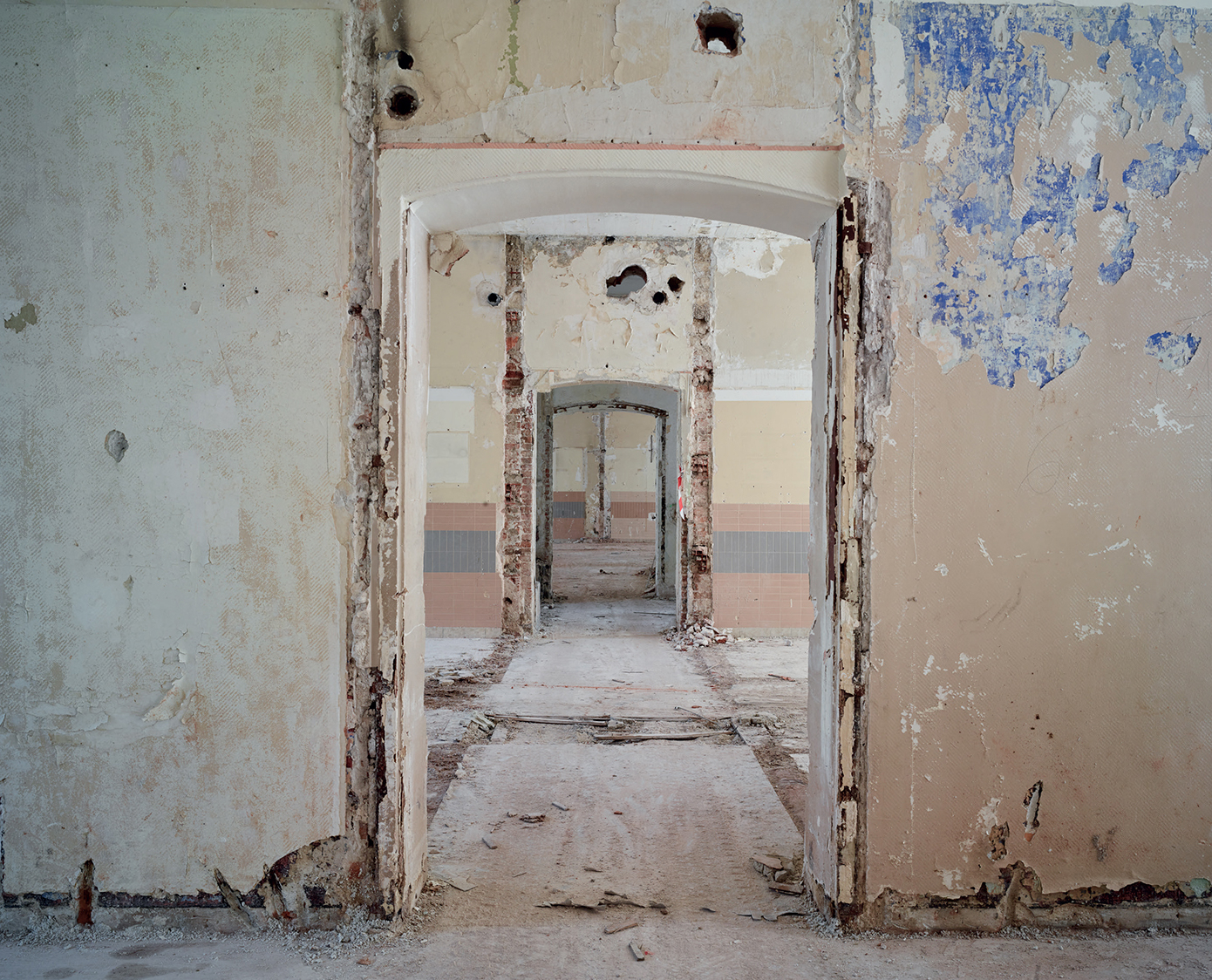
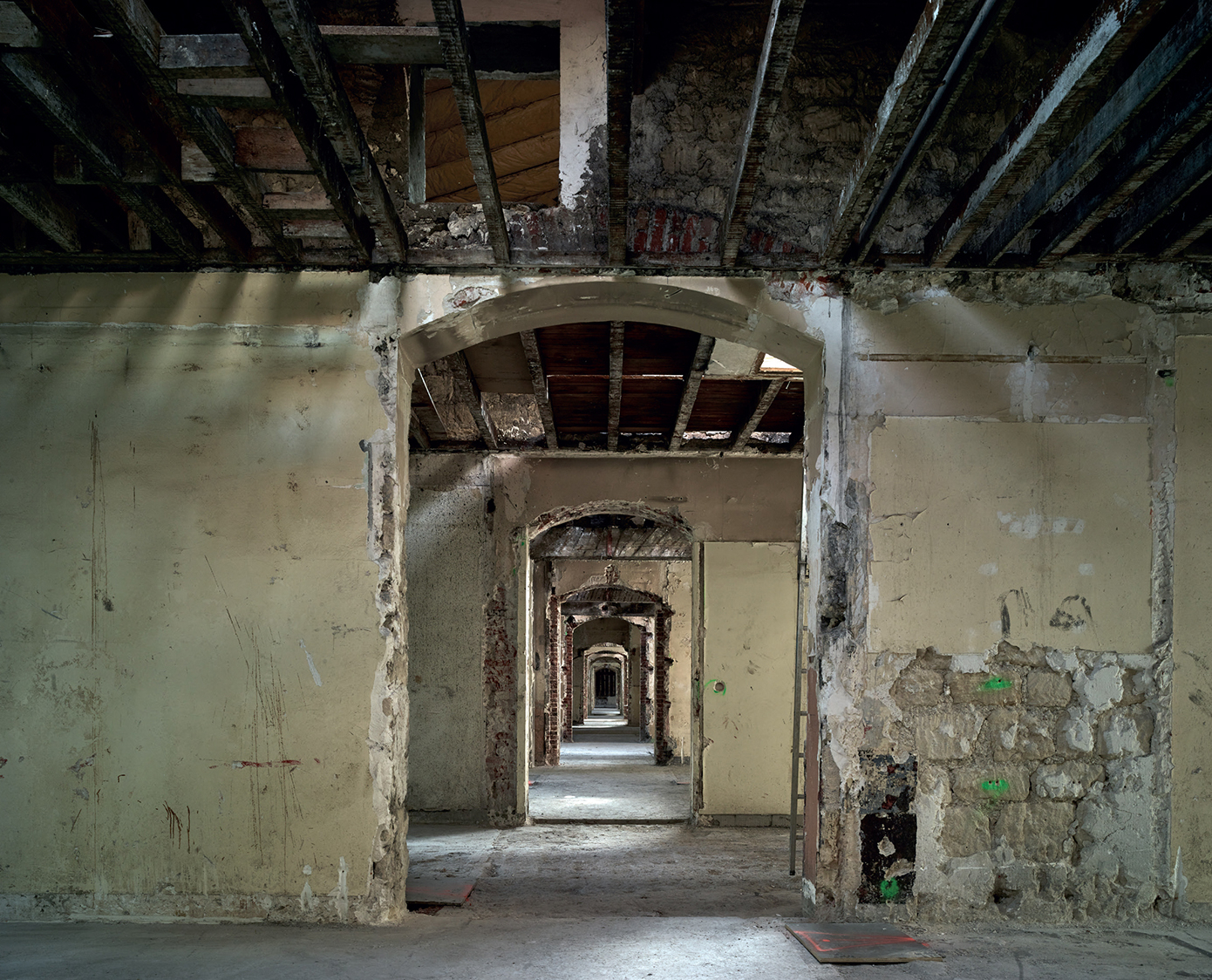
The Pépinière military barracks were built at the end of the 18th century for the Gardes Françaises Regiment. U-shaped around a large courtyard for troop reviews, it opens onto the Place Saint-Augustin. Extensively altered under the Second Empire, it was partly demolished in 1925, when the Cercle National des Armées took the place of its monumental entrance. After the war, the rear wing was replaced by an office and barracks building. High and narrow in an oversized courtyard, it is functionalist and of little architectural interest, compared to the building overlooking the street, which is classical in its rigor. In 2015, the State sold off the complex.

Rebuilding Paris within itself

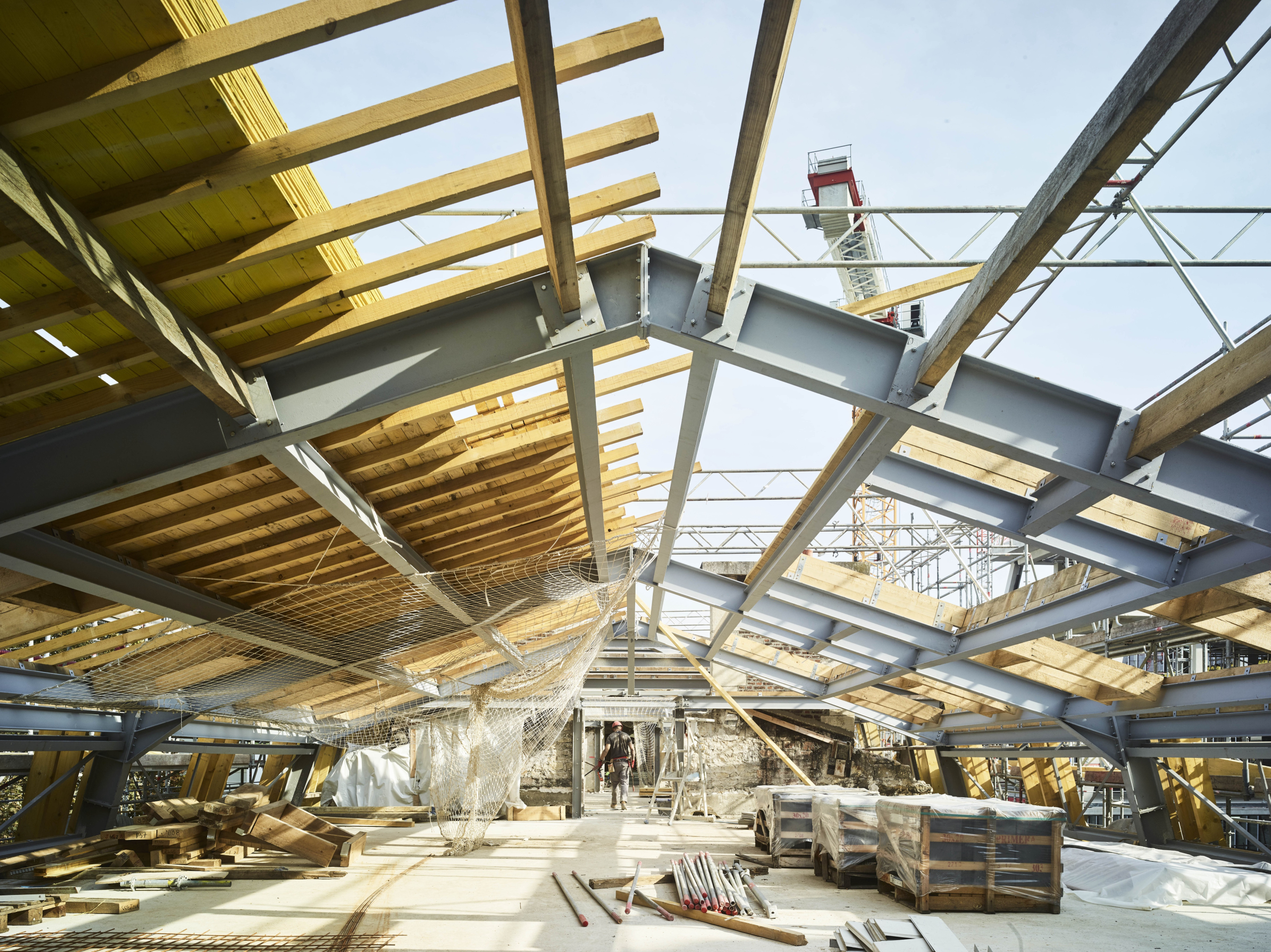
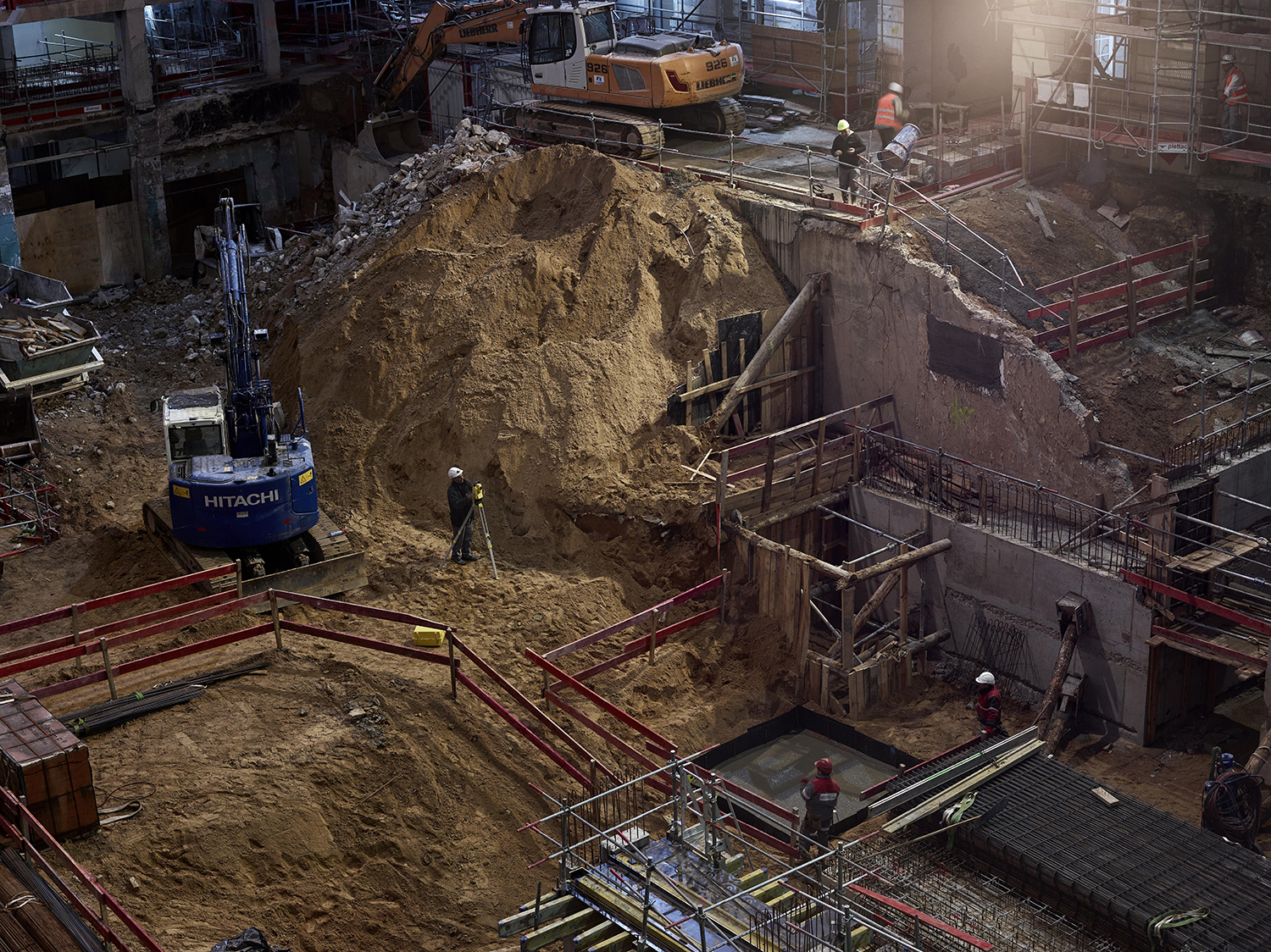
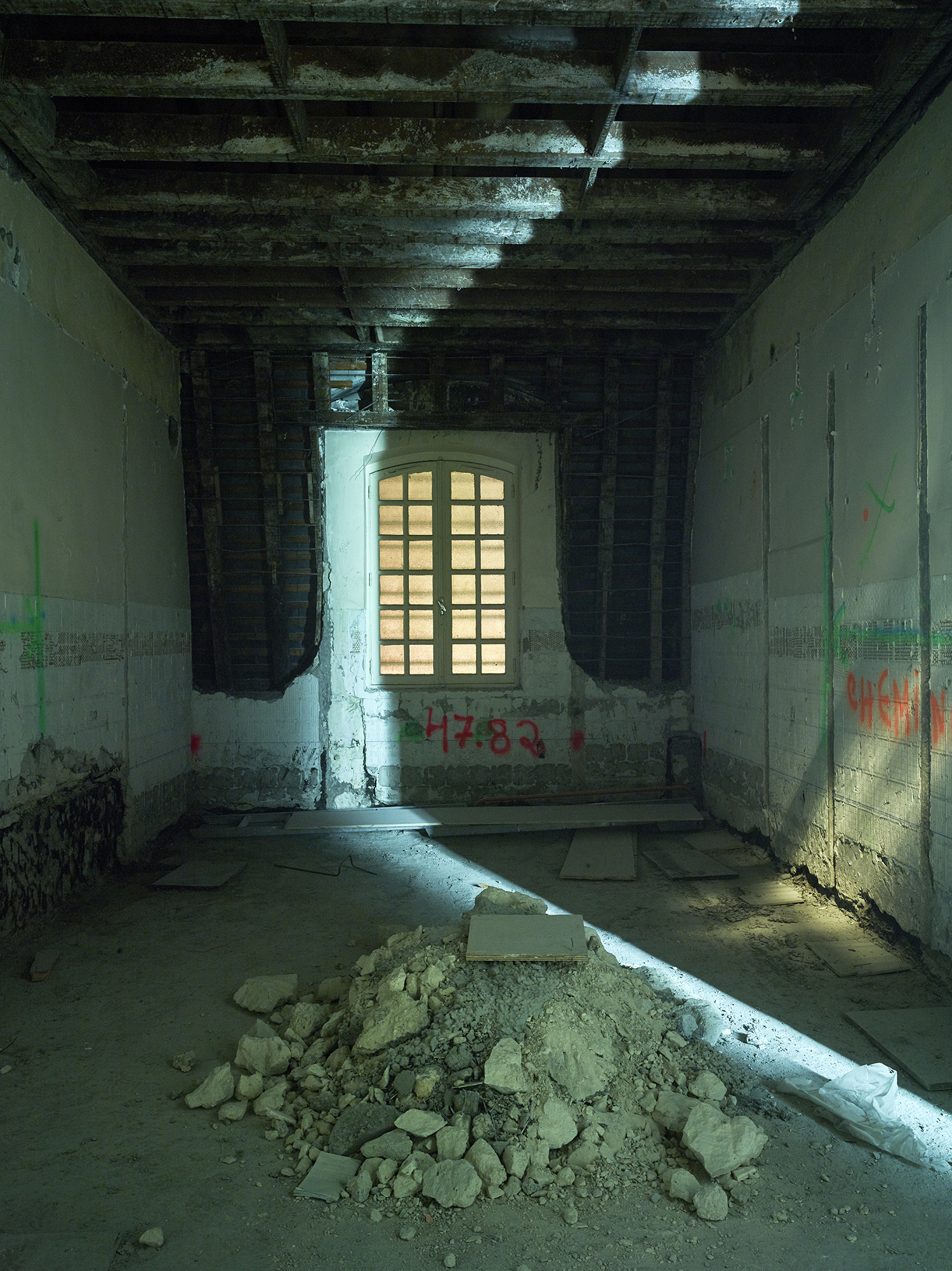
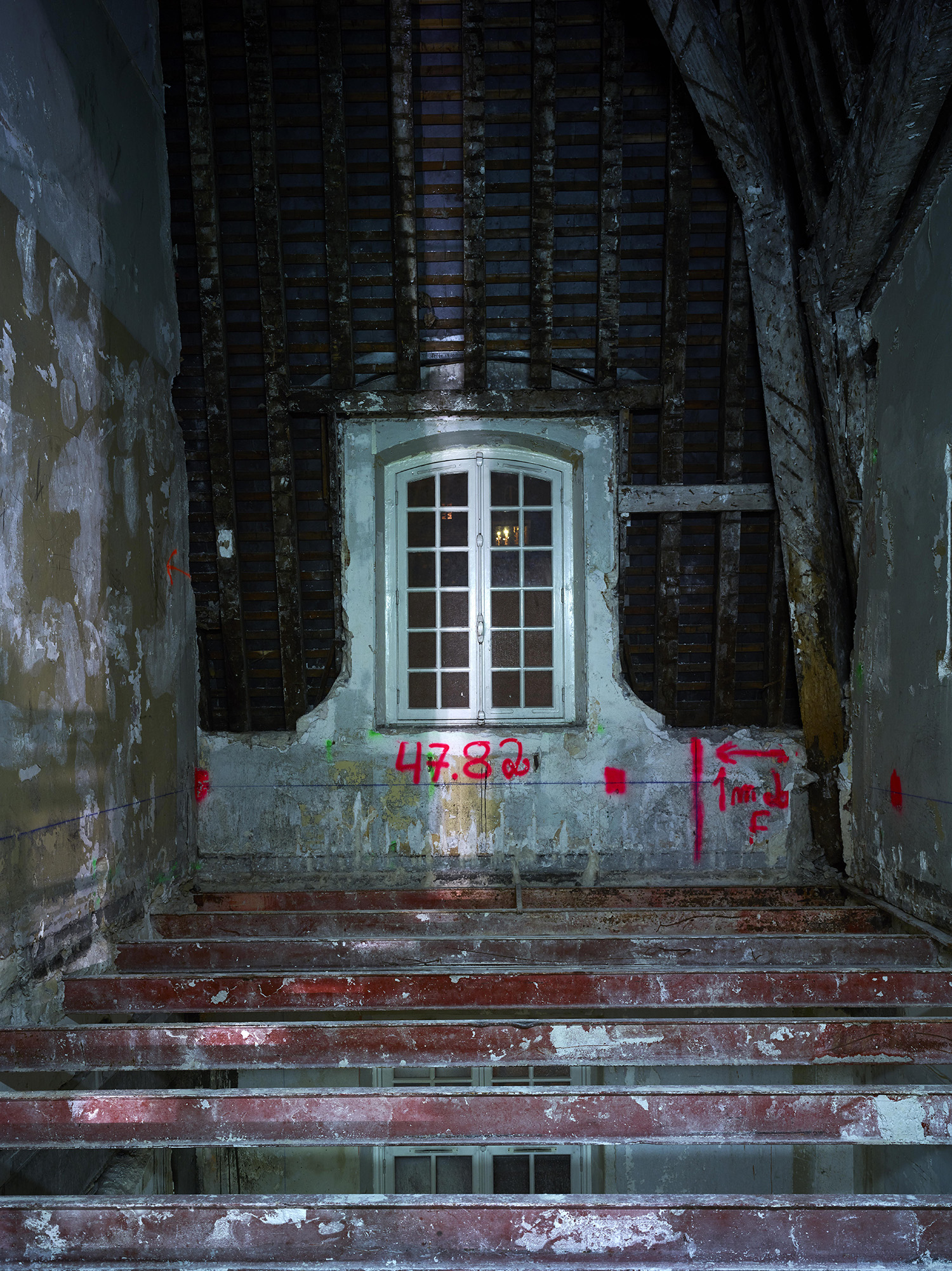
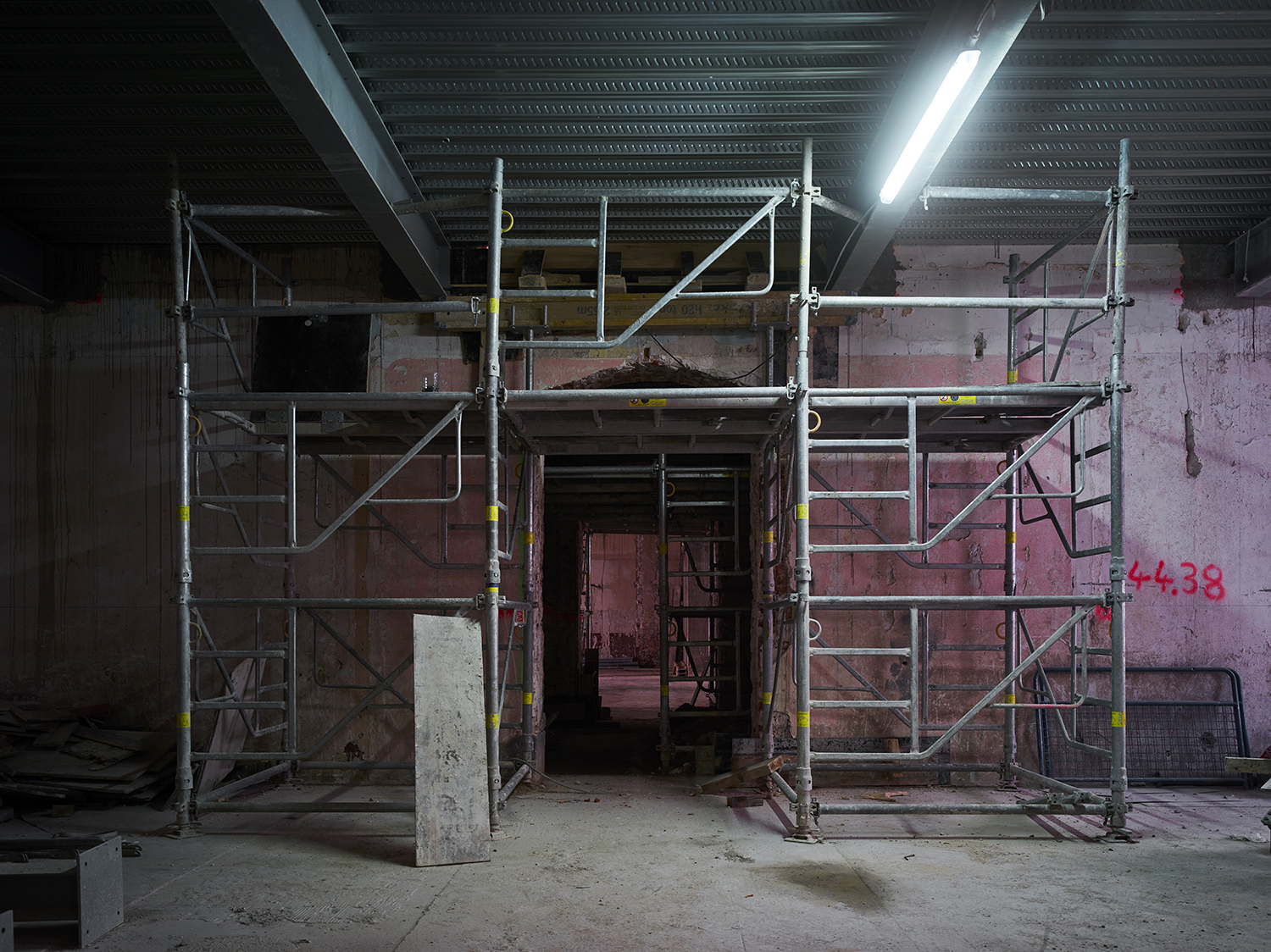
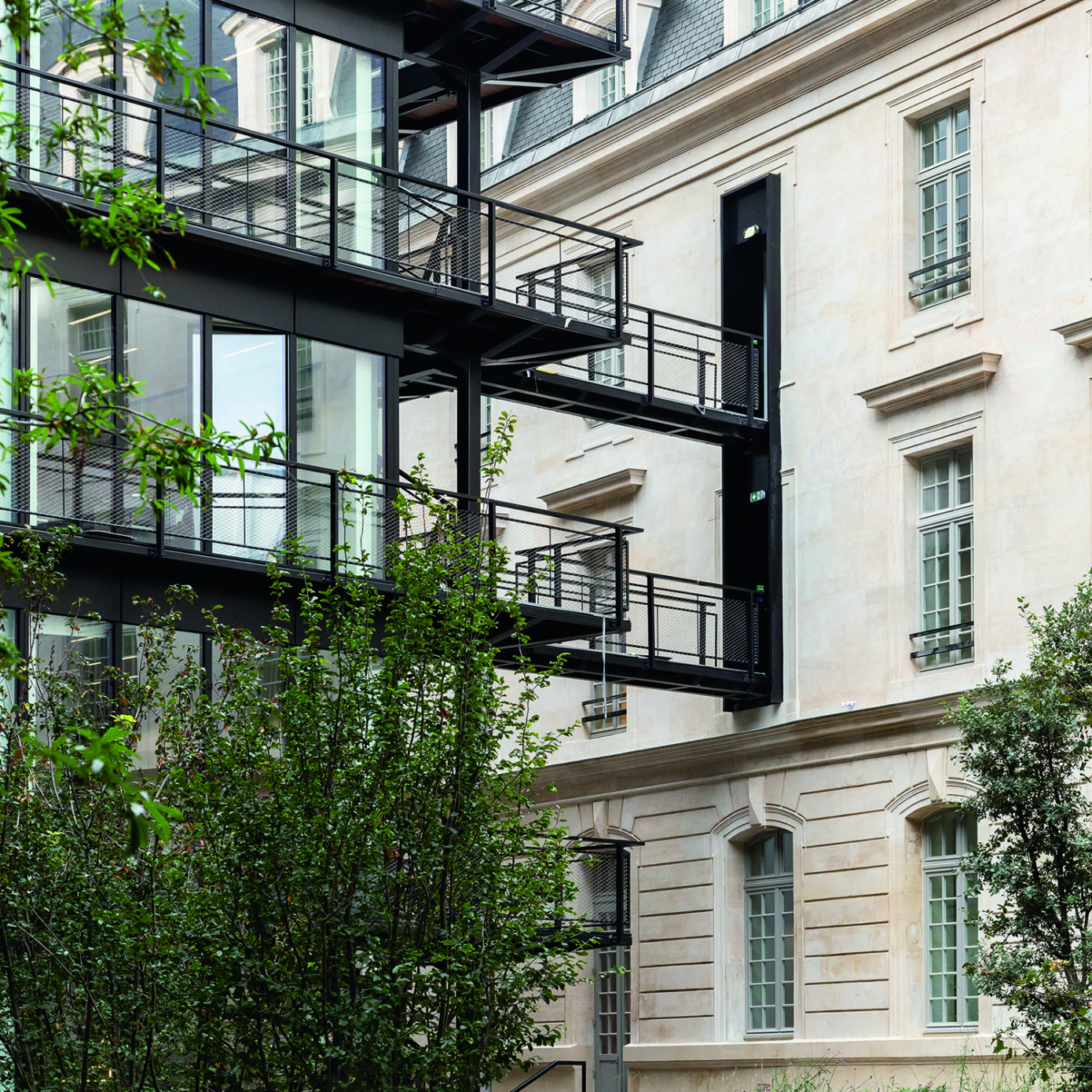
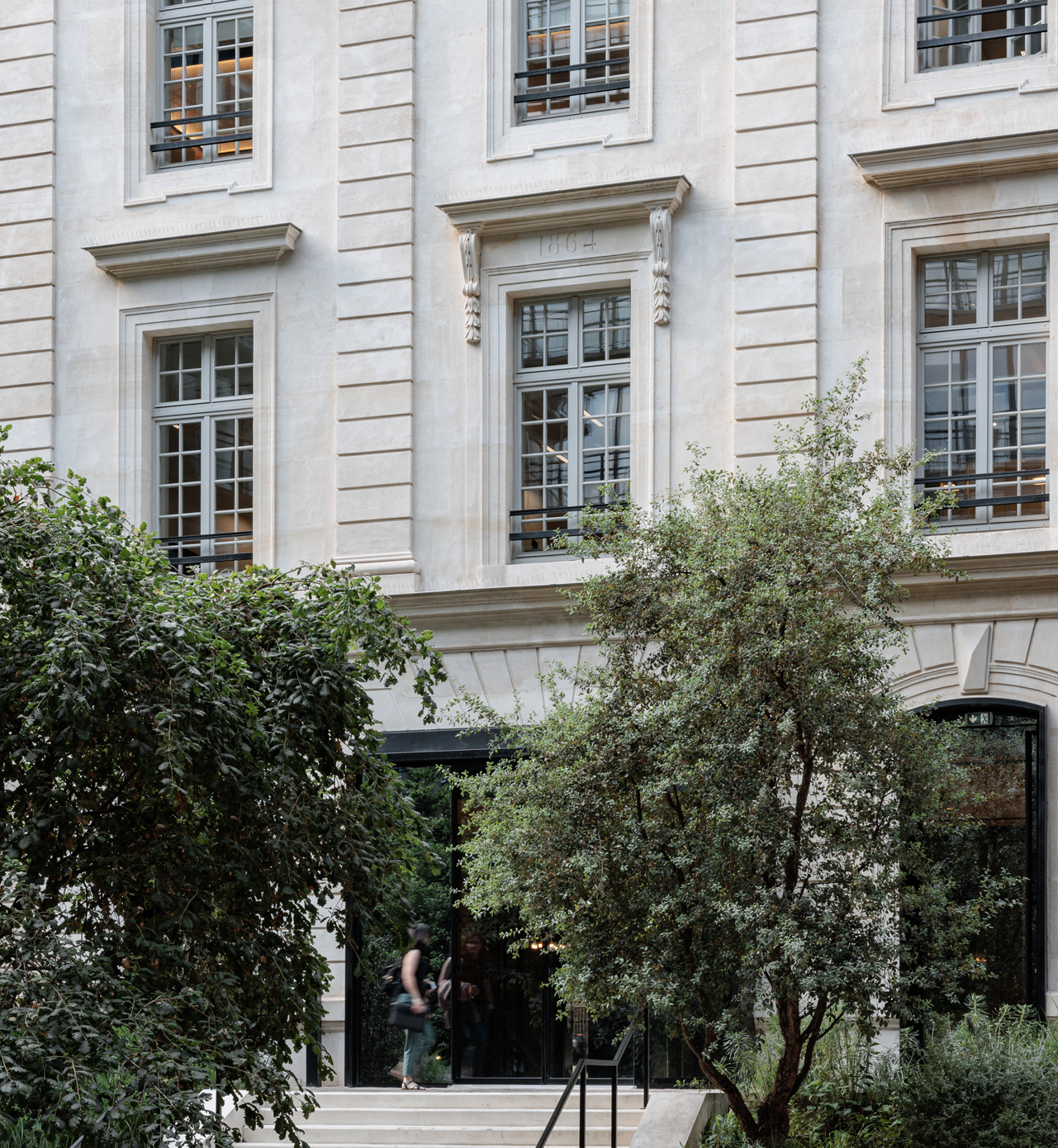
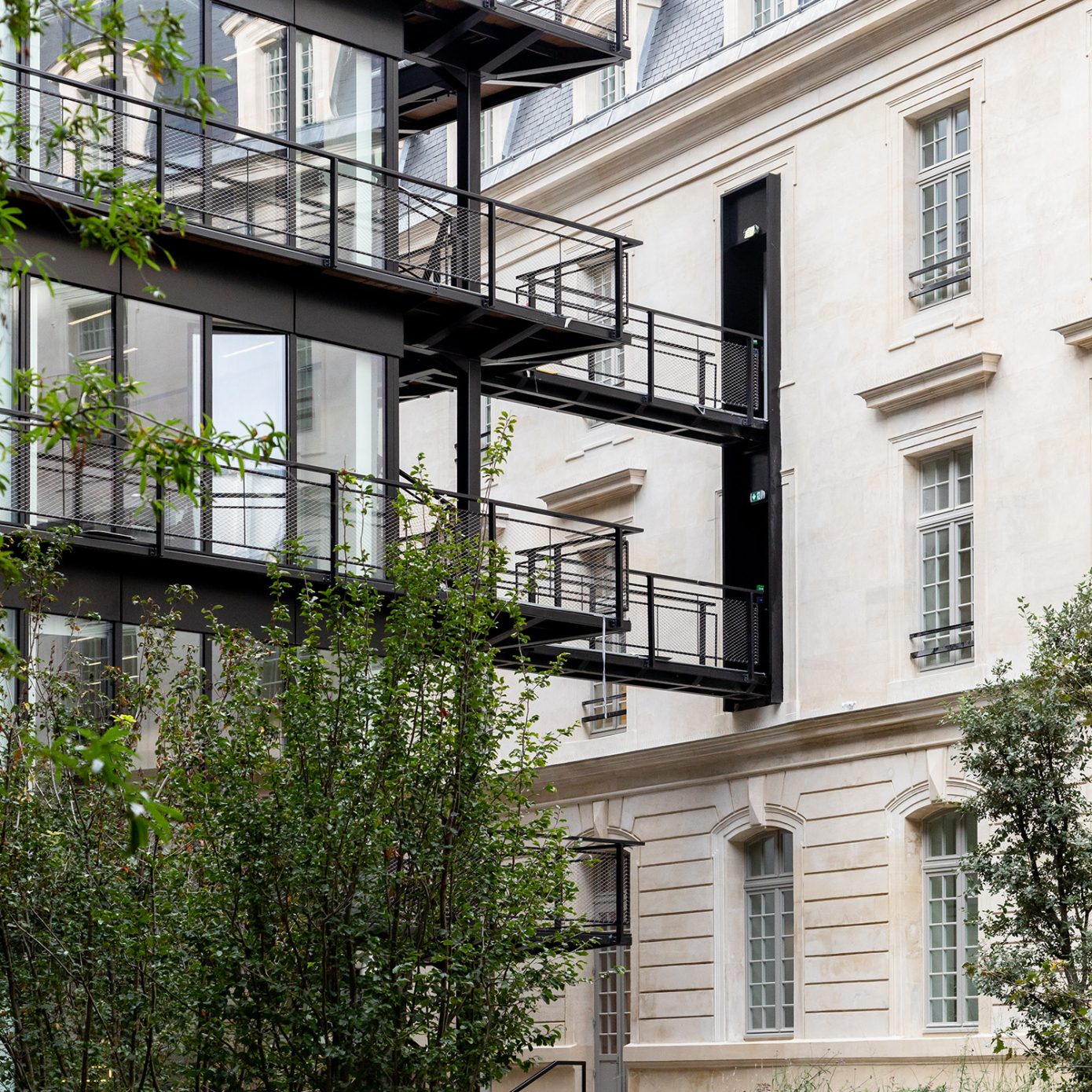
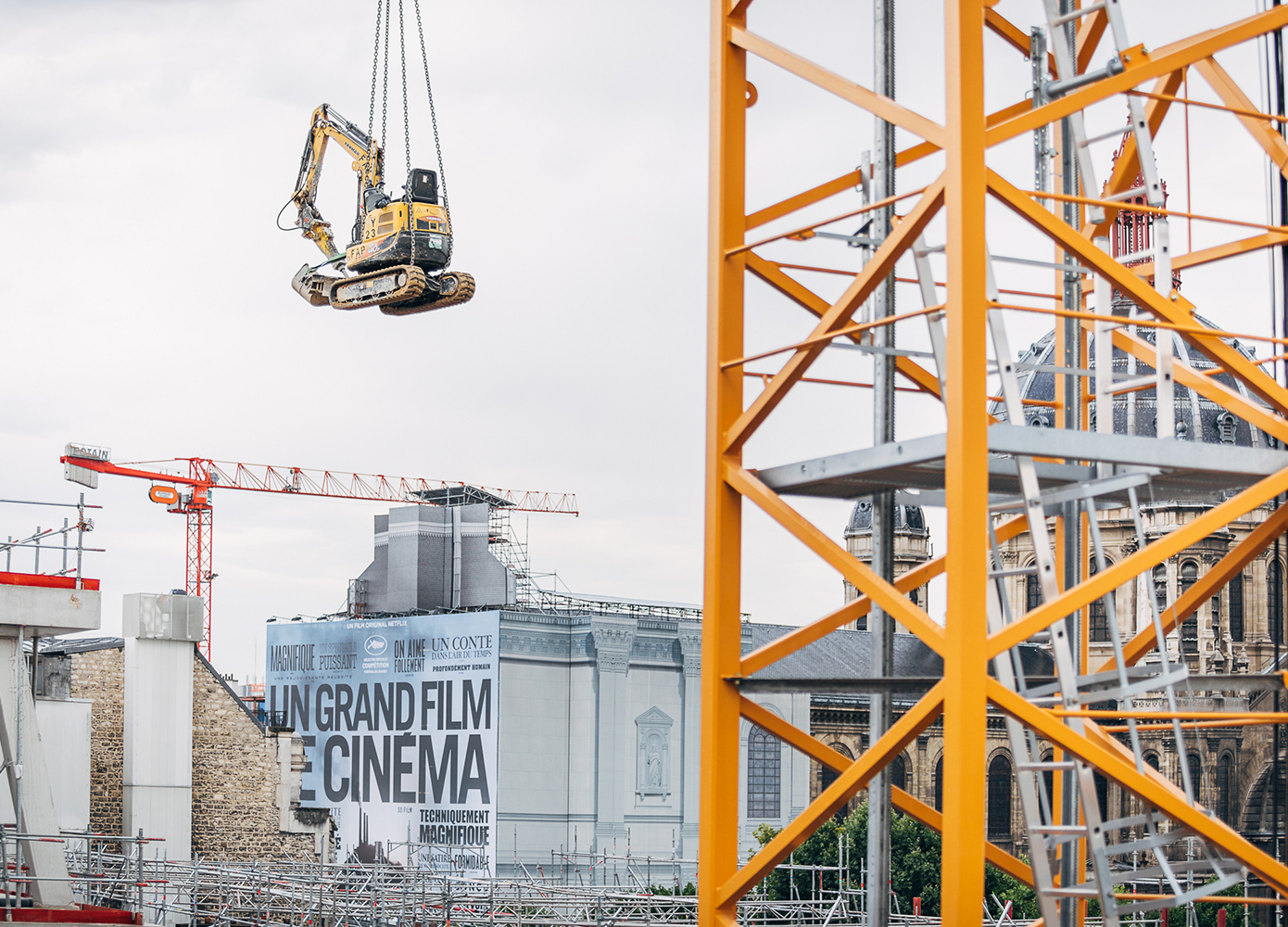
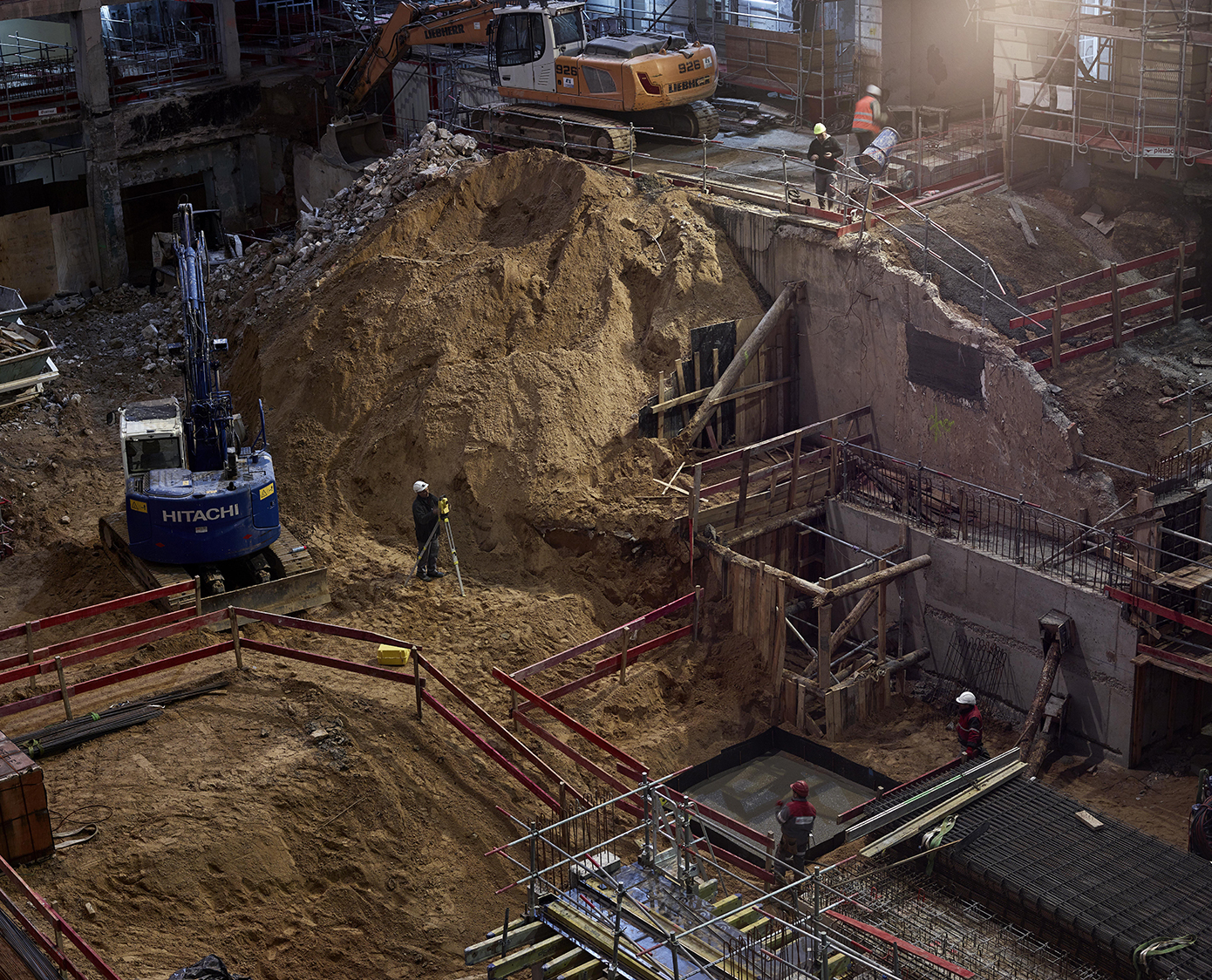
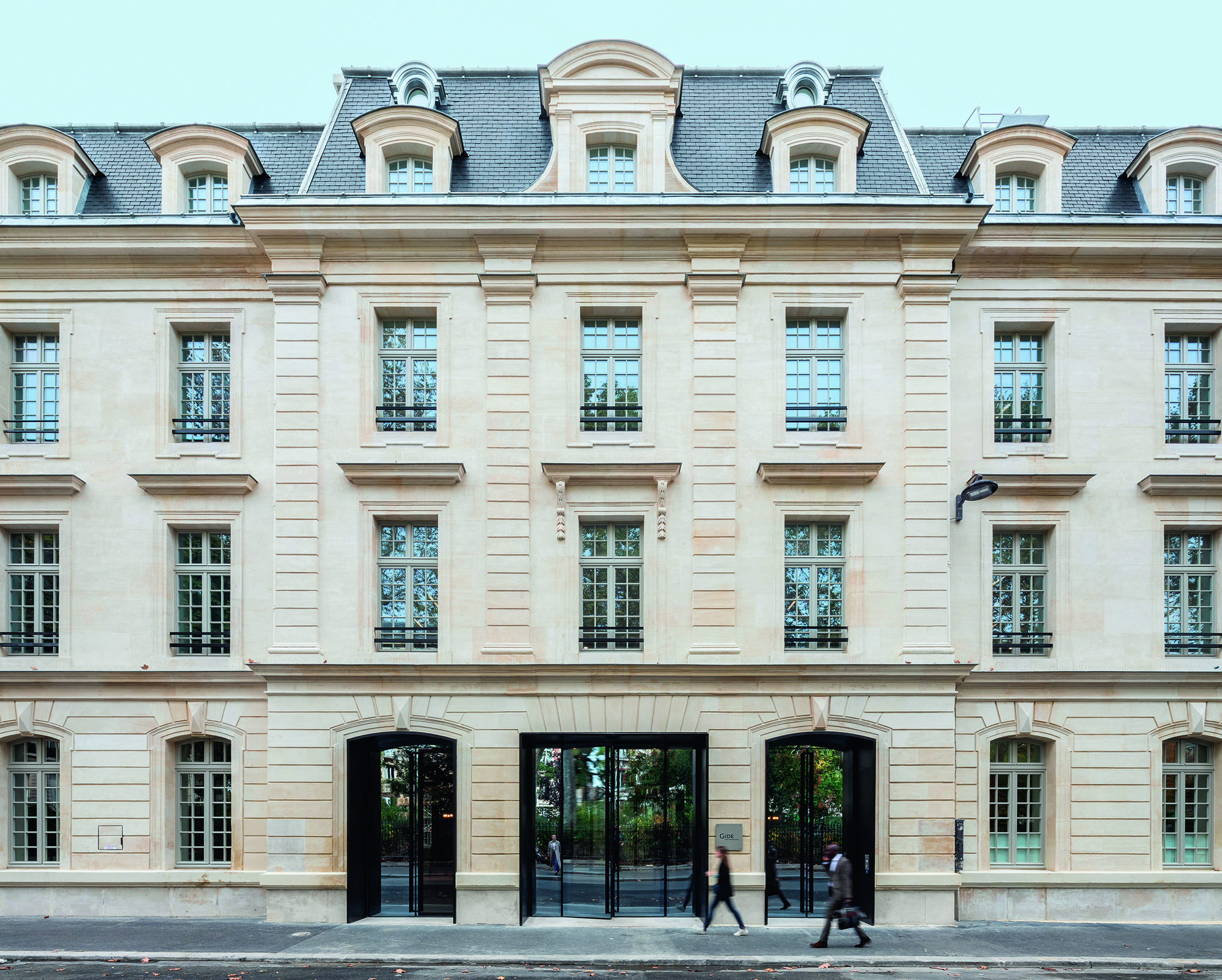
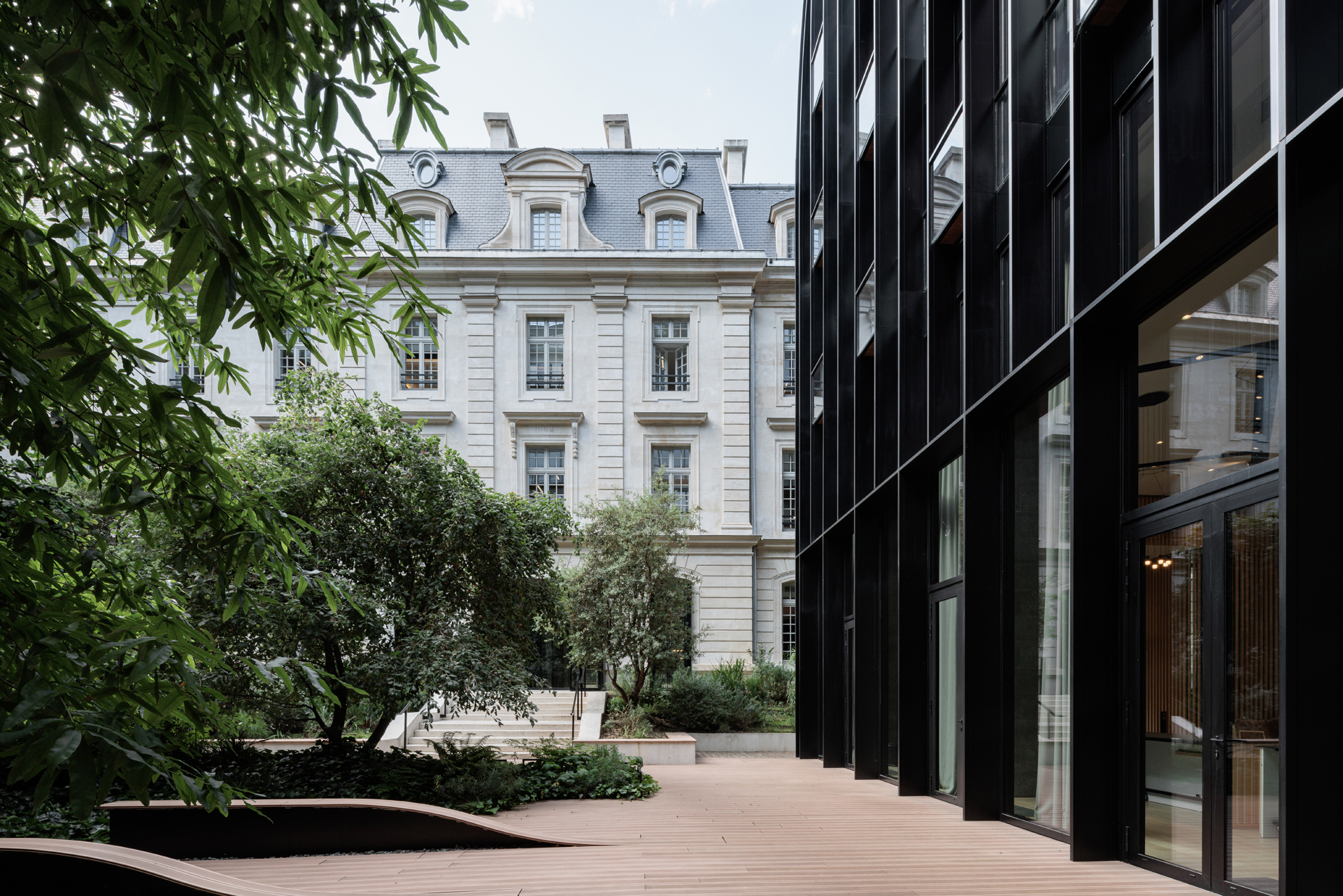
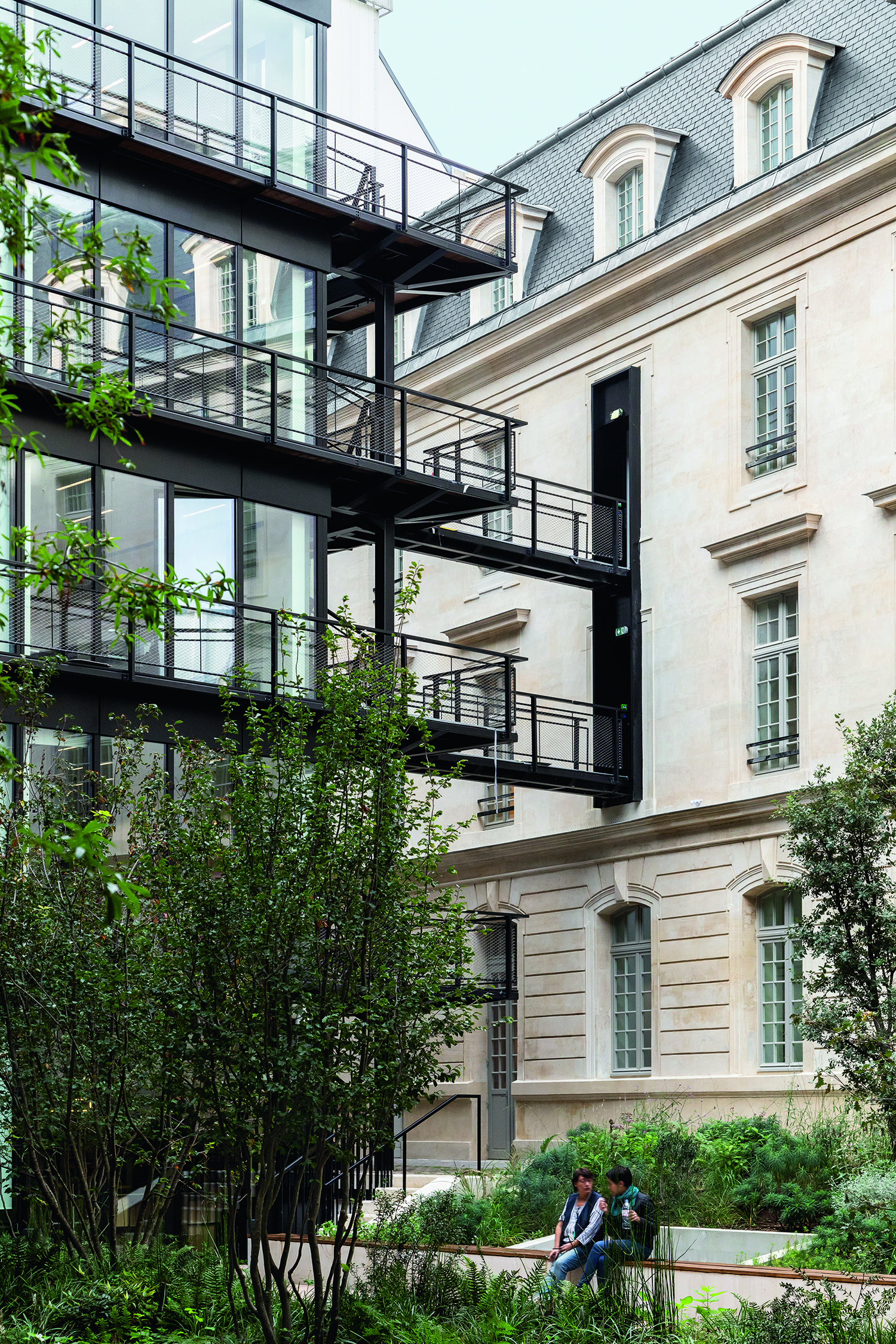
PCA-STREAM embodies transformative architecture, a “metabolic” vision of the city, the heritage of which is in constant evolution. PCA-STREAM’s approach is based on an in-depth building diagnosis, the identification of historically relevant elements (in this case, the urban alignment and the classical arrangement of the street-facing façade). The whole is then re-imagined to adapt it to new contemporary functions. Launched in 2015, the project borrows the concept of reconstructive surgery on a large injured body: despite the amputation of its largest pavilion on Place Saint-Augustin, the classical wing flanking the street has been carefully restored to revive the barracks’ former grandeur.

Creating a hub

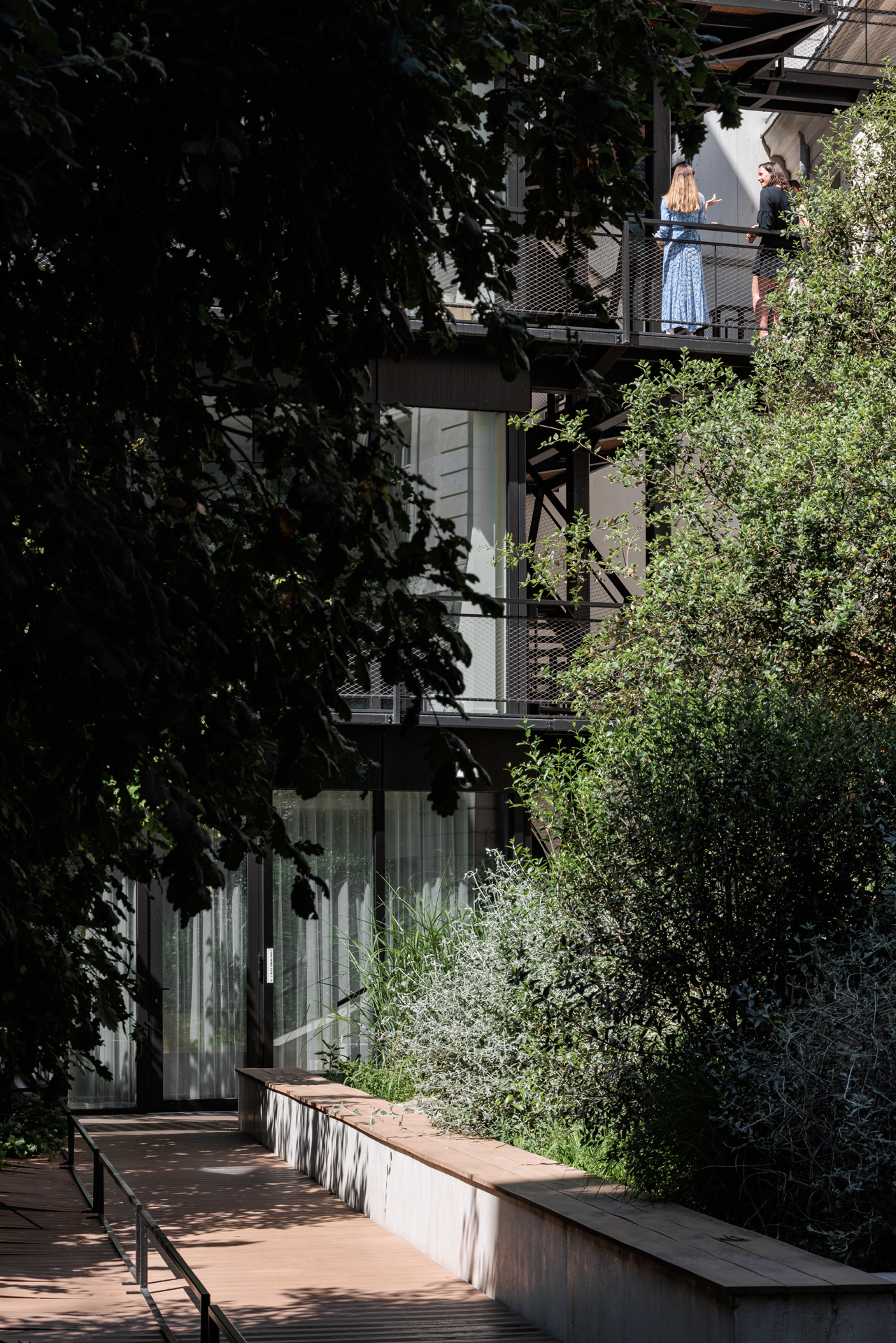
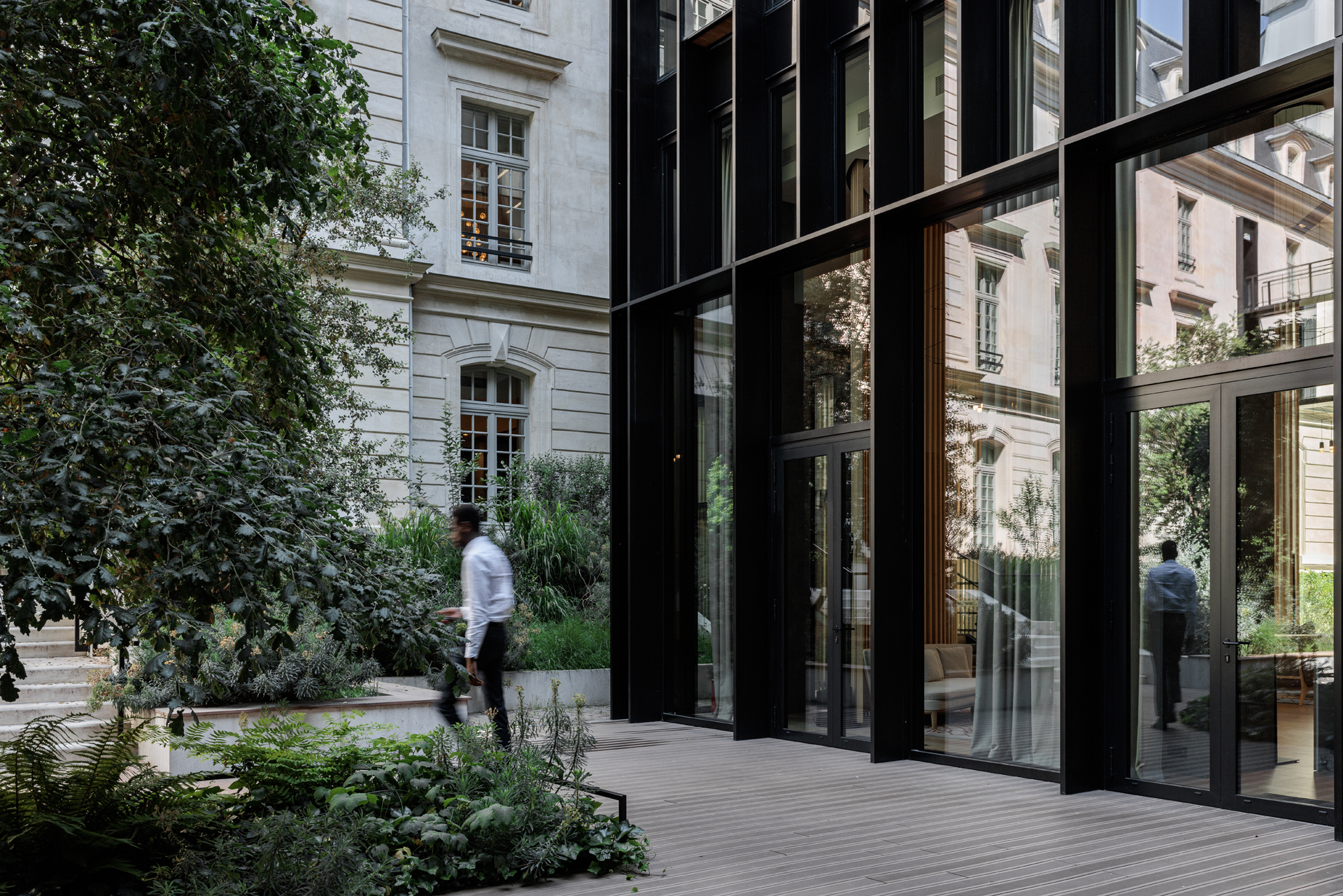
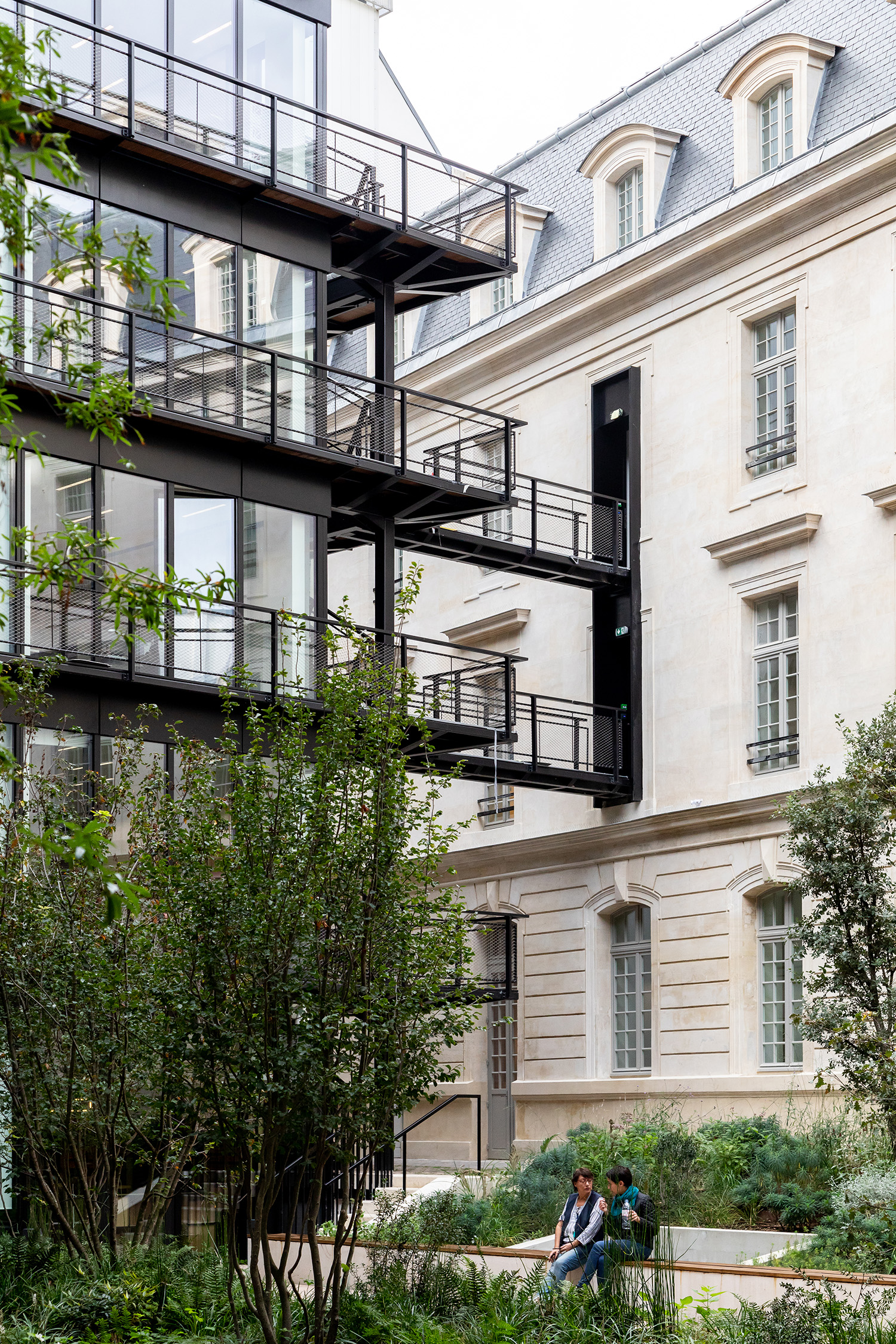
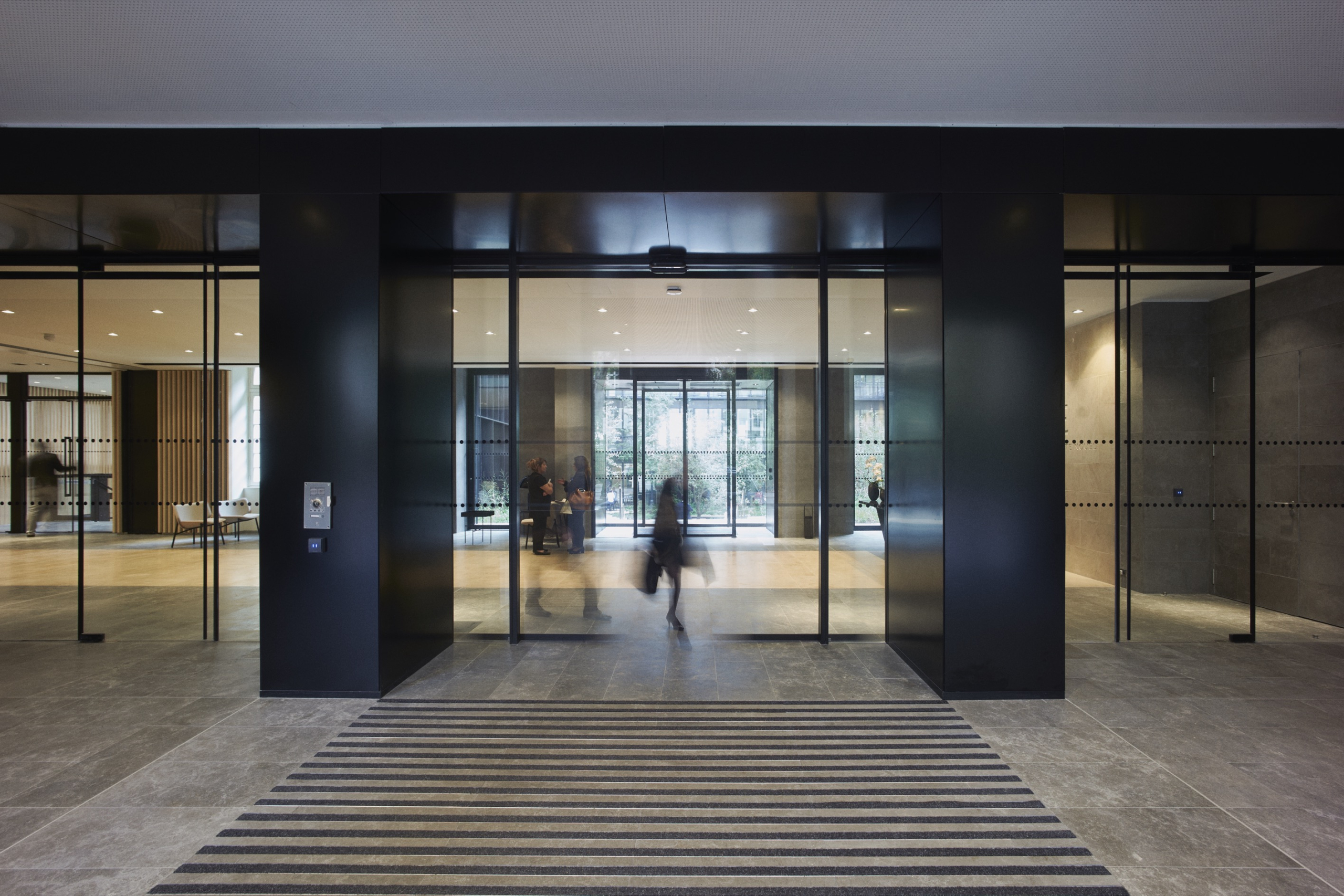
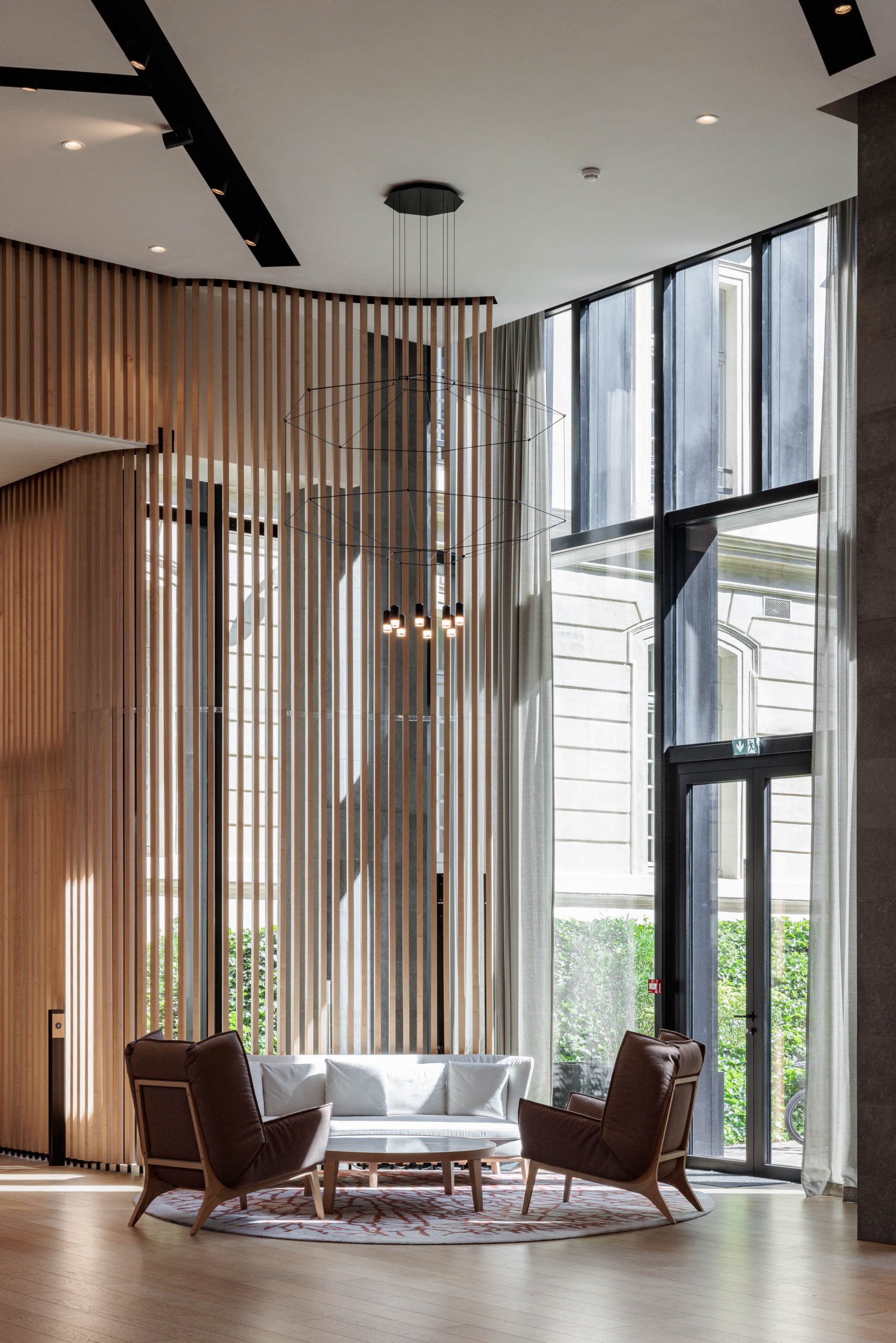
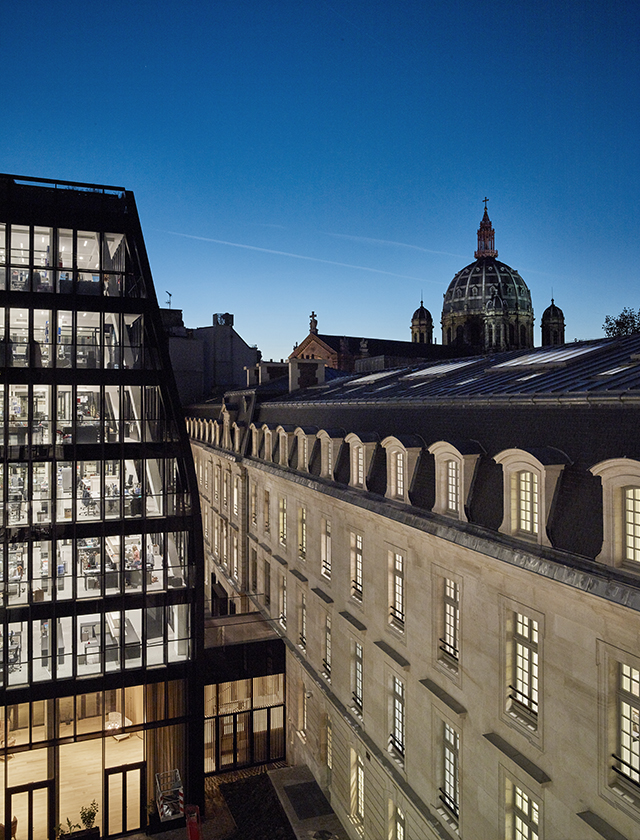
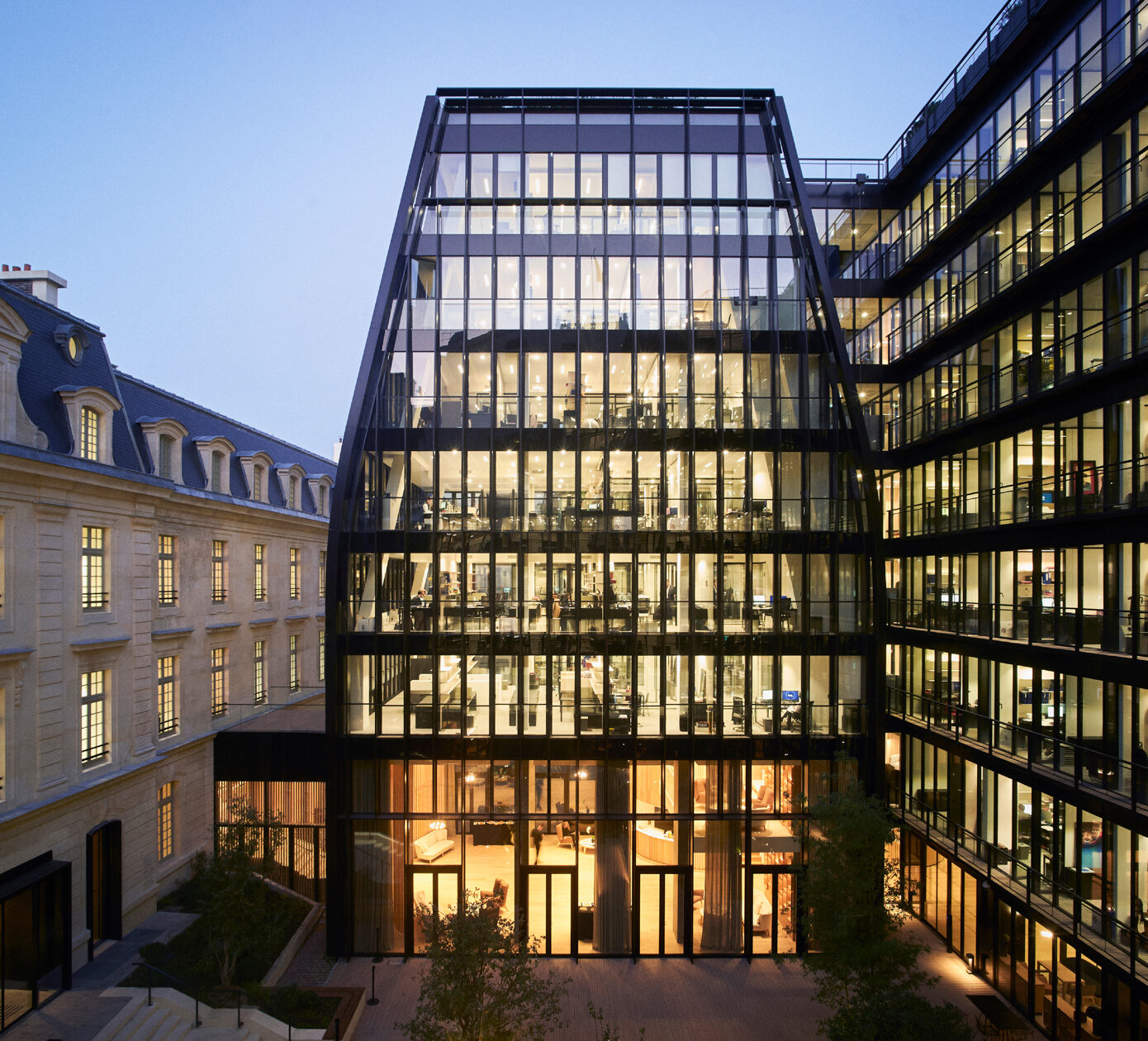
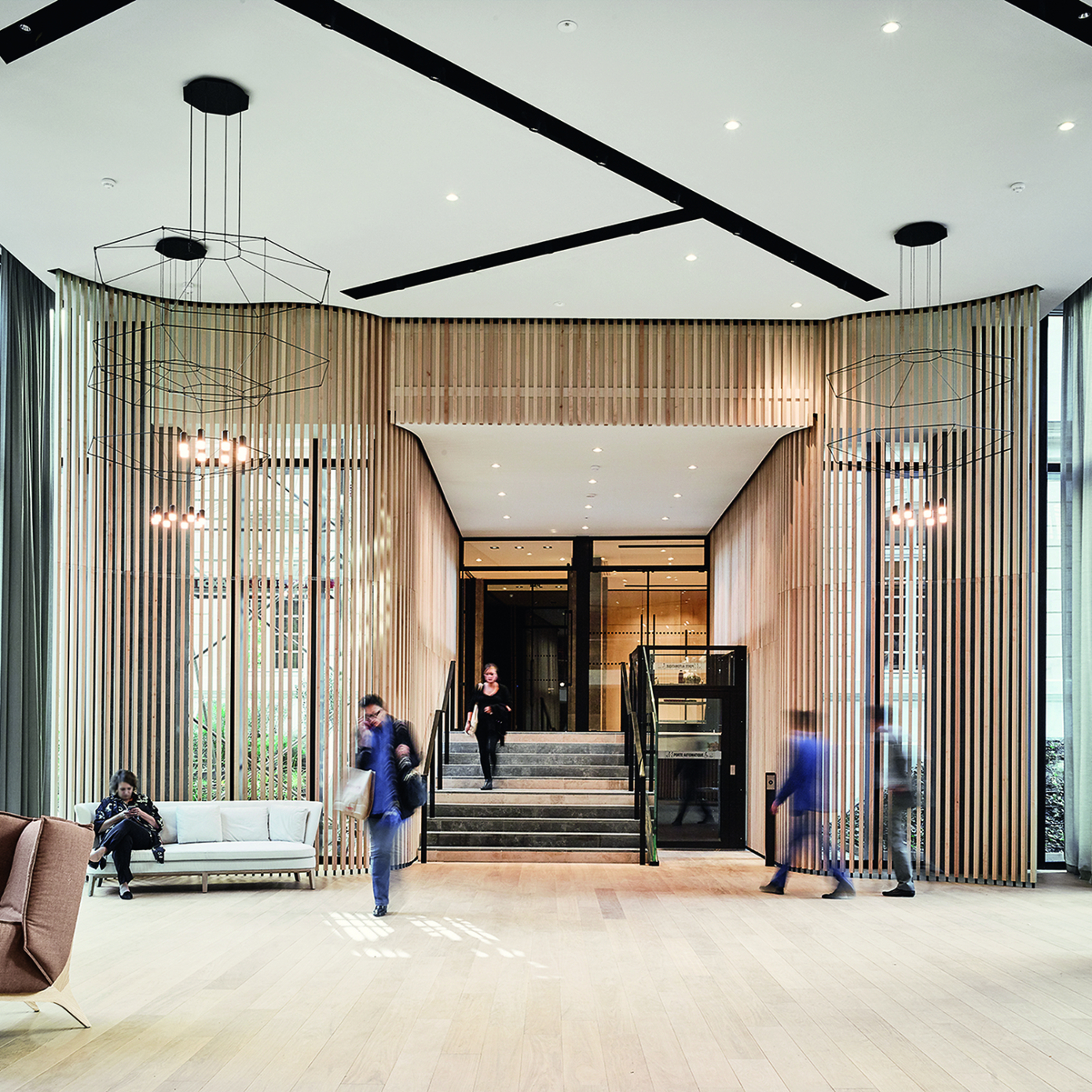
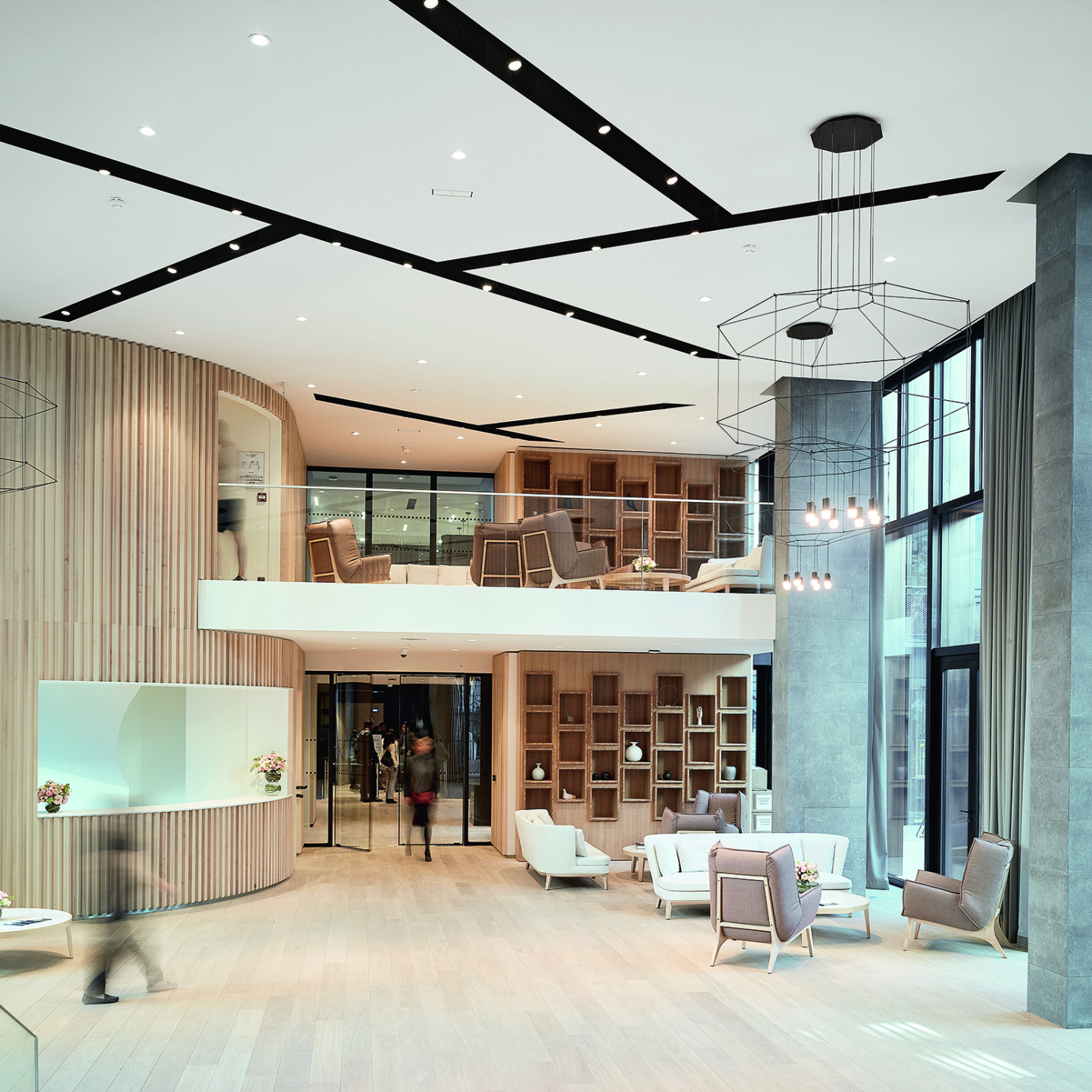
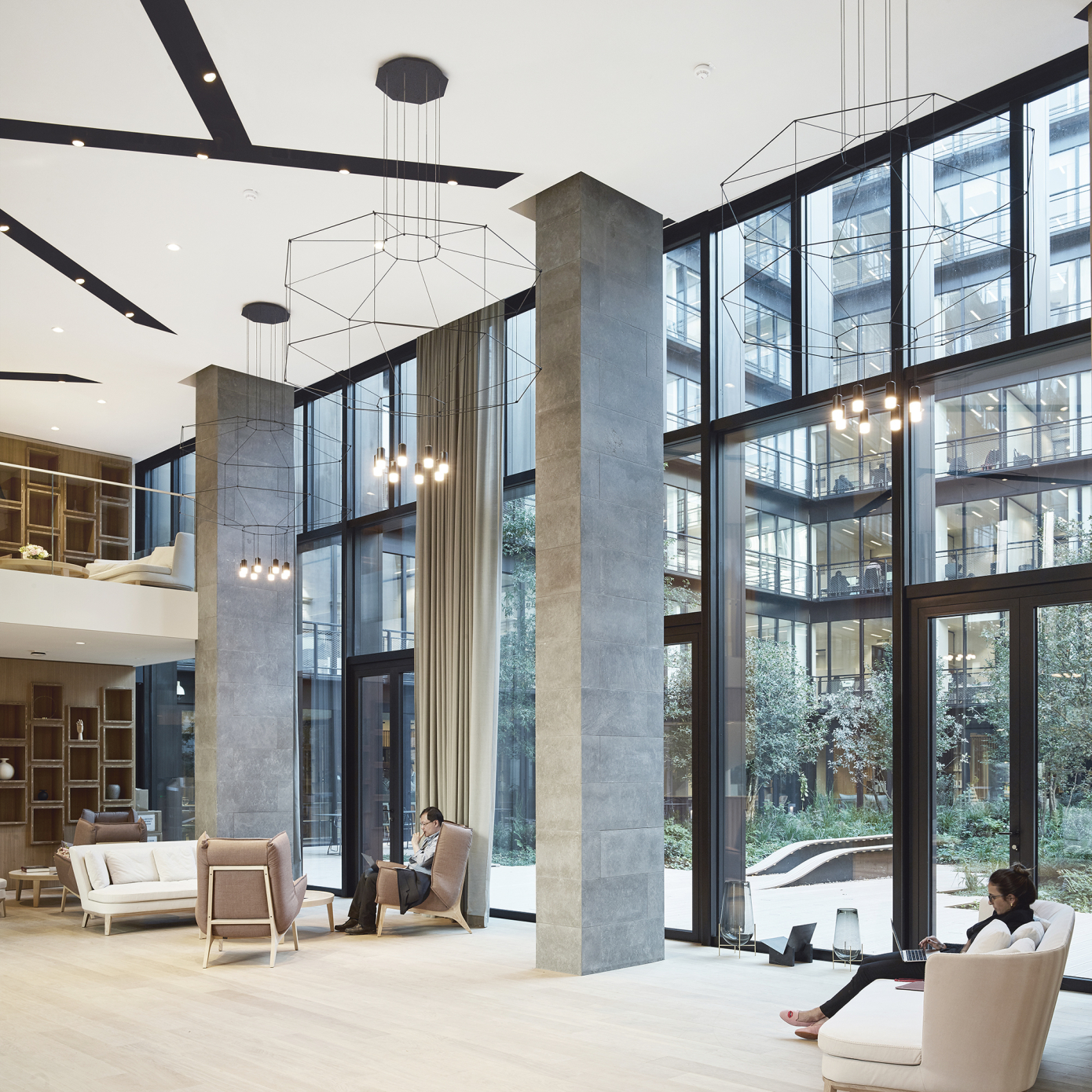
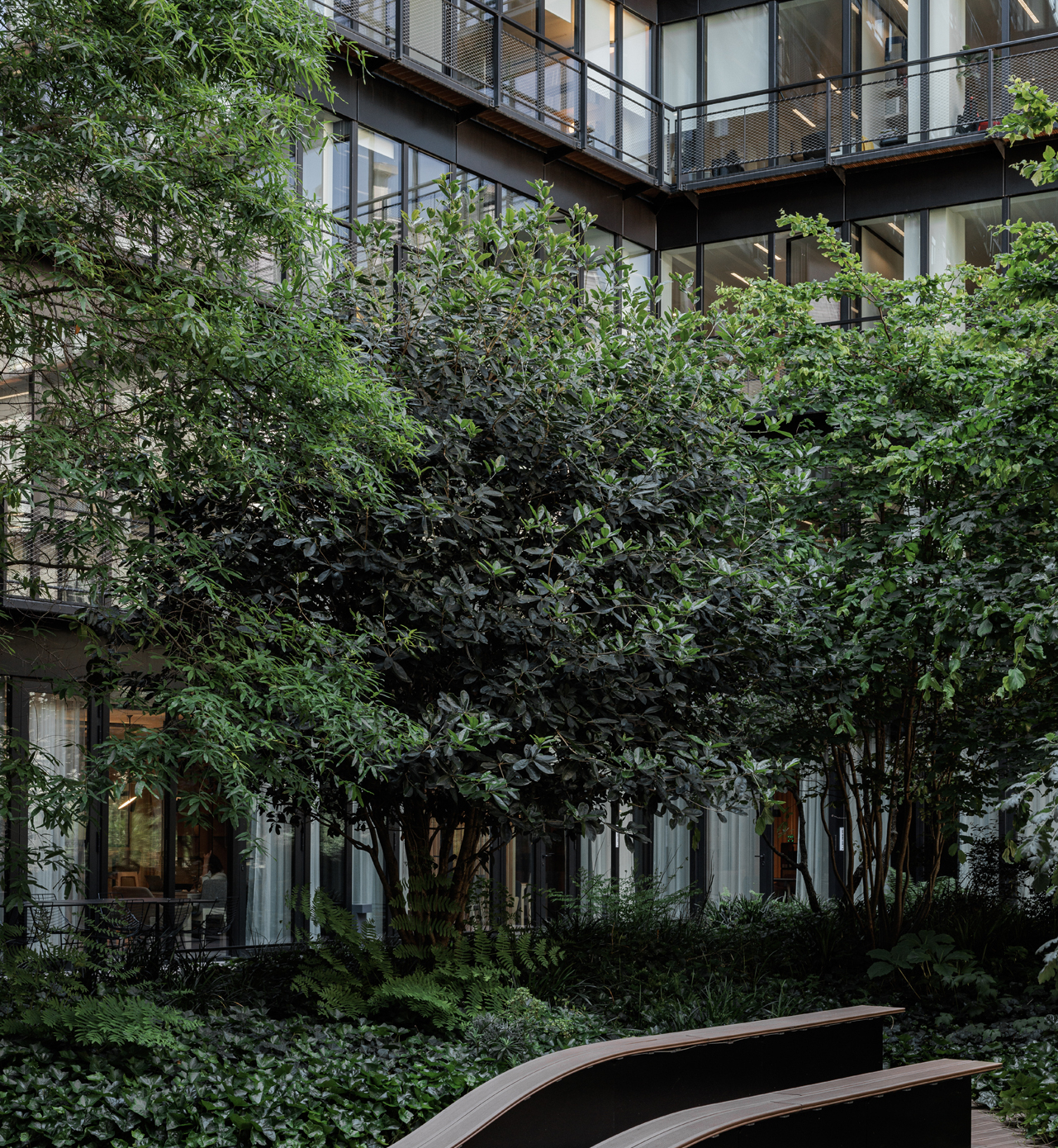
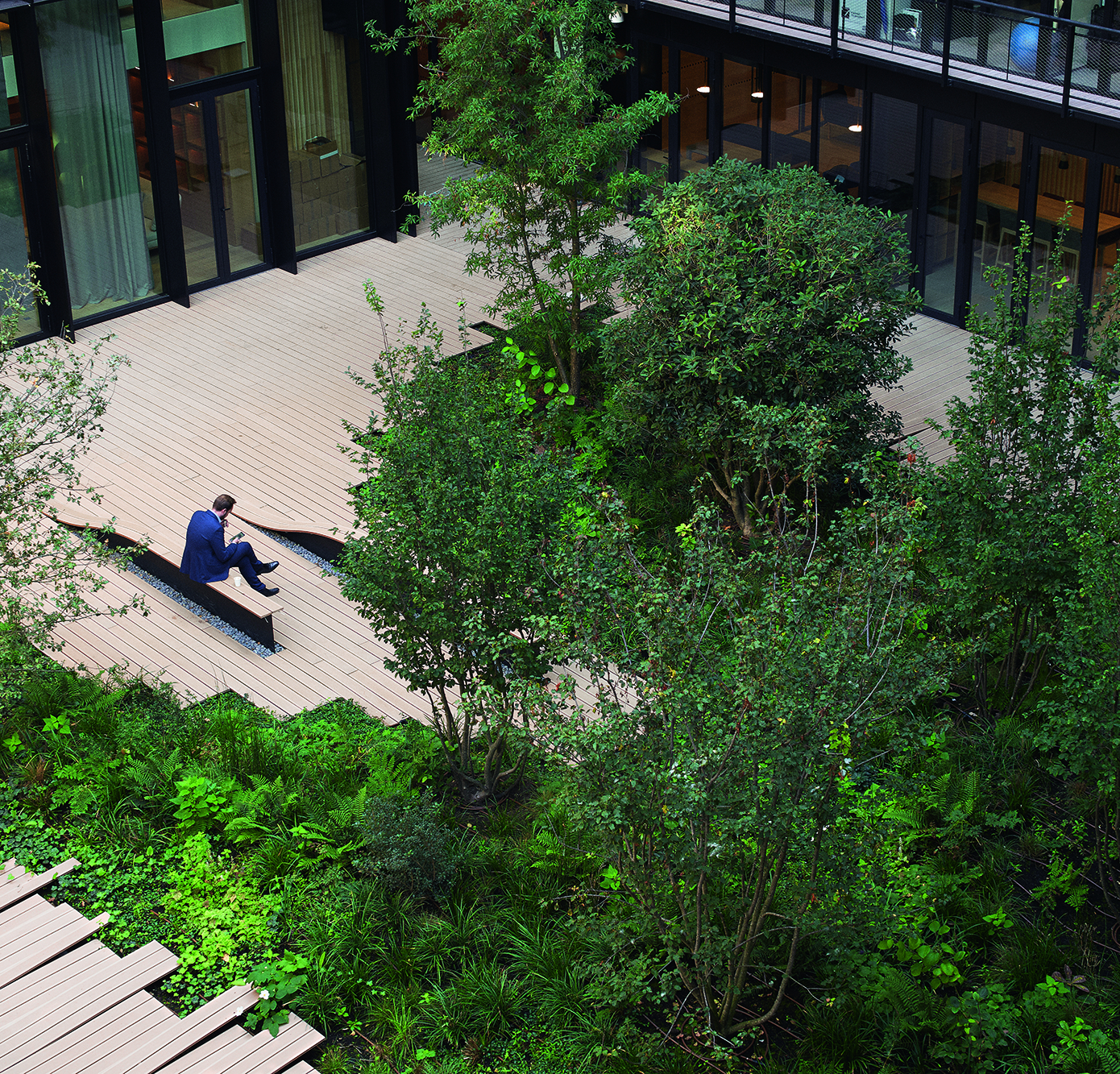
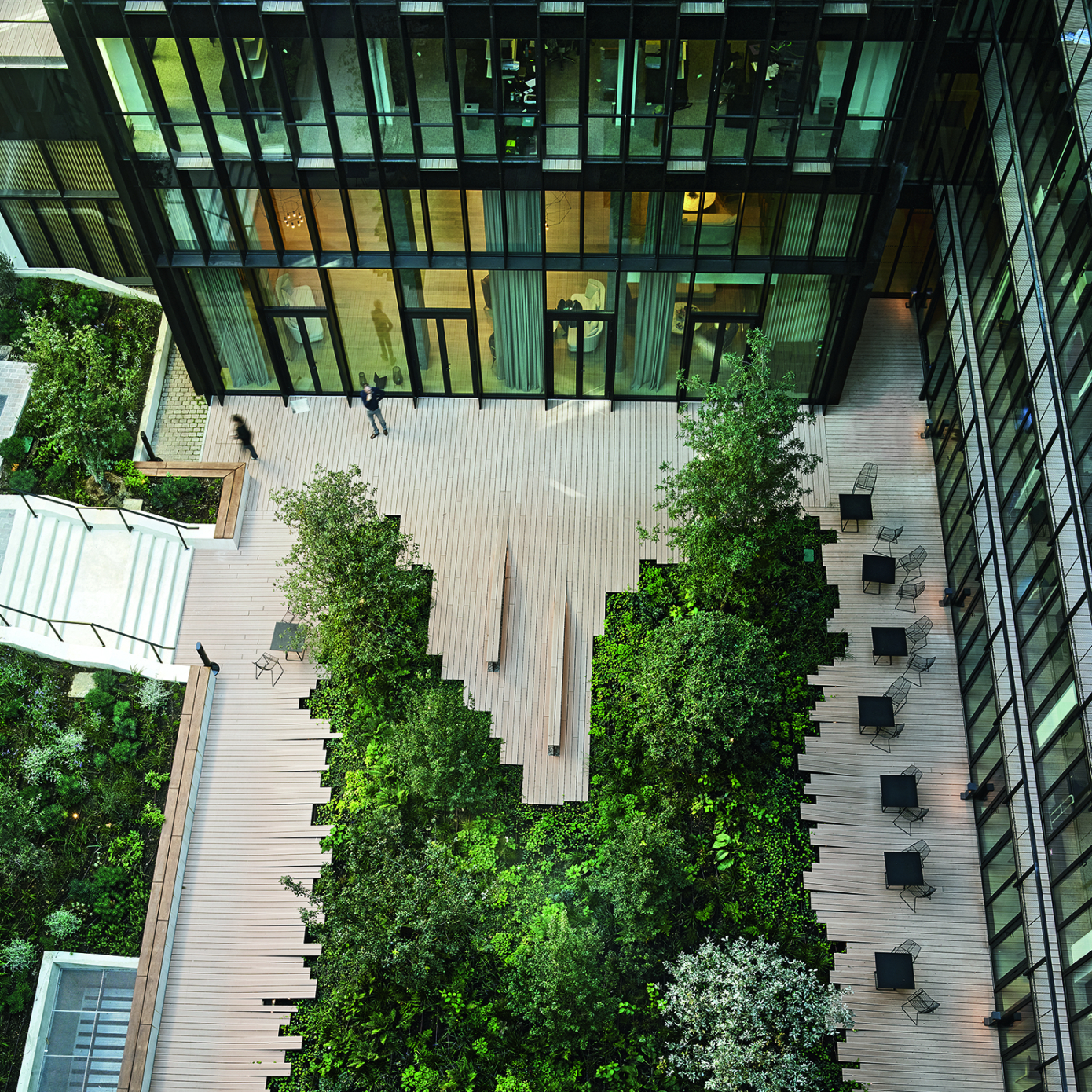
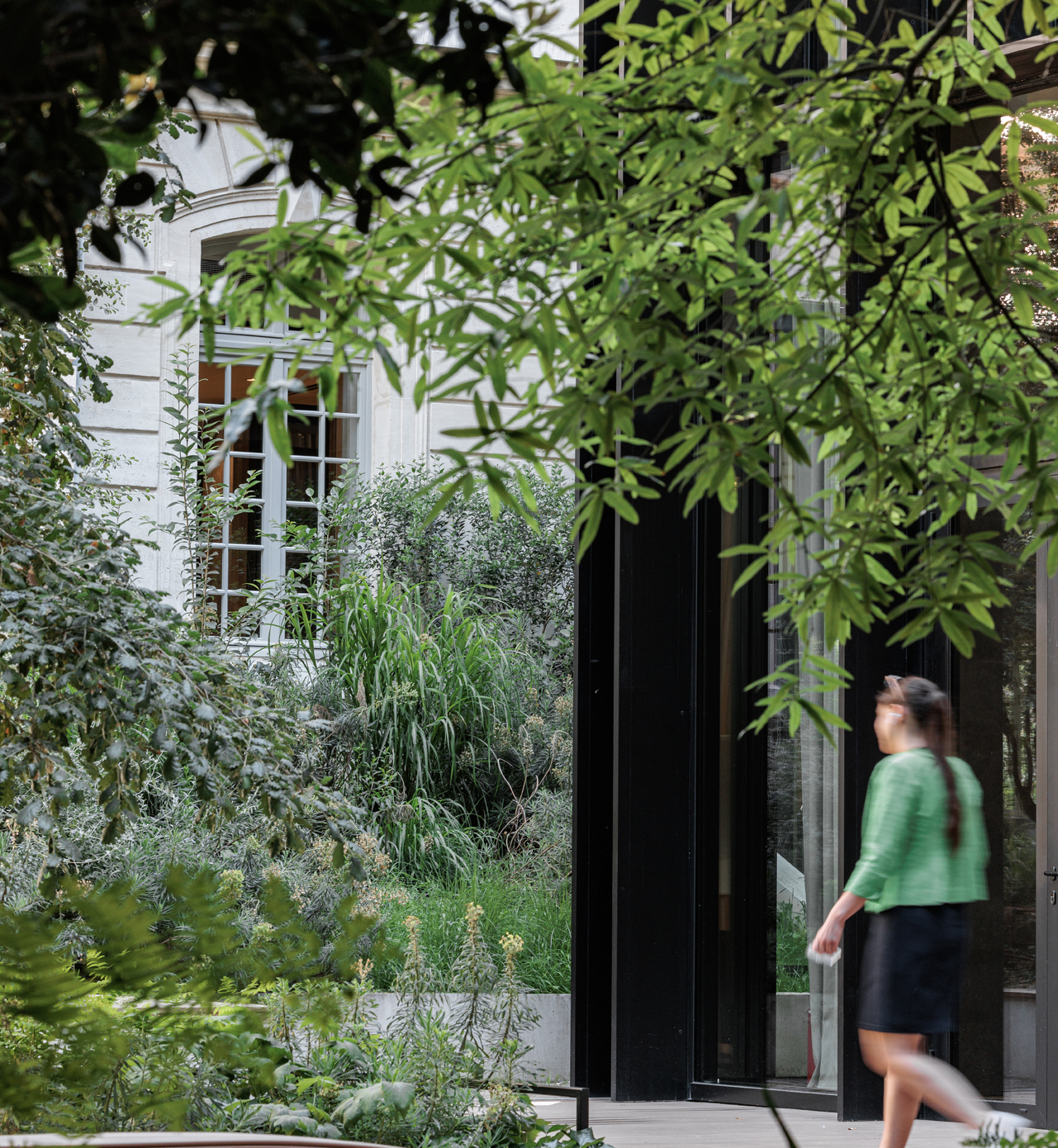
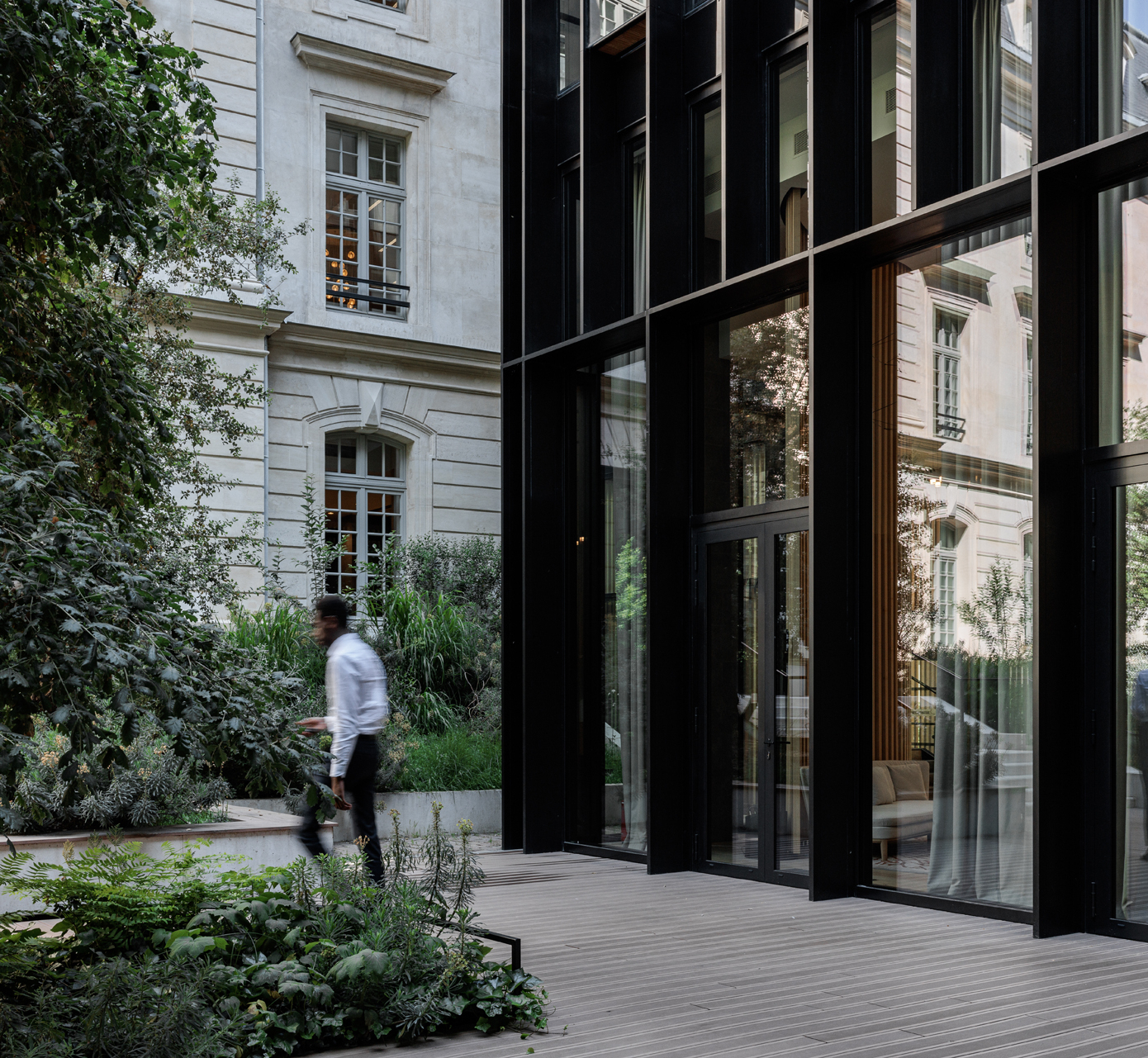
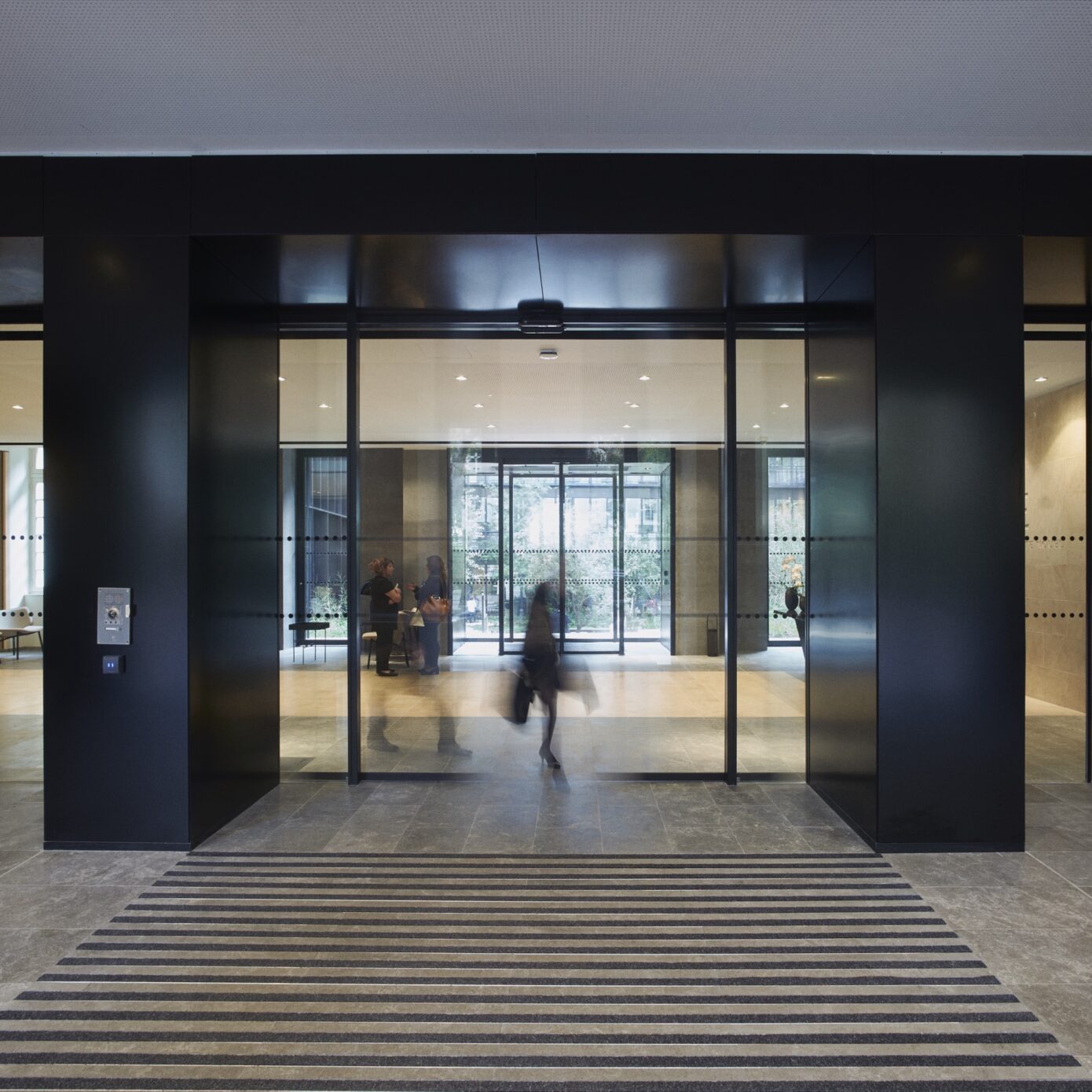
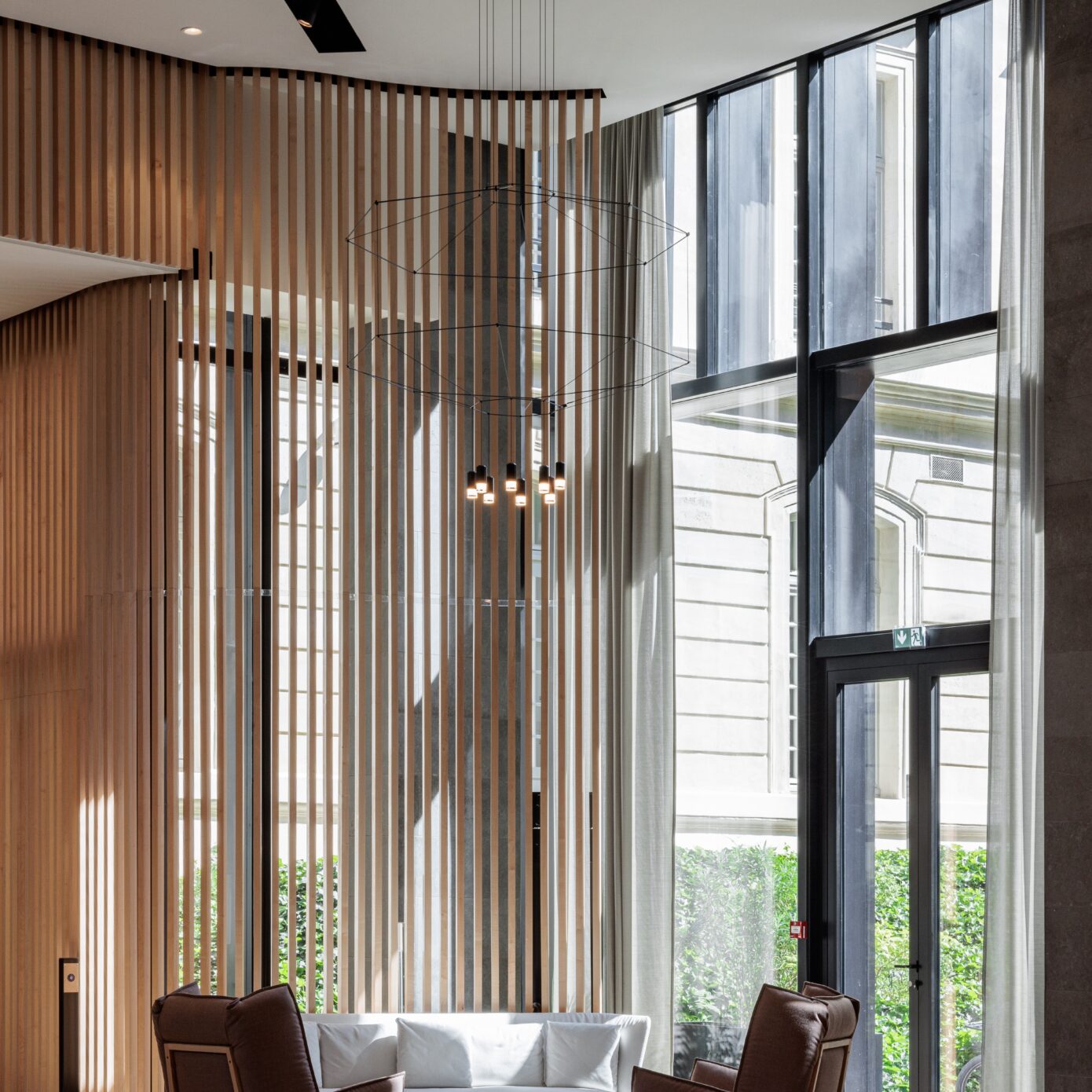
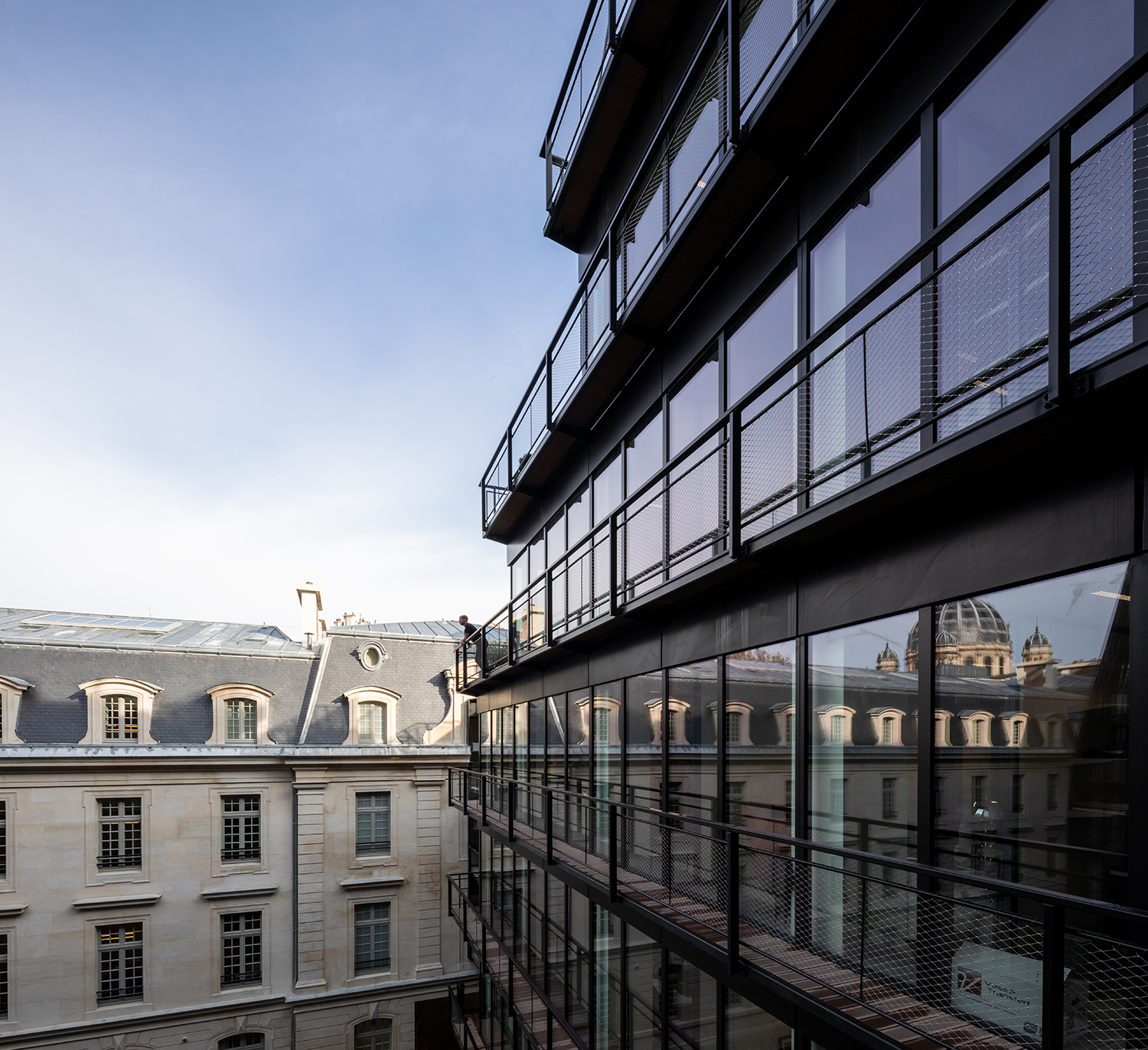
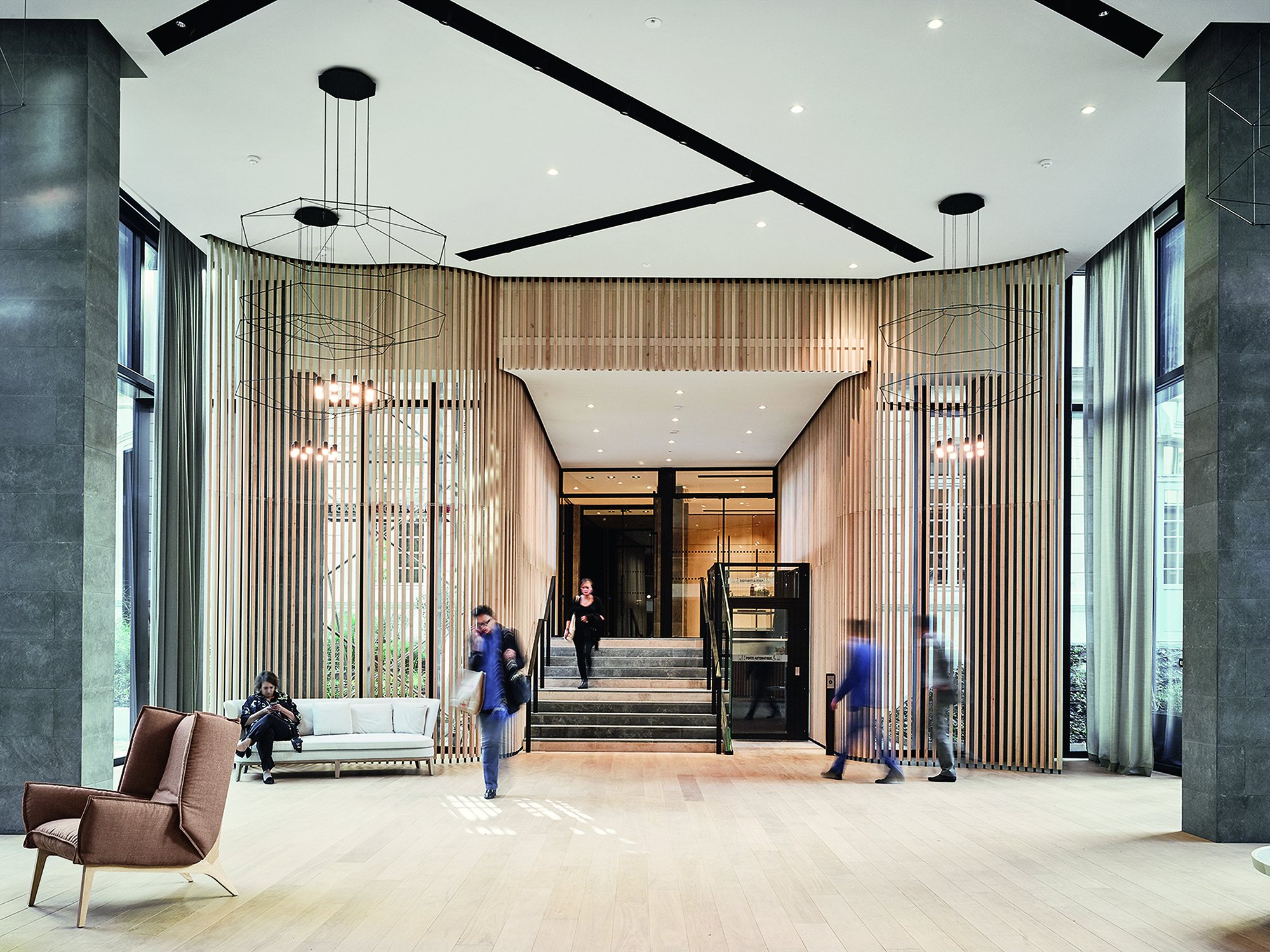
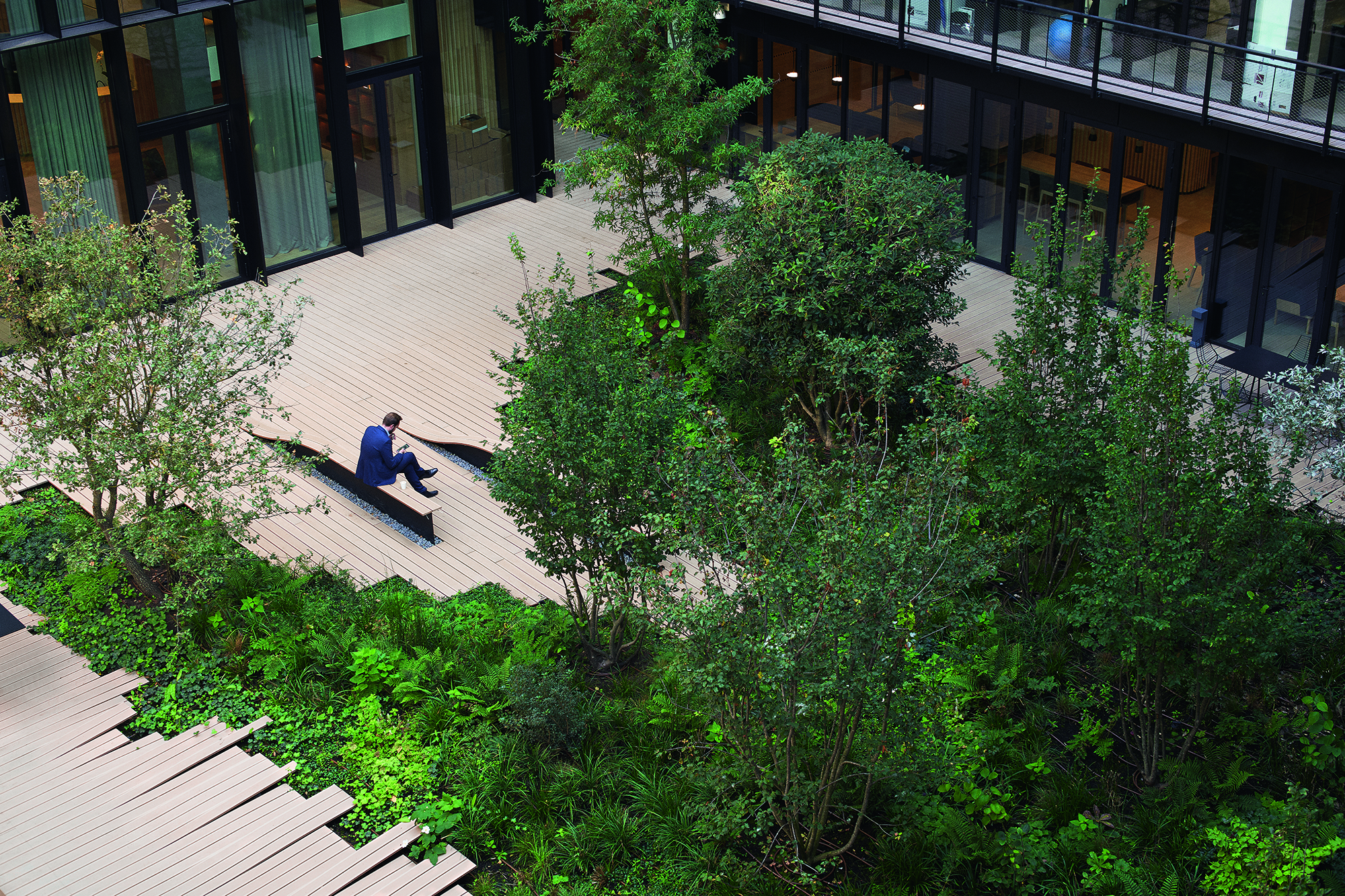
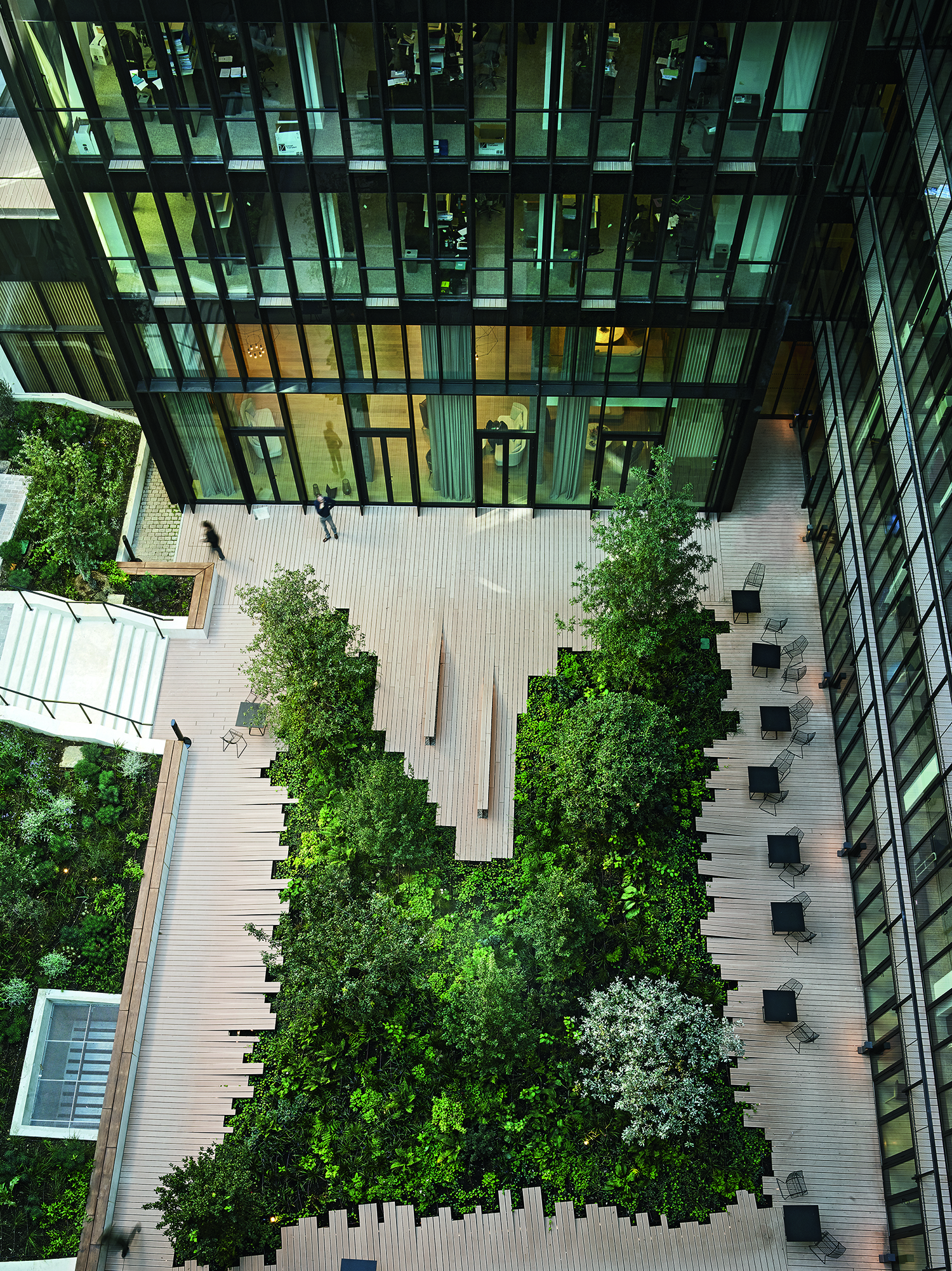
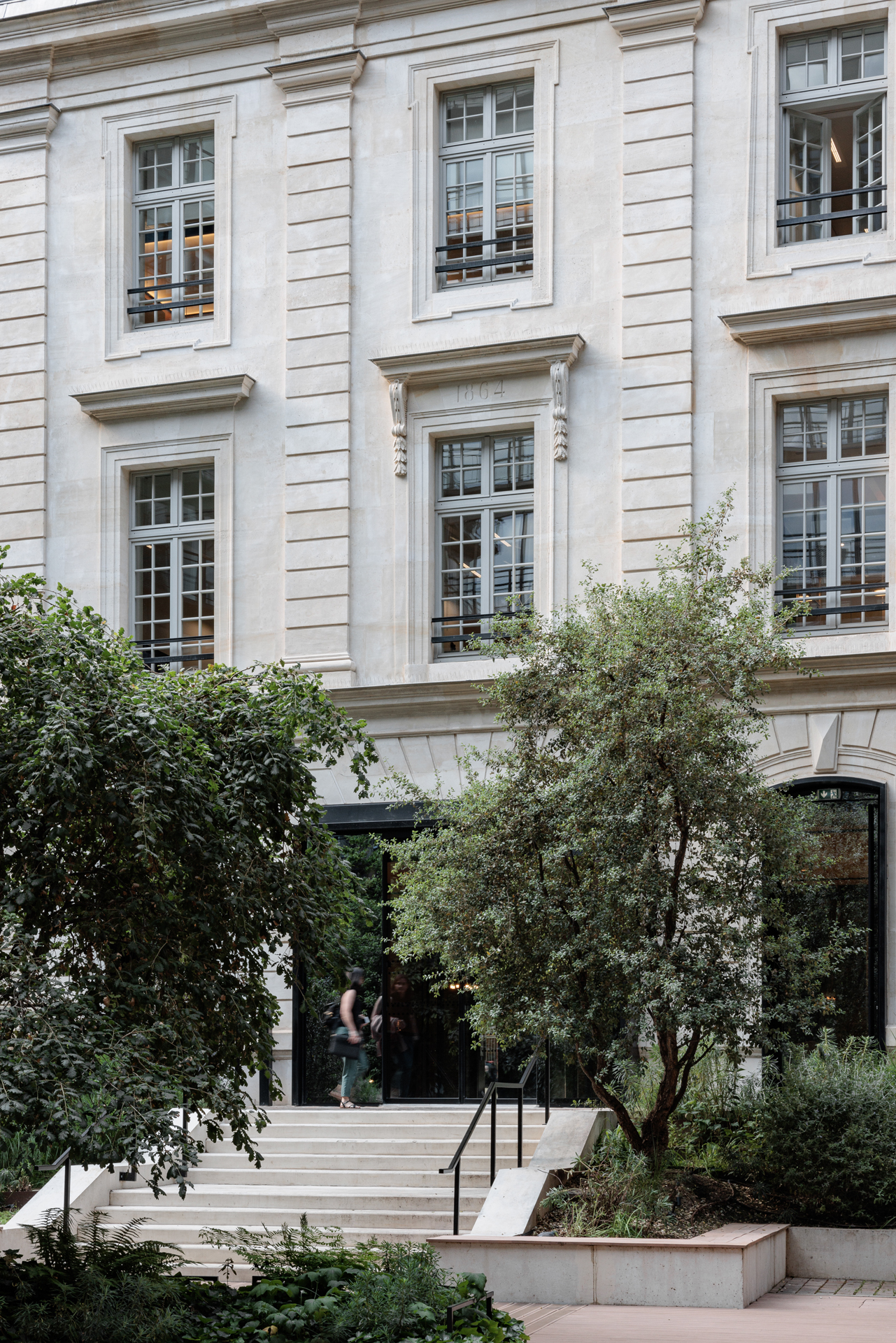
In the center of the courtyard, a brand new pavilion has been added: the “NoPa”. The pavilion’s volumetric aspects pay homage to its vanished predecessor. It connects the historic and modern buildings via a spectacular double-height hallway, while also providing harmony to the layout. Two courtyards of better proportions are thus created: one mineral and intended as a service entrance – emergency services, deliveries – the other vegetal and intended for the occupants, organized around an exquisite garden.

Maximizing well-being

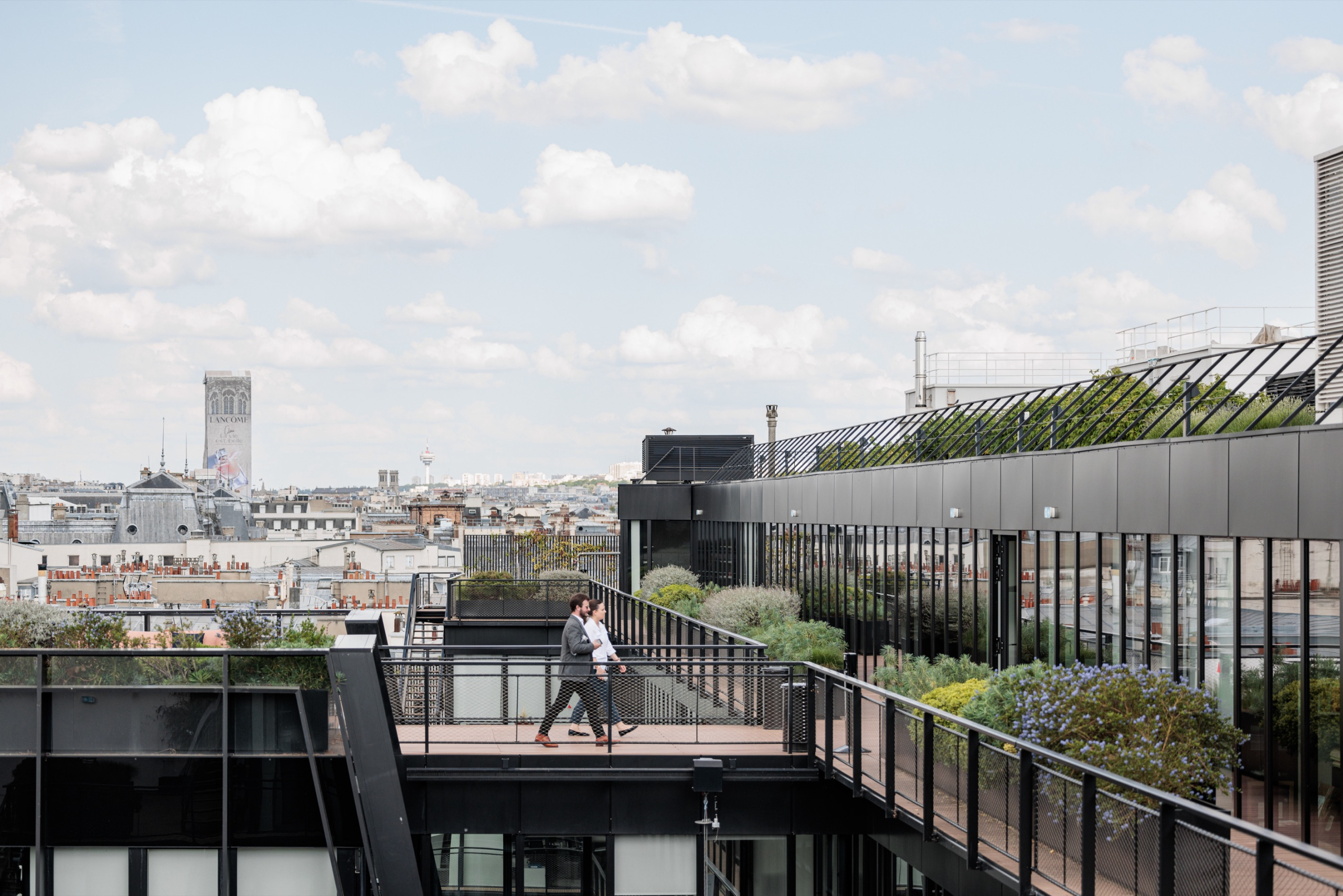
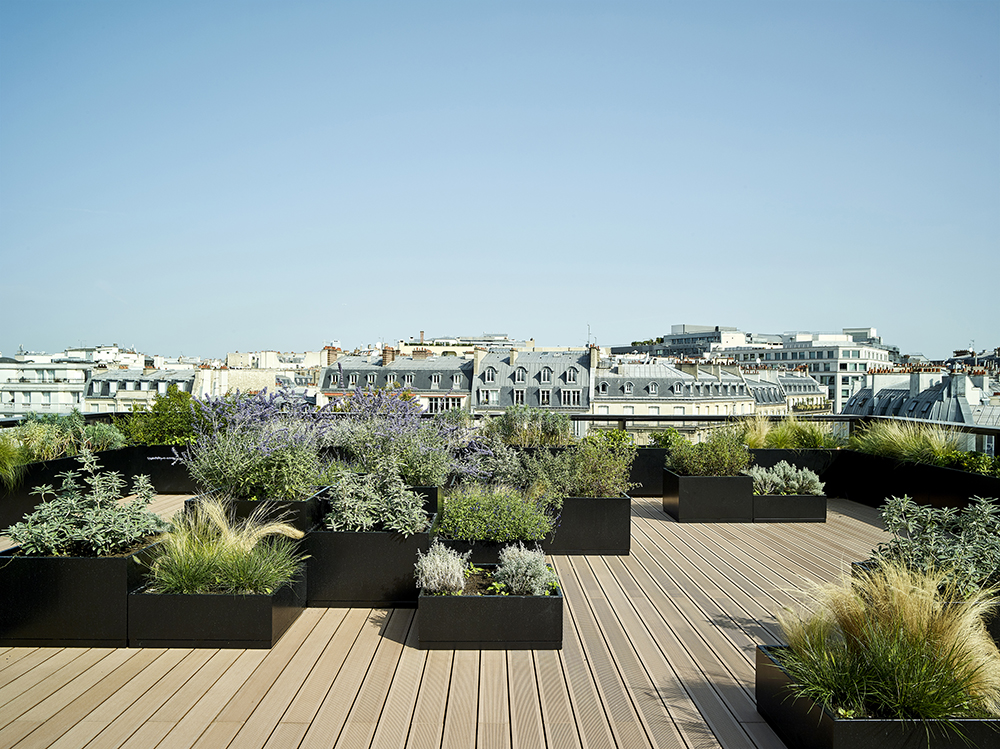
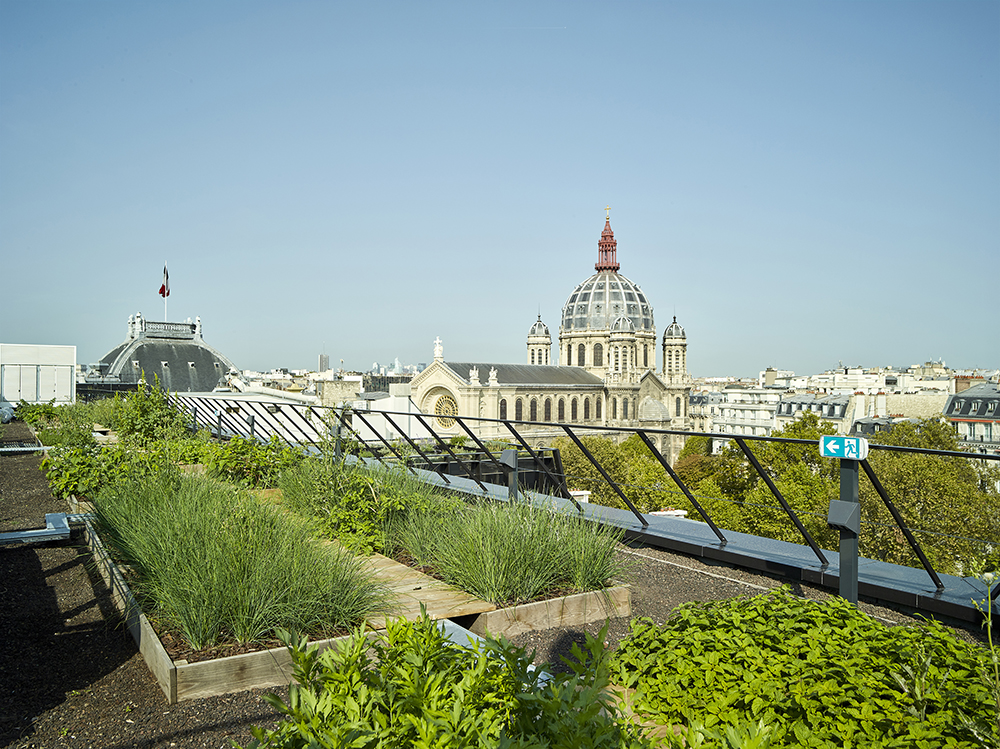
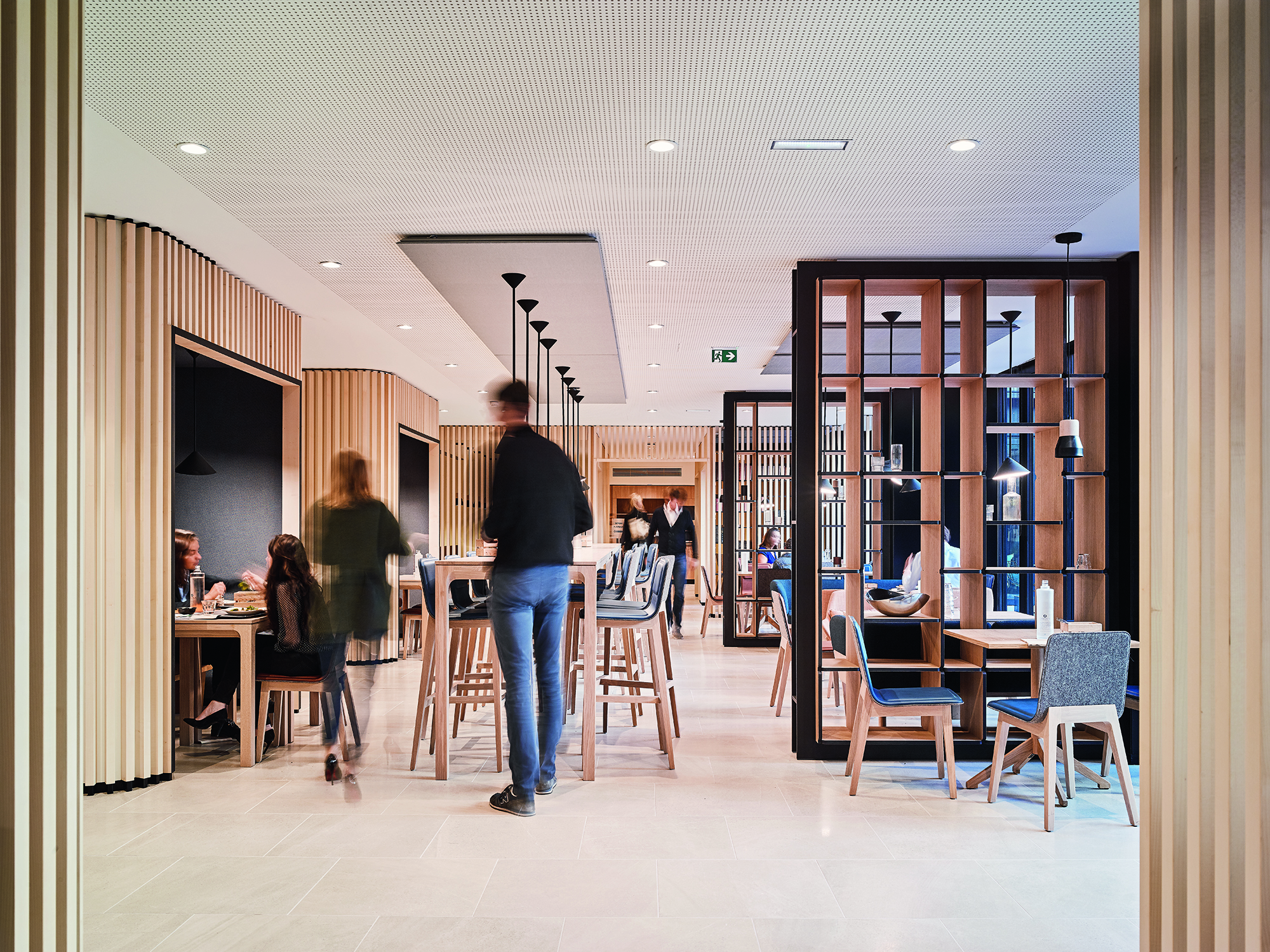
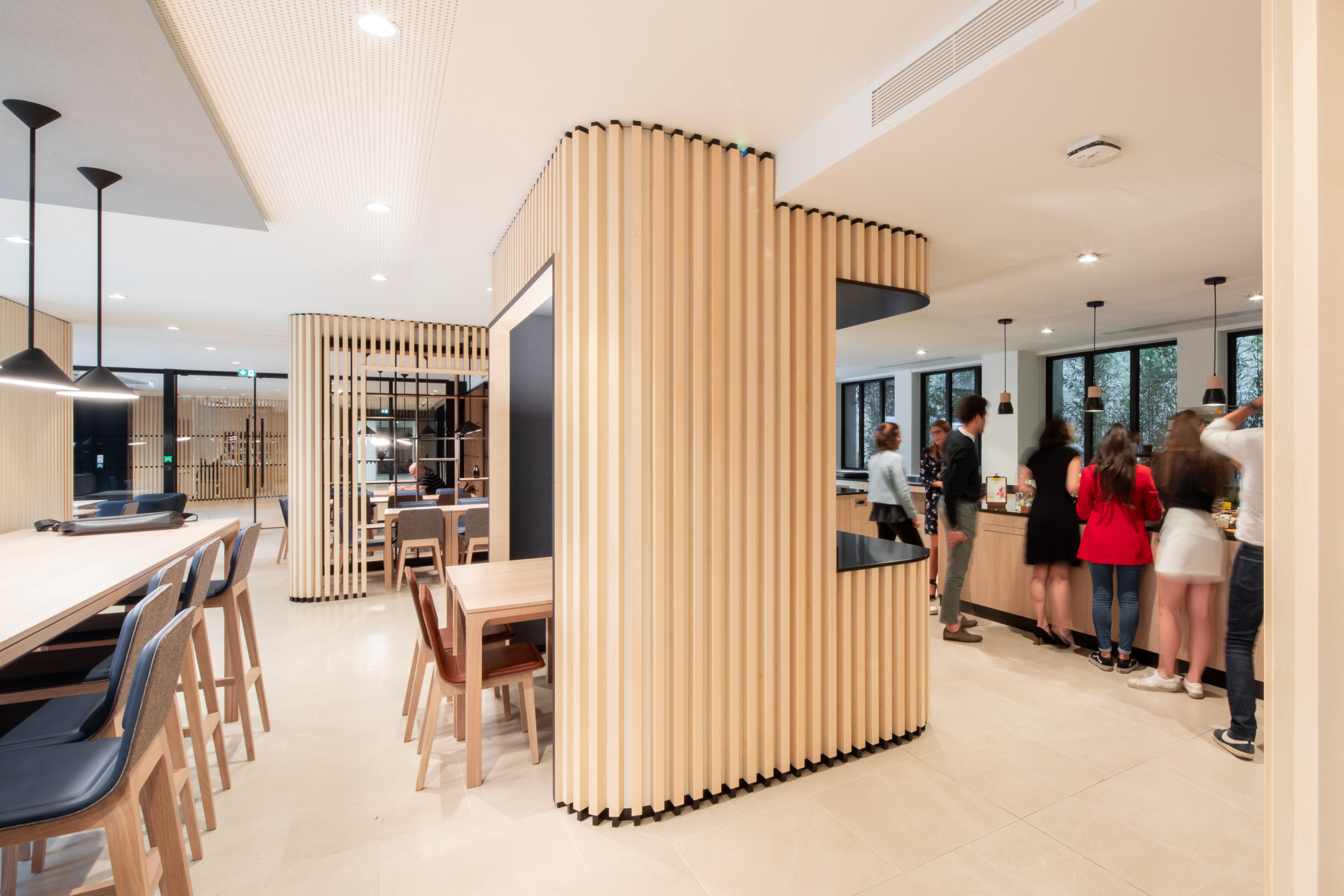
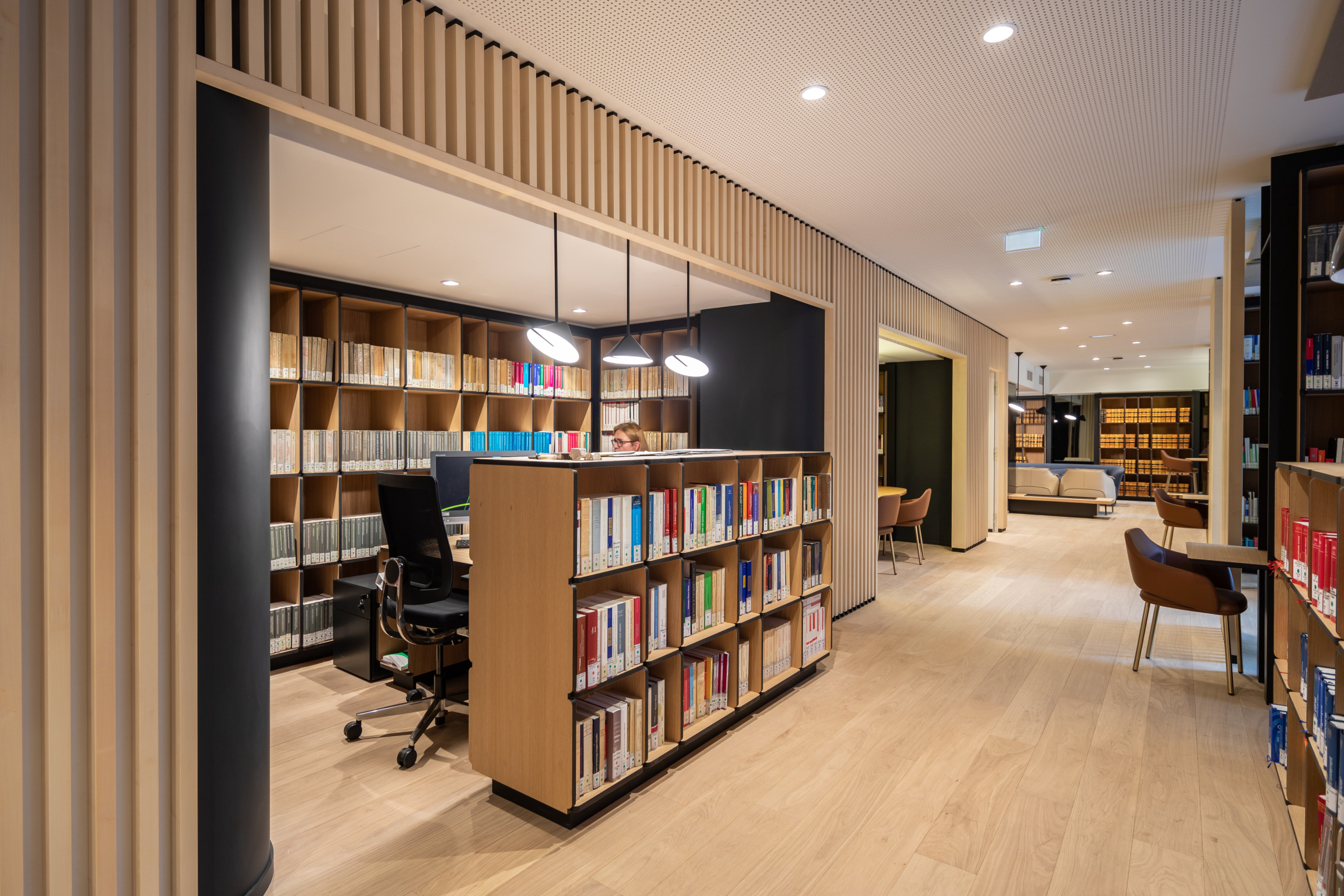
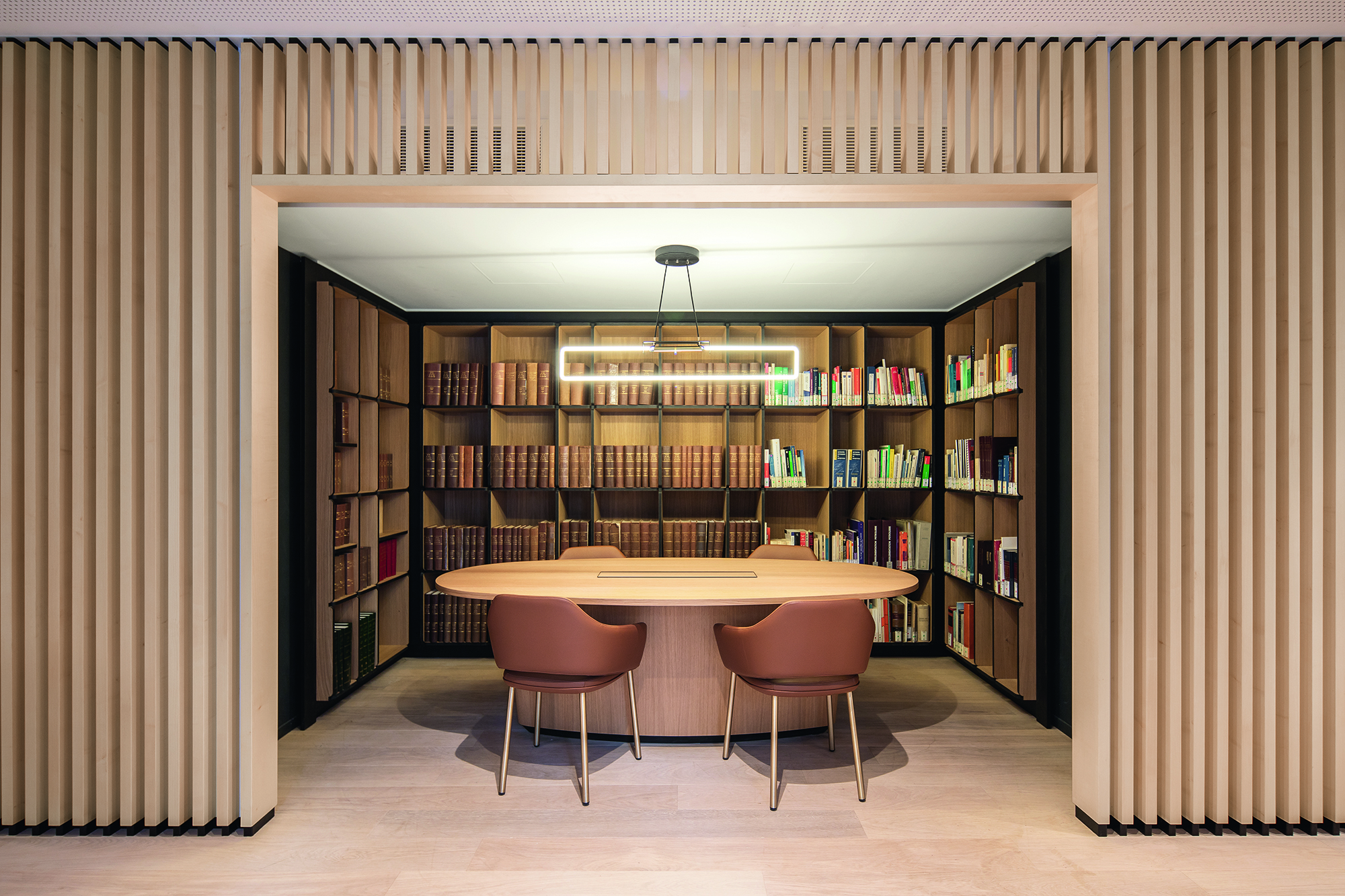
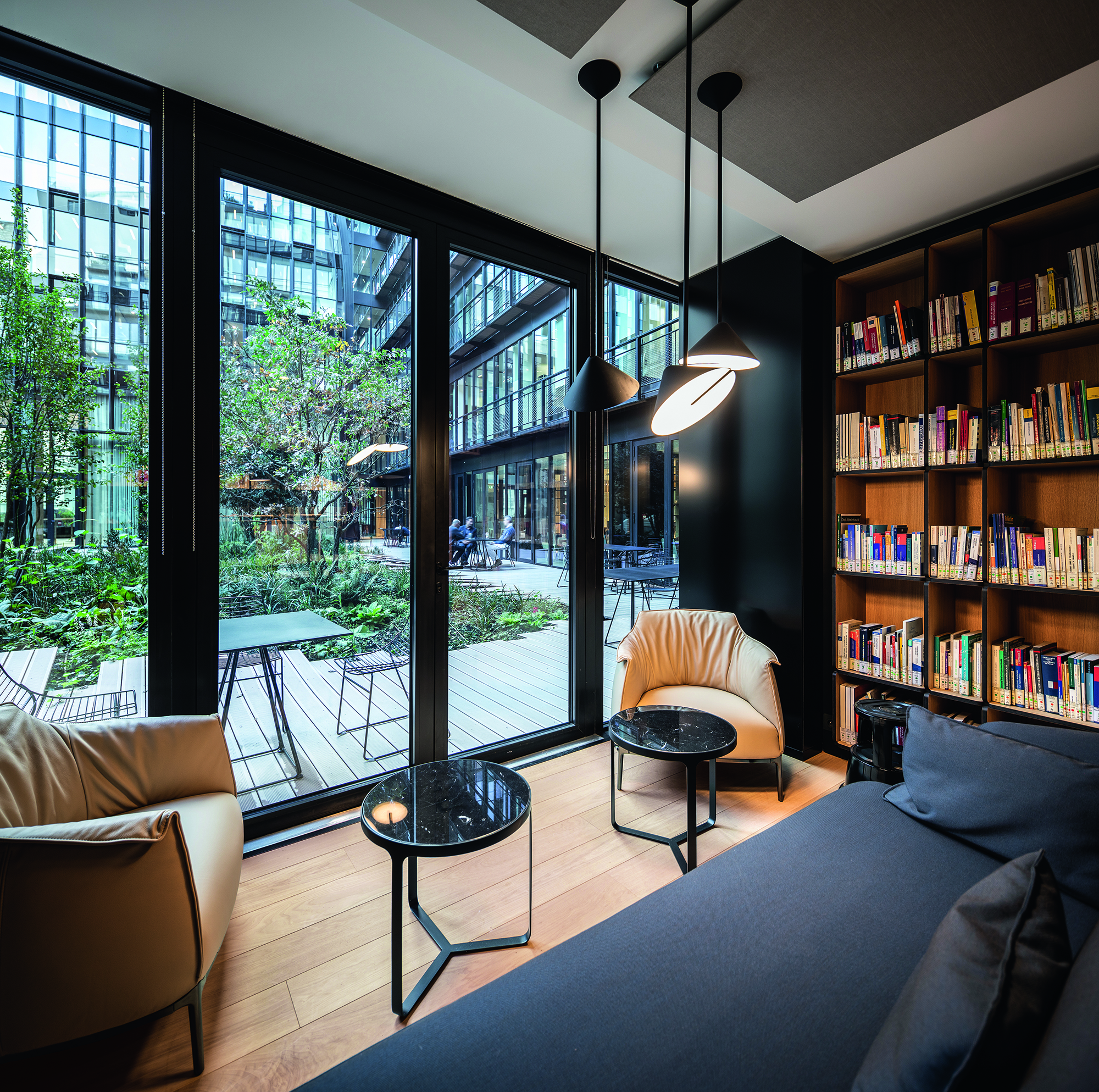
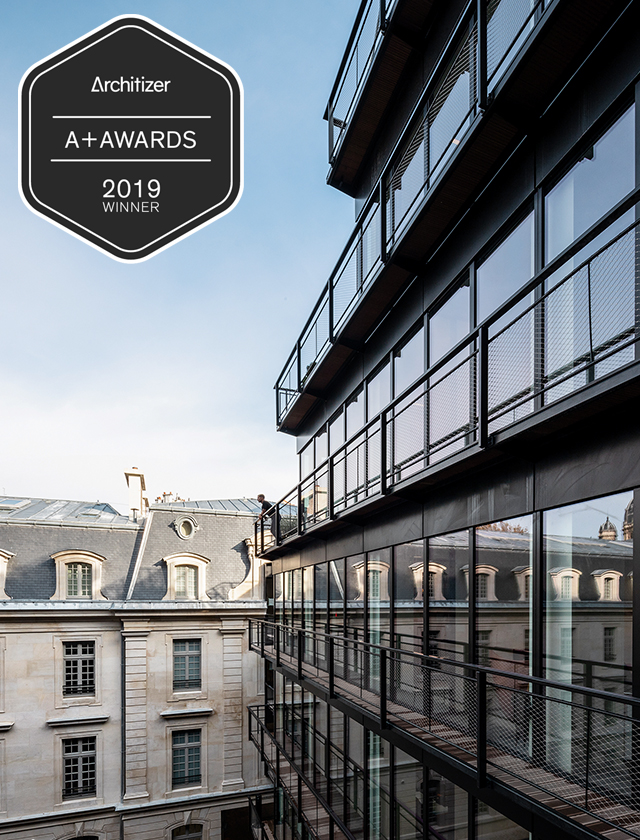
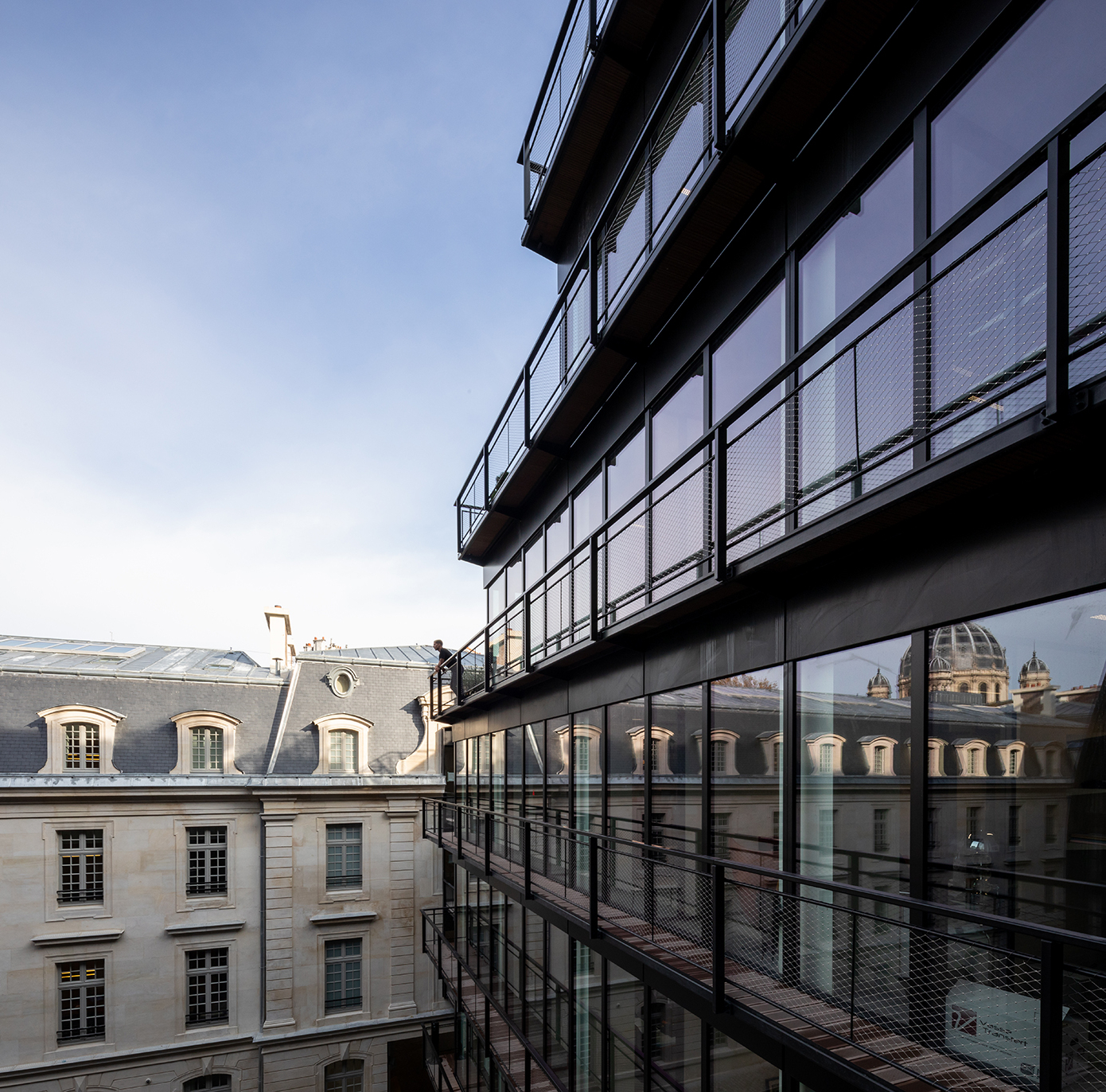
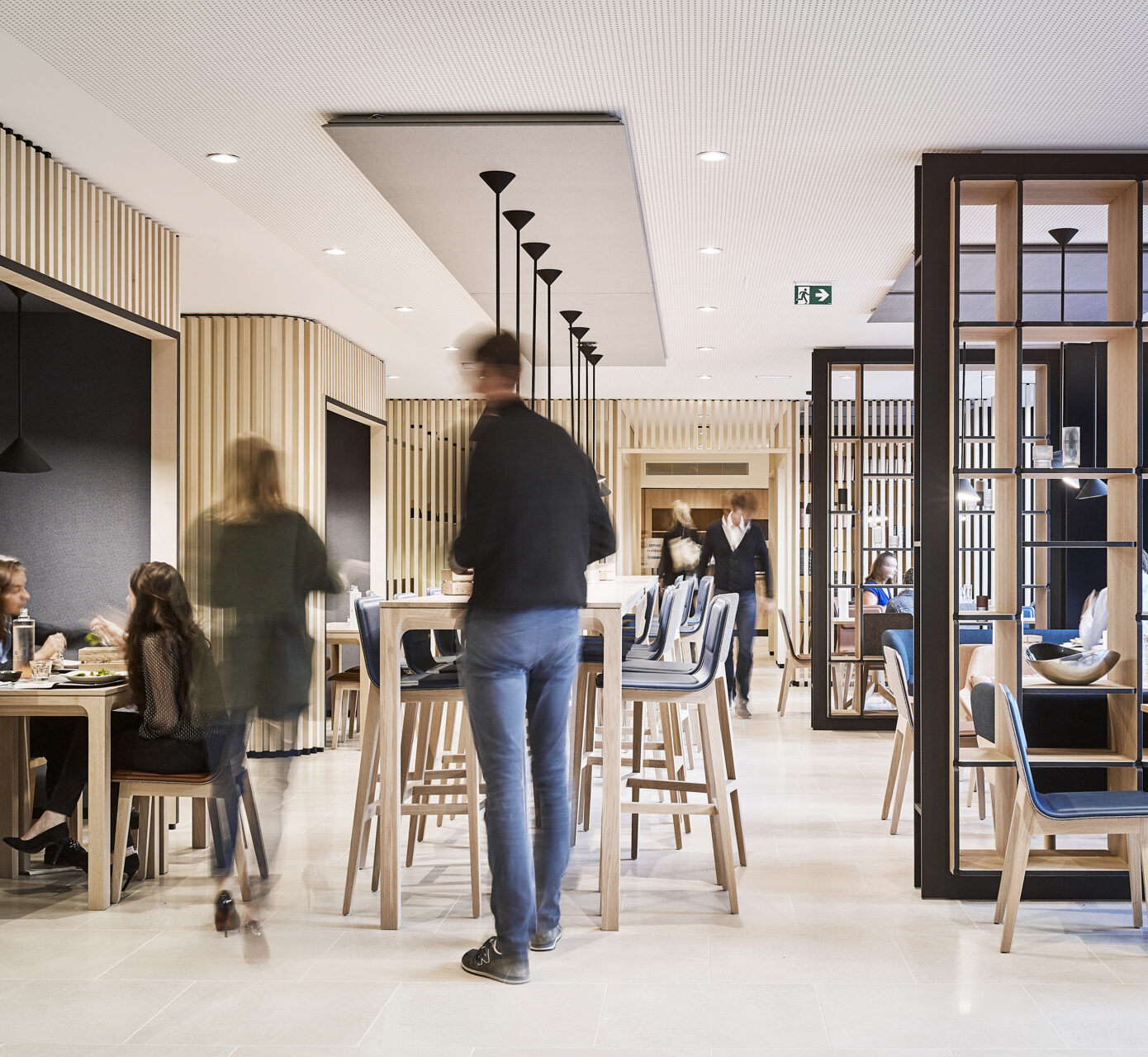
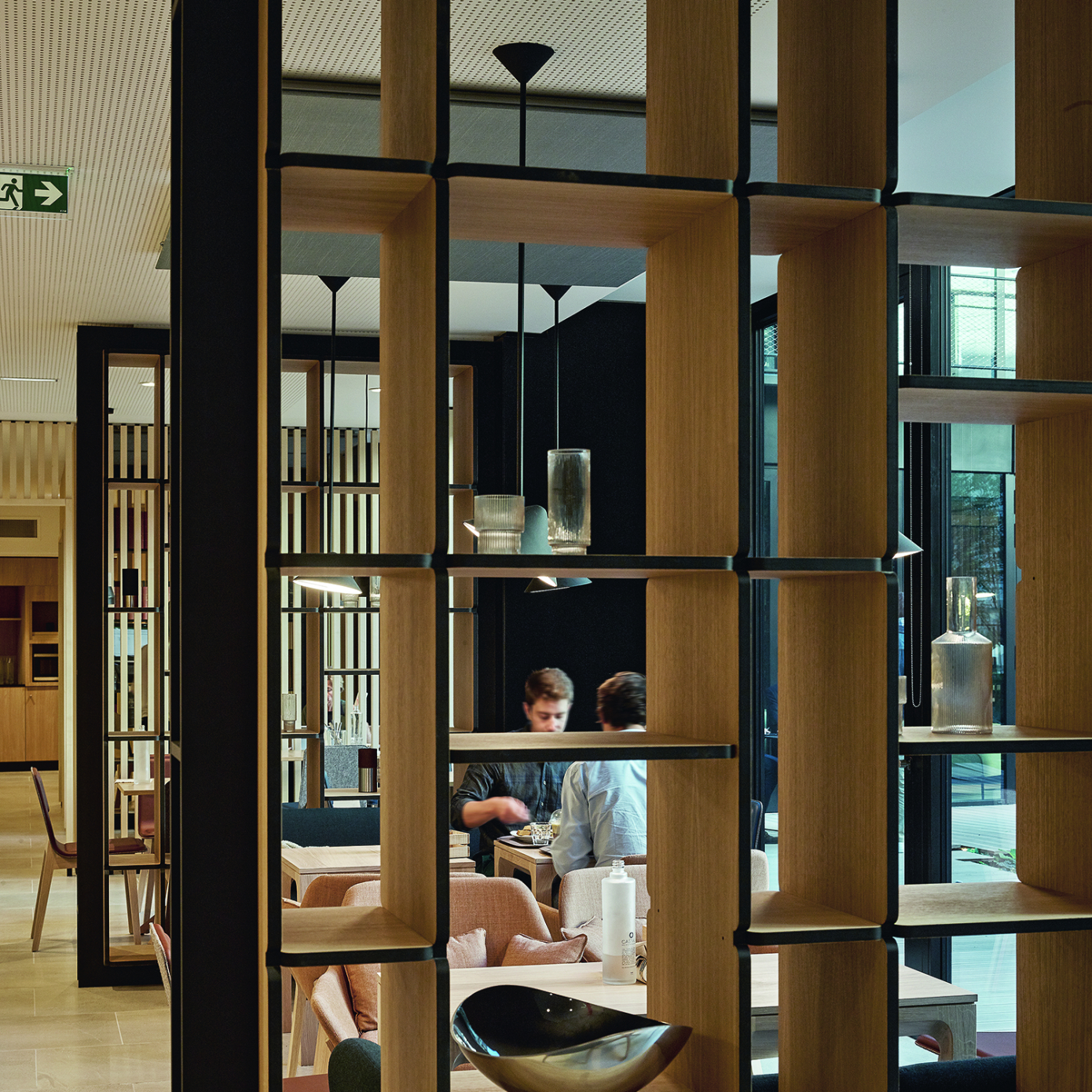
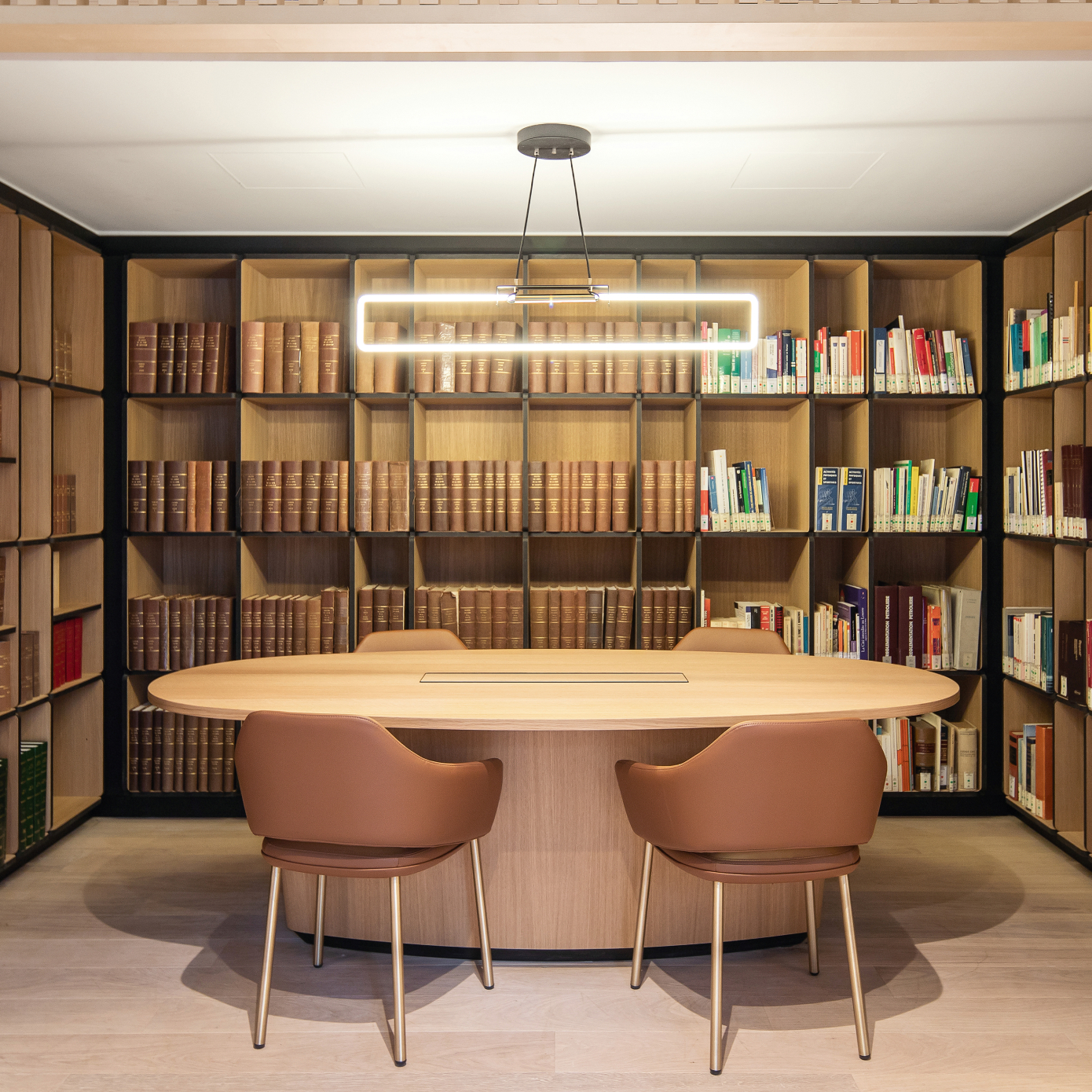
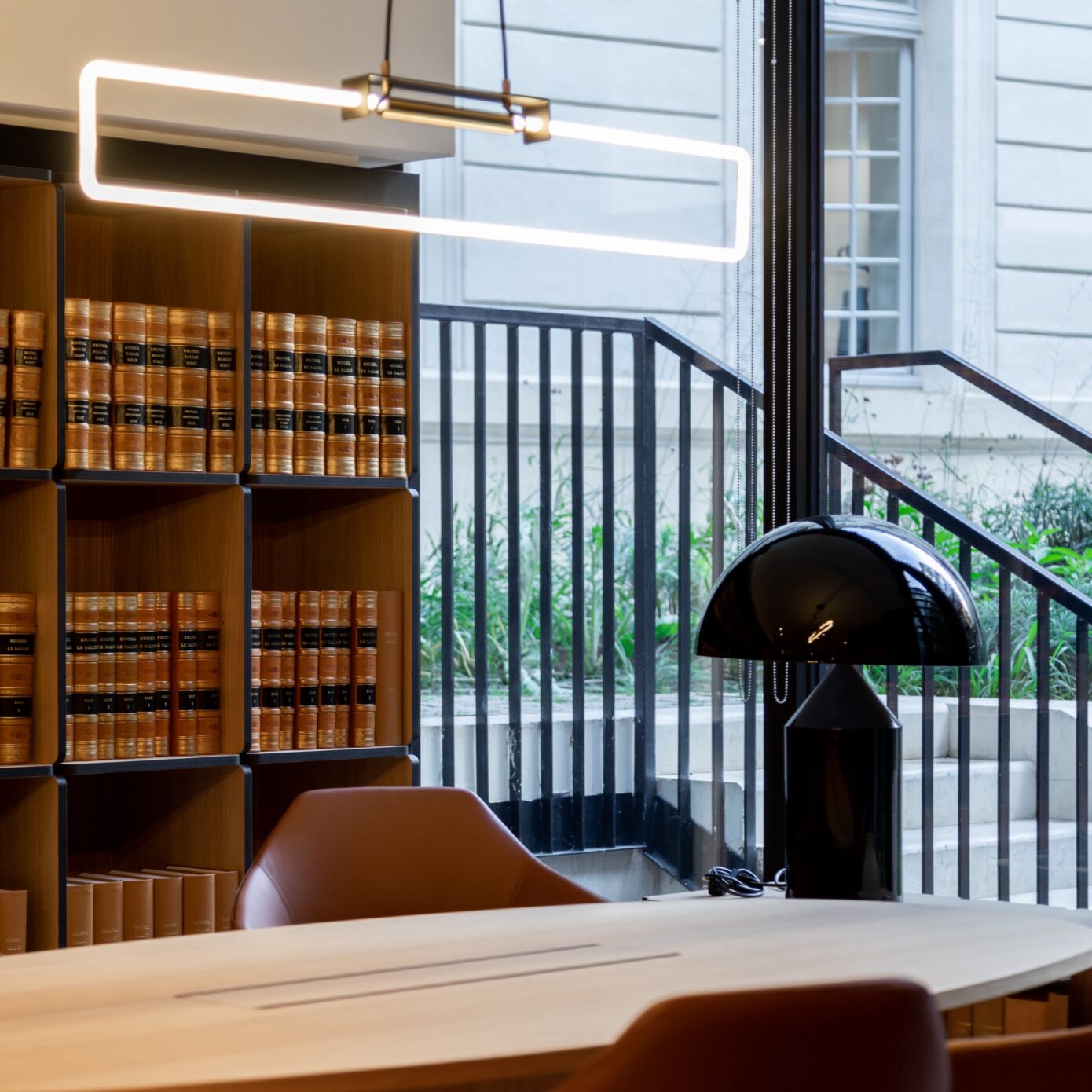
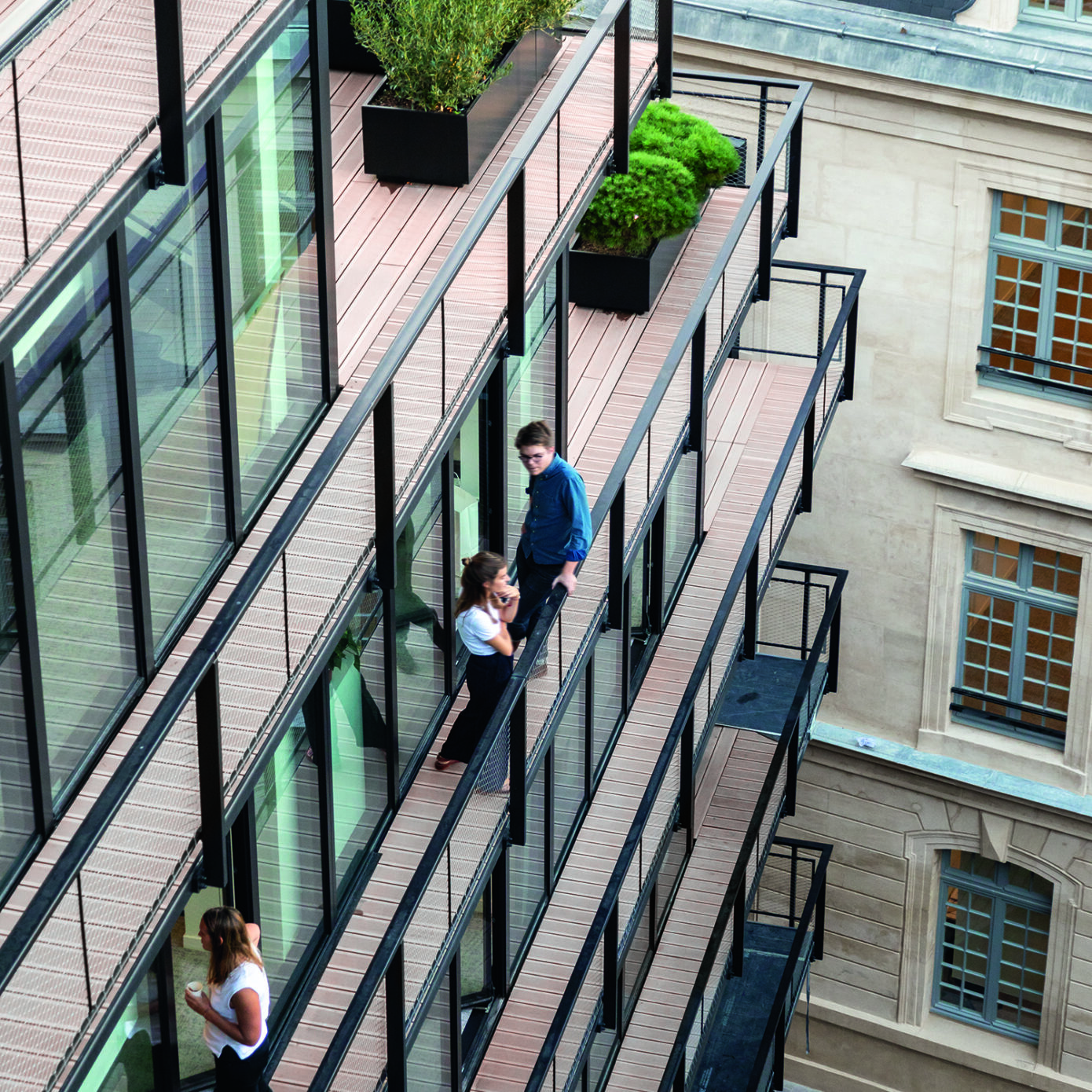
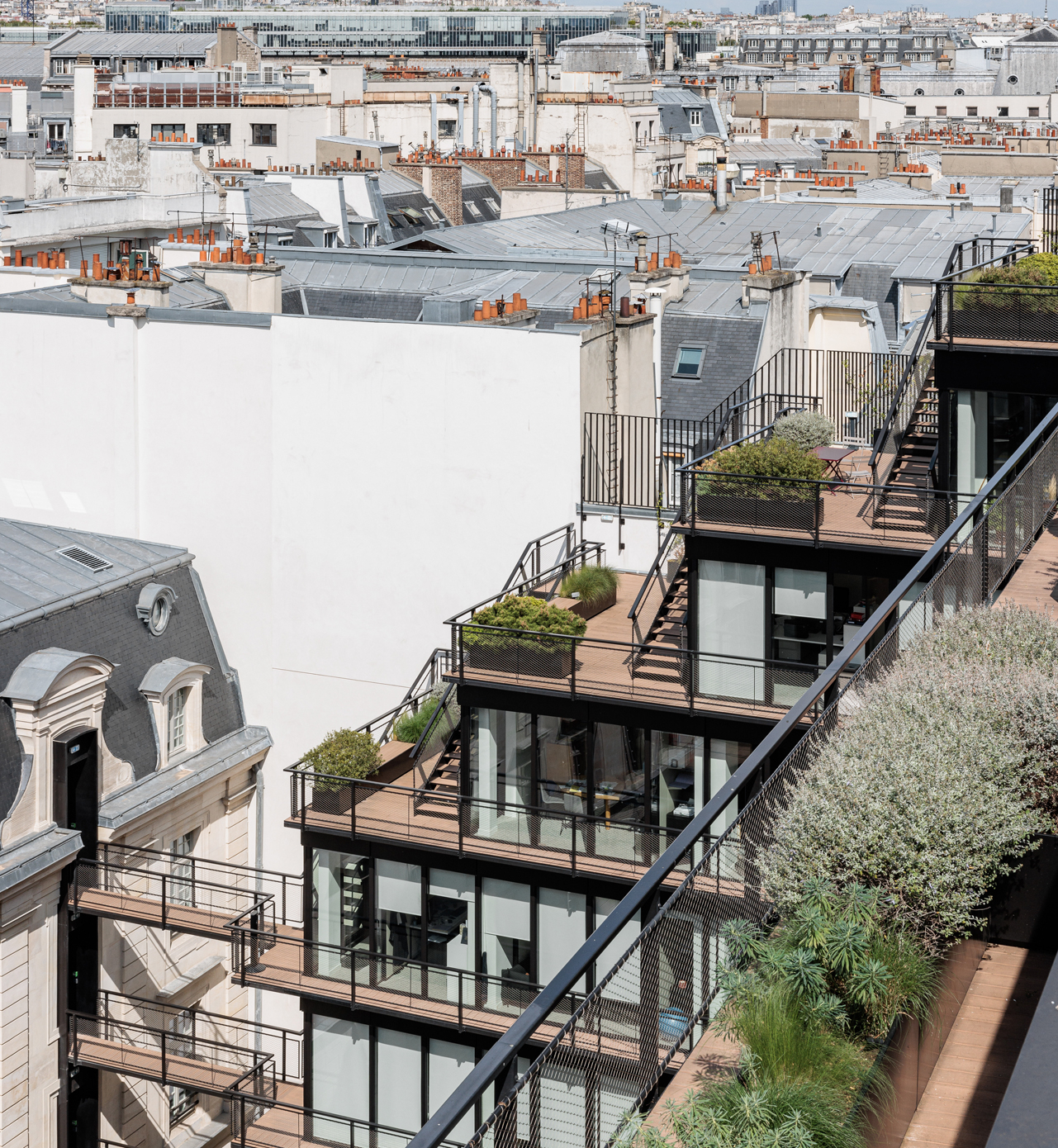
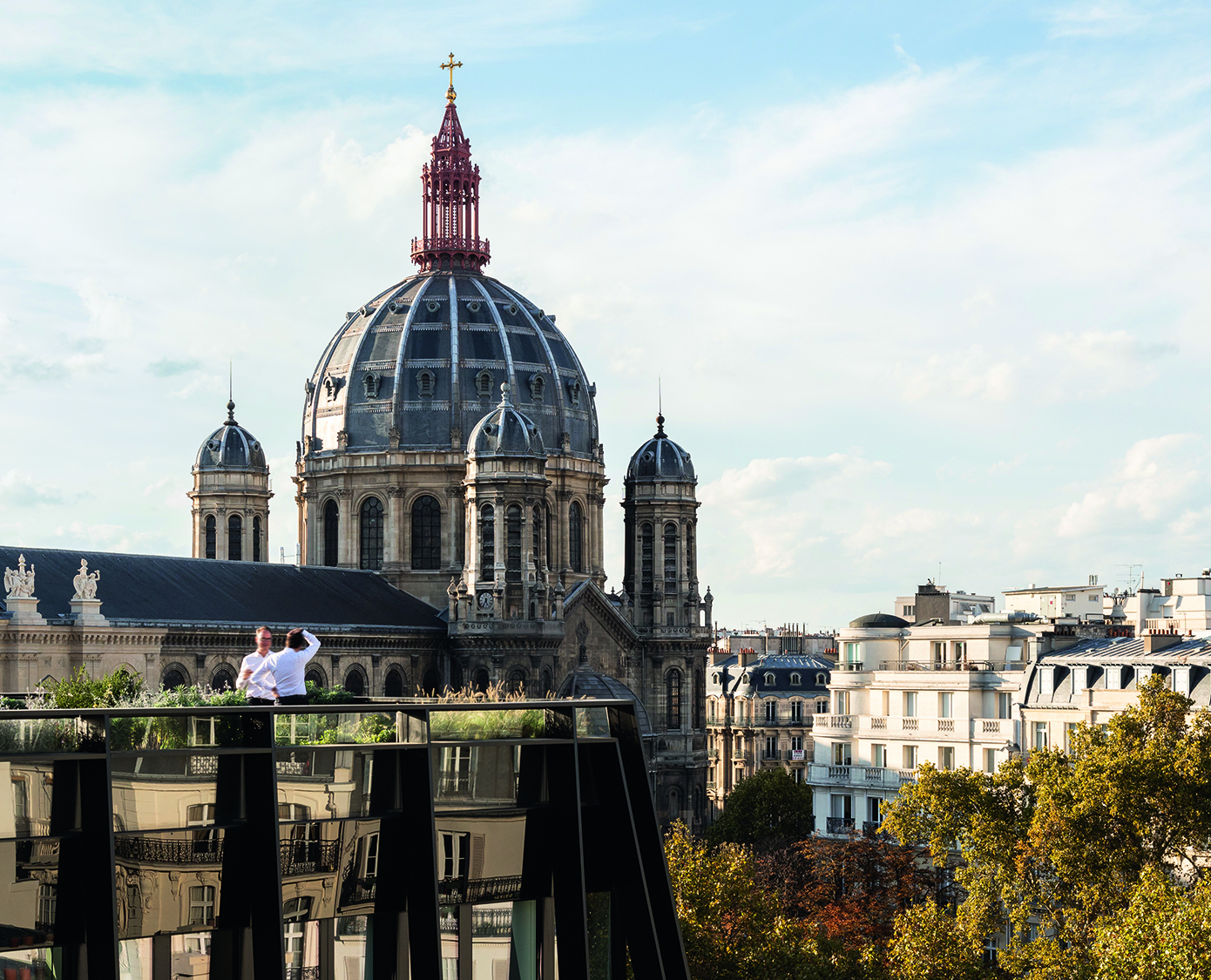
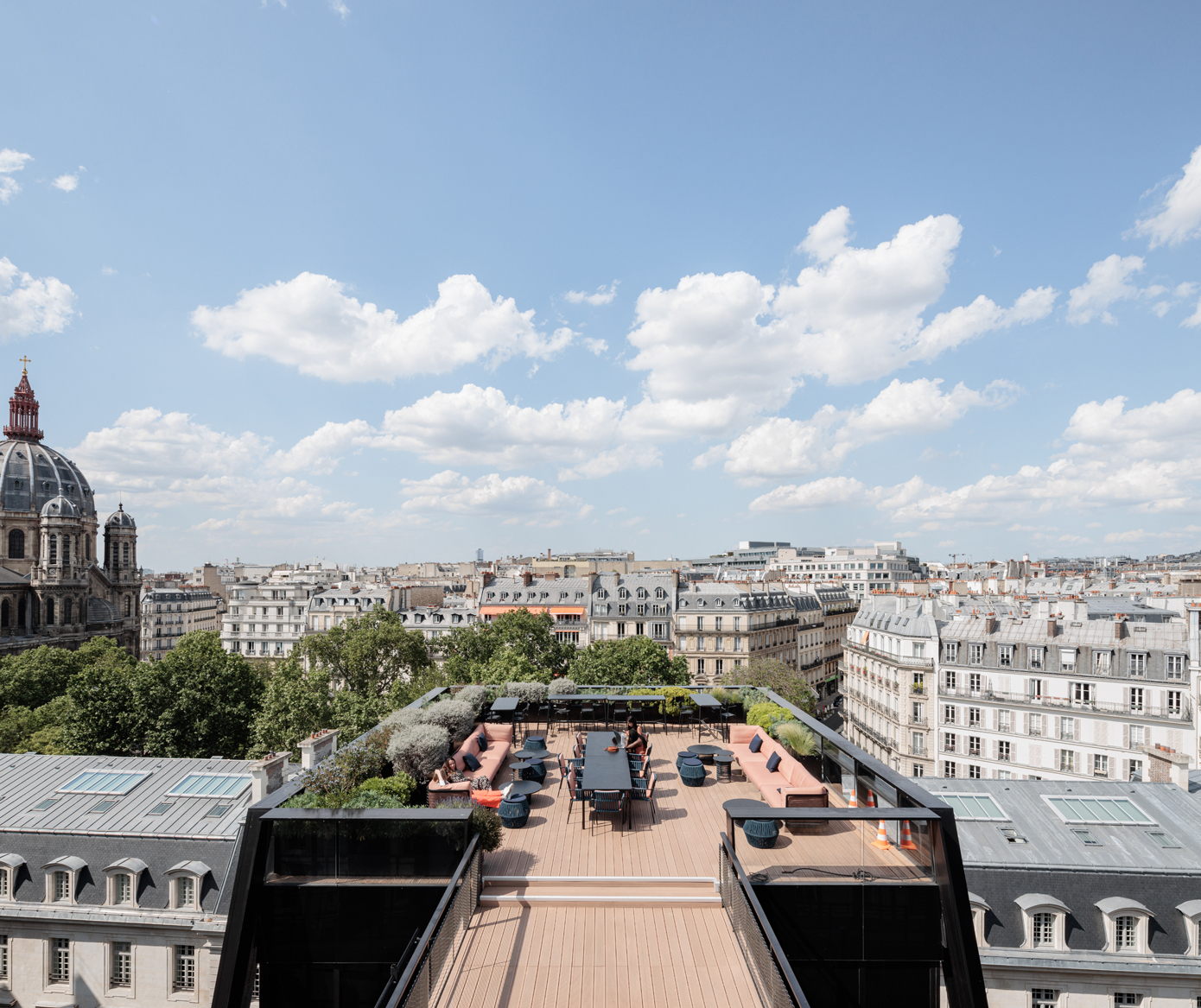
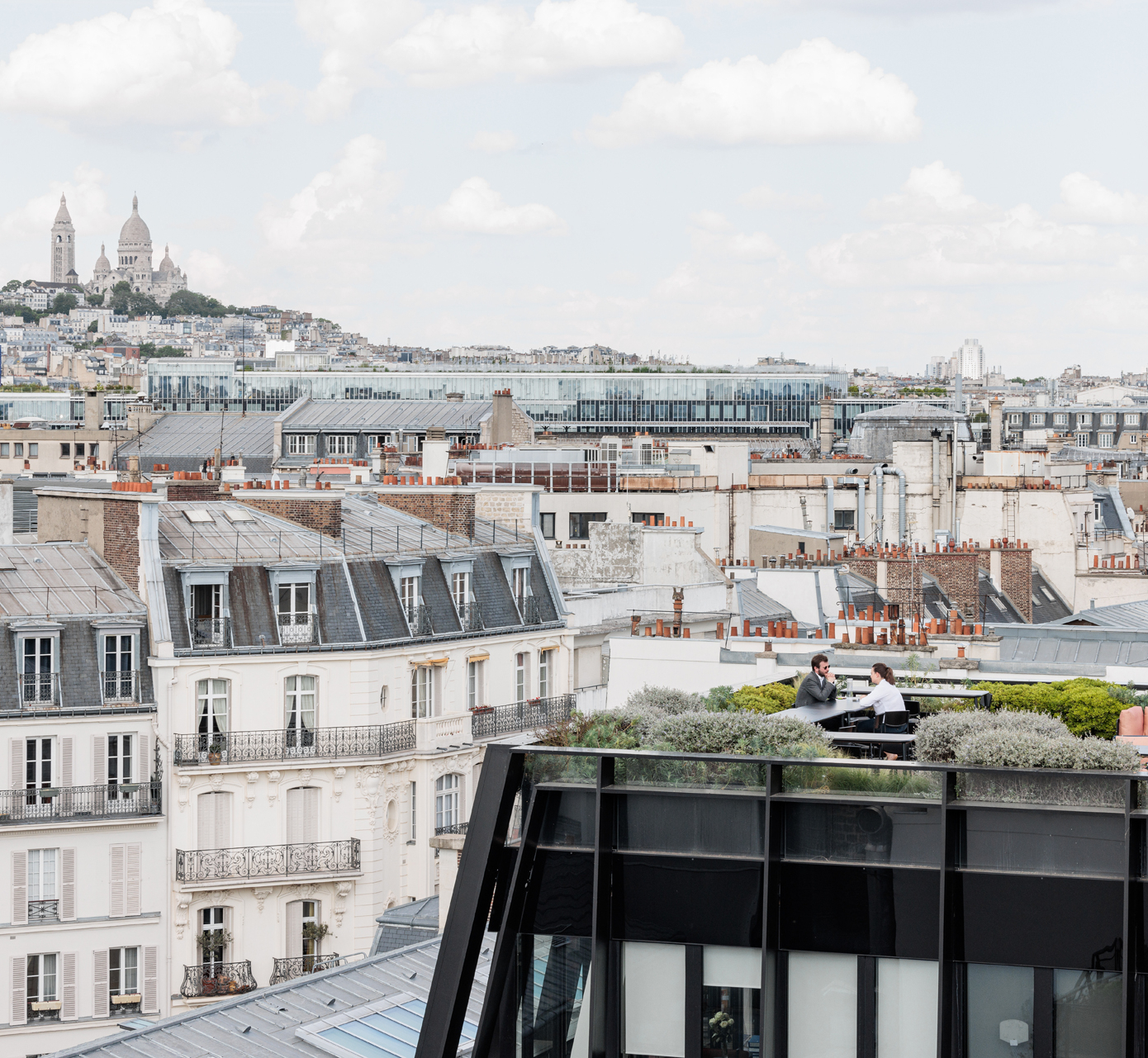
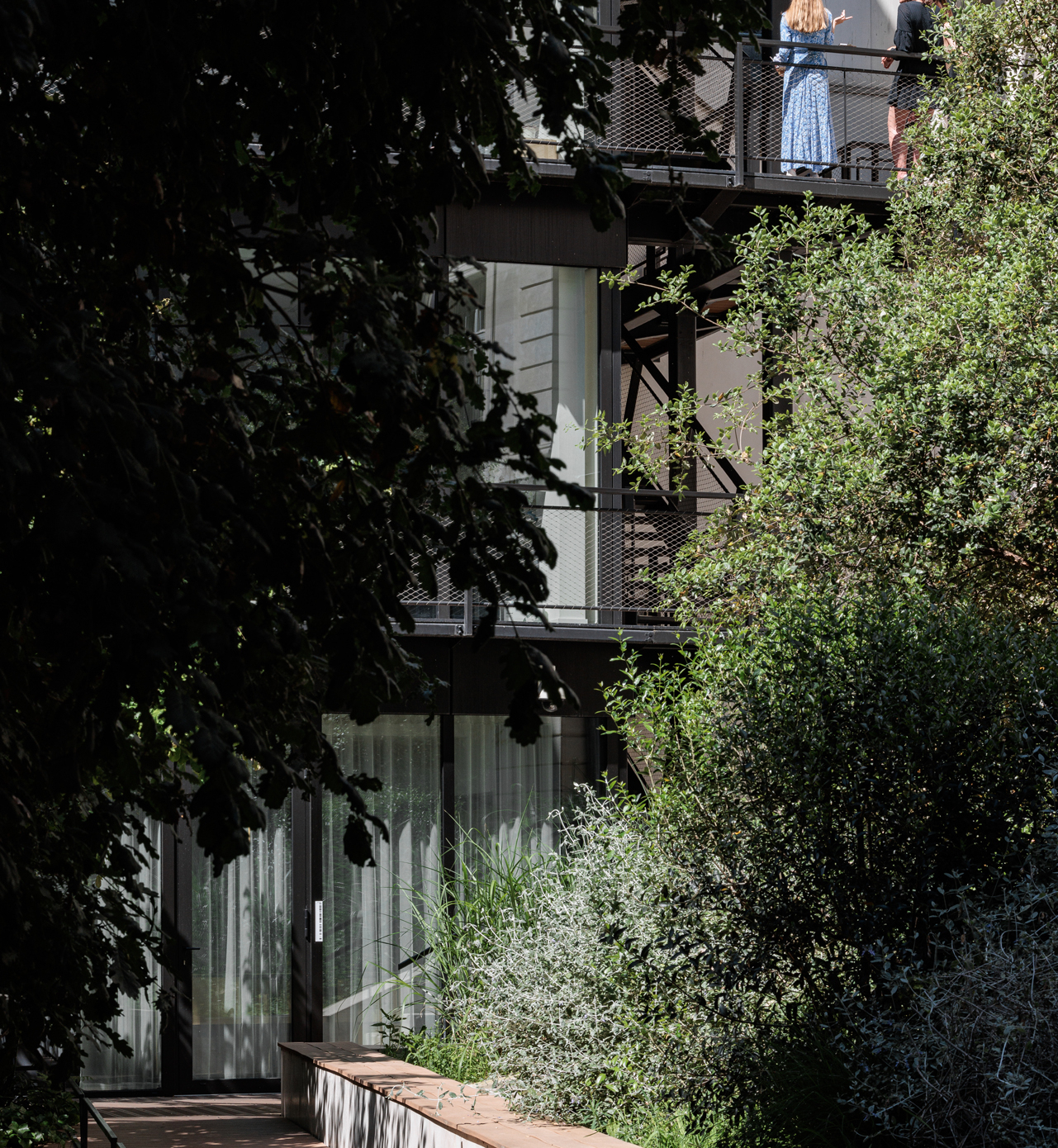
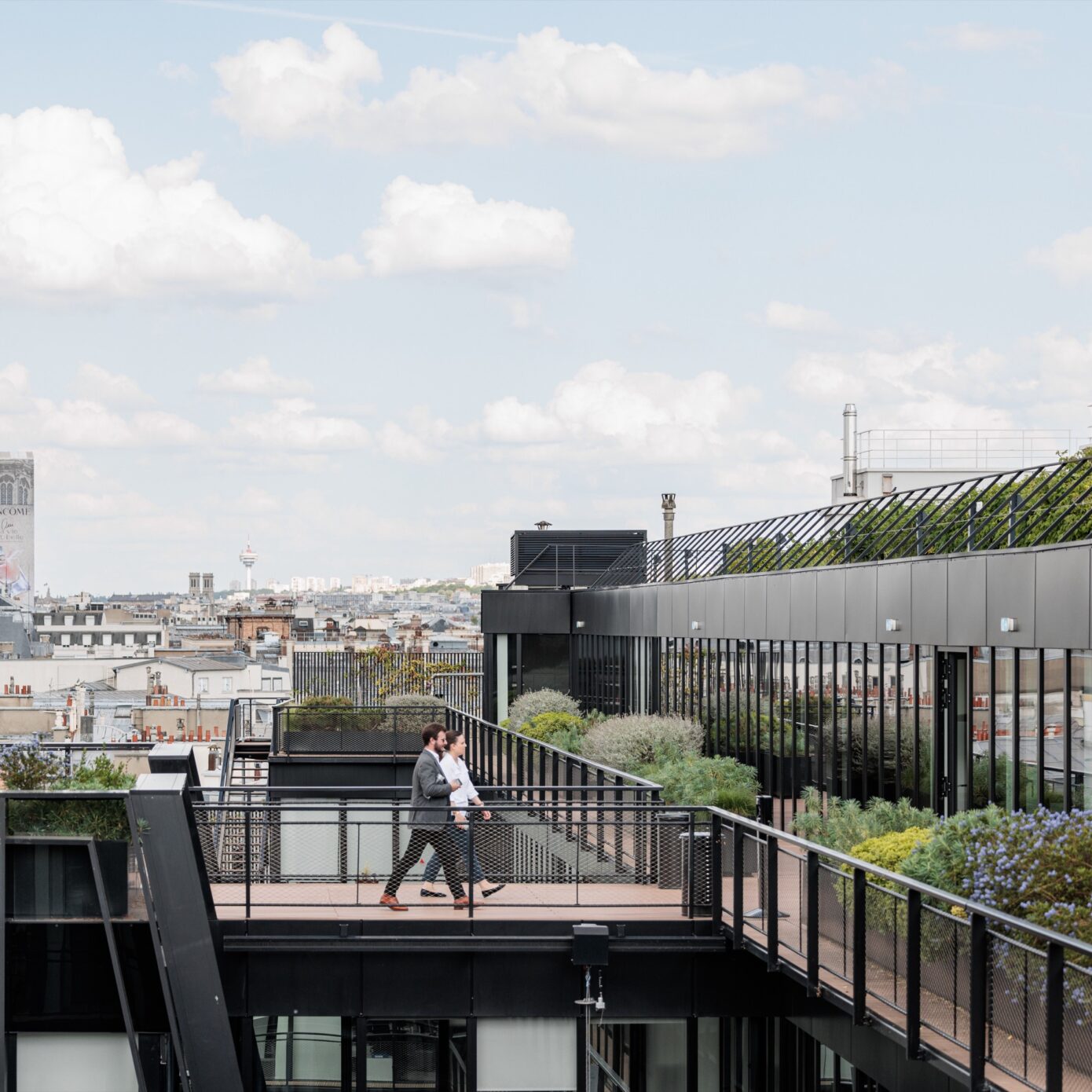
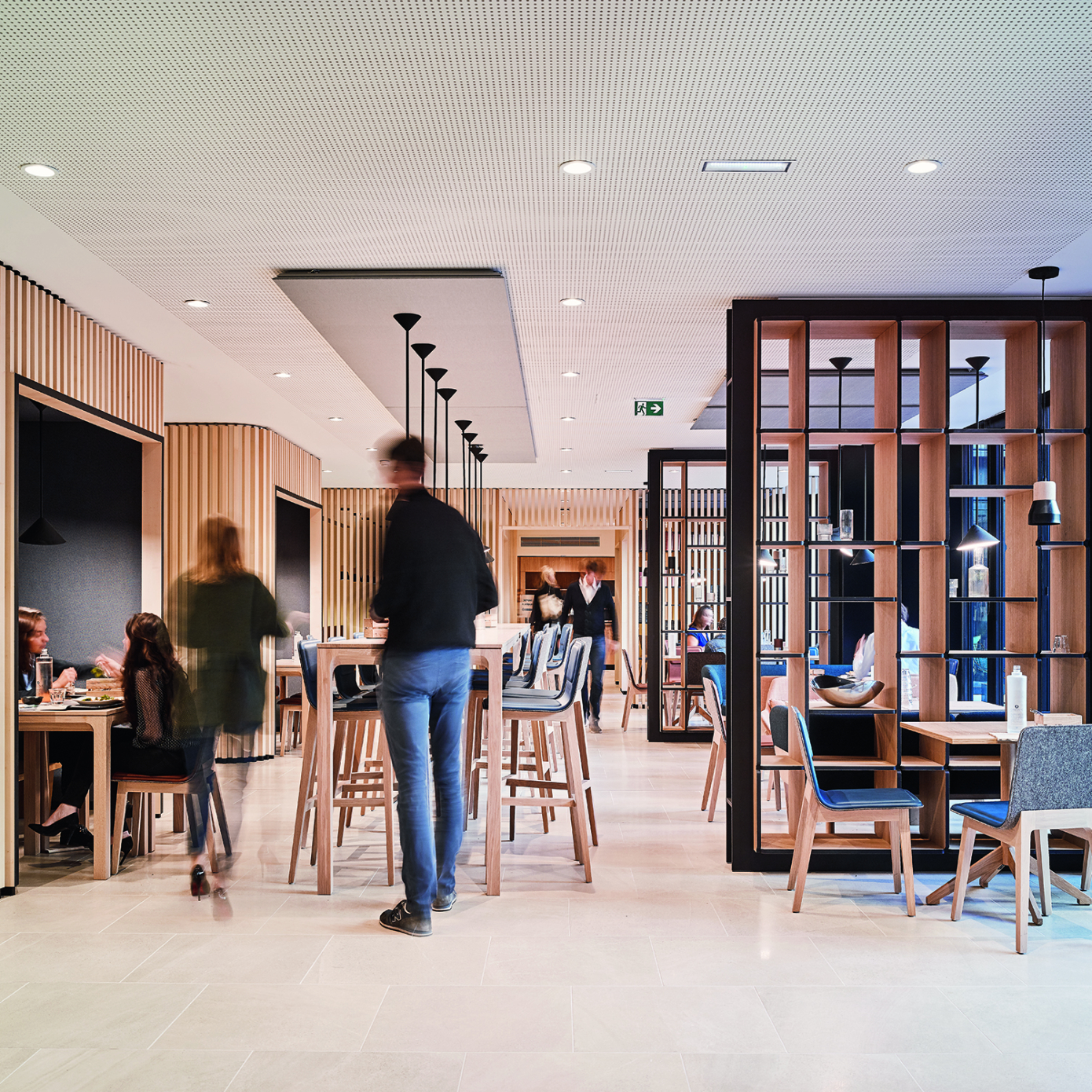
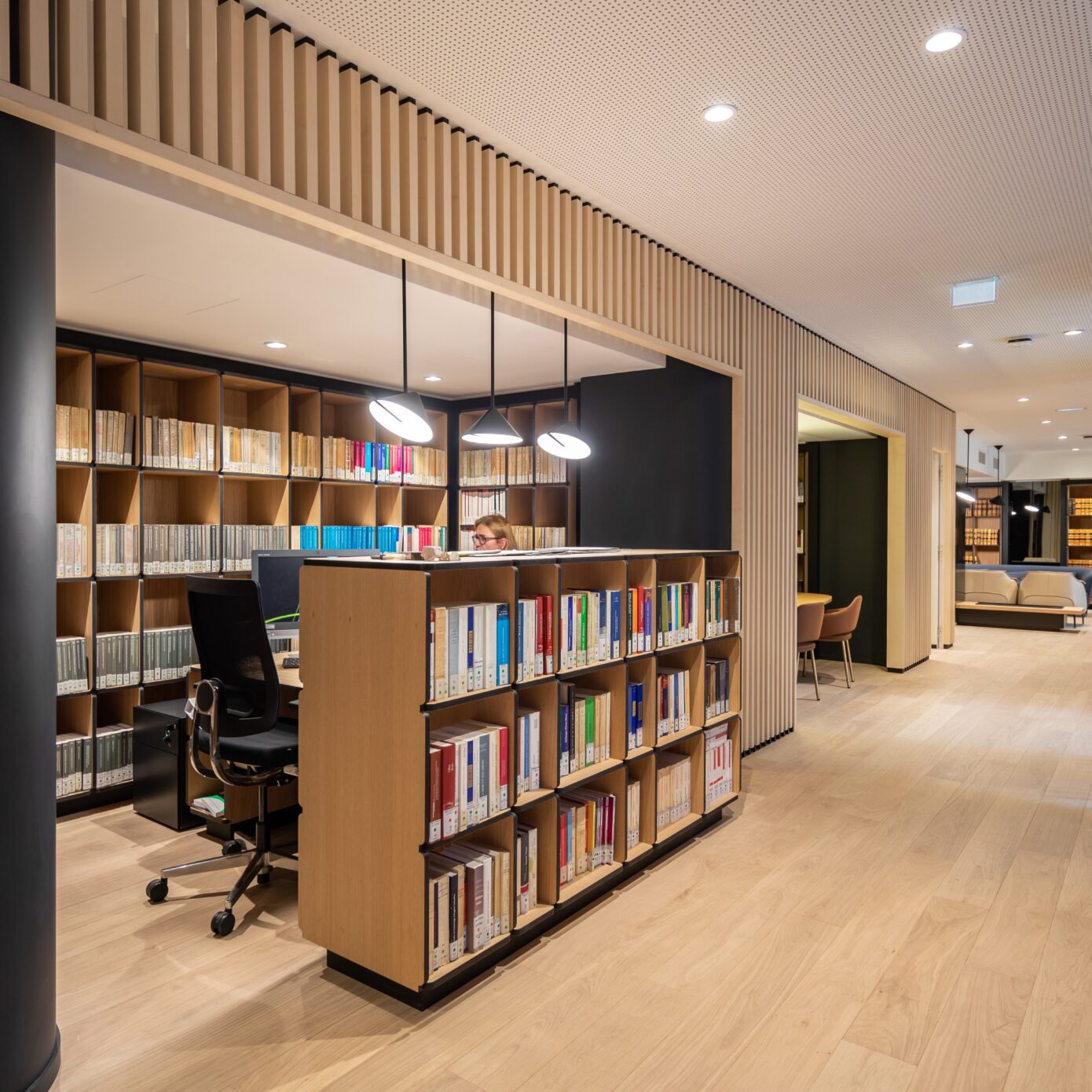
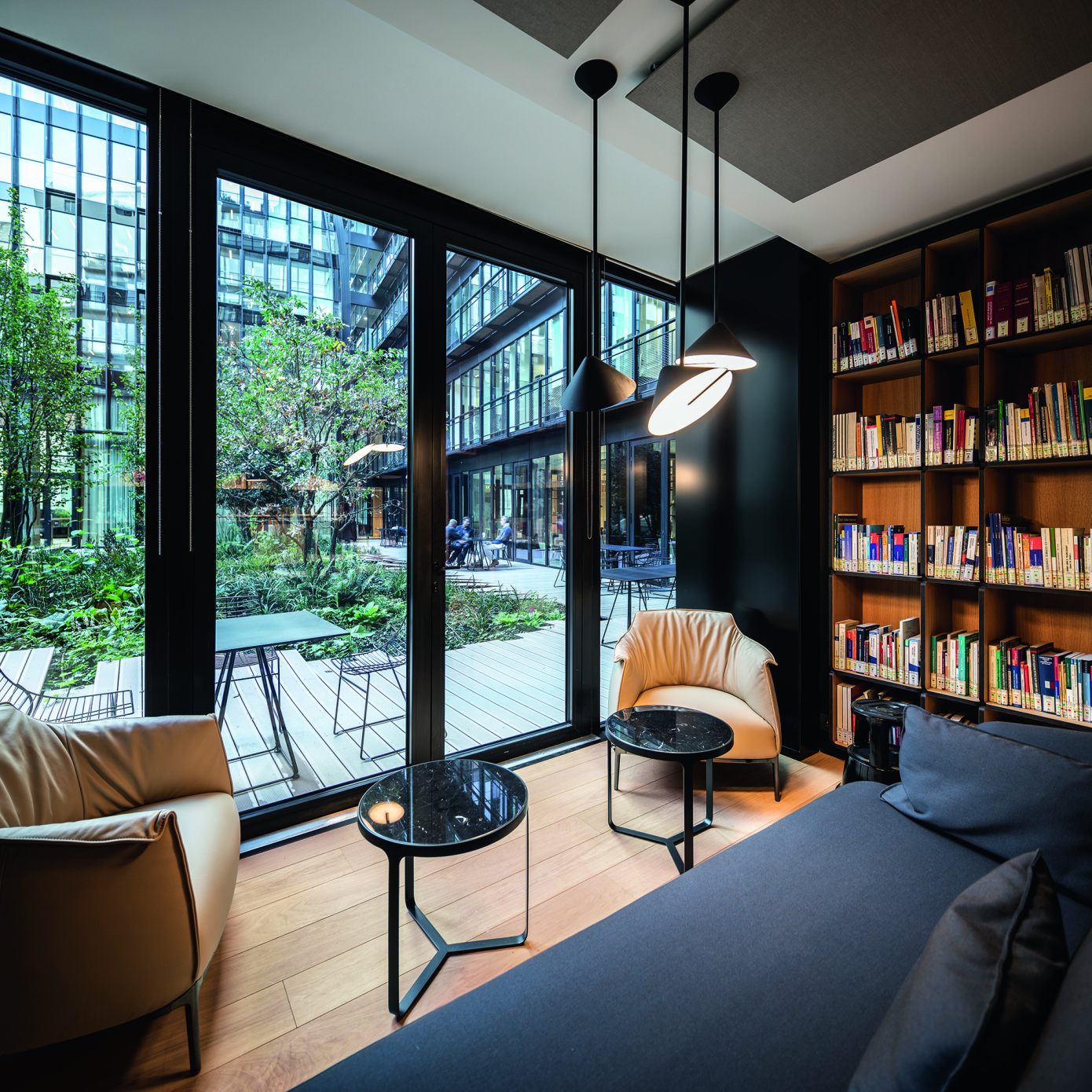
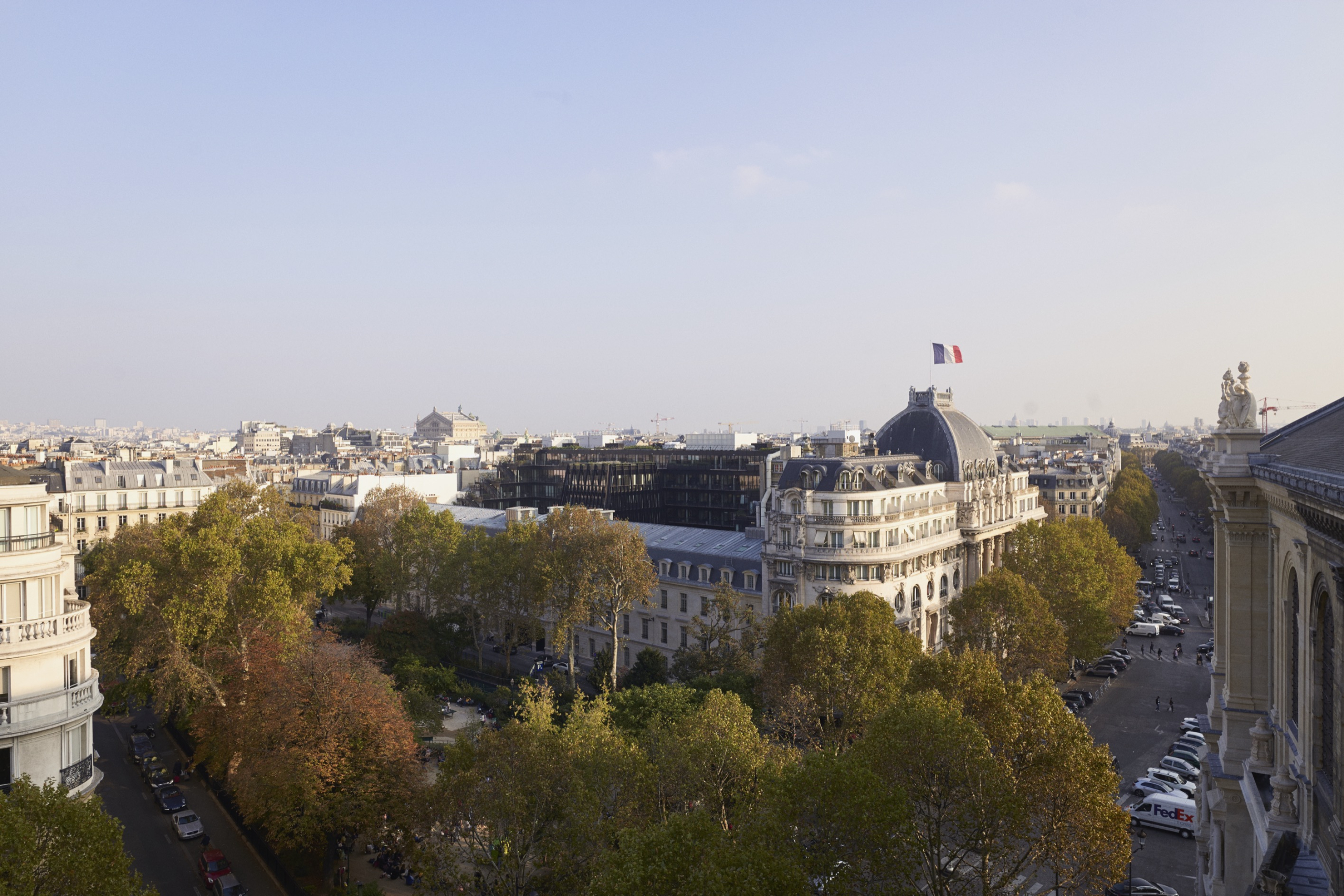
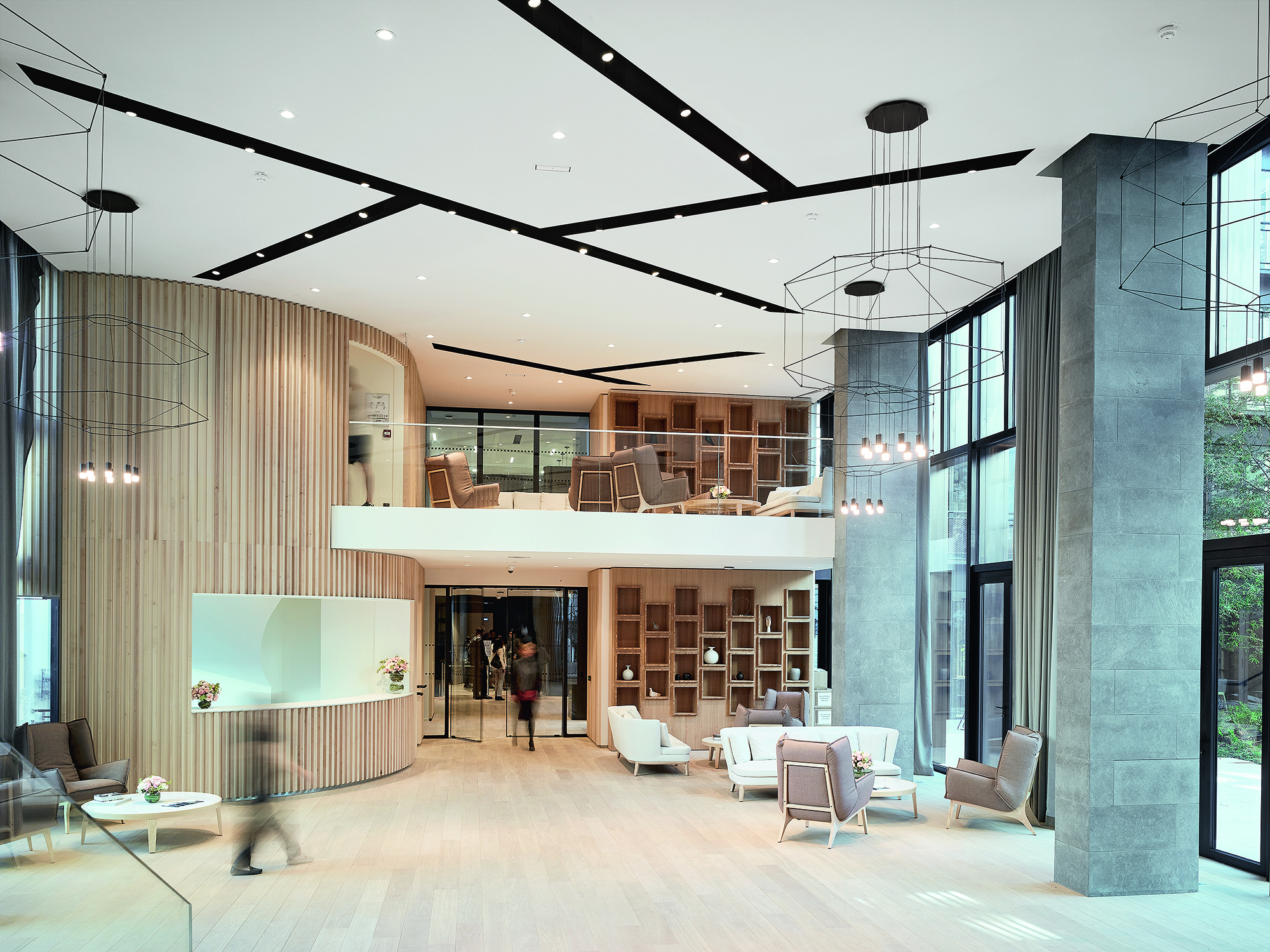
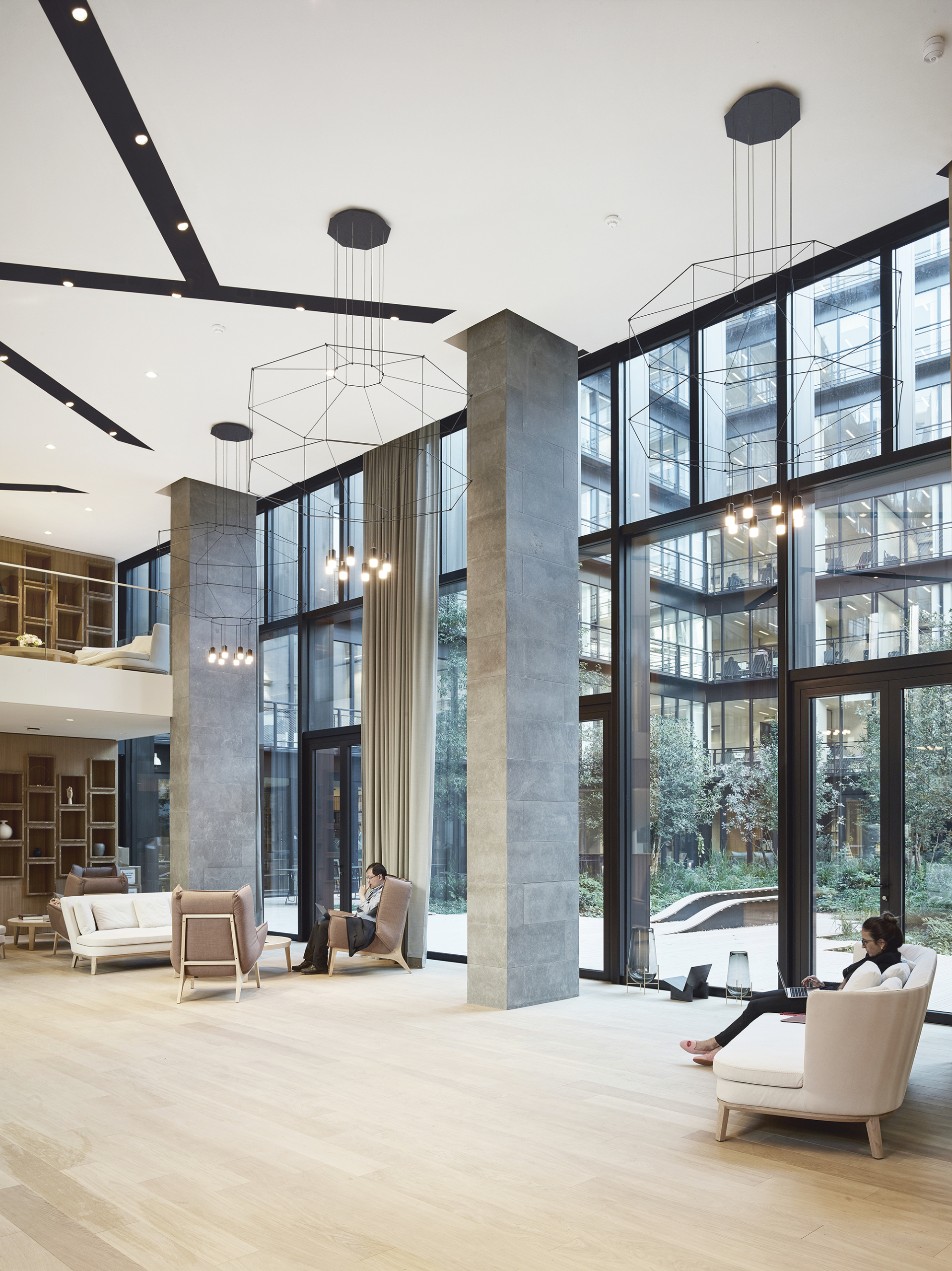
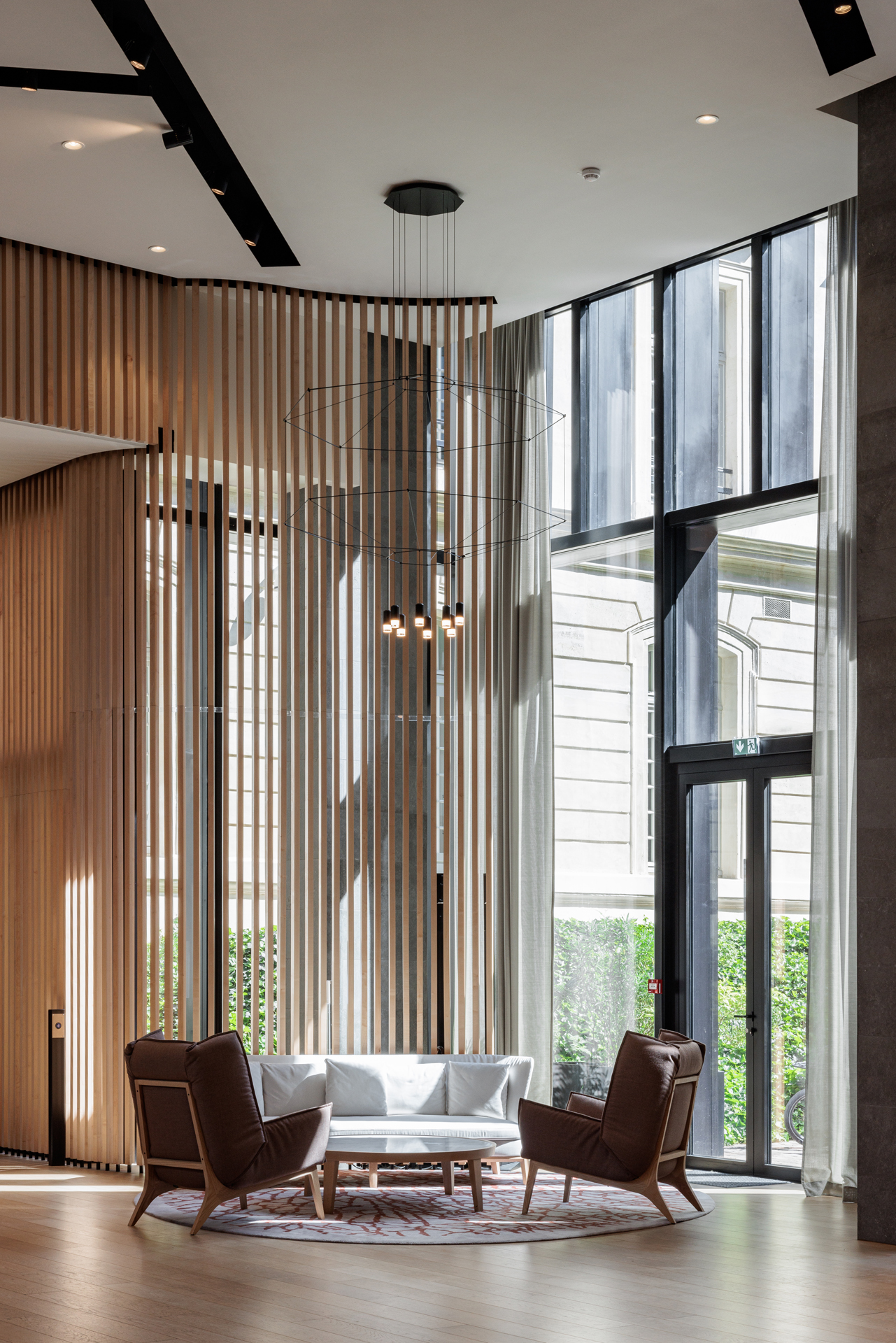
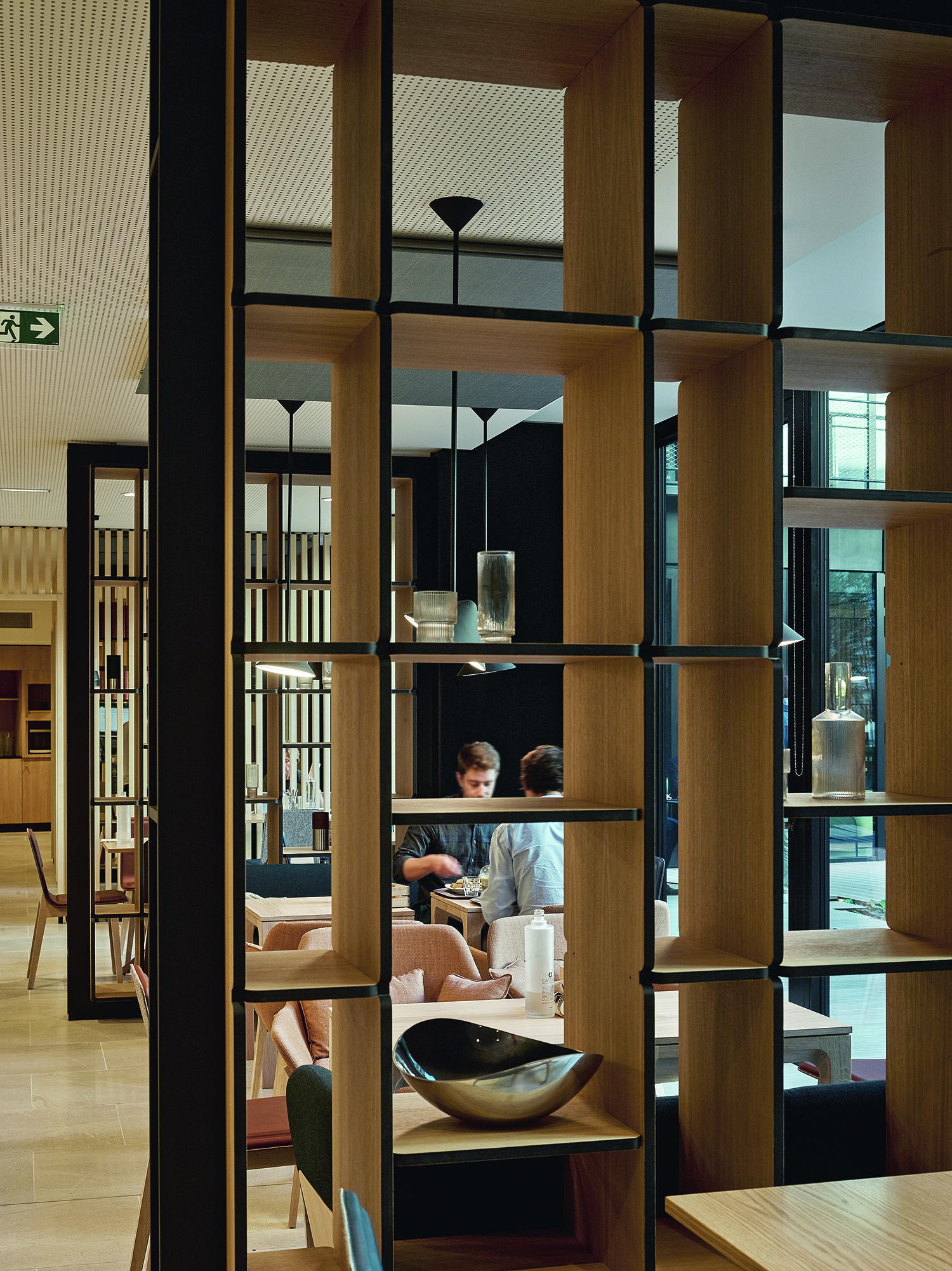
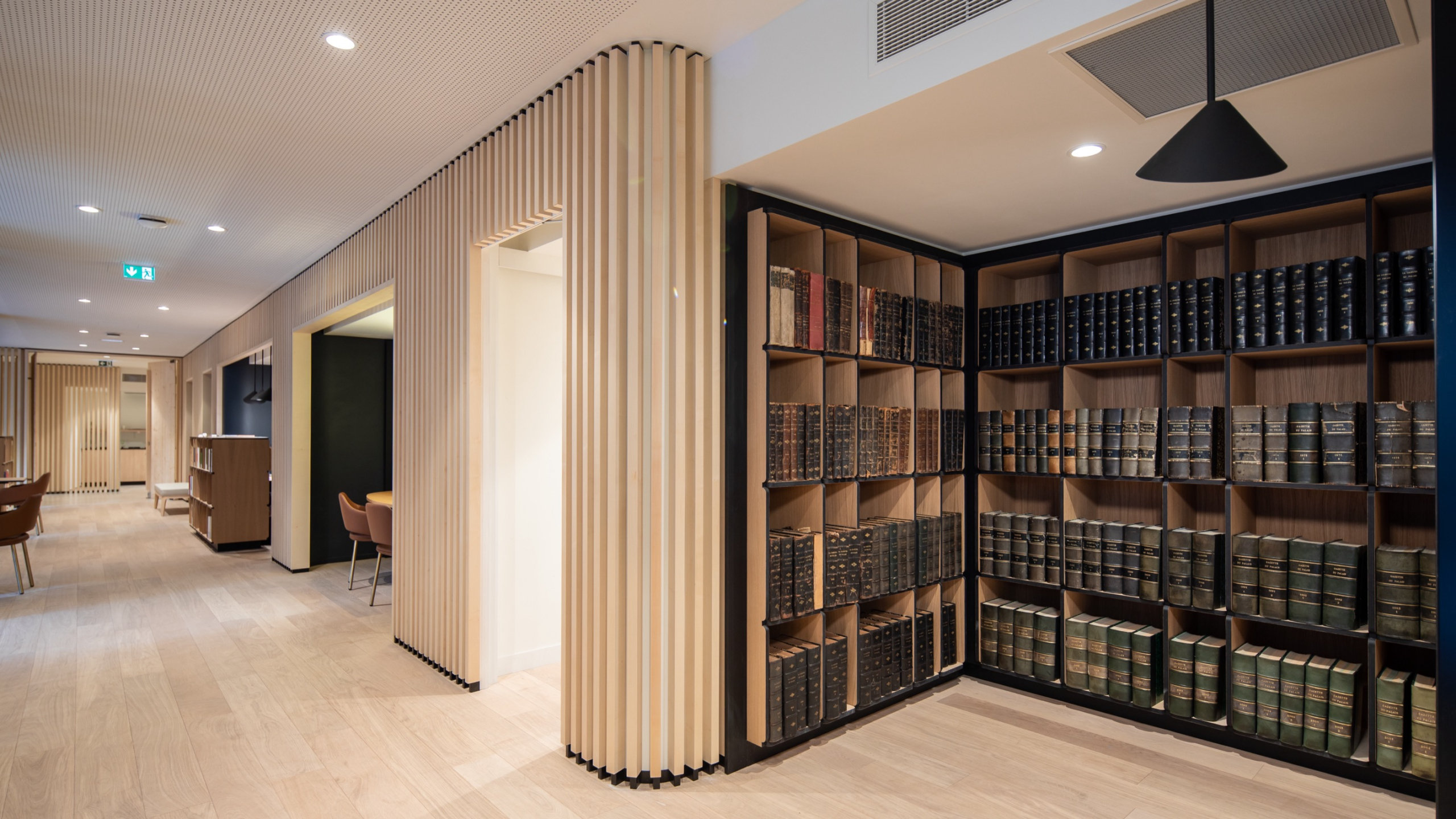
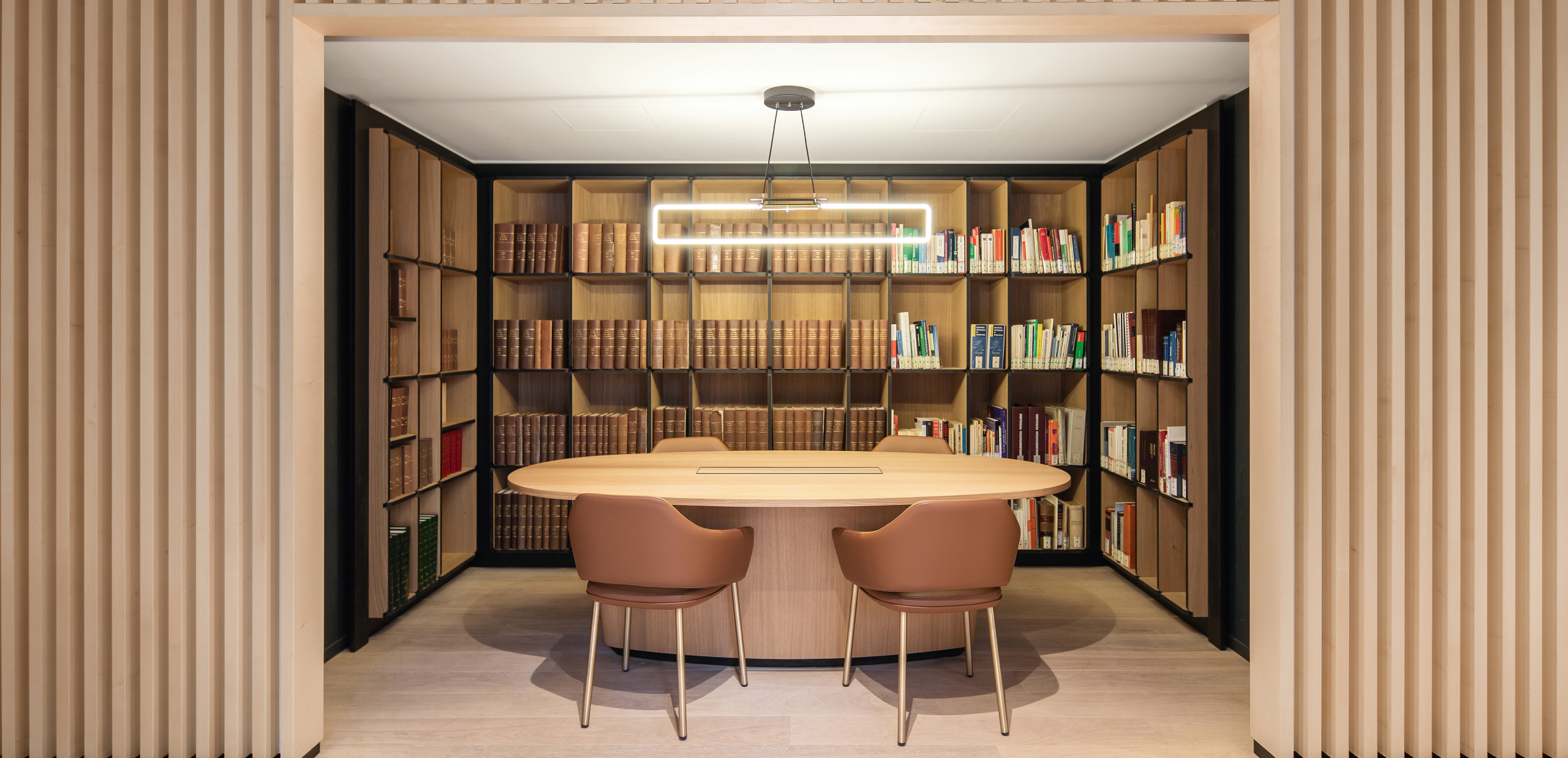
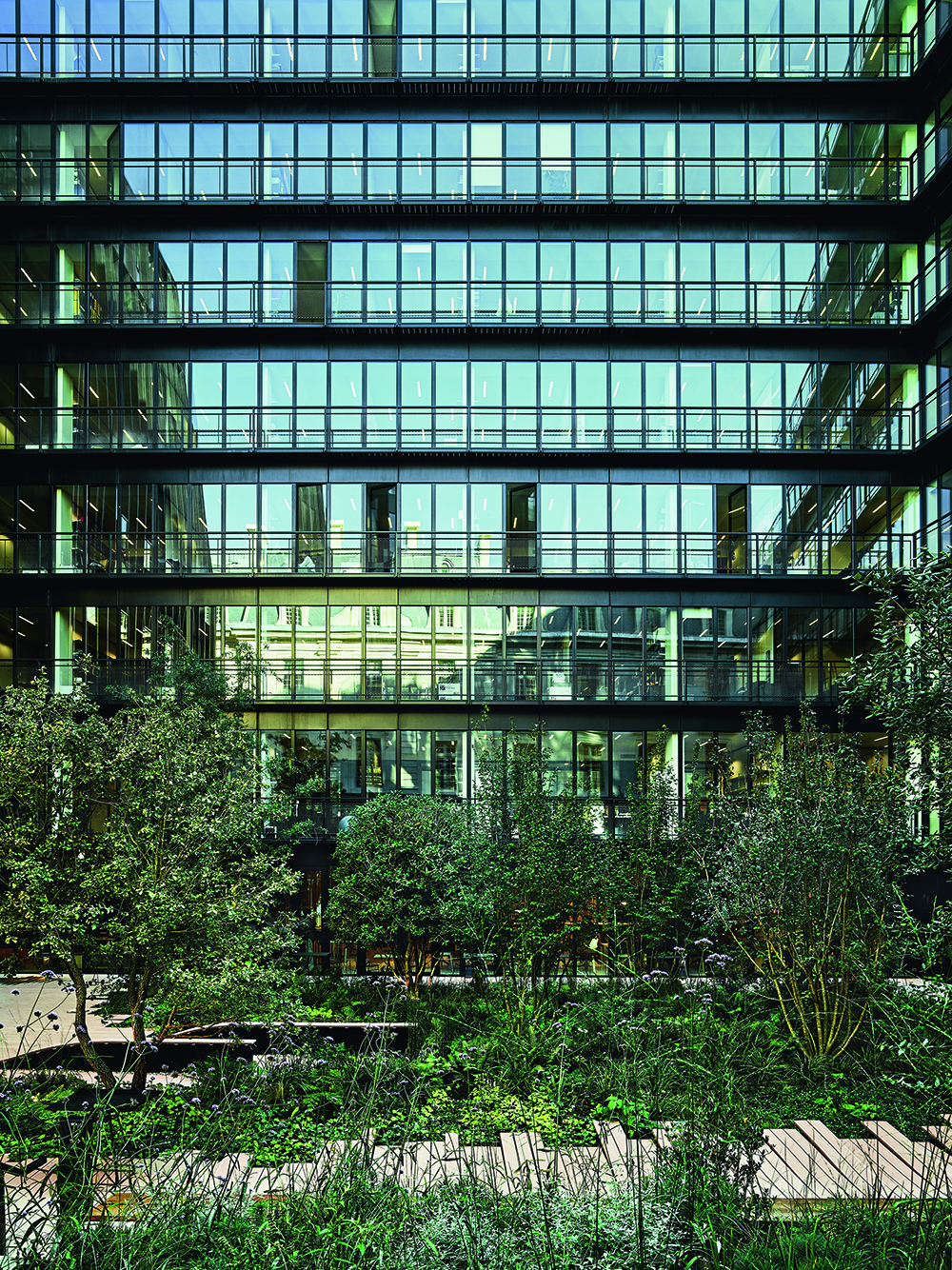
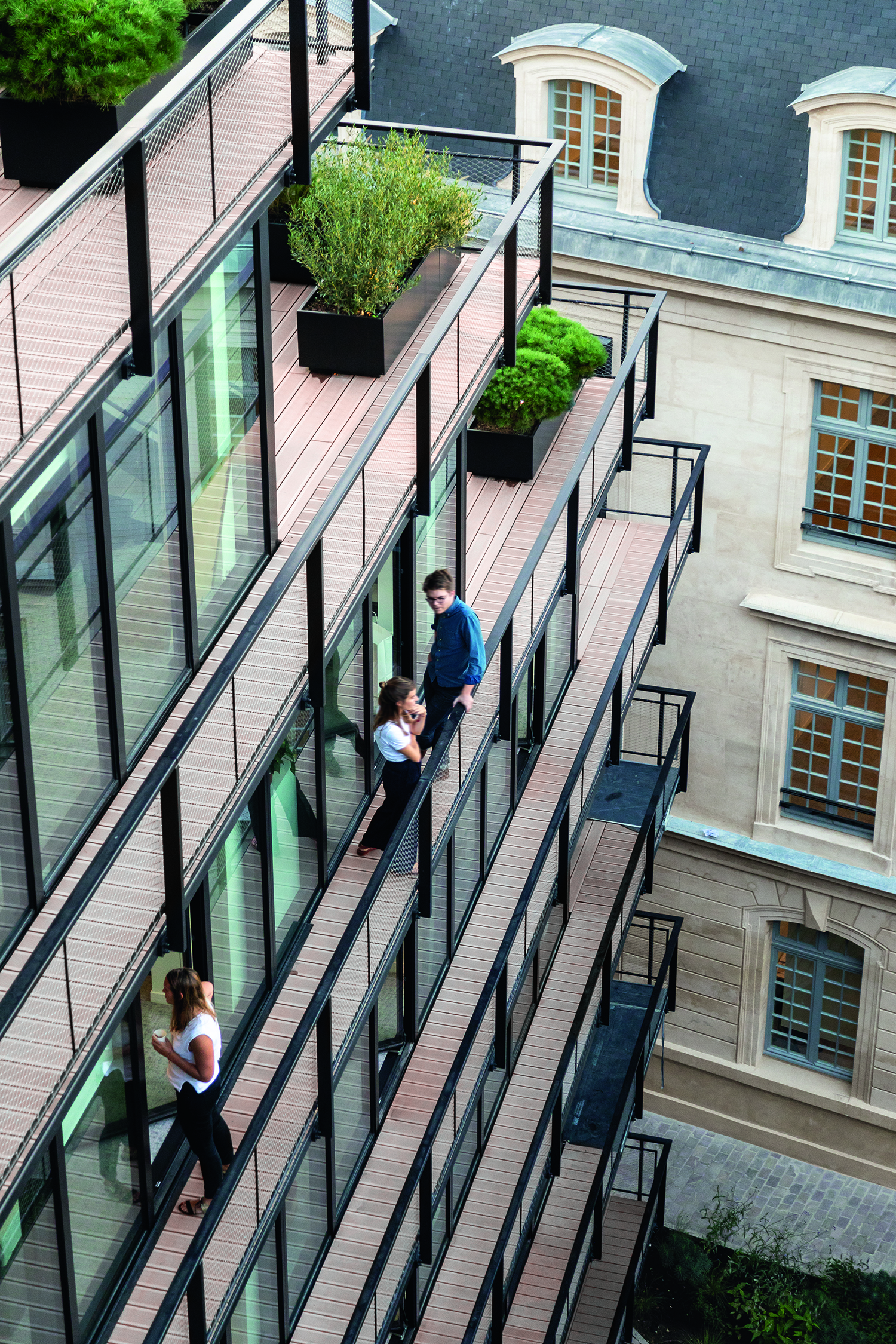
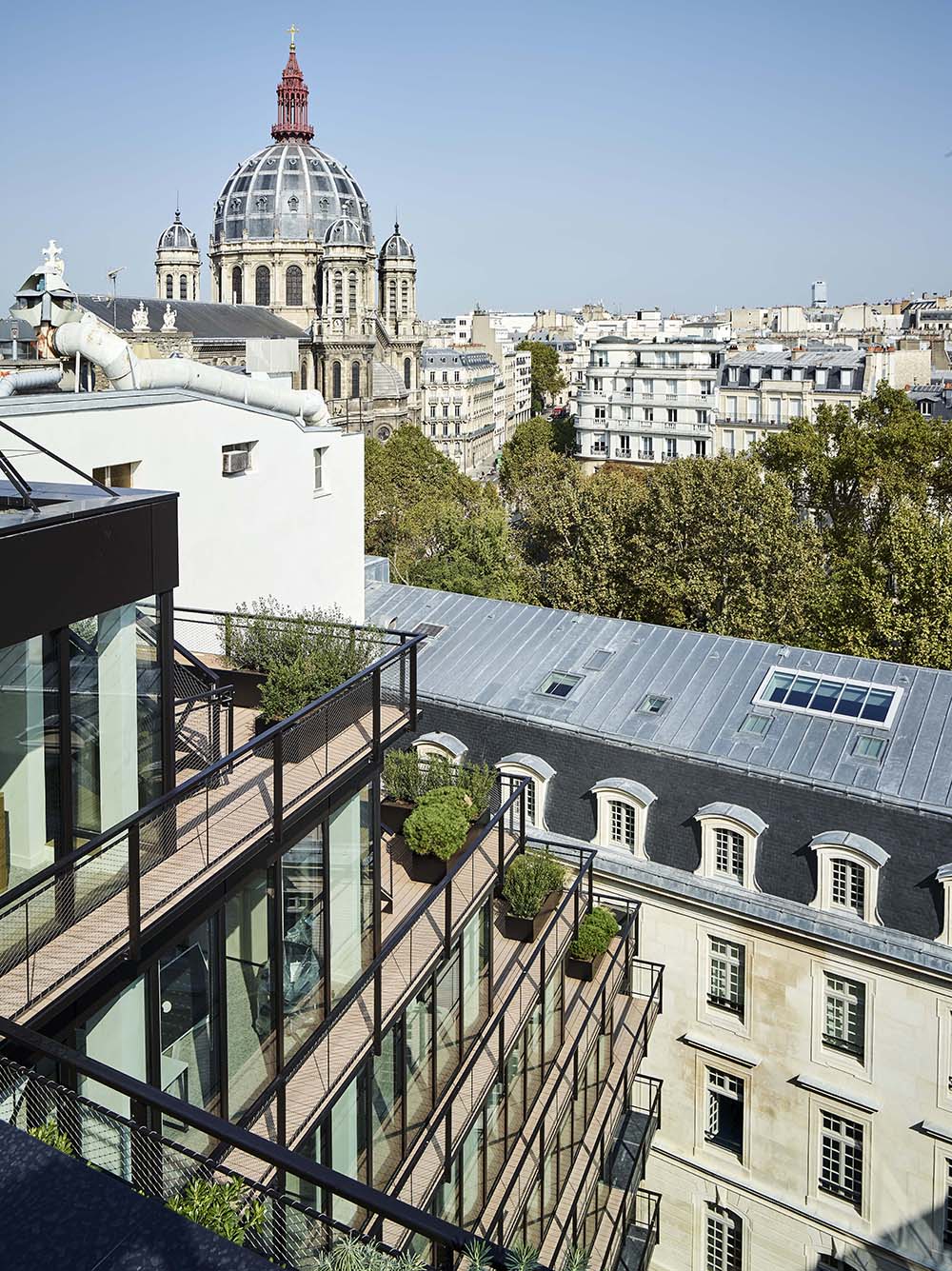
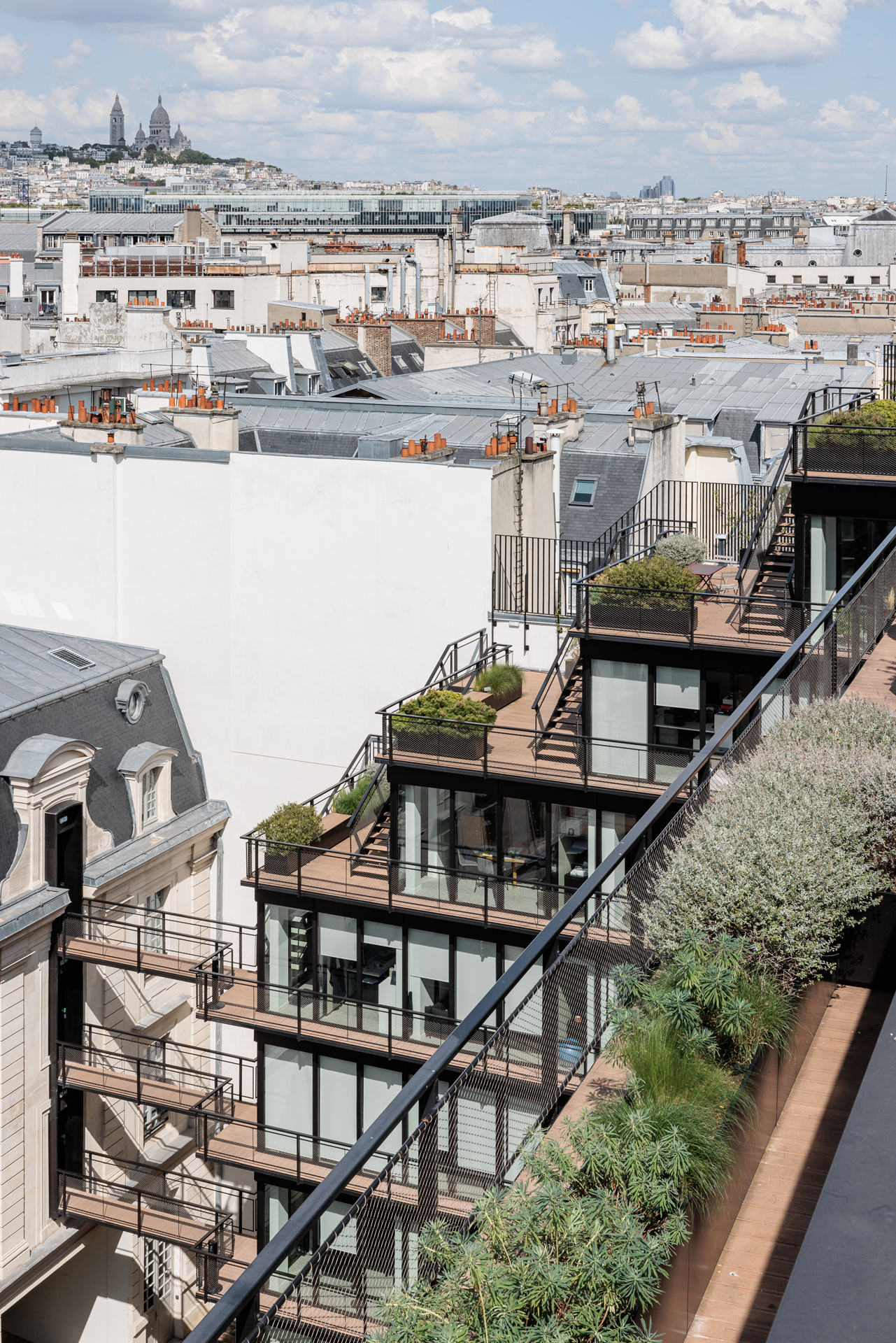
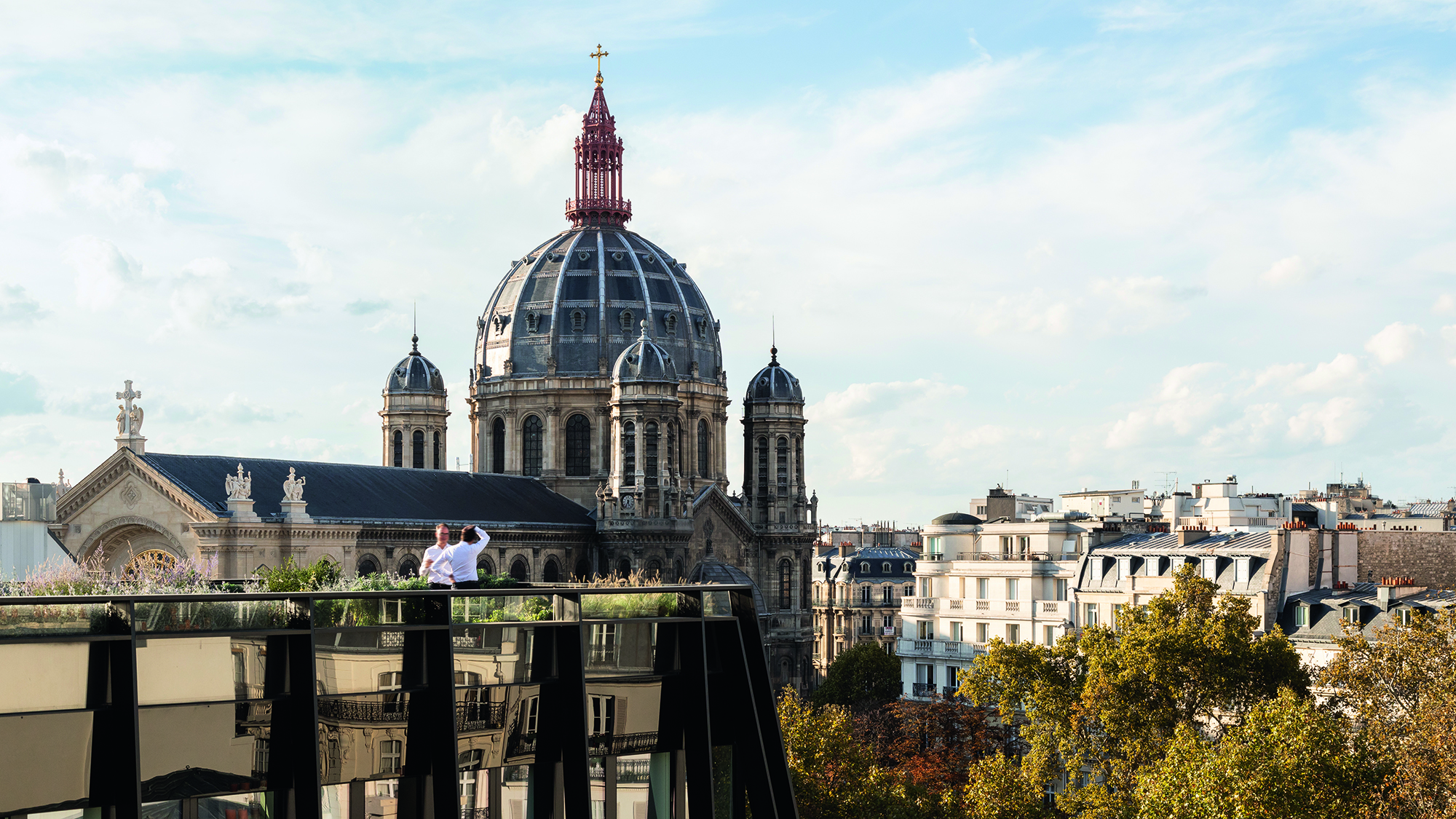
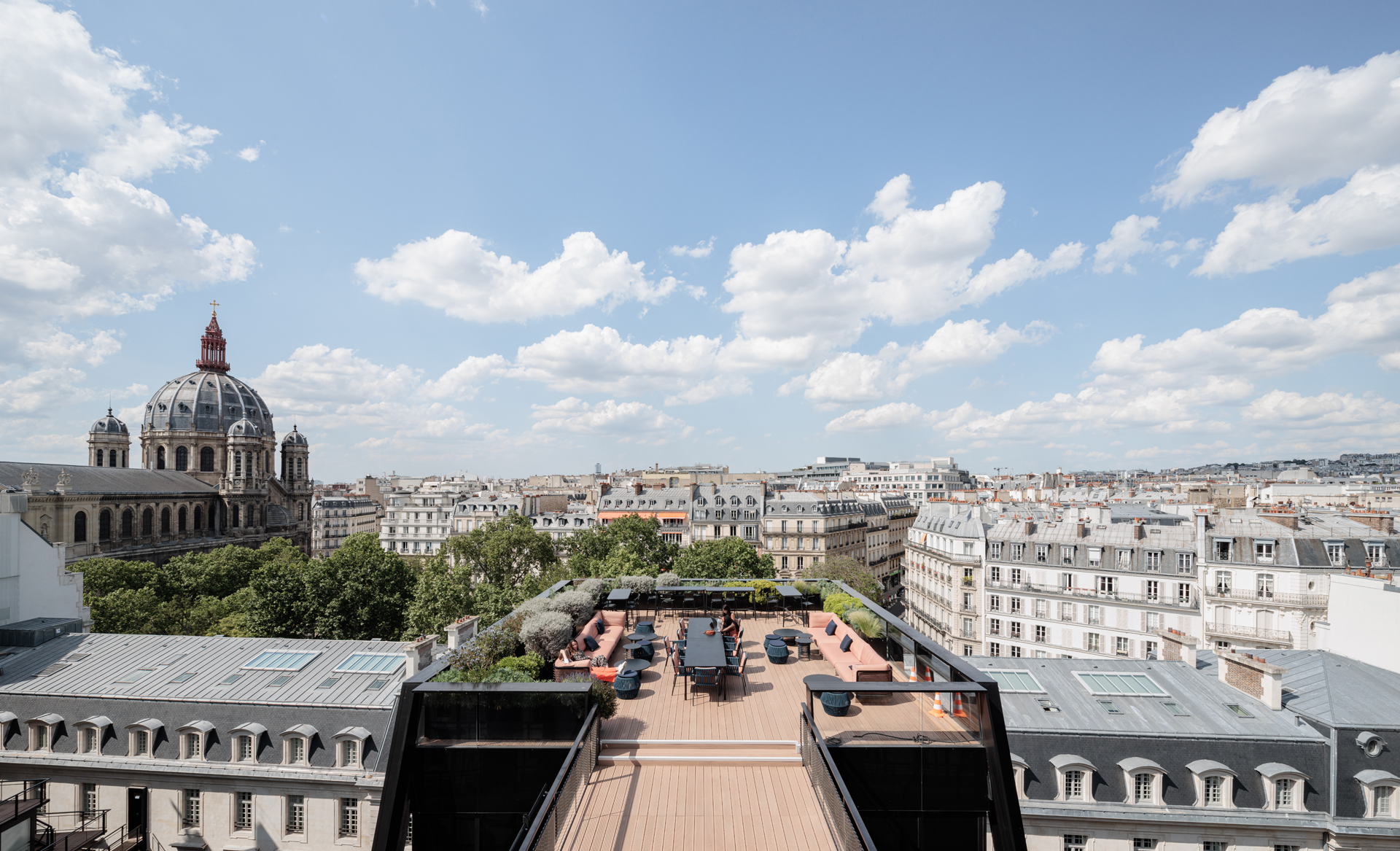
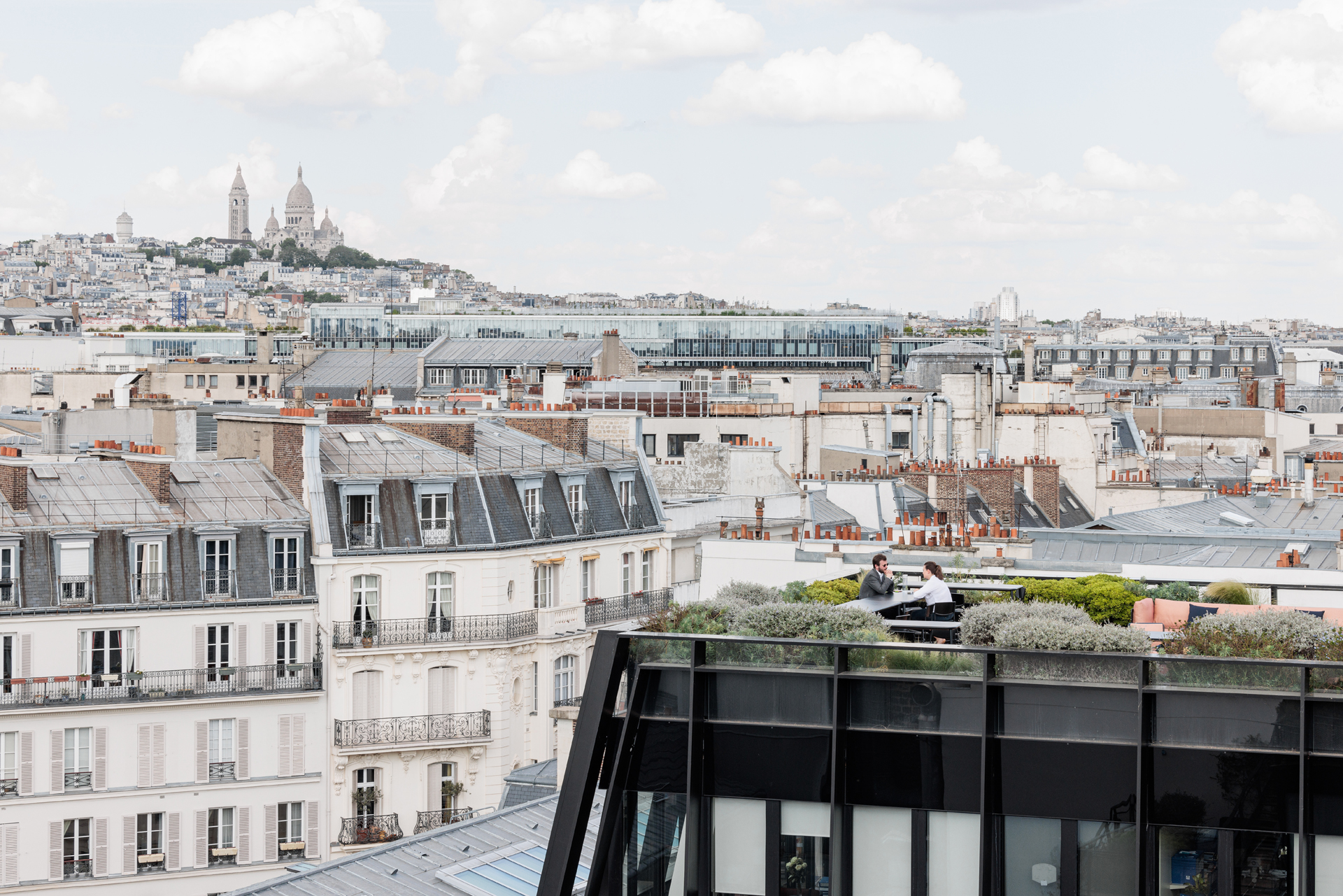
Full-height windows bring natural light into every office. In addition to the central garden, all floors have access to balconies, planted terraces and two rooftops offering panoramic views of Montmartre, the parisian skyline and the Saint Augustin church. Particular attention has been paid to design and furniture to ensure the comfort of users and guests. The double-height lounge, restaurant, working café and library form a genuine living space, complemented by a concierge service and 24-hour gym.
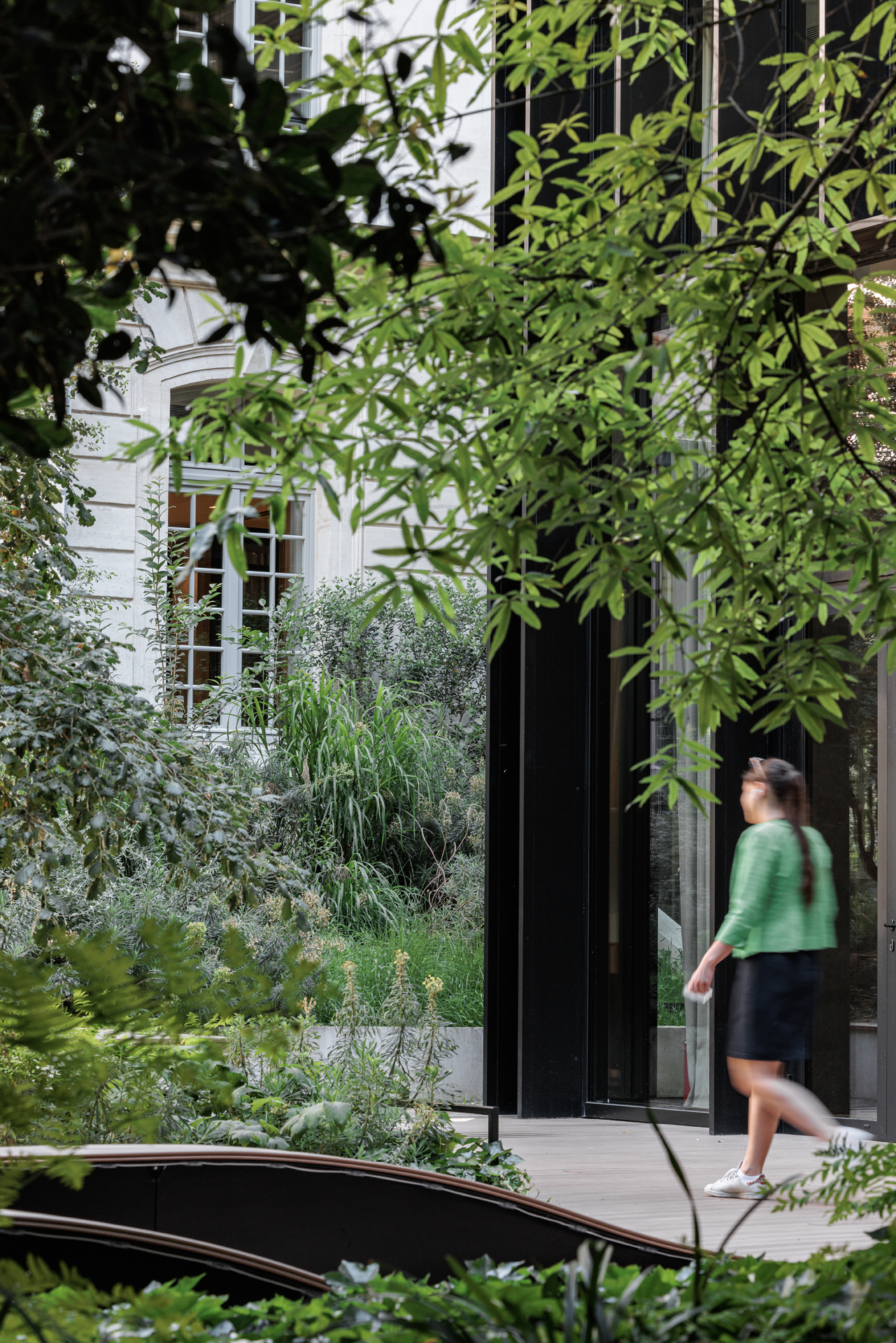
 

Reconnecting the city with nature

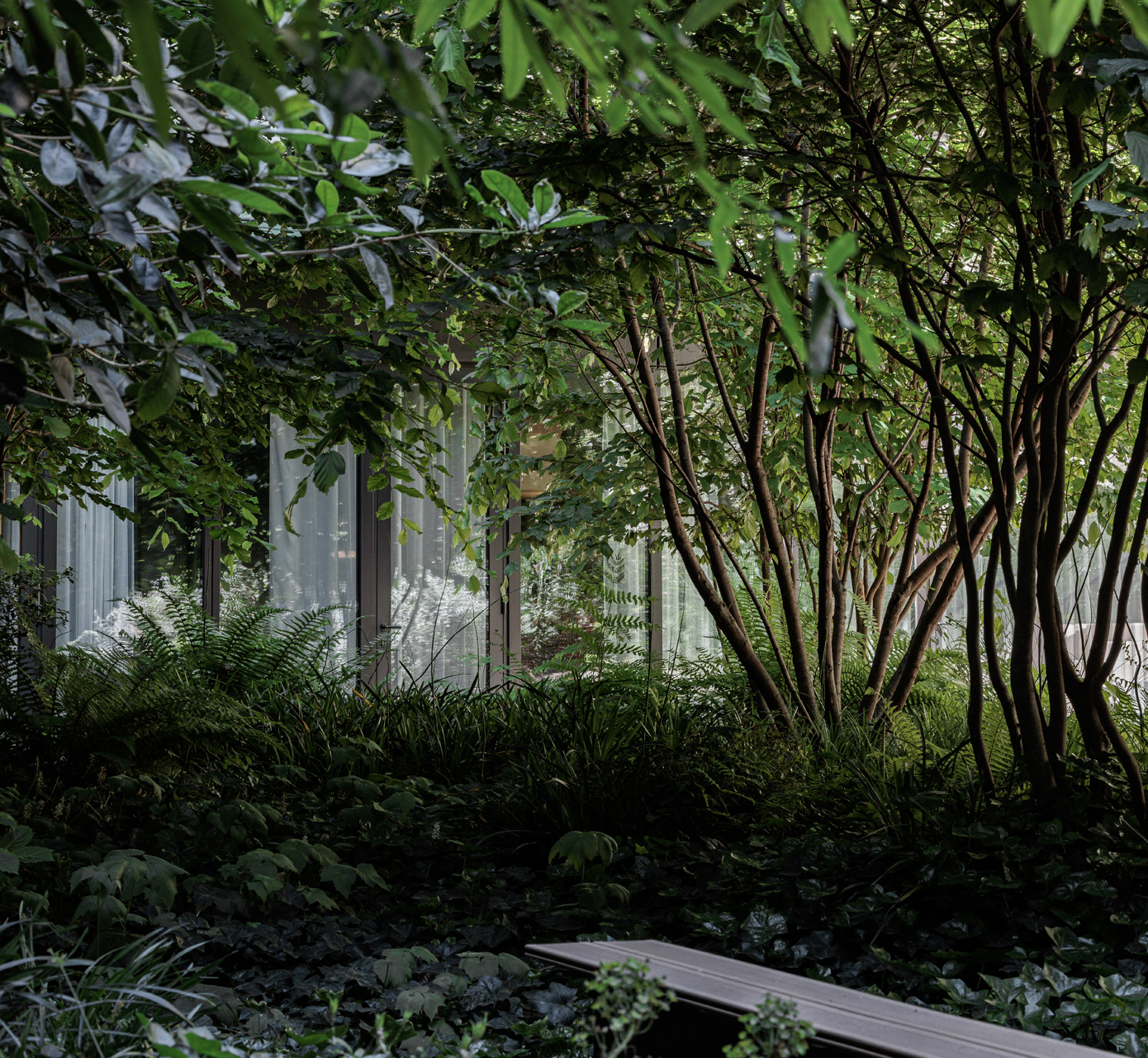
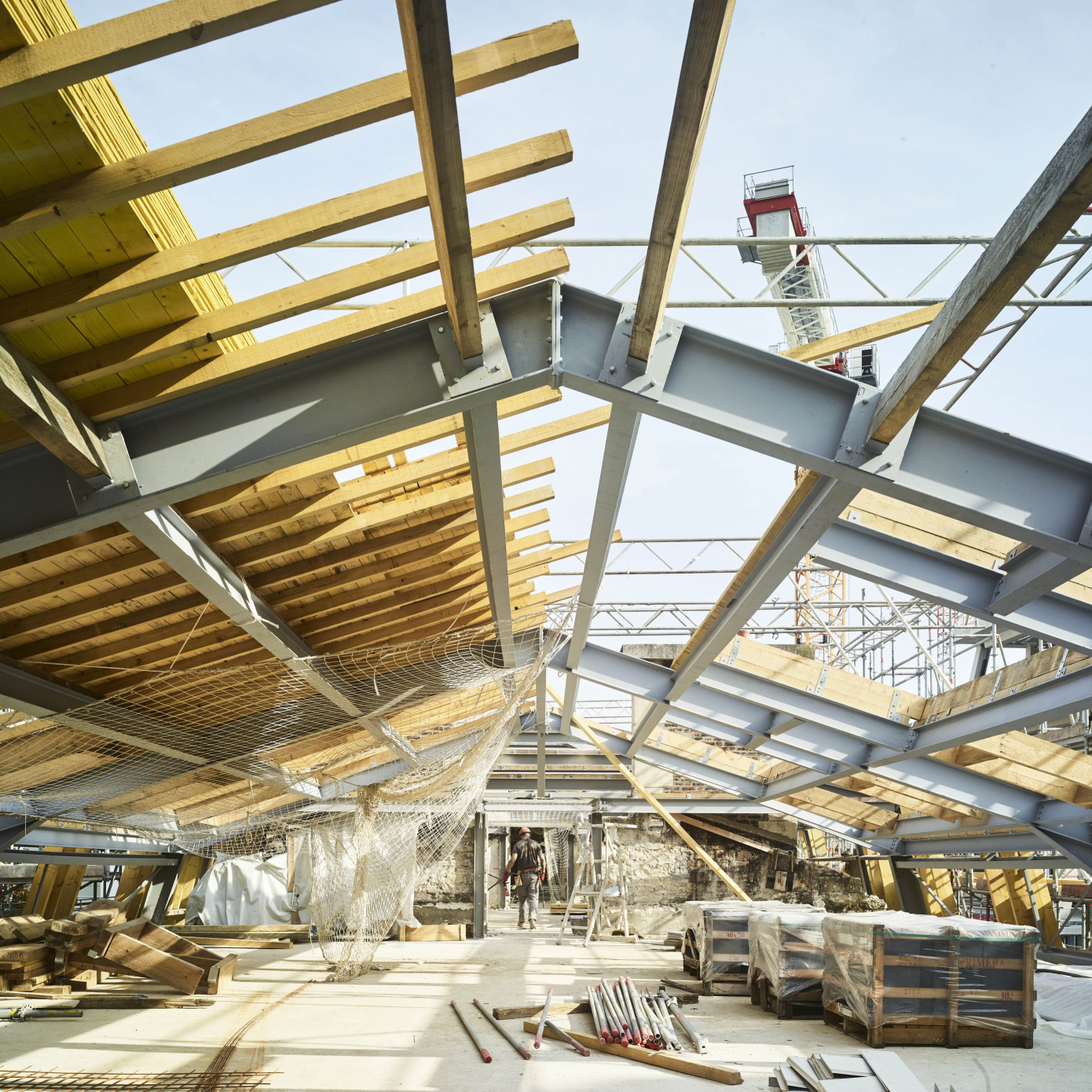
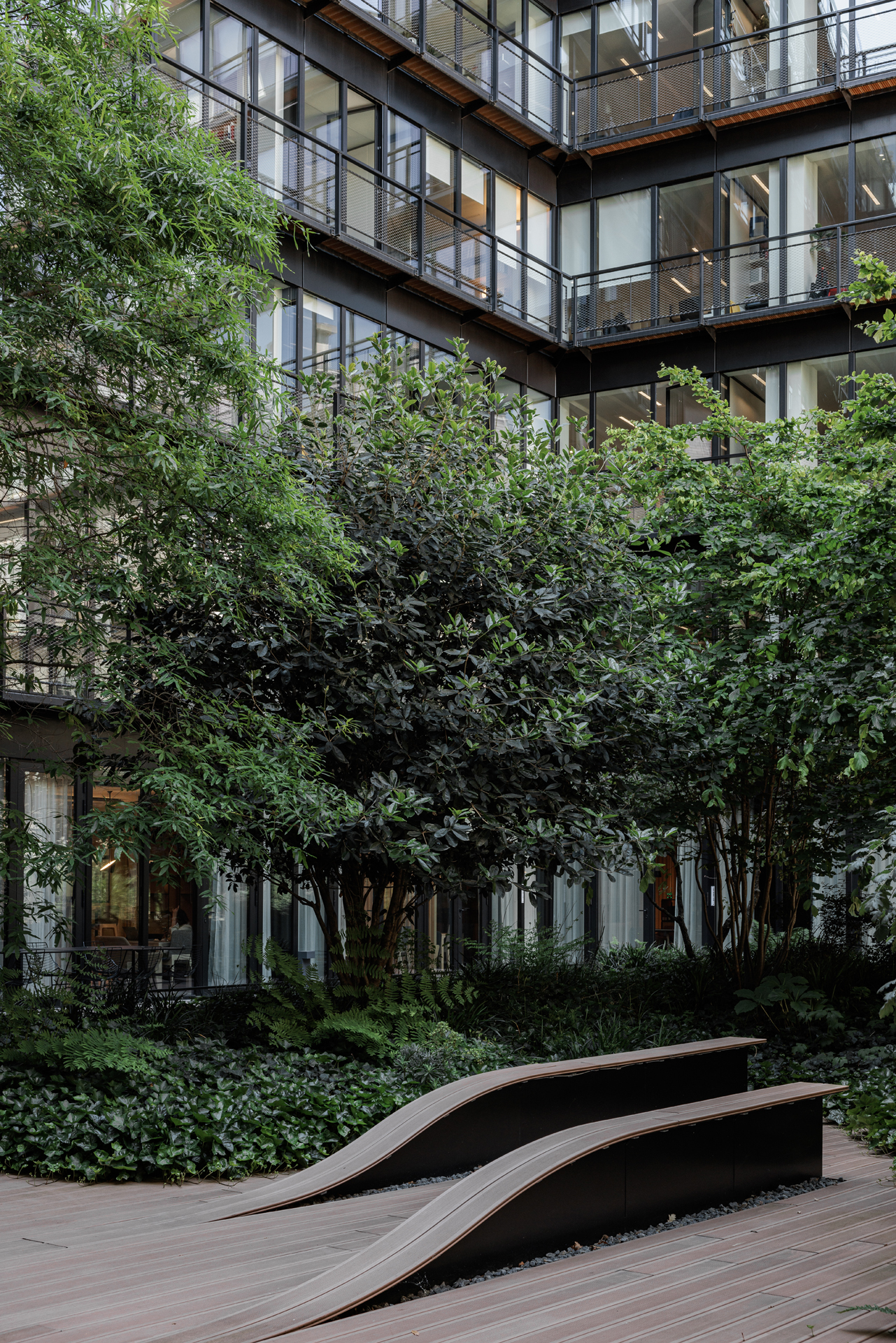
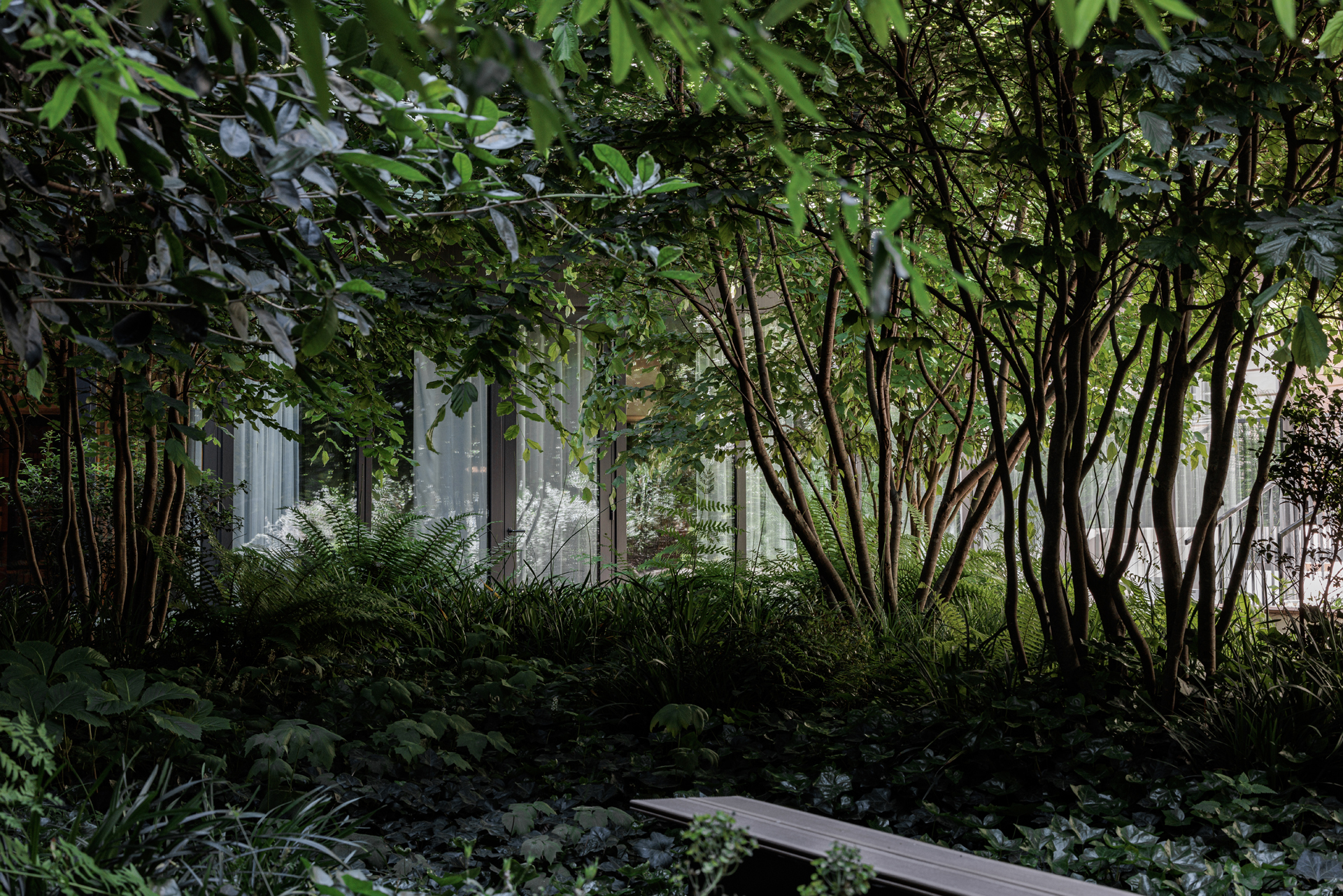
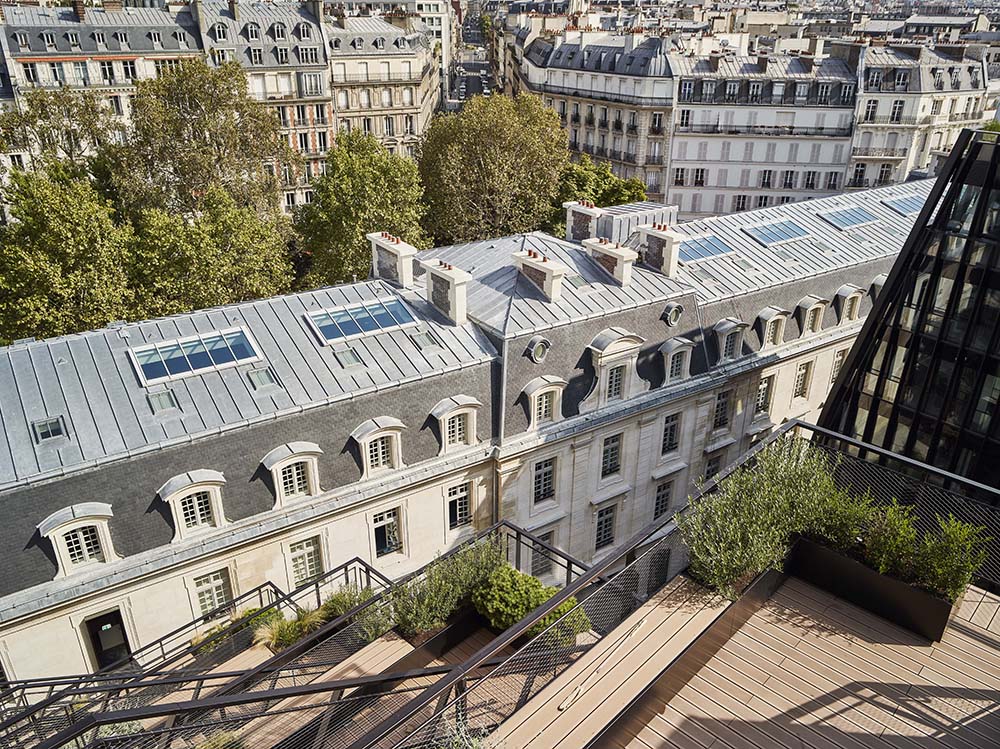
The building’s design is driven by the desire to create a new relationship with nature in the city. The vegetation is no longer cosmetic; it covers the garden, roofs and terraces, creating porosity with the Square des Augustins. It provides comfort, biodiversity and thermal insulation. Freed of its technical aedicules, the roof becomes productive, with aromatic plants managed and harvested by Topager, an urban agriculture start-up. Although food production, consumed on site, remains modest, this greening enhances biodiversity in the city and optimizes rainwater management. The central courtyard is generously planted, inviting everyone to sit down for lunch, chat and work. The landscaping project was designed by La Superstructure, a collective selected in collaboration with the management of the Chaumont Garden Festival.

Interior design

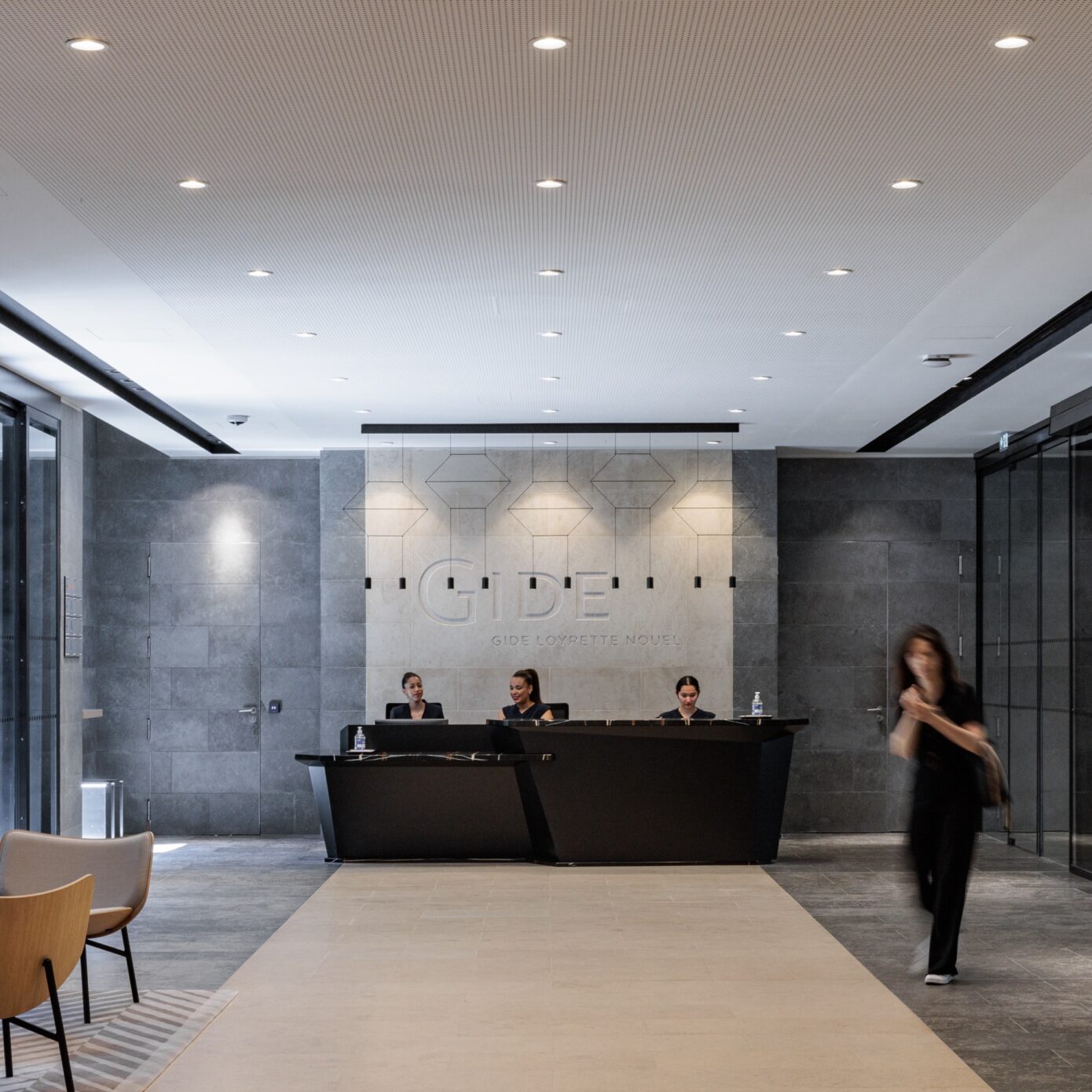
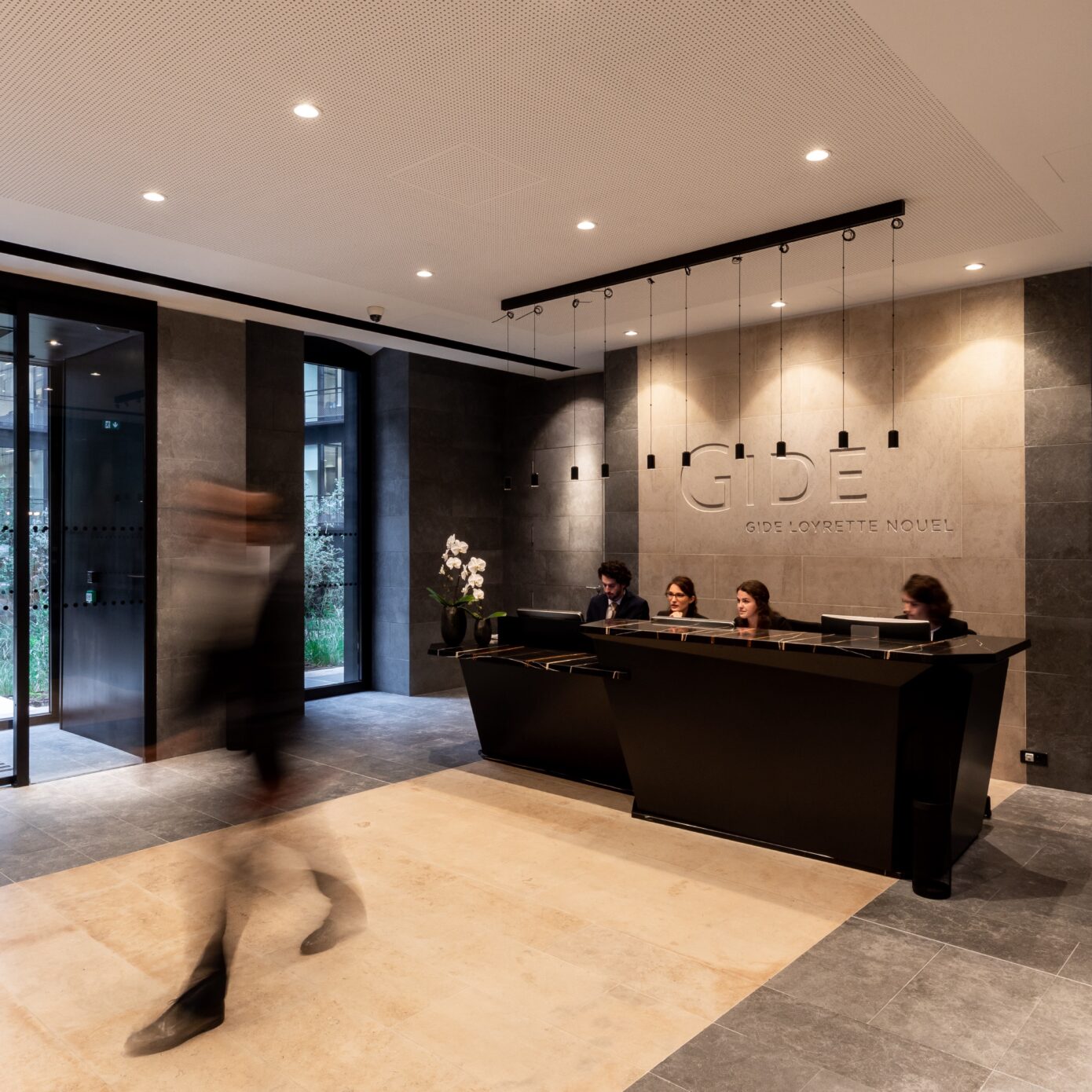
Resulting from the close collaboration between Gide and PCA-STREAM, the interior architecture is founded upon the major values embodied by the law firm: excellence, innovation and the French art of living.

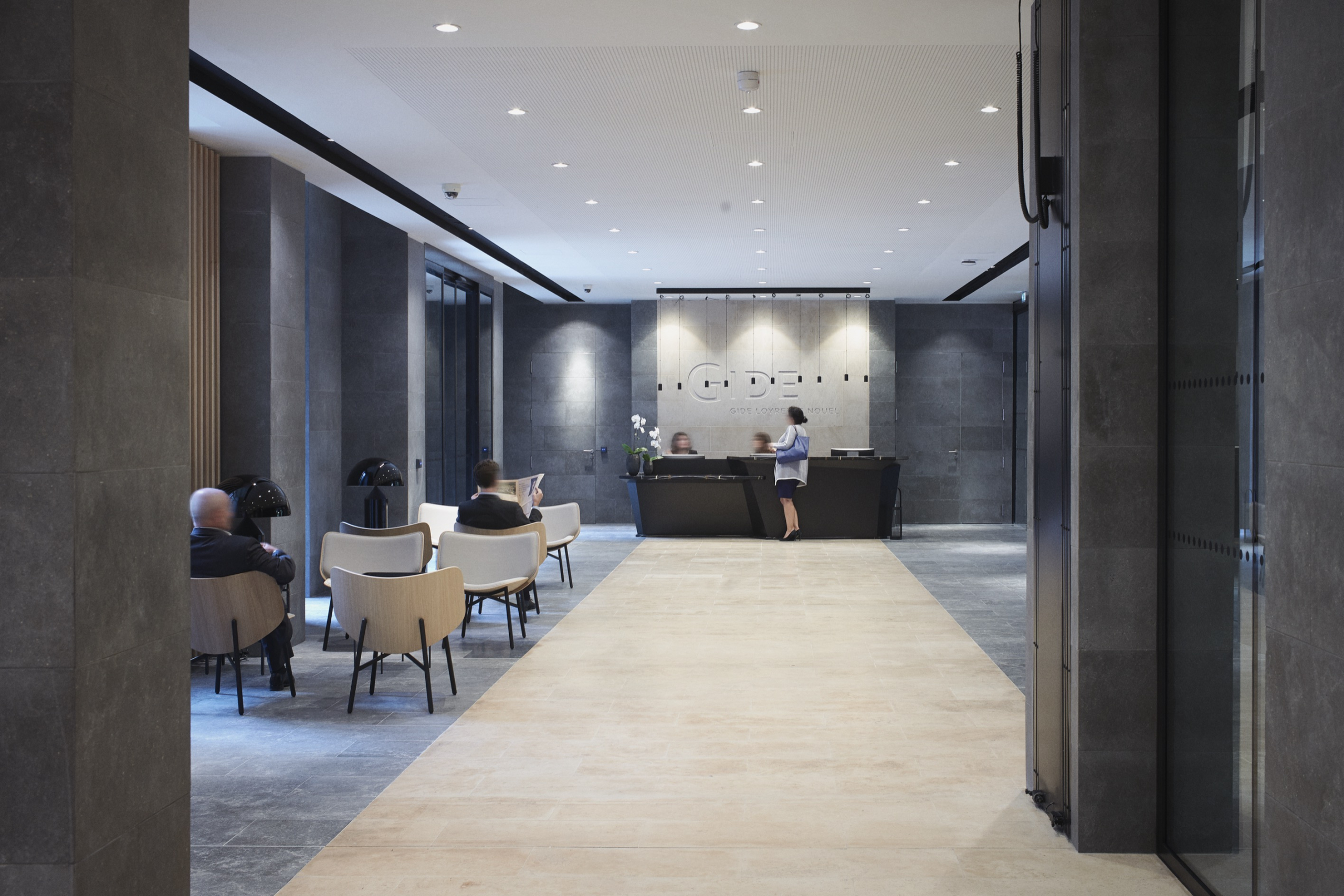
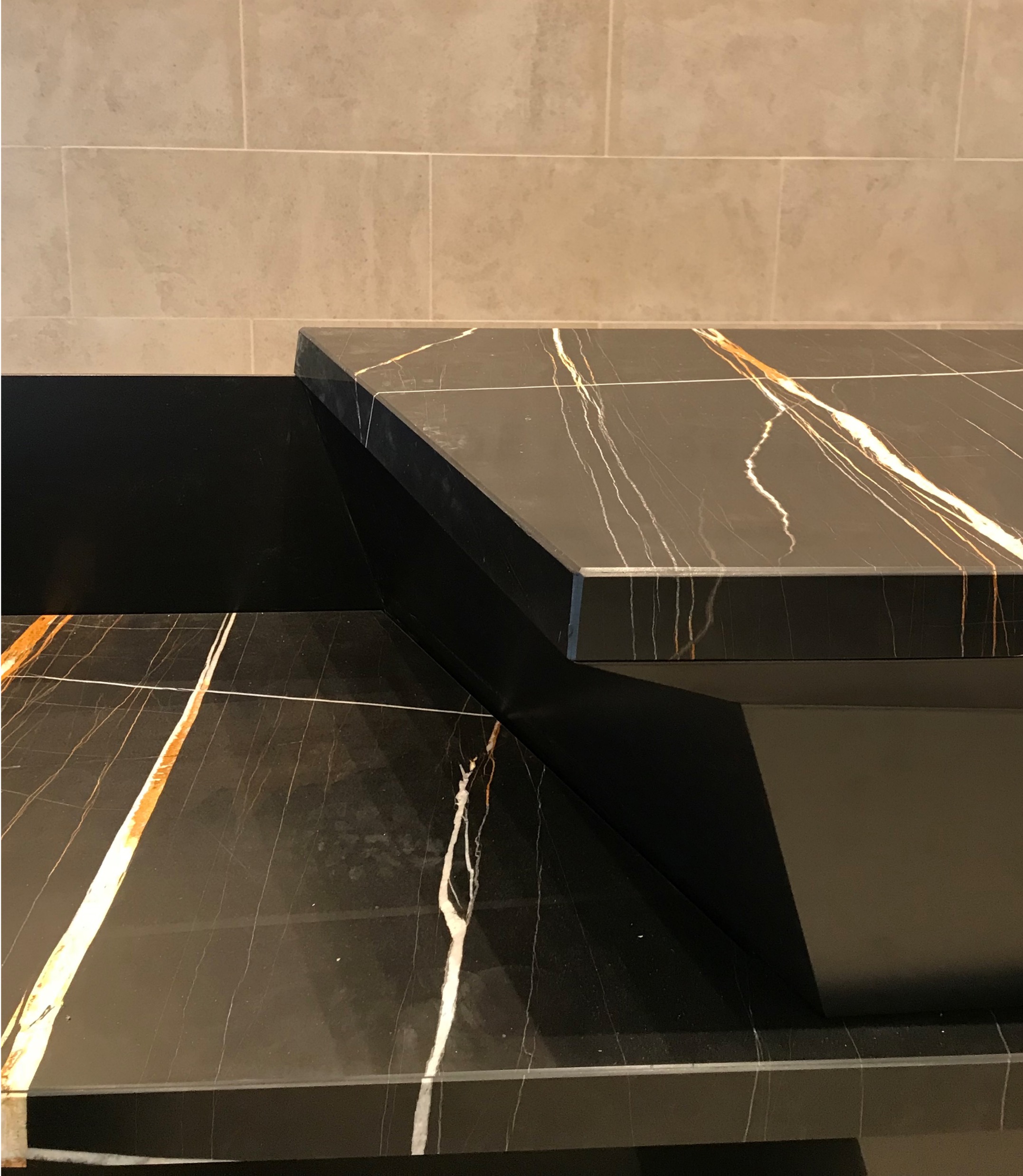
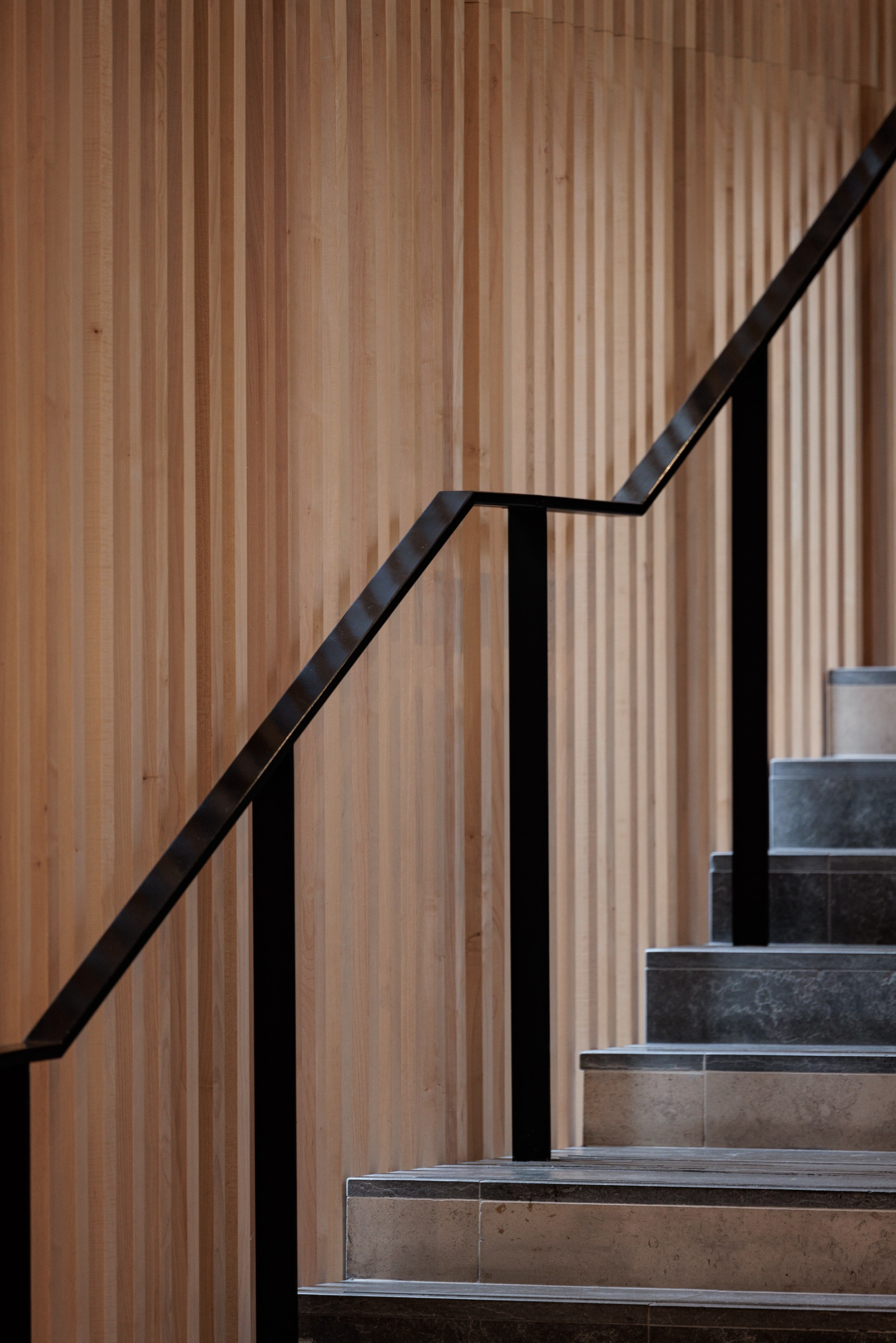
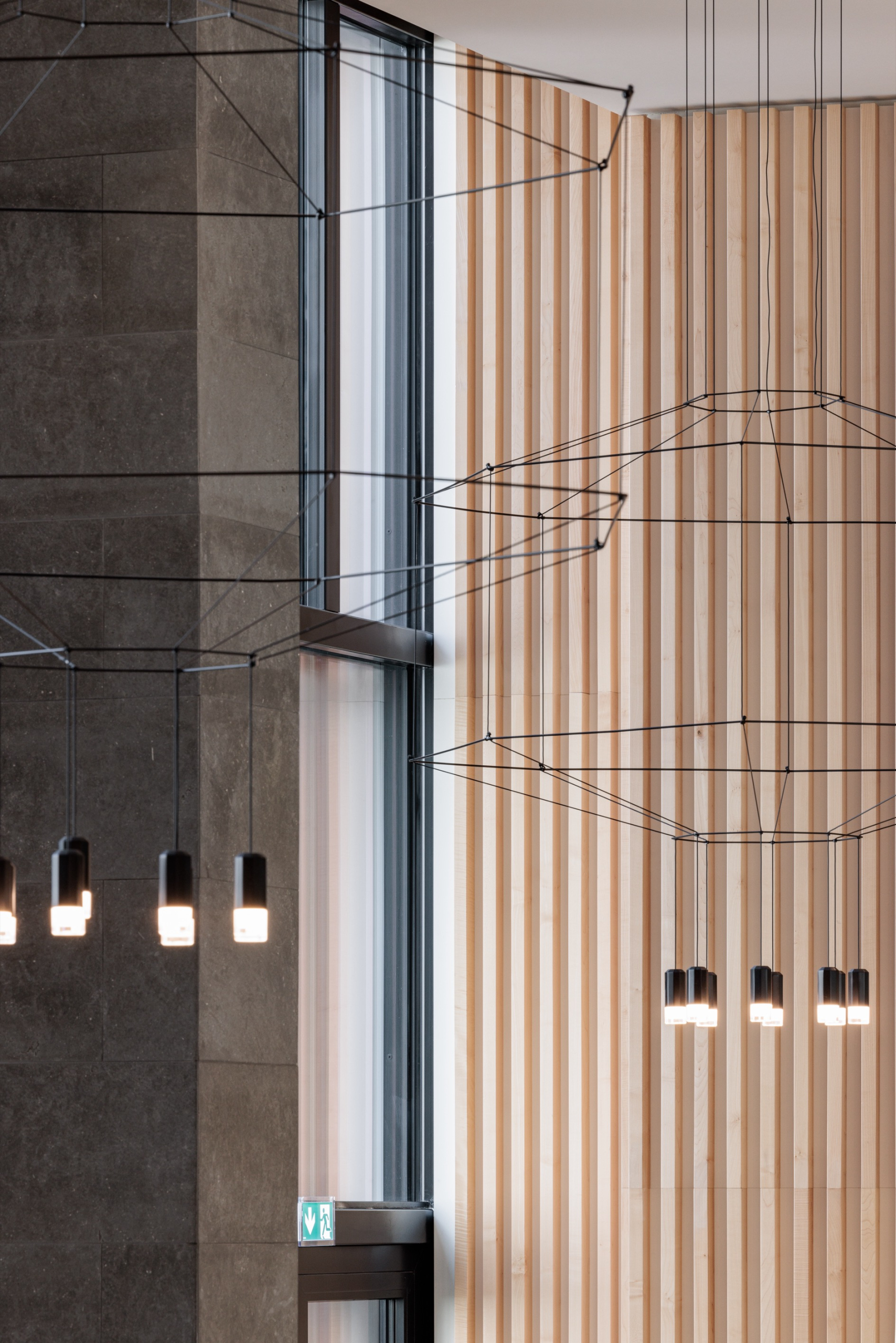
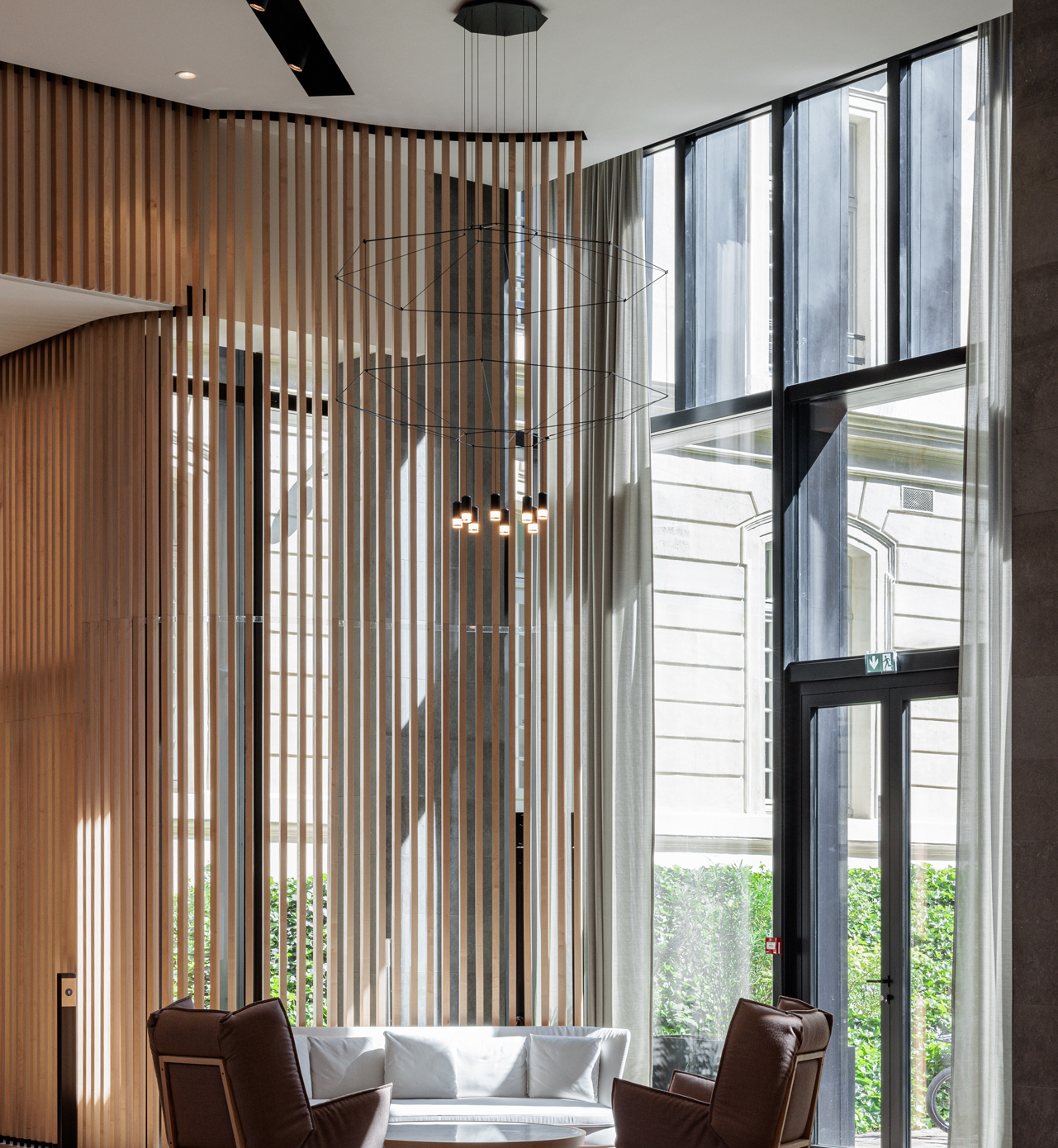
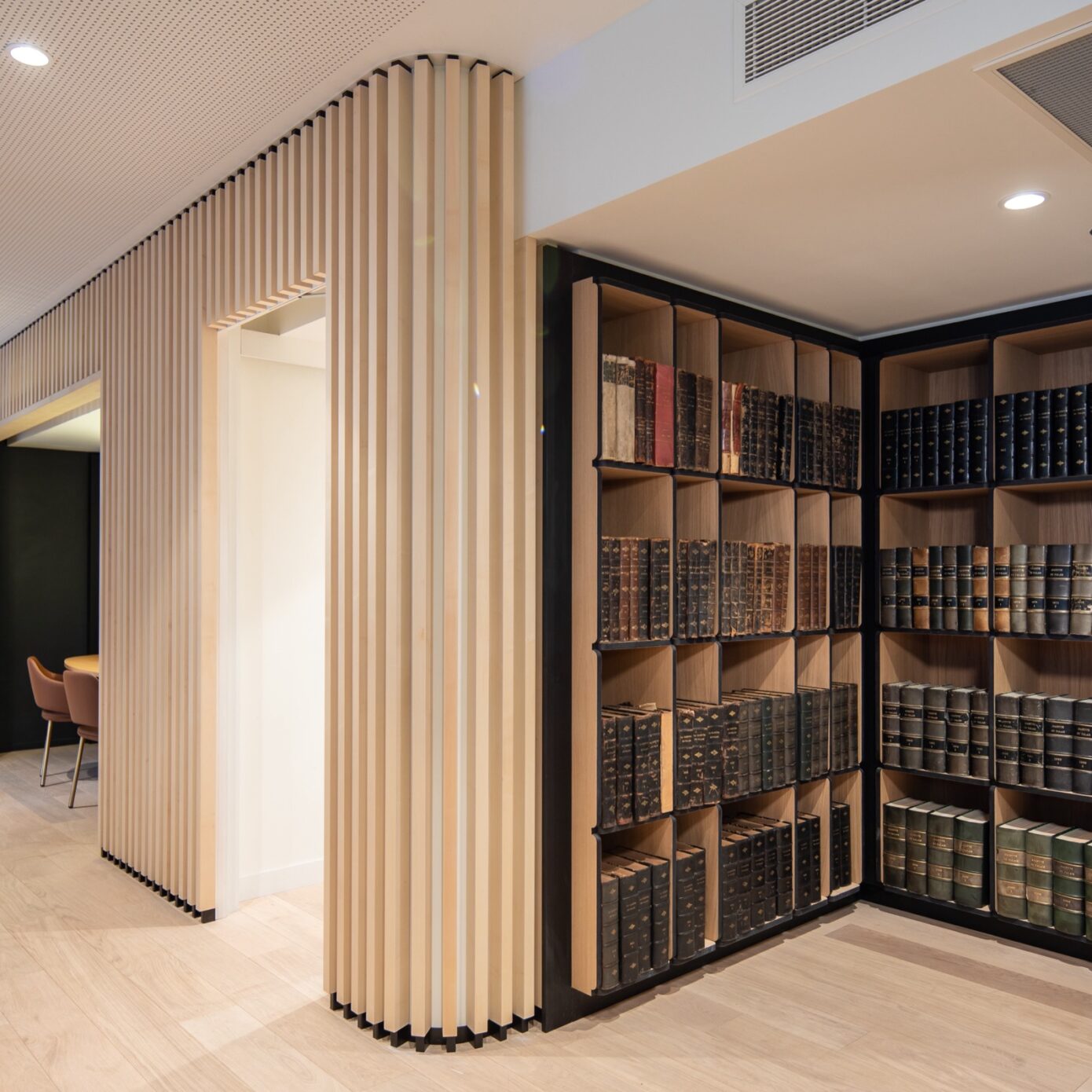
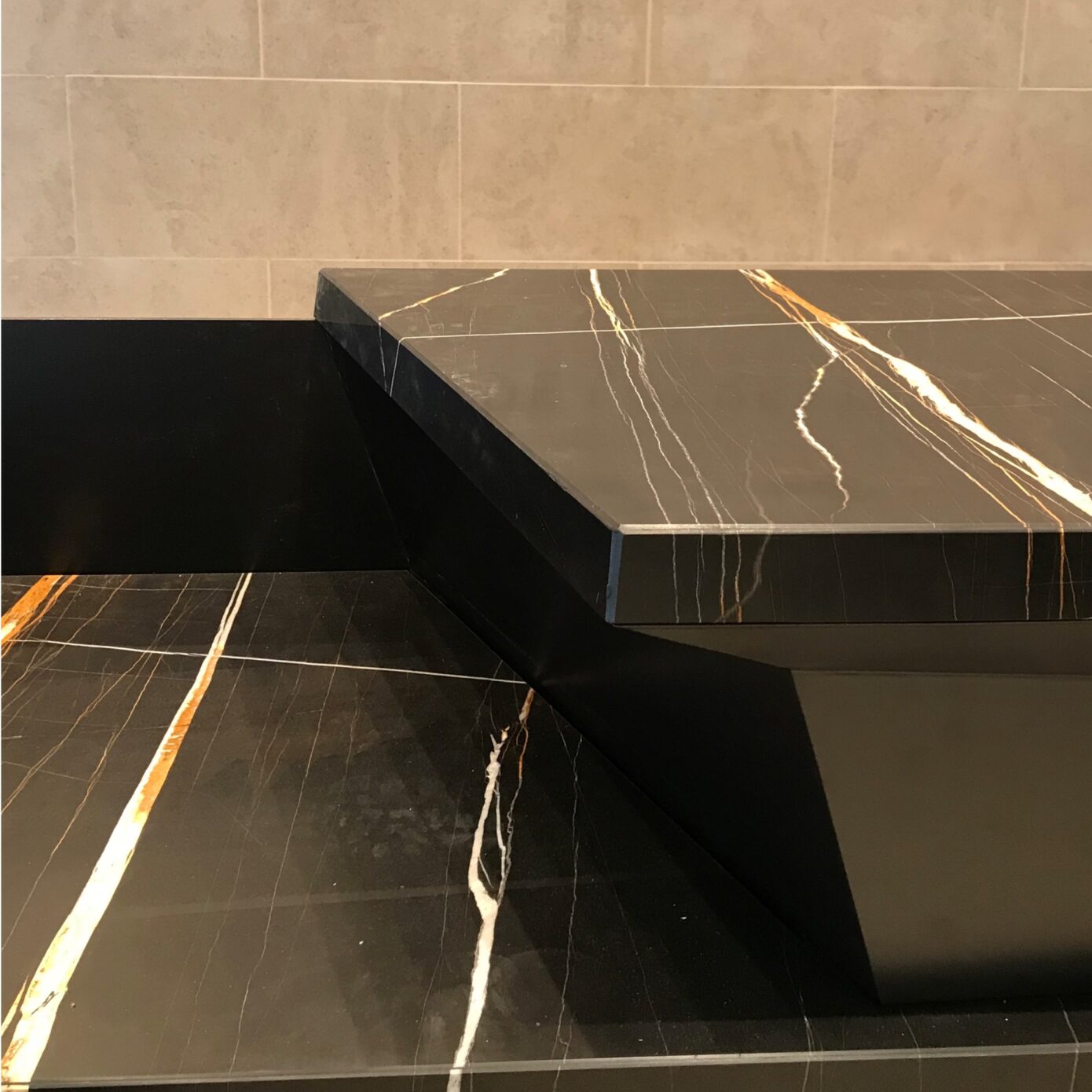
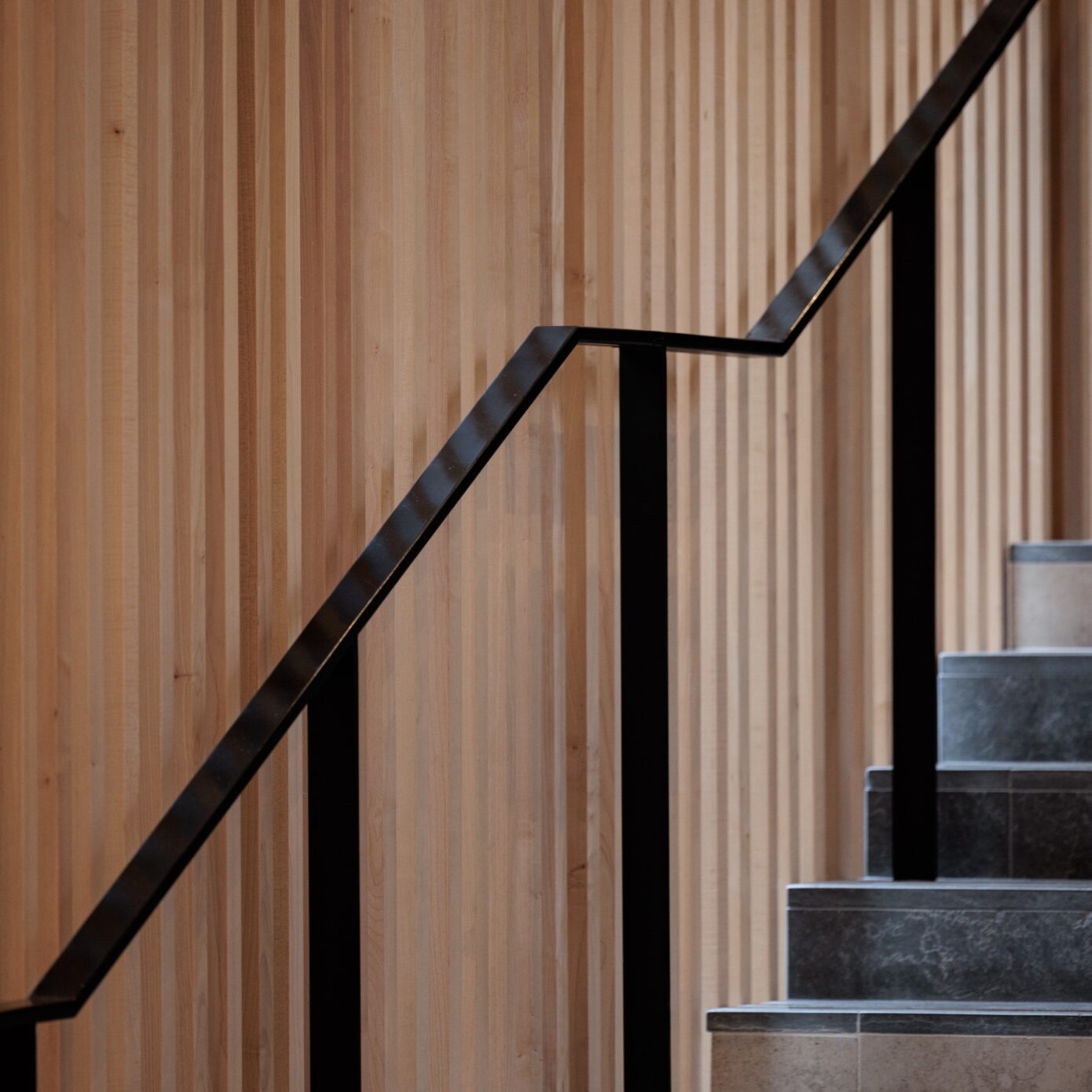
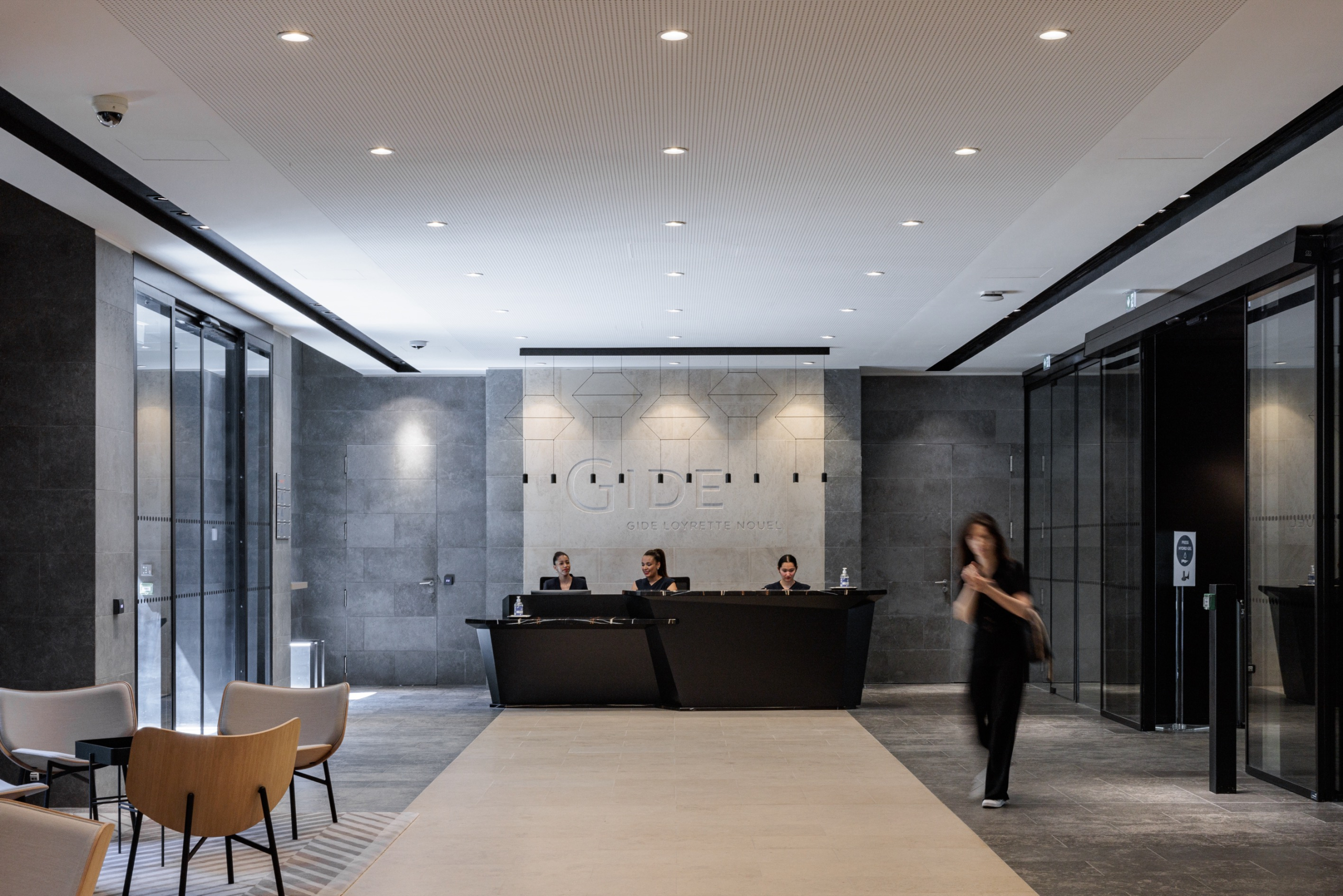
The project, therefore, uses materials that are noble without being ostentatious: Charmot, blue Buxy limestone, and marble, with antique brass for the metalwork. Like a red thread, the sycomore bracket provides the project with rhythm.
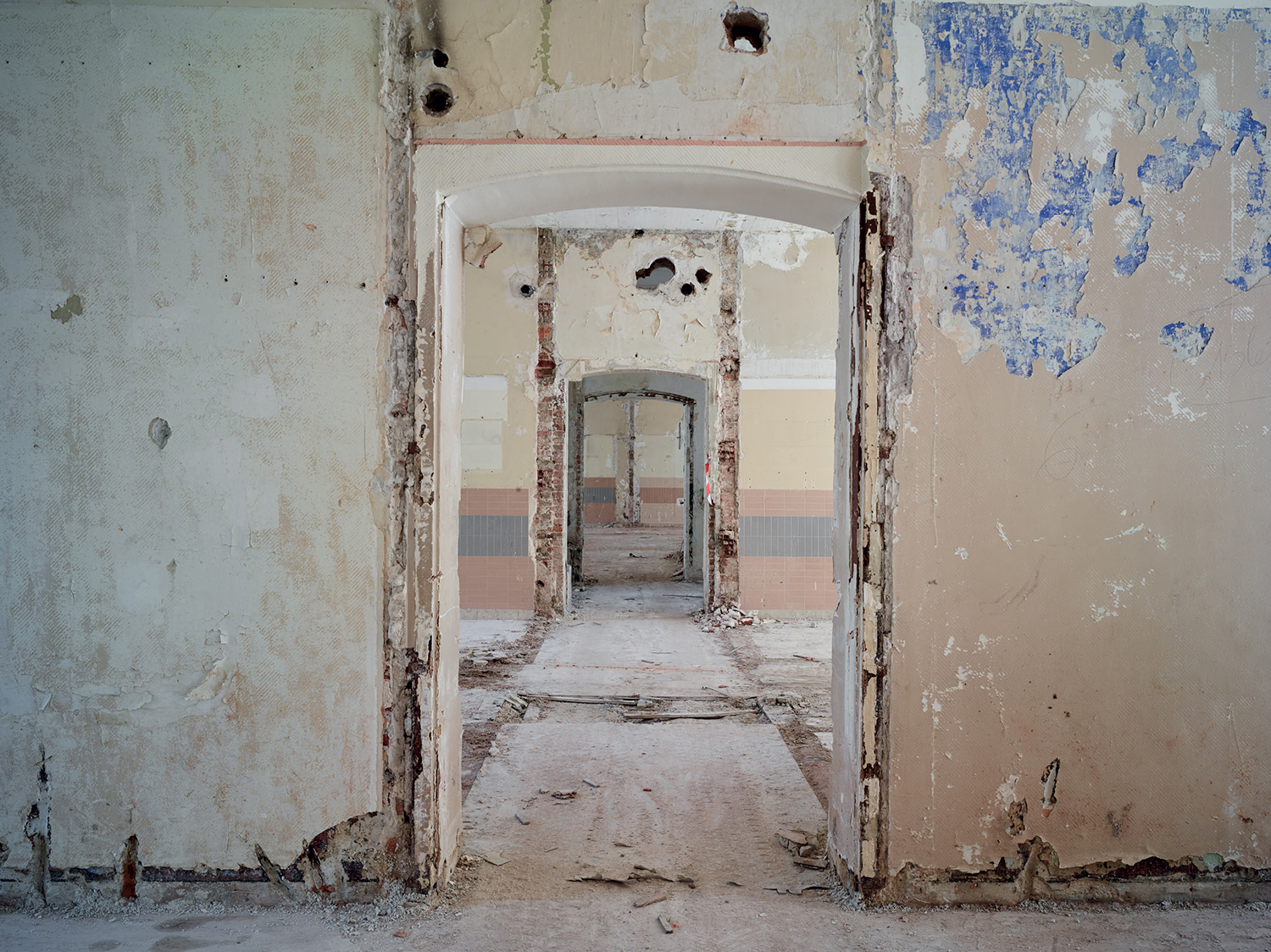
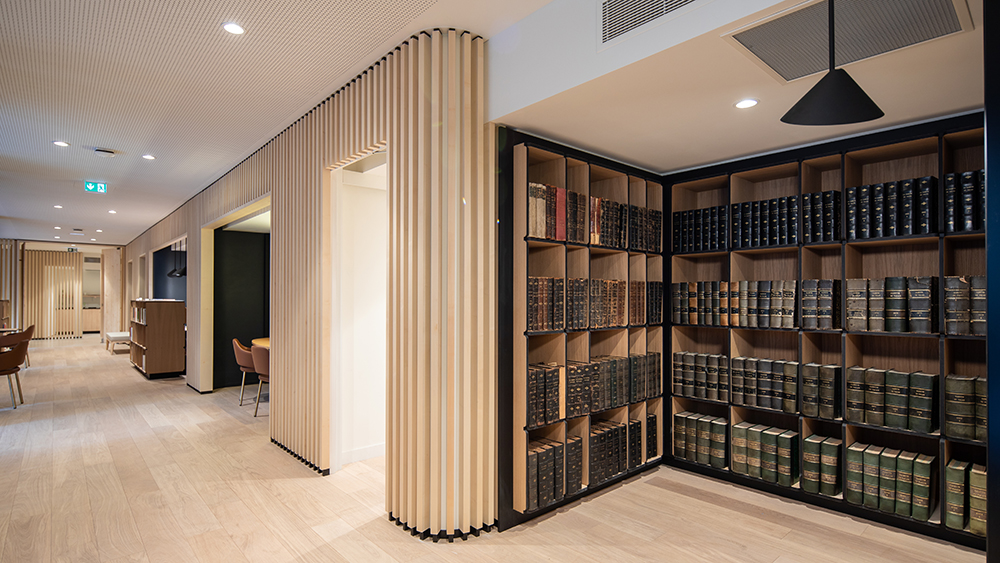
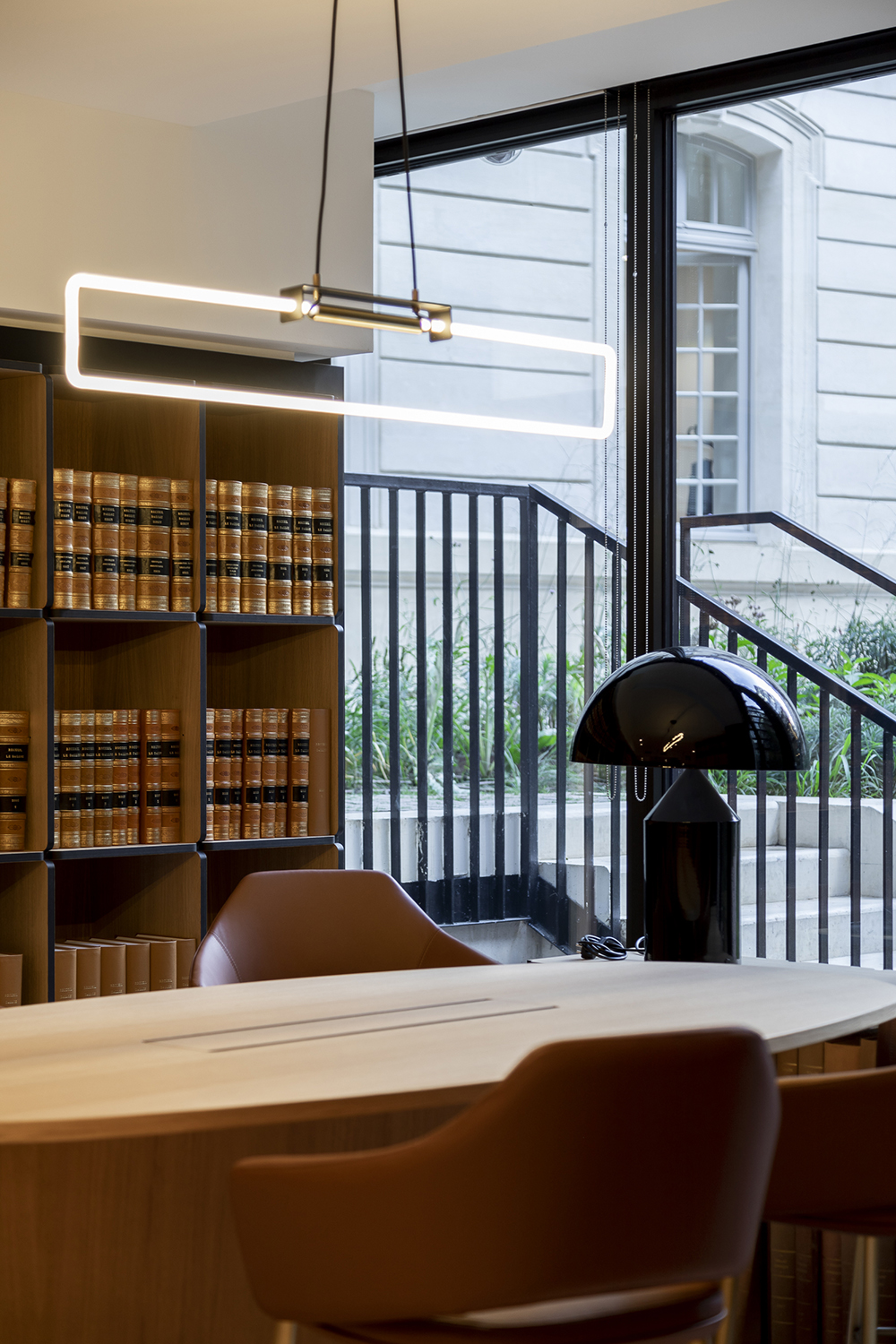
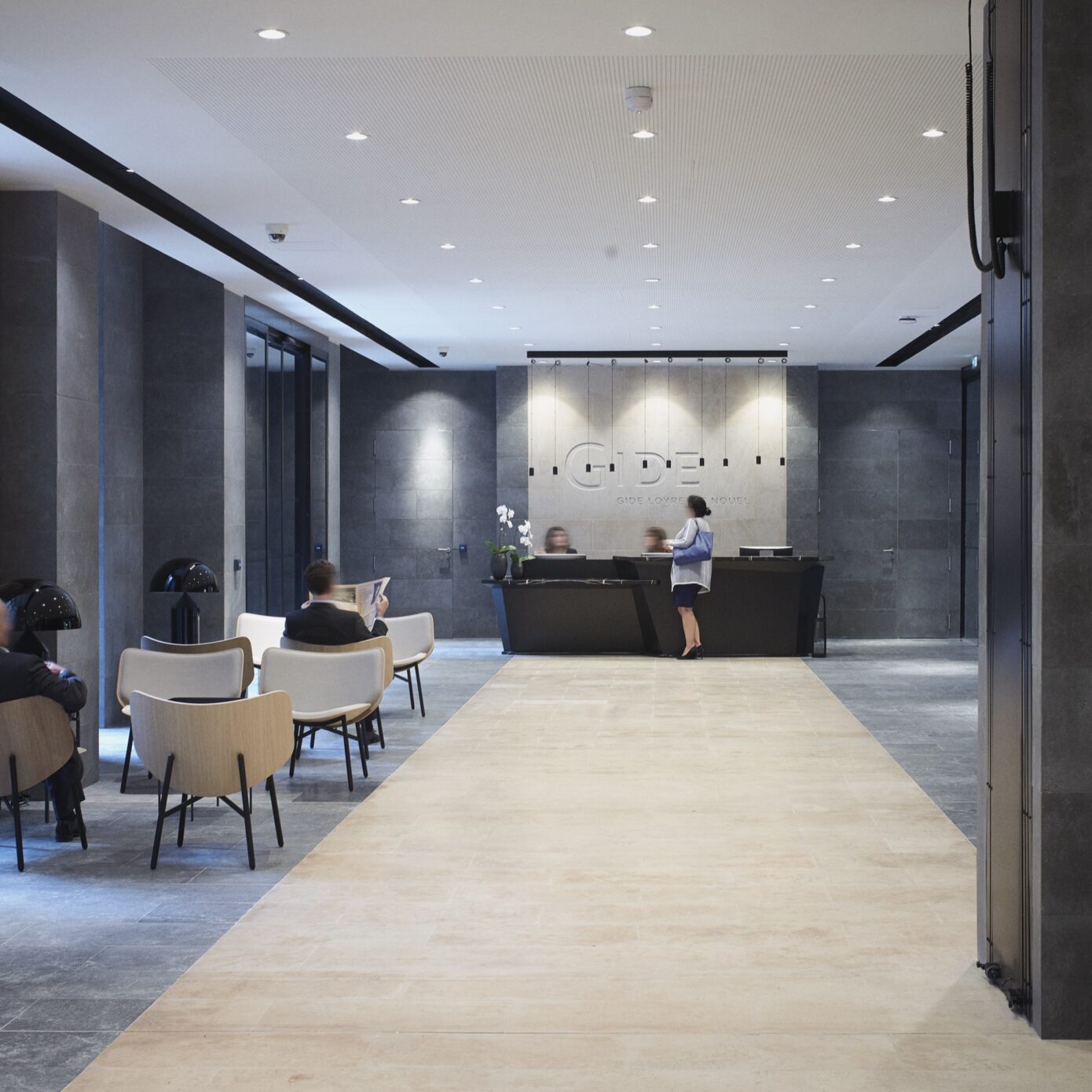
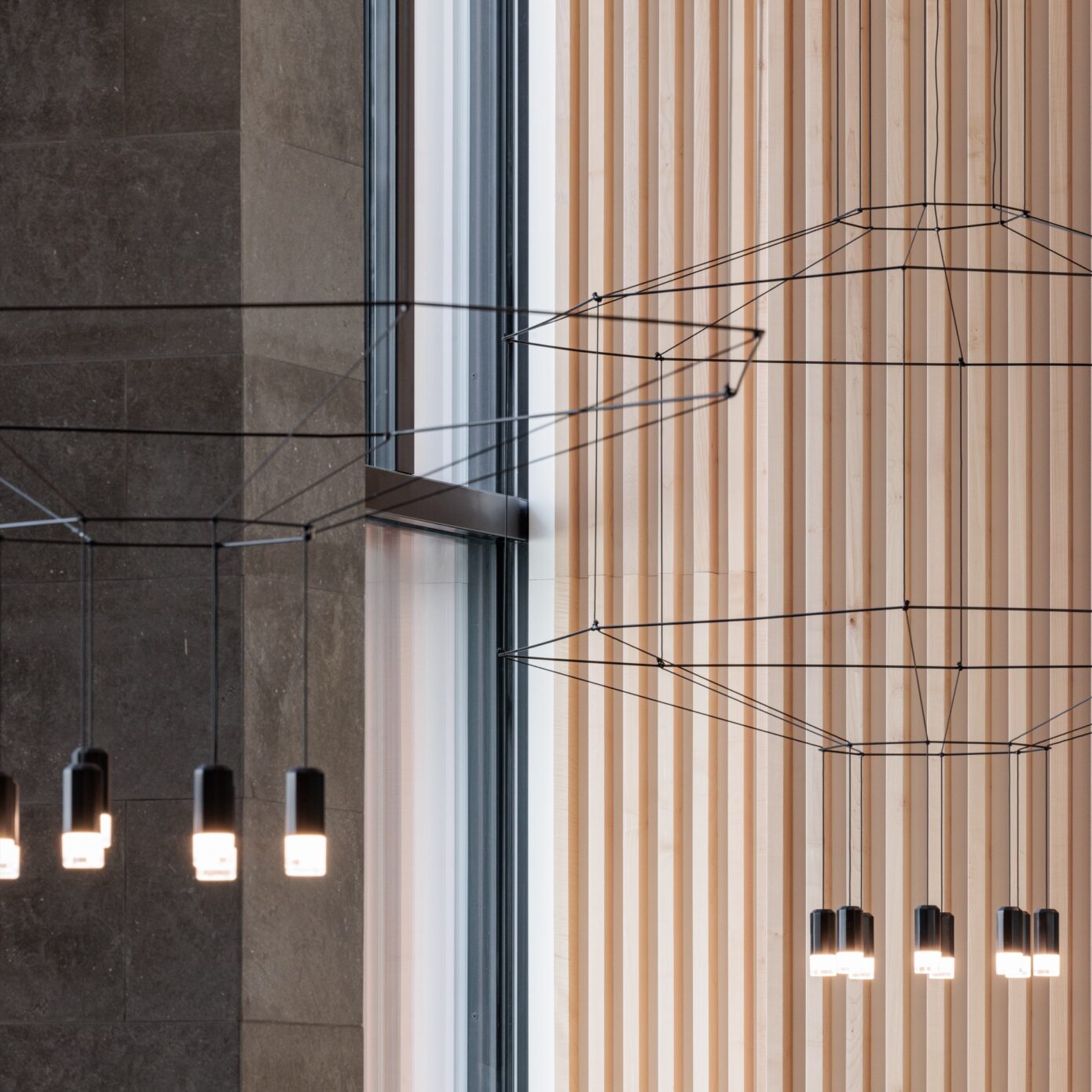
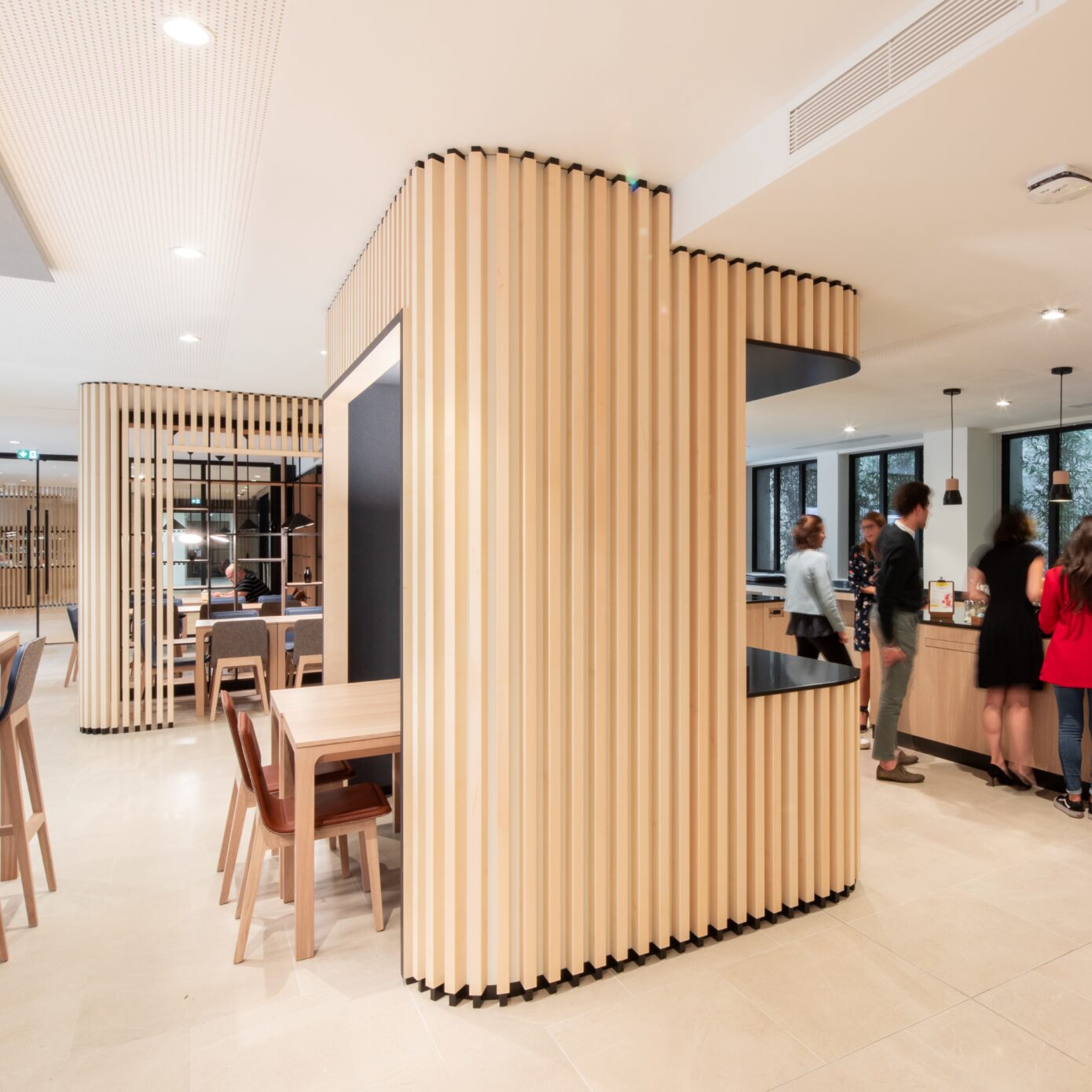
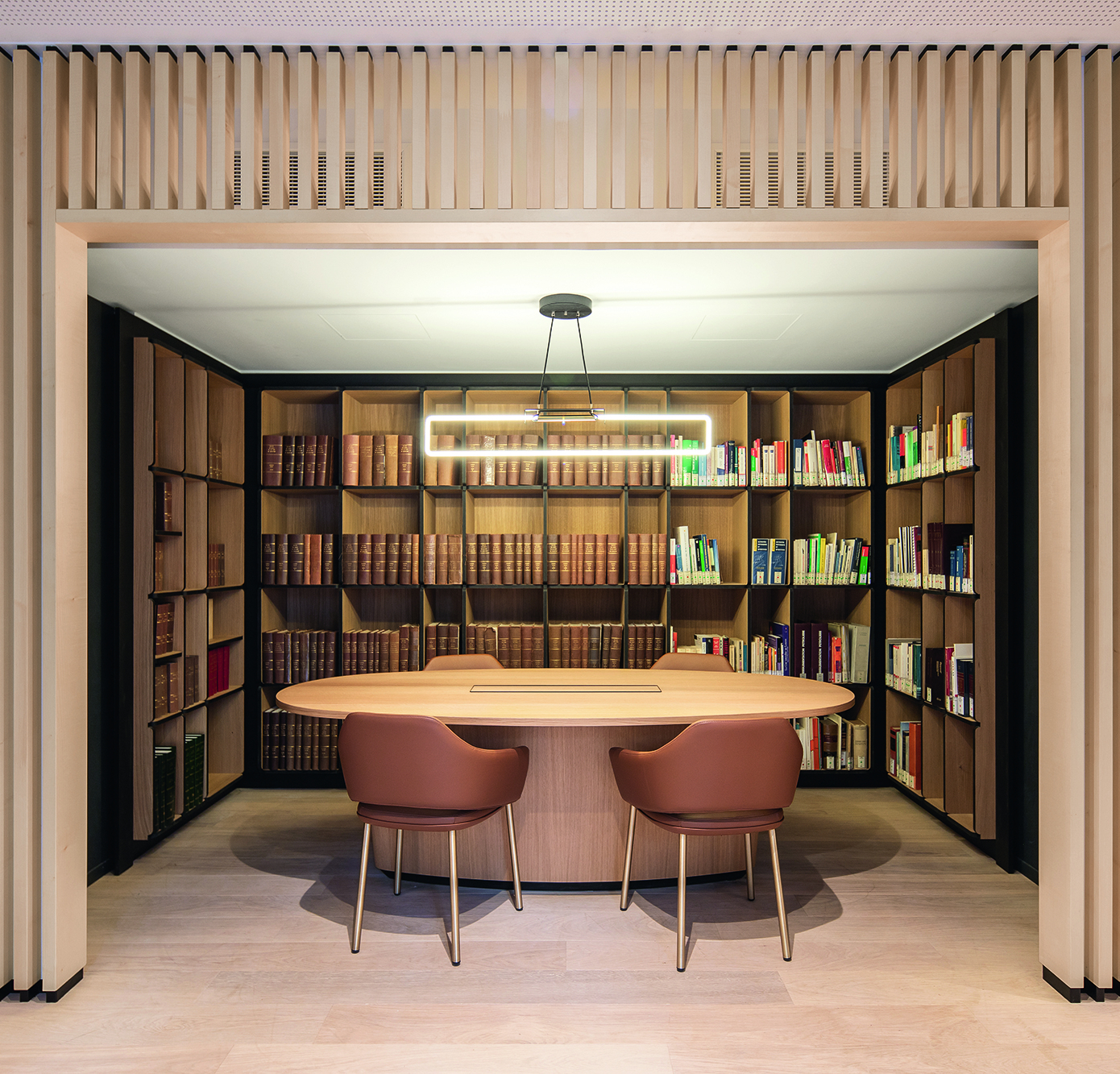
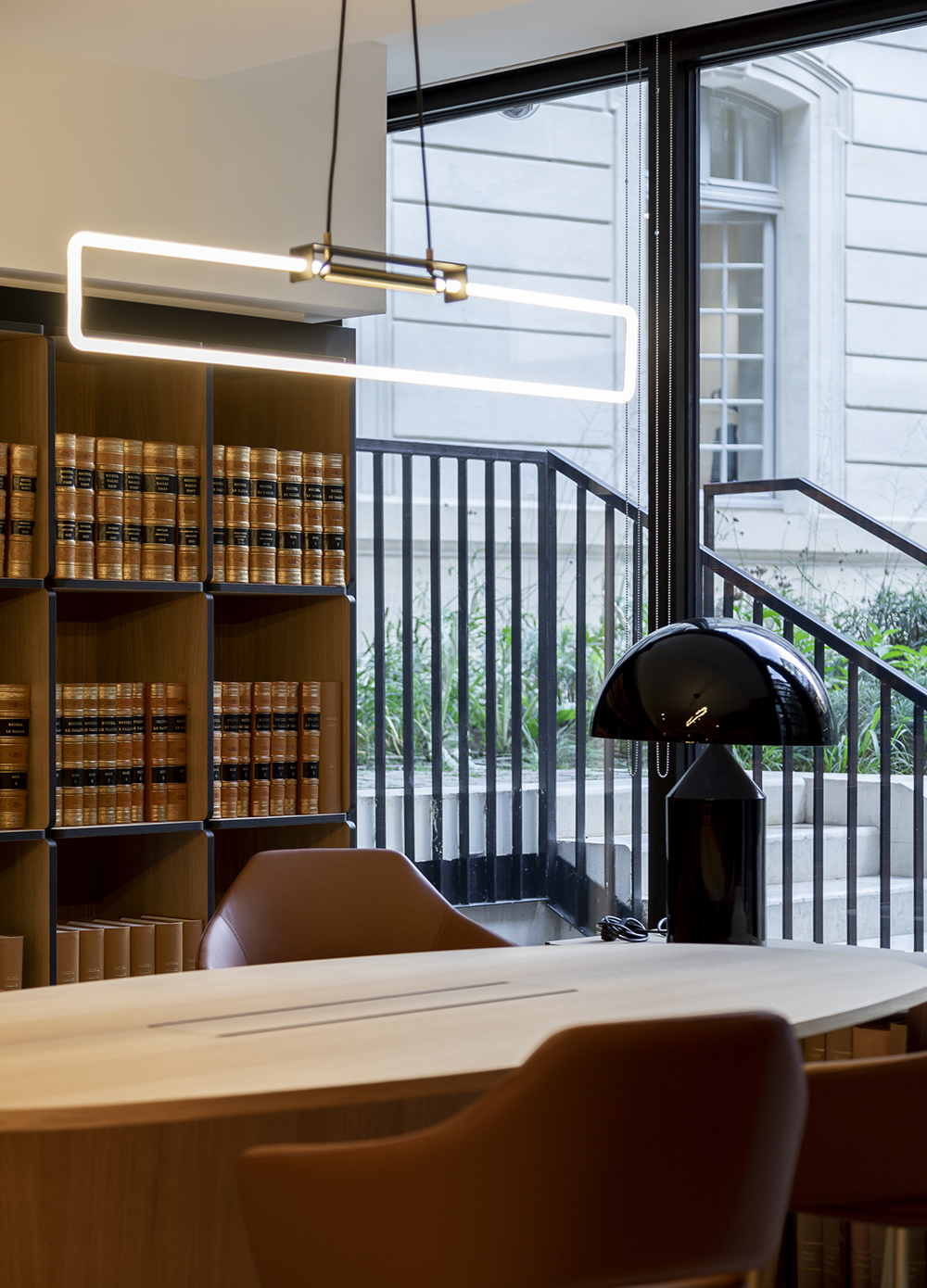
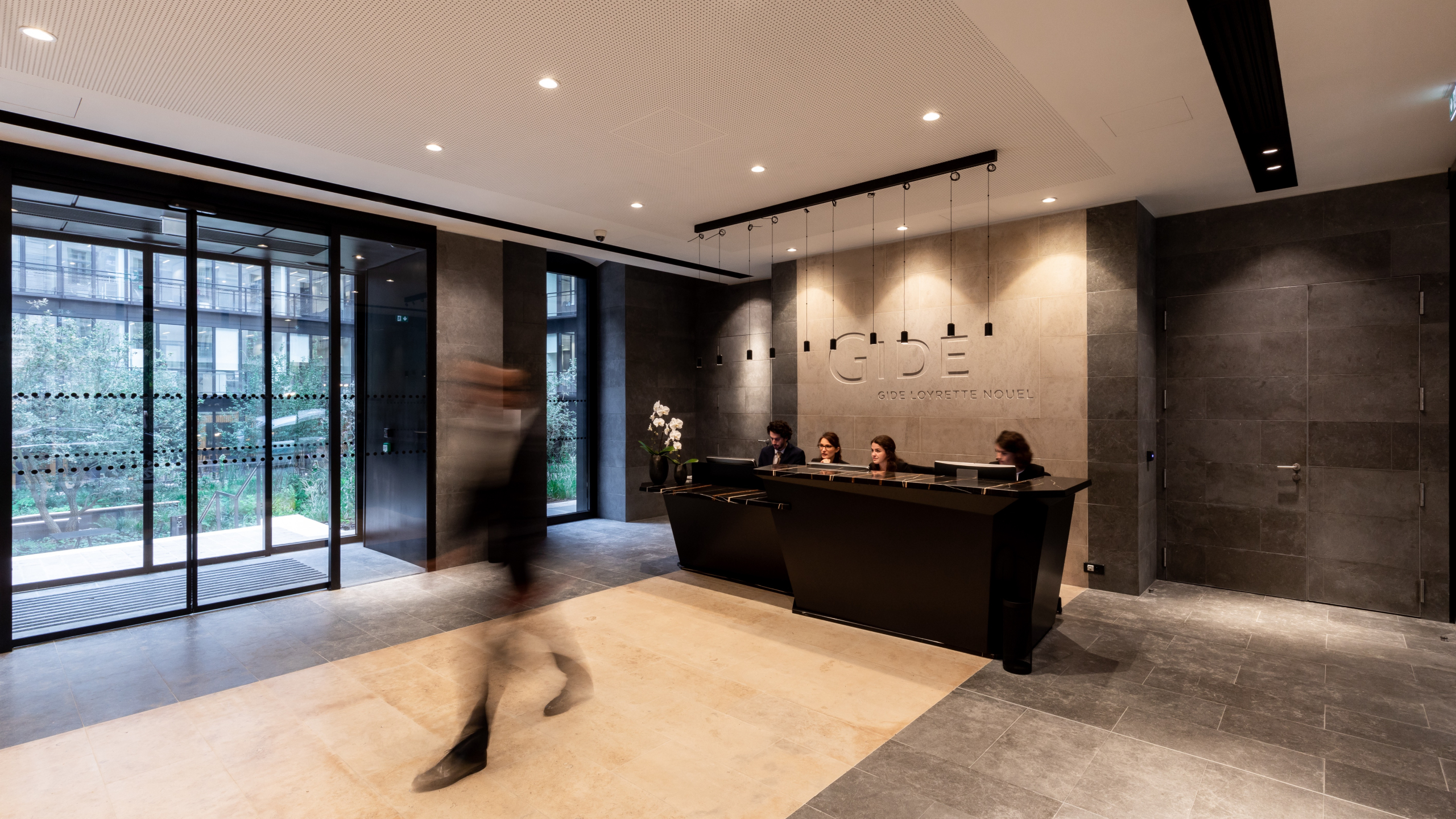
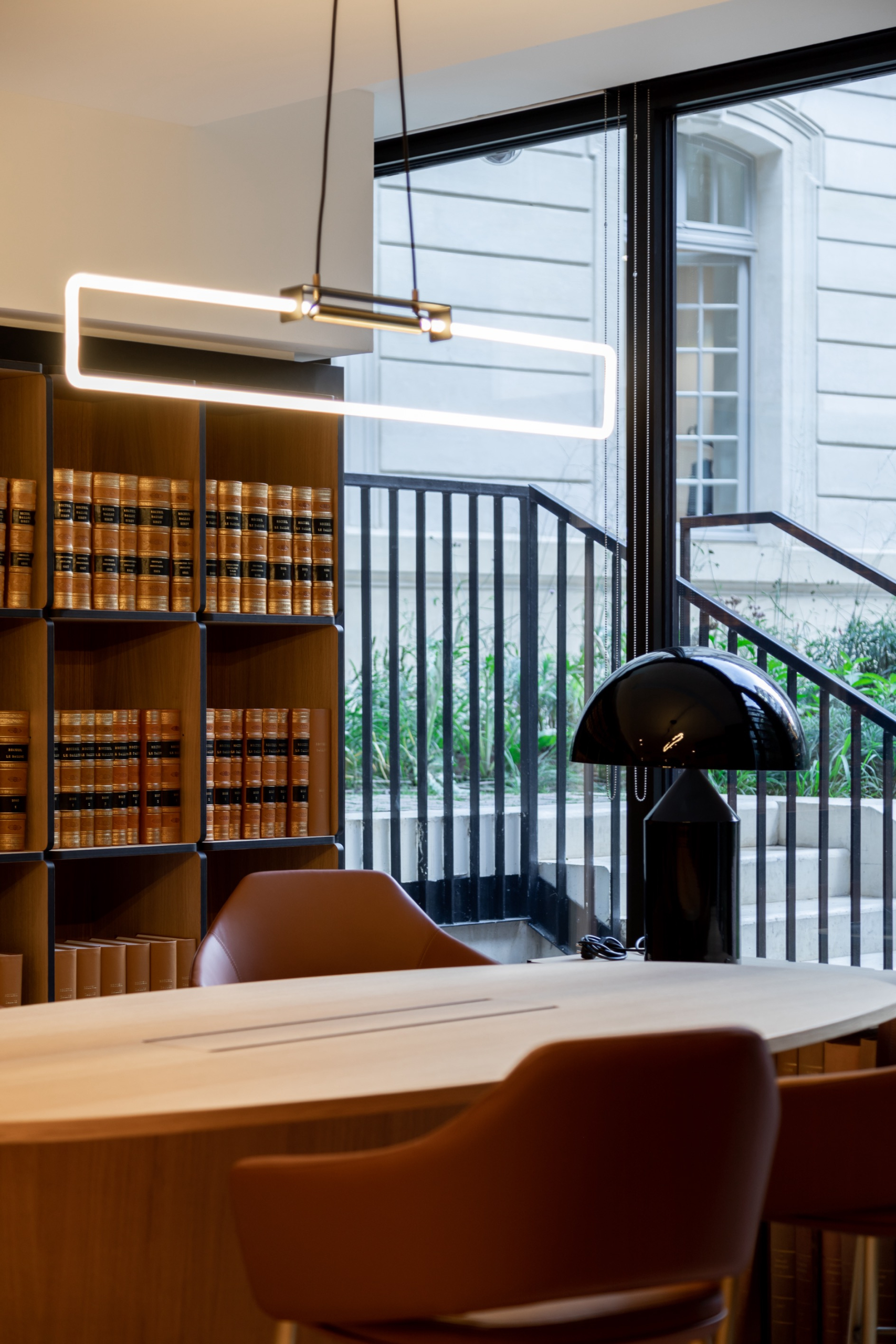
The common areas reuse the aesthetic codes of the home and the hospitality industry, with the addition of elegant curtains and the tailor-made choices of decorative objects and hanging lights. The new central “NoPa” pavilion opens onto a double-height hallway with a cosy design. The restaurant, the working café and the library constitute welcoming coworking spaces. On every floor, the terraces and contemporary lounges form convivial islands between offices.
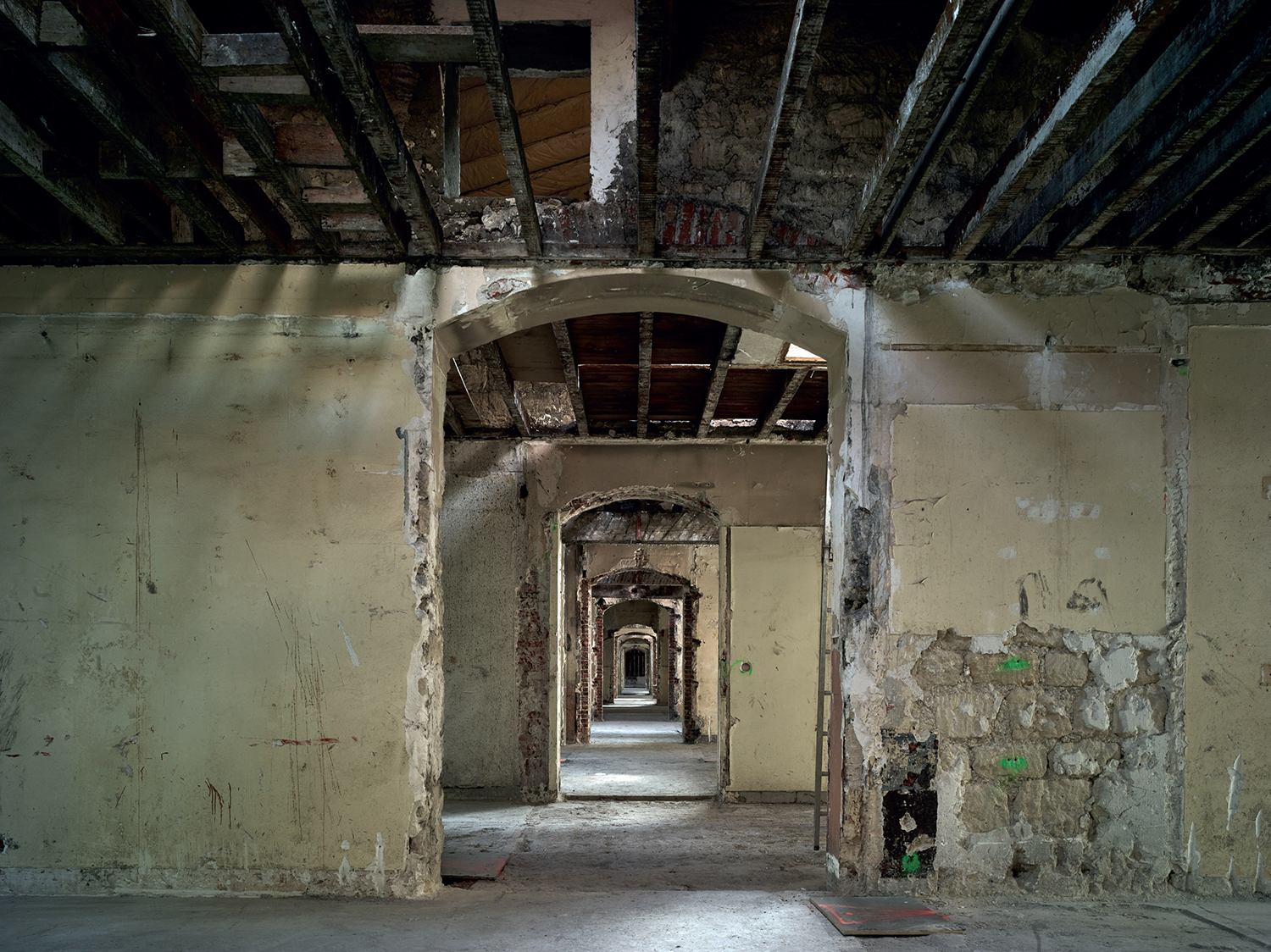
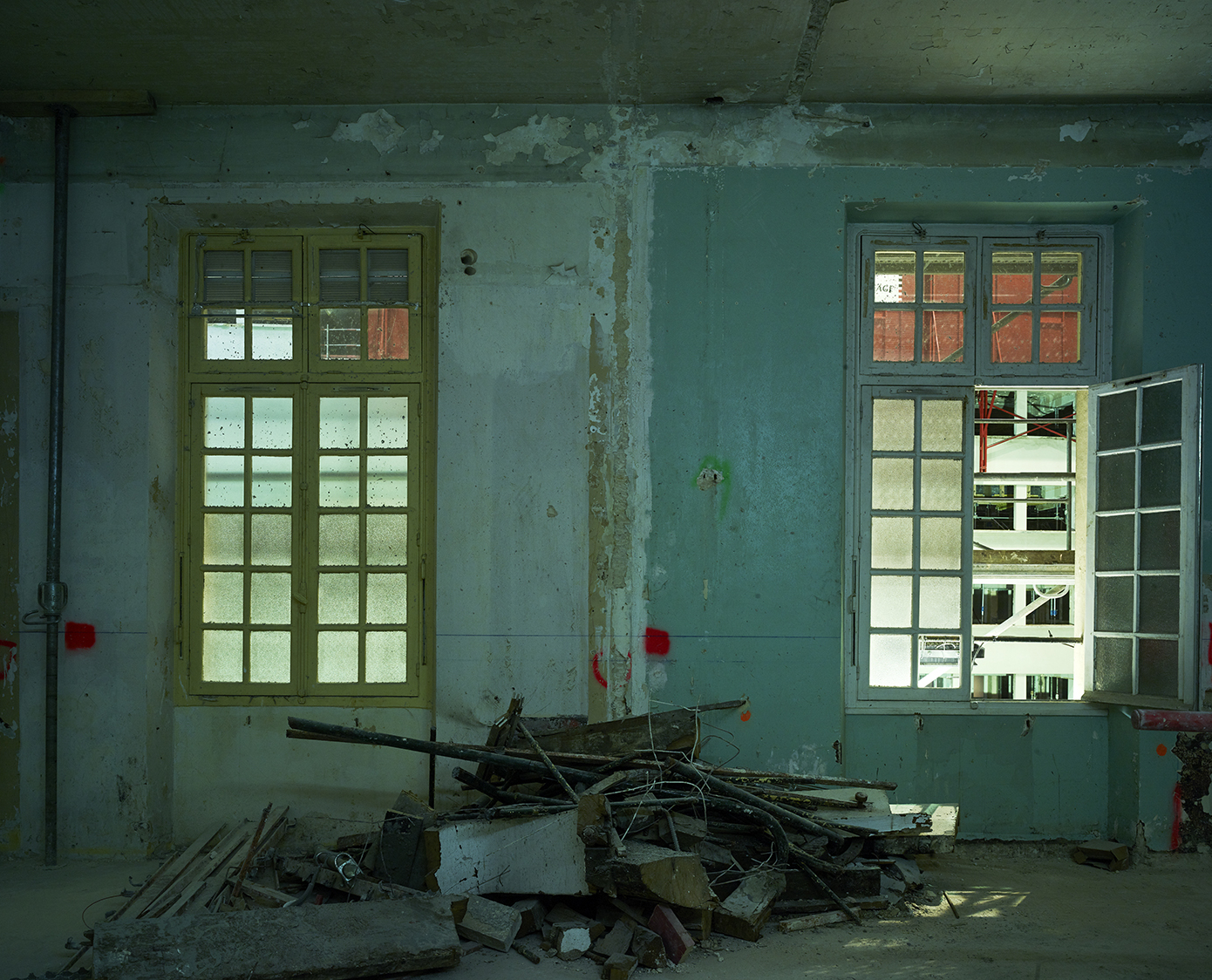
An essential component of the project for Gide, the spaces dedicated to welcoming clients are located in the historic and most noble wing, flanking the street. The wing includes approximately twenty meeting rooms, elegant, comfortable and equipped with the latest technology, as well as small salons, open but discreet, mingling with digital artwork.

Work in progress

Technical specifications

News & Awards